Sample Letter With Attached Documents In Virginia
Description

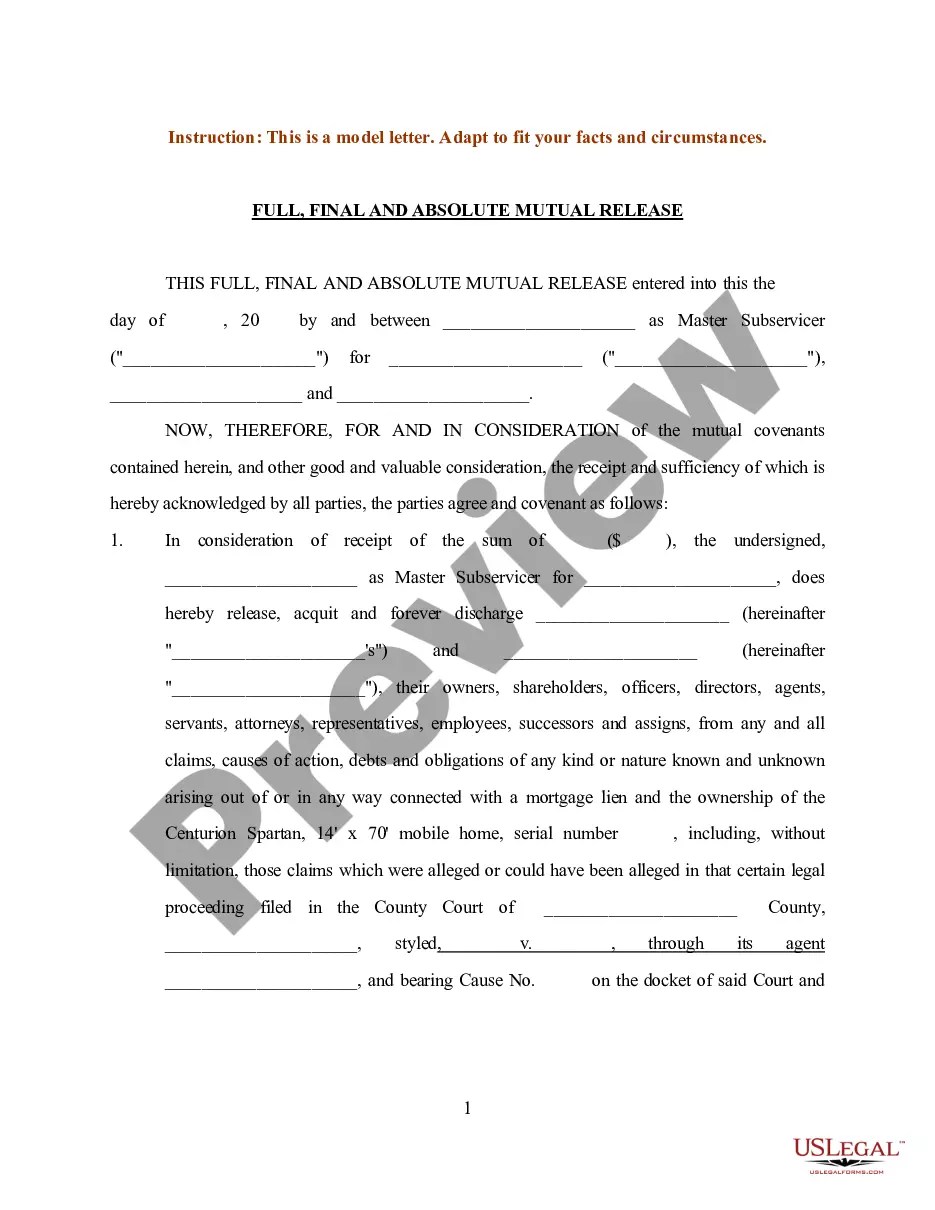
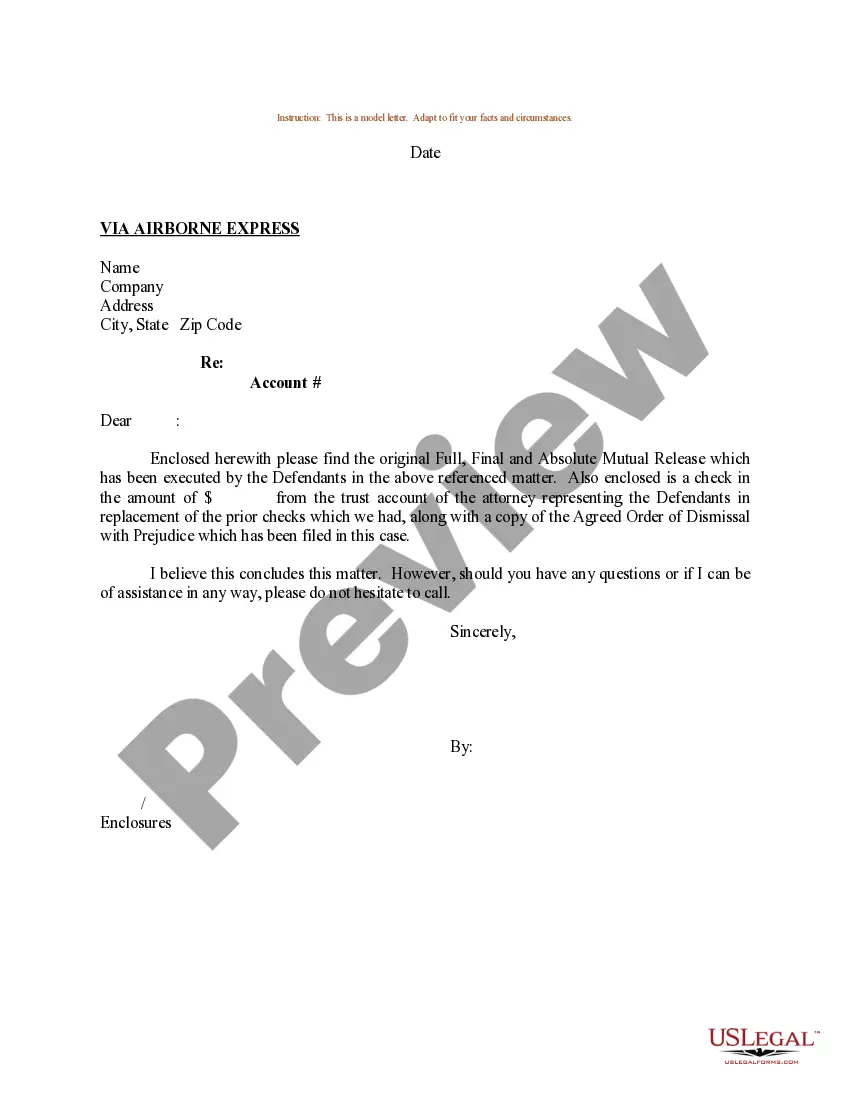
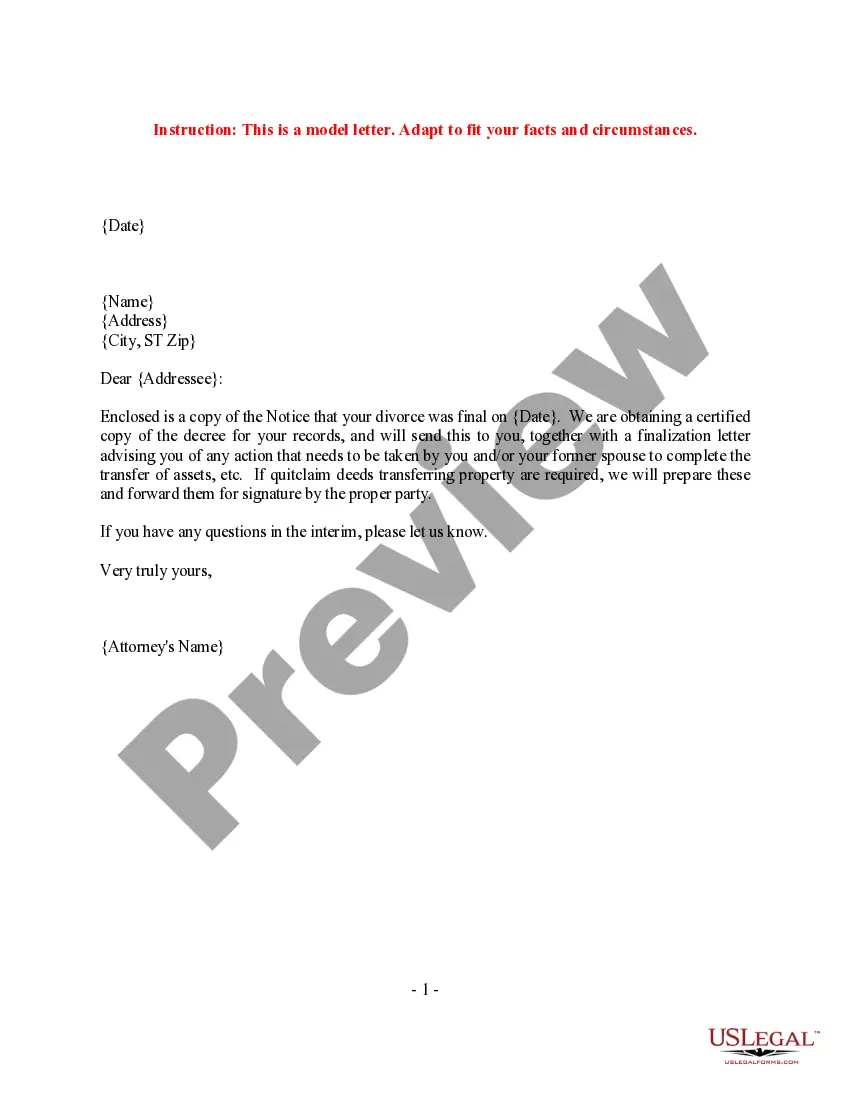
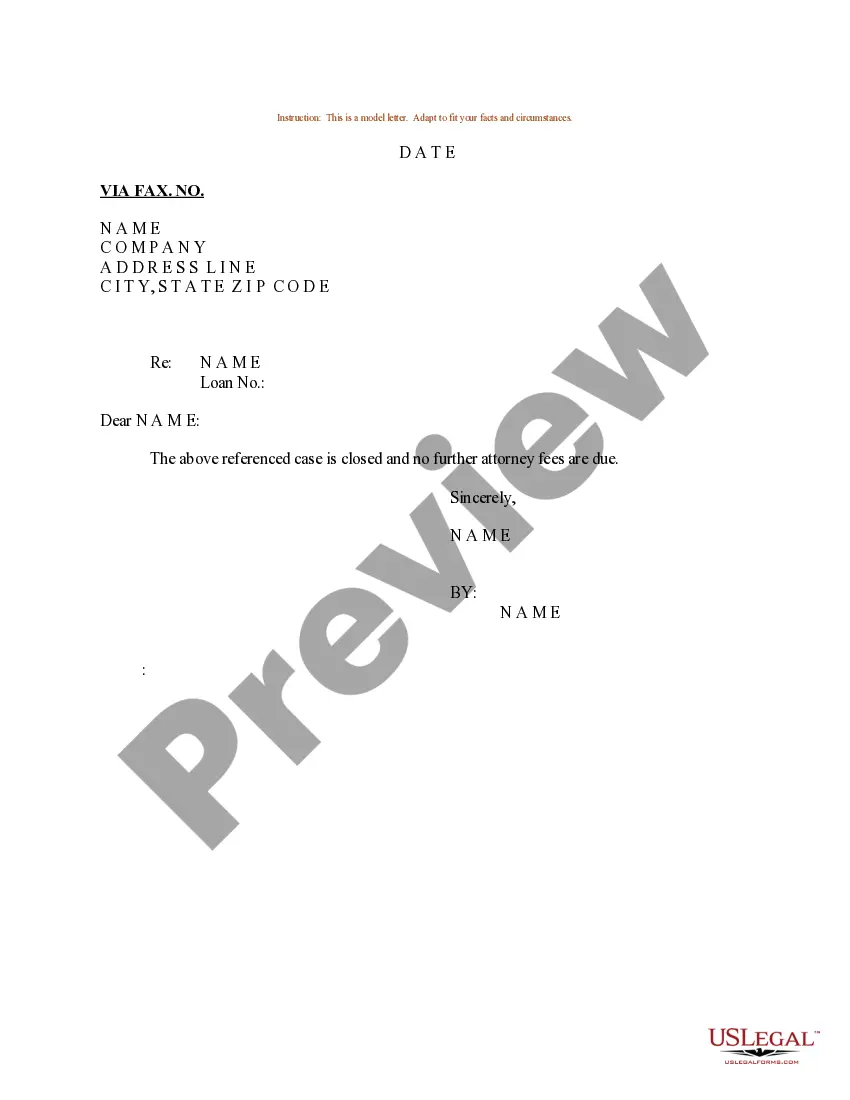
Get your form ready online
Our built-in tools help you complete, sign, share, and store your documents in one place.
Make edits, fill in missing information, and update formatting in US Legal Forms—just like you would in MS Word.
Download a copy, print it, send it by email, or mail it via USPS—whatever works best for your next step.
Sign and collect signatures with our SignNow integration. Send to multiple recipients, set reminders, and more. Go Premium to unlock E-Sign.
If this form requires notarization, complete it online through a secure video call—no need to meet a notary in person or wait for an appointment.
We protect your documents and personal data by following strict security and privacy standards.

Make edits, fill in missing information, and update formatting in US Legal Forms—just like you would in MS Word.

Download a copy, print it, send it by email, or mail it via USPS—whatever works best for your next step.

Sign and collect signatures with our SignNow integration. Send to multiple recipients, set reminders, and more. Go Premium to unlock E-Sign.

If this form requires notarization, complete it online through a secure video call—no need to meet a notary in person or wait for an appointment.

We protect your documents and personal data by following strict security and privacy standards.
Looking for another form?









Form popularity
FAQ
Enclosures If you have any enclosed documents, such as a resume, you can indicate this by typing “Enclosures” one line below the listing. You also may include the name of each document.
What to include in a standard job application folder Cover letter. This is the first document in your application. CV. Your CV comes next and lays out your qualifications and experience clearly and concisely. Certificates. Letters of recommendation, references.
Why is a job search letter called a "cover letter?" Because in the era of hard copy resumes and letters, the letter would be on top of, and therefore cover, the resume. A cover letter introduces a resume and explains why you are sending the resume.
Under your name and title, type “Enclosure:” or “Attachment:” to indicate that you've included additional documents. On the next line, provide a brief description of the contents. In a typical letter with an attachment, you might state “Curriculum Vitae,” for example.
In the main paragraph, you will write what documents you are enclosing with the letter. In the conclusion, you can mention the attachments and provide your contact details. Sign off - The signature on the document submission letter will be formal as well. You will write something like 'Yours Sincerely' or 'Faithfully.
Under your name and title, type “Enclosure:” or “Attachment:” to indicate that you've included additional documents. On the next line, provide a brief description of the contents. In a typical letter with an attachment, you might state “Curriculum Vitae,” for example.
What's included in a cover letter? Opening paragraph. State why you are writing, what you're applying for/type of work you're looking for, and (if relevant) how you heard about this position. Middle paragraph. Explain why you are interested in working for this employer and in this kind of position. Closing paragraph.
Depending on the type of documentation, you may first have to get the documentation stamped/signed by the appropriate department or institution; by a magistrate, an additional magistrate or assistant magistrate; or a registrar or an assistant registrar of the High Court of South Africa before the Legalisation Section ...
An apostille agent assists customers in obtaining apostilles or authentications. However, it's important to make one thing clear: You (the Notary) do not issue apostilles or attach them to documents. That is the role of the state agency authorized to issue apostilles, usually the Secretary of State's office.
If you have enclosed any documents along with the letter, such as a resume, you indicate this simply by typing Enclosures below the closing. As an option, you may list the name of each document you are including in the envelope.

