Sample Letters For Home Offers In Santa Clara
Description

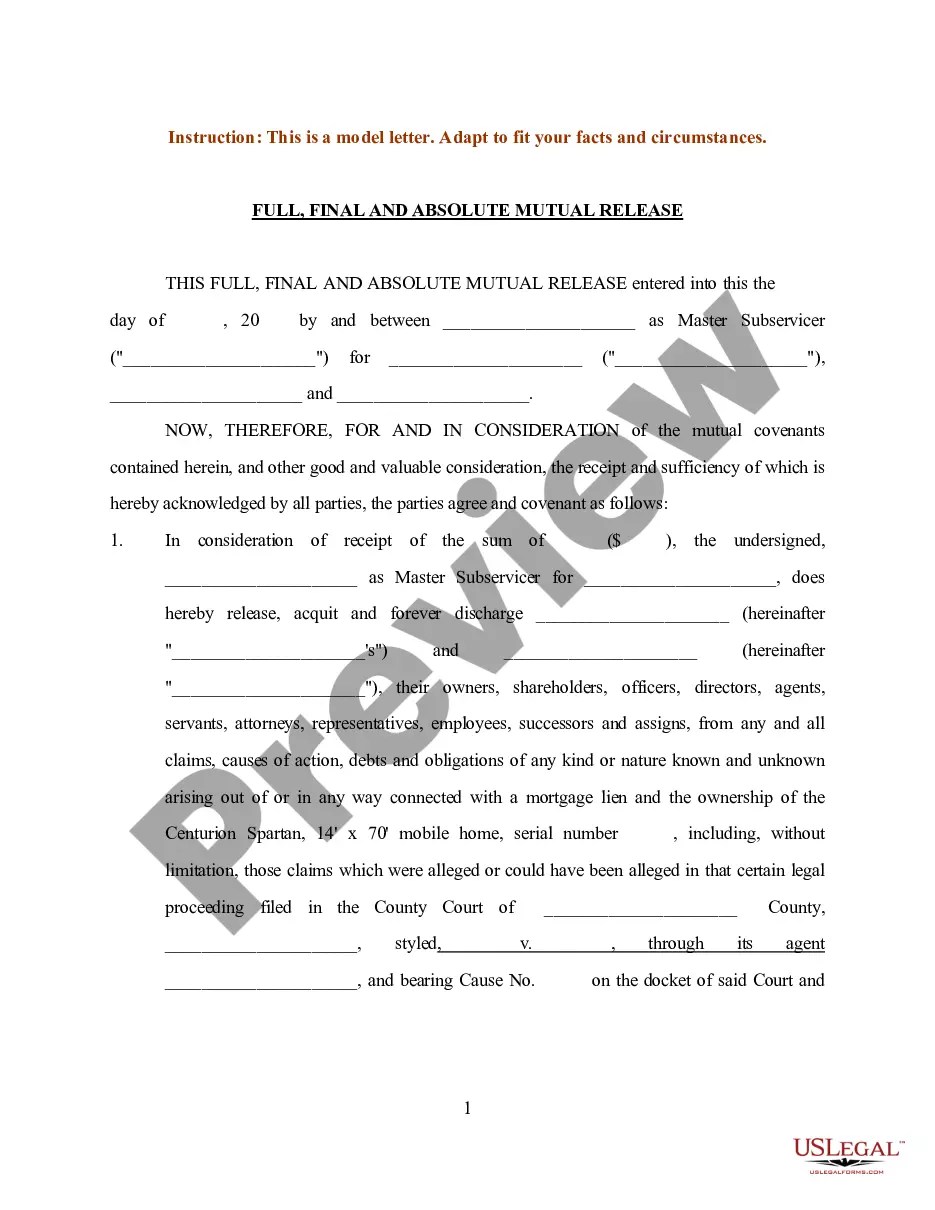
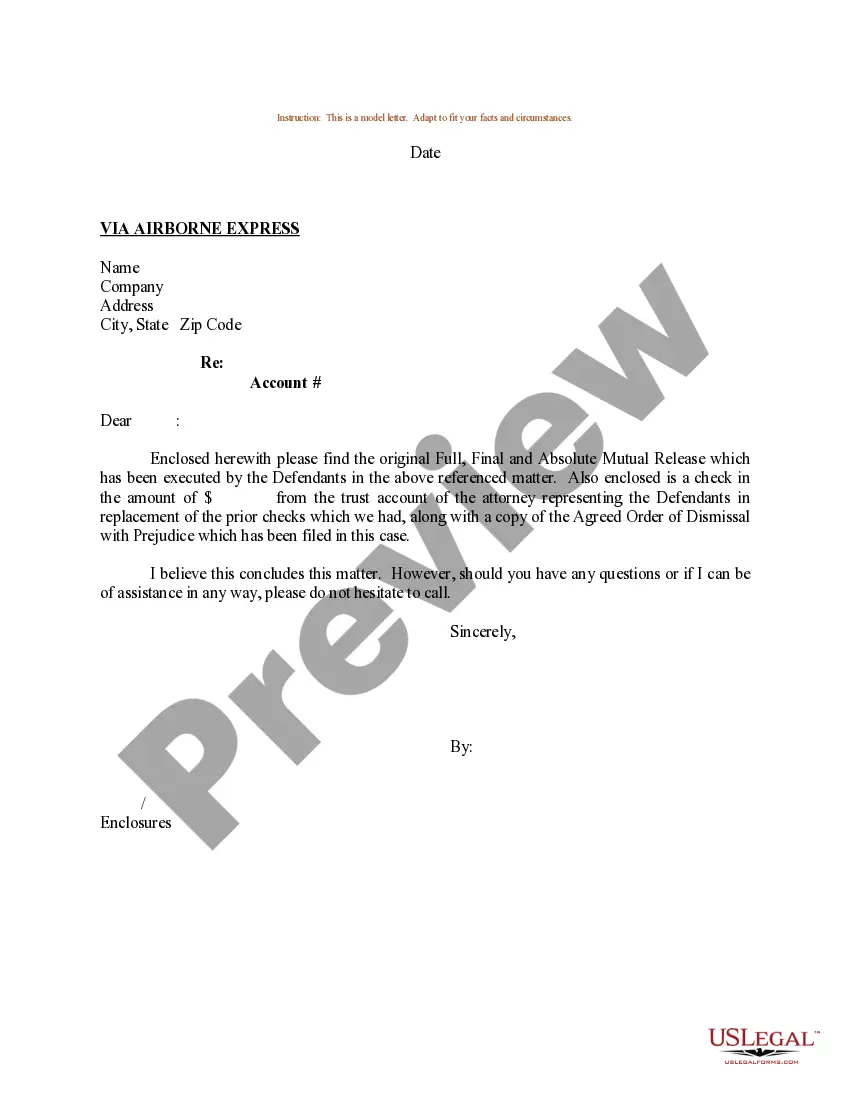
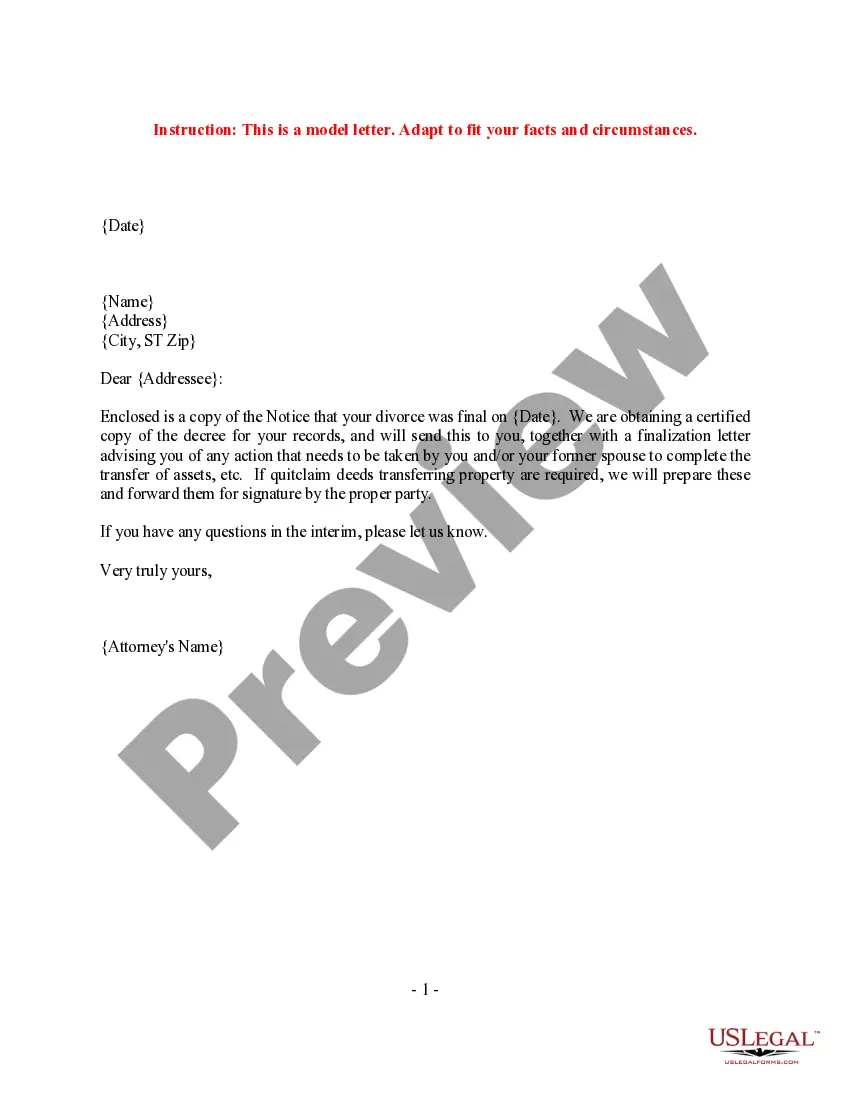
Get your form ready online
Our built-in tools help you complete, sign, share, and store your documents in one place.
Make edits, fill in missing information, and update formatting in US Legal Forms—just like you would in MS Word.
Download a copy, print it, send it by email, or mail it via USPS—whatever works best for your next step.
Sign and collect signatures with our SignNow integration. Send to multiple recipients, set reminders, and more. Go Premium to unlock E-Sign.
If this form requires notarization, complete it online through a secure video call—no need to meet a notary in person or wait for an appointment.
We protect your documents and personal data by following strict security and privacy standards.

Make edits, fill in missing information, and update formatting in US Legal Forms—just like you would in MS Word.

Download a copy, print it, send it by email, or mail it via USPS—whatever works best for your next step.

Sign and collect signatures with our SignNow integration. Send to multiple recipients, set reminders, and more. Go Premium to unlock E-Sign.

If this form requires notarization, complete it online through a secure video call—no need to meet a notary in person or wait for an appointment.

We protect your documents and personal data by following strict security and privacy standards.
Looking for another form?





Form popularity
FAQ
How to write a letter to the seller when buying a home Decide how you want the letter to look. Introduce yourself. Share your love for the home. Describe how you'd live in the house. Explain your offer. Express gratitude. Read over your letter. Deliver the letter to the seller.
Bull actually recommends her buyer clients write letters “in most situations,” because they can help otherwise “vanilla offers” stand out, she says. They also give buyers an opportunity explain why there are contingencies on their offer, or another hiccup that might ding their chances.
7 Tips for Writing the Perfect Real Estate Offer Letter Address the Seller By Name. Highlight What You Like Most About the Home. Share Something About Yourself. Throw in a Personal Picture. Discuss What You Have in Common. Keep it Short. Close the Letter Appropriately. The Bottom Line.
Here are the seven key things to include in an offer letter: Opening and basic information. Job role description and responsibilities. All benefits-related information. Leave policy. Terms of employment and offer letter validity. Termination policy and notice period. Closing statement.
What to Include in Your Offer Letter Official letterhead or logo. This is a formal document so you should consider it as formal correspondence. Formal letter guidelines. Opener. About the position. Salary and benefits. At-will status. Closer.
Dear Candidate's Name, I am delighted to offer you the opportunity to join our team as a part-time Job Title at Company Name. Your skills, enthusiasm and availability align perfectly with our requirements, and we believe you'll make an excellent addition to our team. Salary: Amount per hour, year, etc.
An offer letter is the written document that offers a candidate a particular job position for which he/she was interviewed and got selected. It is created to intimate the candidate about his/her employment.
What to Include in Your Offer Letter Official letterhead or logo. This is a formal document so you should consider it as formal correspondence. Formal letter guidelines. Opener. About the position. Salary and benefits. At-will status. Closer.
Writing a Letter of Interest Learn when a letter of interest can benefit you. Form a connection. Tell the buyer why you love the home. Write emotionally but authentically. Paint a positive picture of yourself. Save the best for last. Keep the letter short.
If you find a home you're interested in buying and are happy with its Home Report, tell your solicitor. Your solicitor will then formally 'note' your interest with the seller. If a number of people note their interest, the seller will set a closing date for offers to be made.

