Sample Letters For Sponsorship In North Carolina
Description
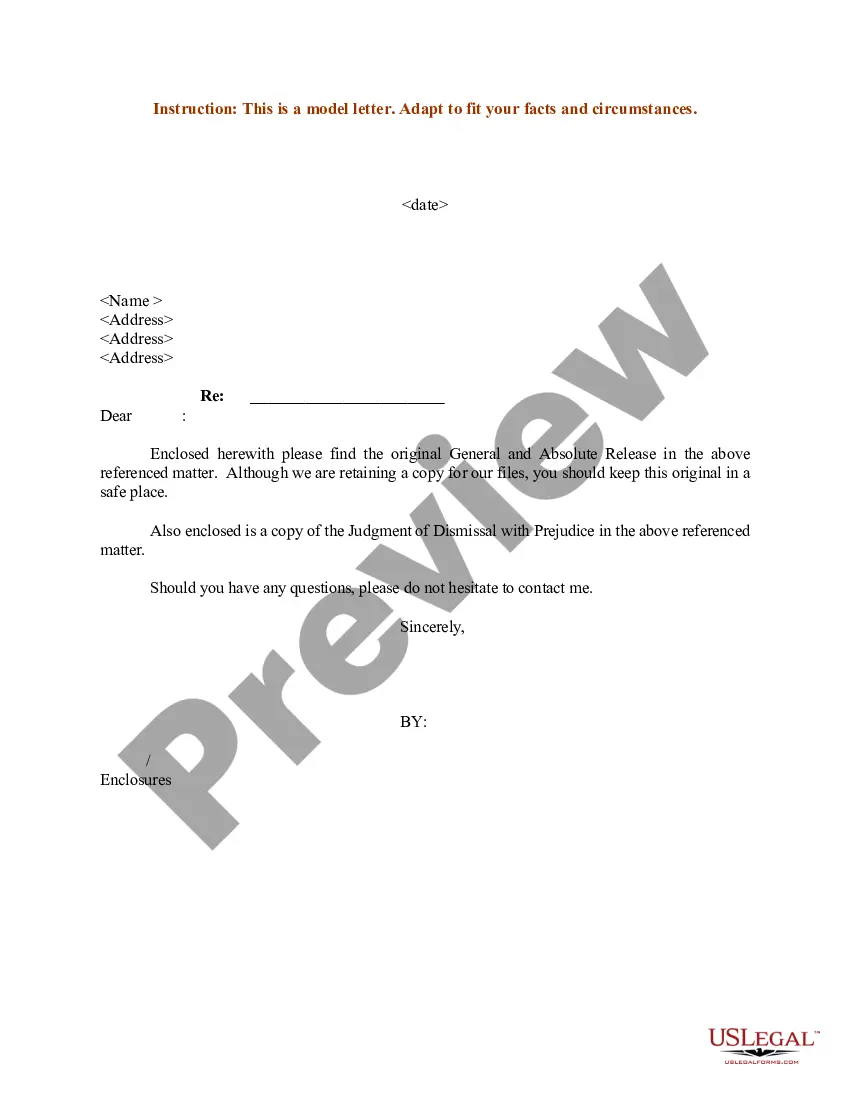
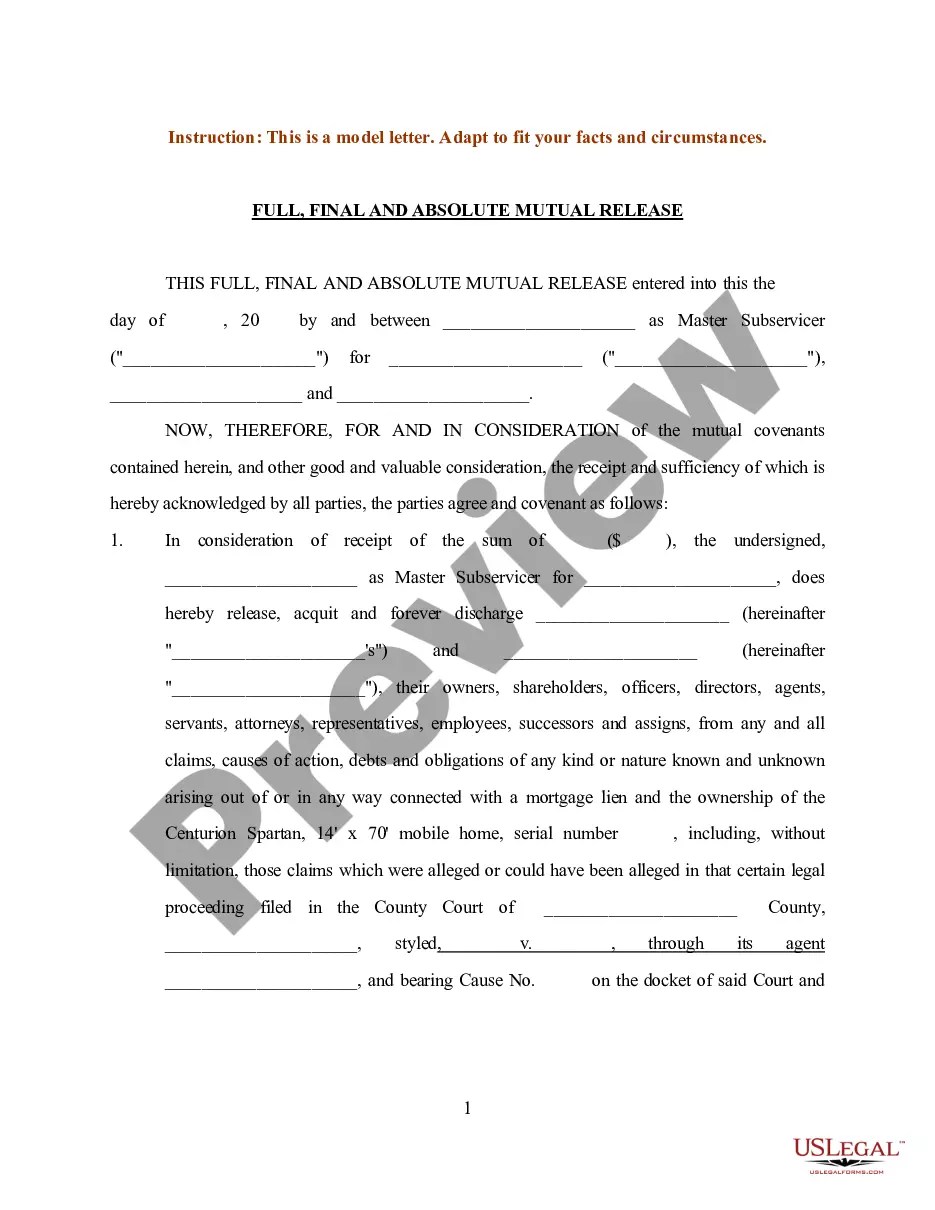
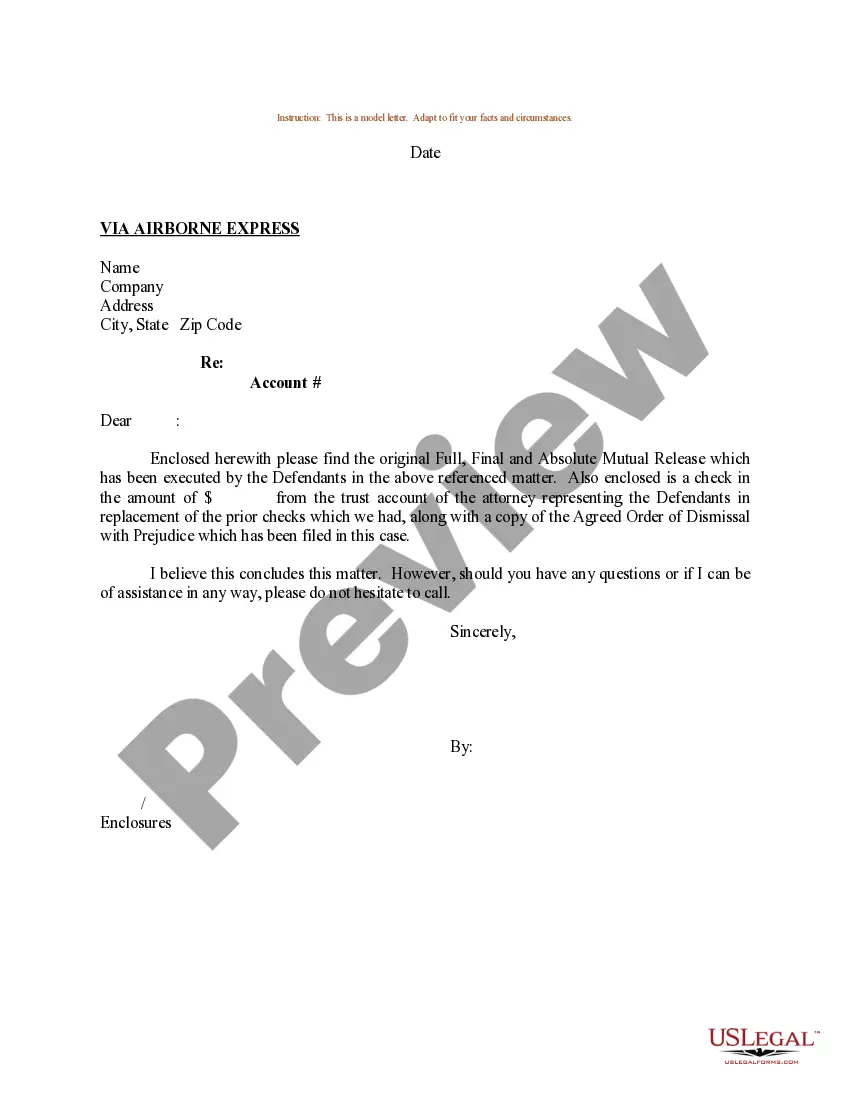
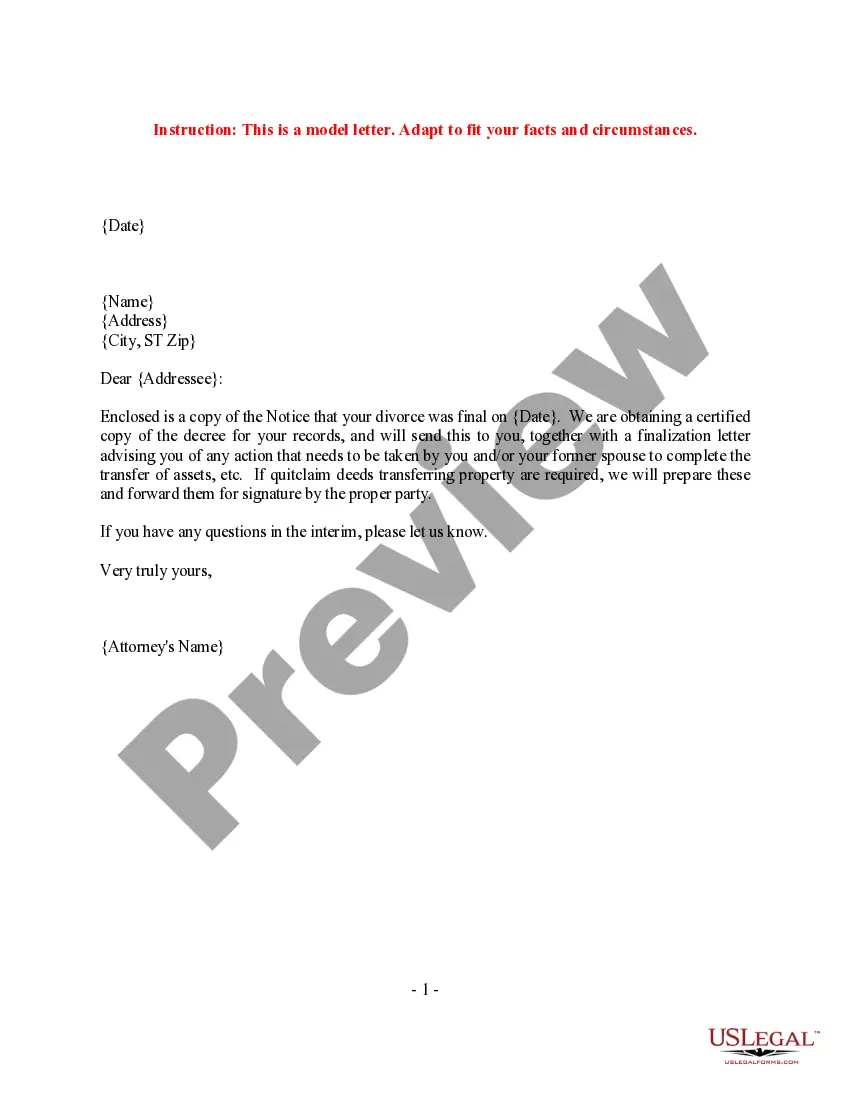
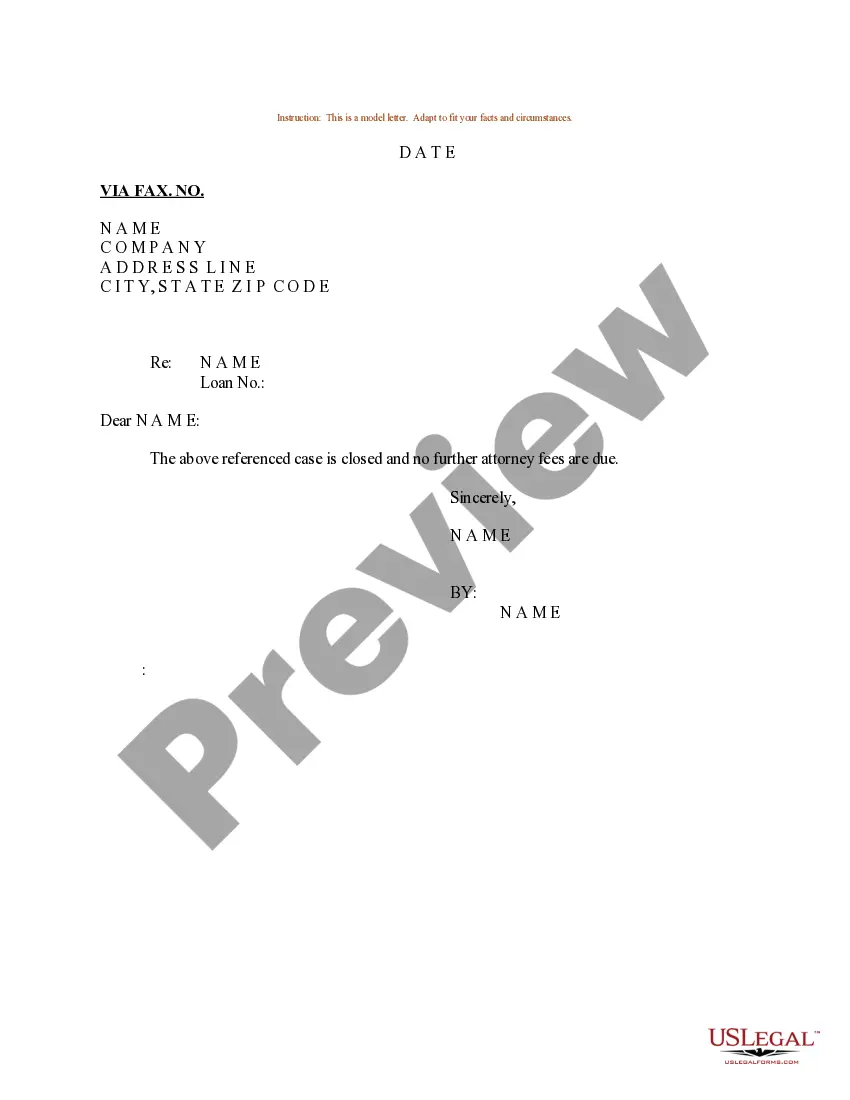
Get your form ready online
Our built-in tools help you complete, sign, share, and store your documents in one place.
Make edits, fill in missing information, and update formatting in US Legal Forms—just like you would in MS Word.
Download a copy, print it, send it by email, or mail it via USPS—whatever works best for your next step.
Sign and collect signatures with our SignNow integration. Send to multiple recipients, set reminders, and more. Go Premium to unlock E-Sign.
If this form requires notarization, complete it online through a secure video call—no need to meet a notary in person or wait for an appointment.
We protect your documents and personal data by following strict security and privacy standards.

Make edits, fill in missing information, and update formatting in US Legal Forms—just like you would in MS Word.

Download a copy, print it, send it by email, or mail it via USPS—whatever works best for your next step.

Sign and collect signatures with our SignNow integration. Send to multiple recipients, set reminders, and more. Go Premium to unlock E-Sign.

If this form requires notarization, complete it online through a secure video call—no need to meet a notary in person or wait for an appointment.

We protect your documents and personal data by following strict security and privacy standards.
Looking for another form?
Form popularity
FAQ
I'm writing to ask you to sponsor part of your event that needs sponsorship. With dollar amount, we'll be able to insert goal or achievement. As a thank you, nonprofit's name would also like to offer incentive and publically announce your partnership with our charitable organization.
The best way to get someone to sponsor your small business is to build a strong network of potential investors, start pitching your business idea to them, and make sure to follow up once you have made contact. You can also look into venture capital firms or crowdfunding platforms to find potential sponsors.
Determine your needs. The first step to asking for sponsorship is determining what you actually need. Outline what you have to offer. Create a one-pager. Create a list of prospects. Try to get in touch with an individual, if at all possible. Keep it short and sweet! ... Follow Up. If at first you don't succeed, try again.
How To Write a Sponsorship Letter: A Step-by-Step Guide Use a Personalized Introduction. Introduce Your Event/Project Significance. Customized Benefits. Sponsorship Levels With Clear Value Propositions. Credibility Through Testimonials and Metrics. Call to Action With Incentives. Gratitude and Next Steps.
Dear Sponsor, I consider writing to you as one of the best things ever. It is always my pleasure to inform you on everything I have been doing. I'm also encouraged to strive for excellence in whatever I do because it is the least I can do to show appreciation for your support towards my education.
Welcome Connect is an online platform where potential sponsors in the U.S. and people seeking sponsors can connect and get to know each other. Then they decide together if sponsorship is a good fit and begin the application process with the U.S government.
10 Best Practices for Writing Sponsorship Letters Use the sponsor's name. Get the personalization details right. Tailor your sponsor letter. Keep it short. Put Yourself in your sponsor's shoes. Write the letter from leadership. Get someone your sponsor knows to write the letter. Give sponsors choice.
Here are a few simple rules to follow: Address each potential sponsor by name. Add details from their LinkedIn profile, social media, or company announcements. Highlight the event's mission or “big why” reason for being. Share a few words on the impact your event has had on your community.
Here are some key elements to include when writing your sponsorship request letters: Introduction. Description of campaign. Sponsorship opportunities. Audience demographics. Sponsorship levels and associated perks. Contact information. Closing.
Consider following these steps to effectively write a sponsorship letter for an event: Understand the need. Research potential sponsors. Include an introduction. Explain the reason for the letter. Provide information about your audience. Explain the purpose of the event. Add a signature. Follow up with the recipients.


