Sample Letter With Signature In Mecklenburg
Description

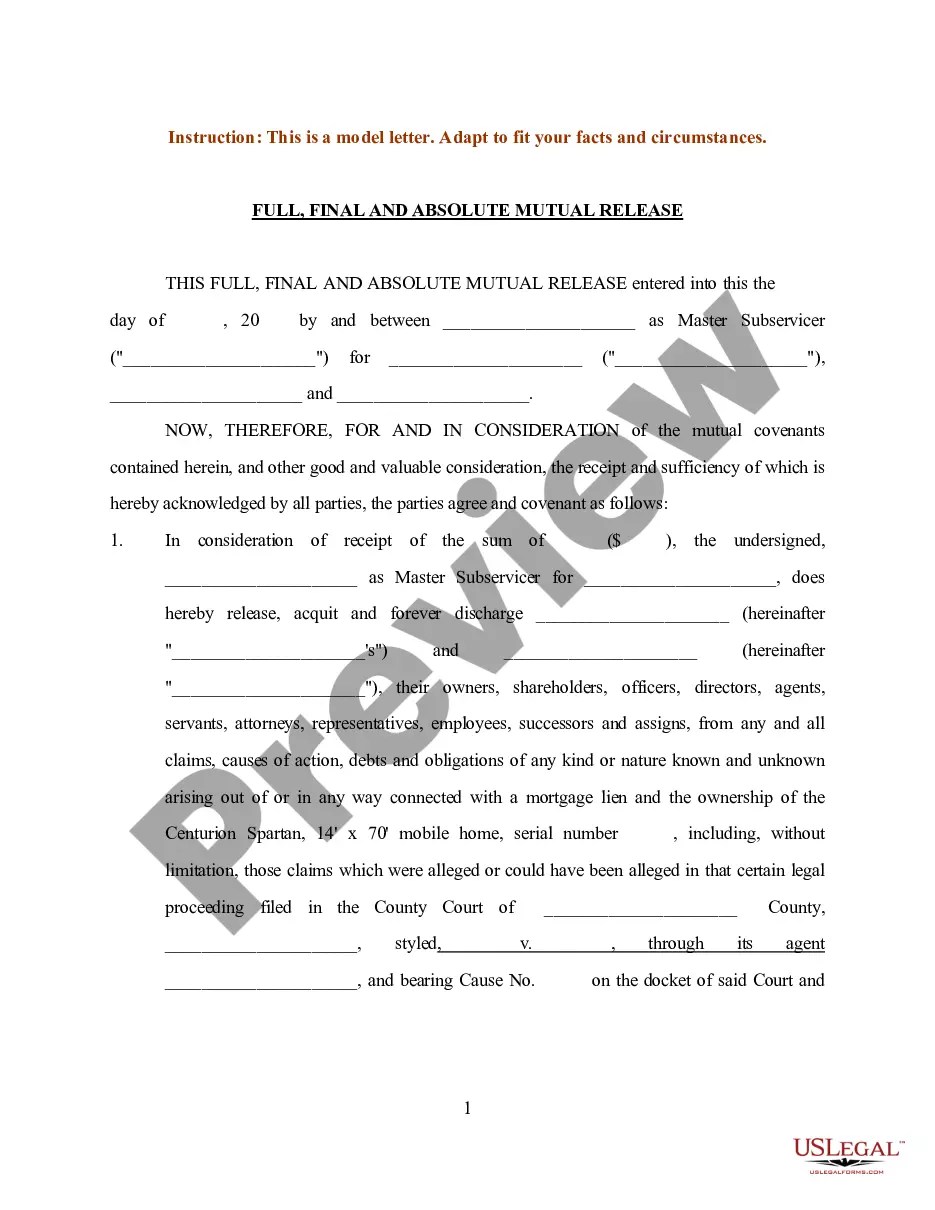
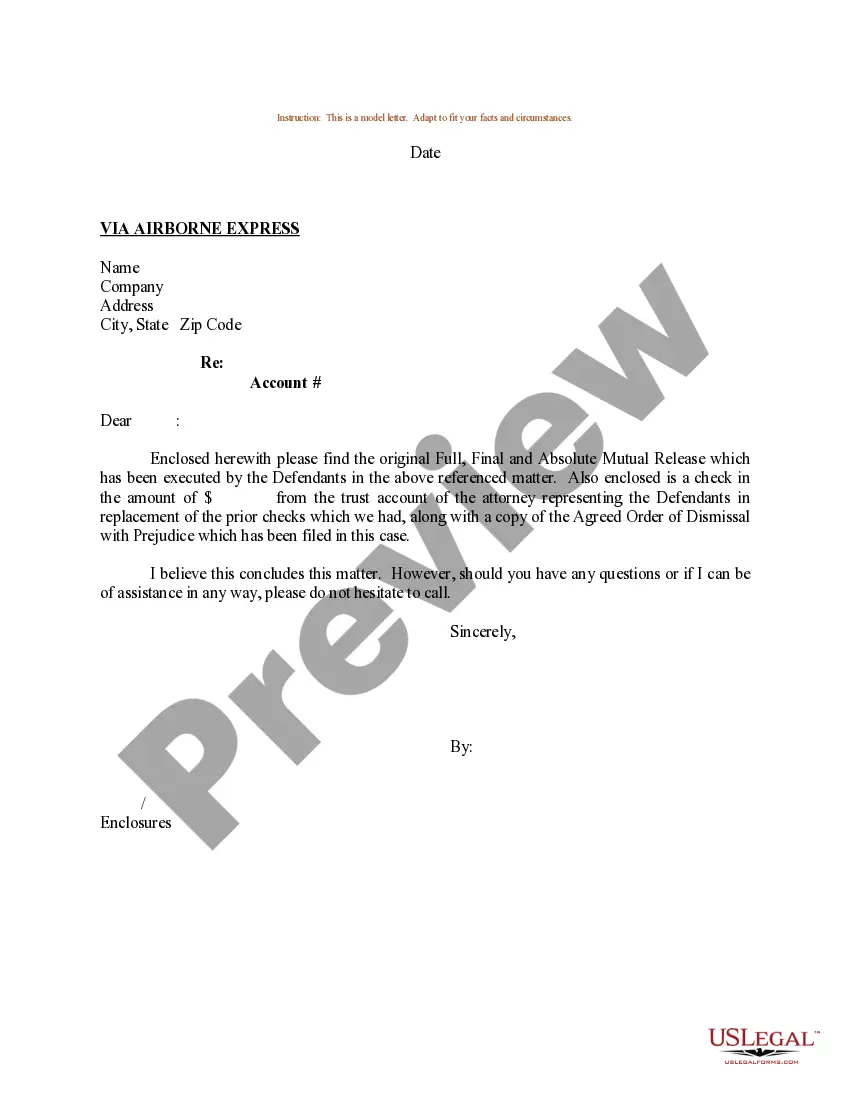
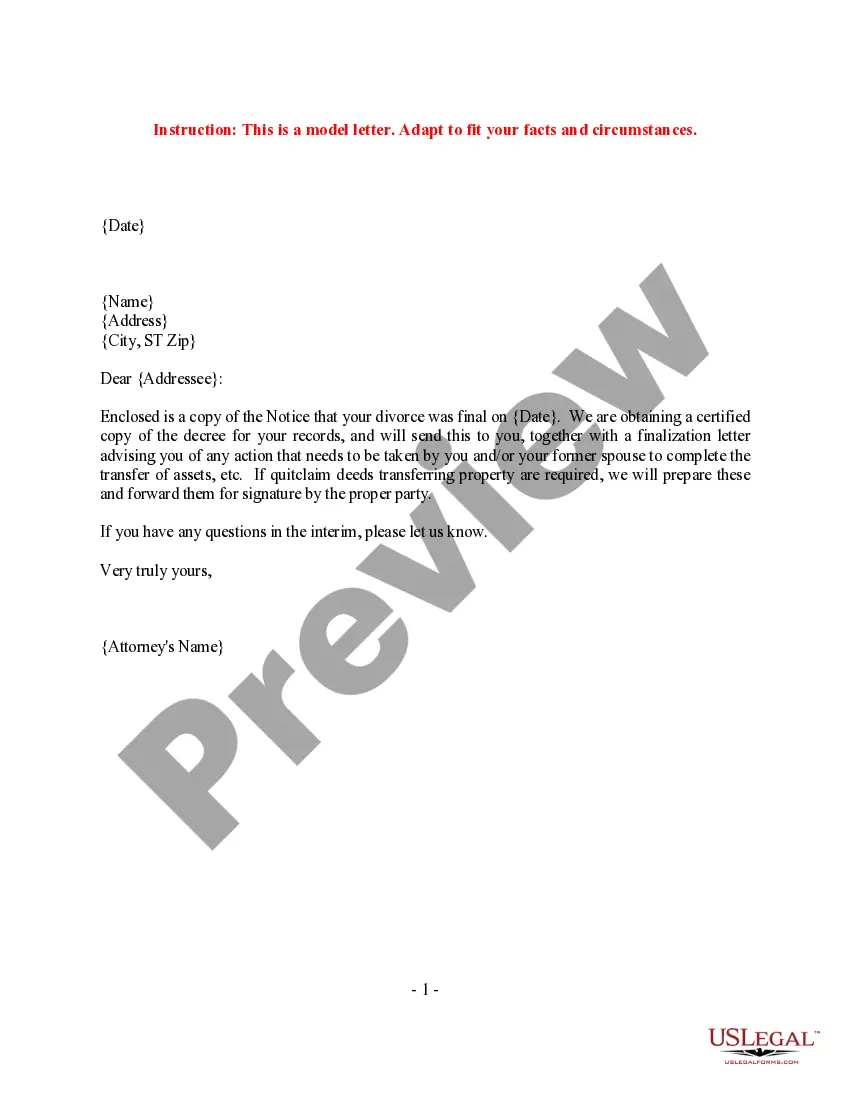
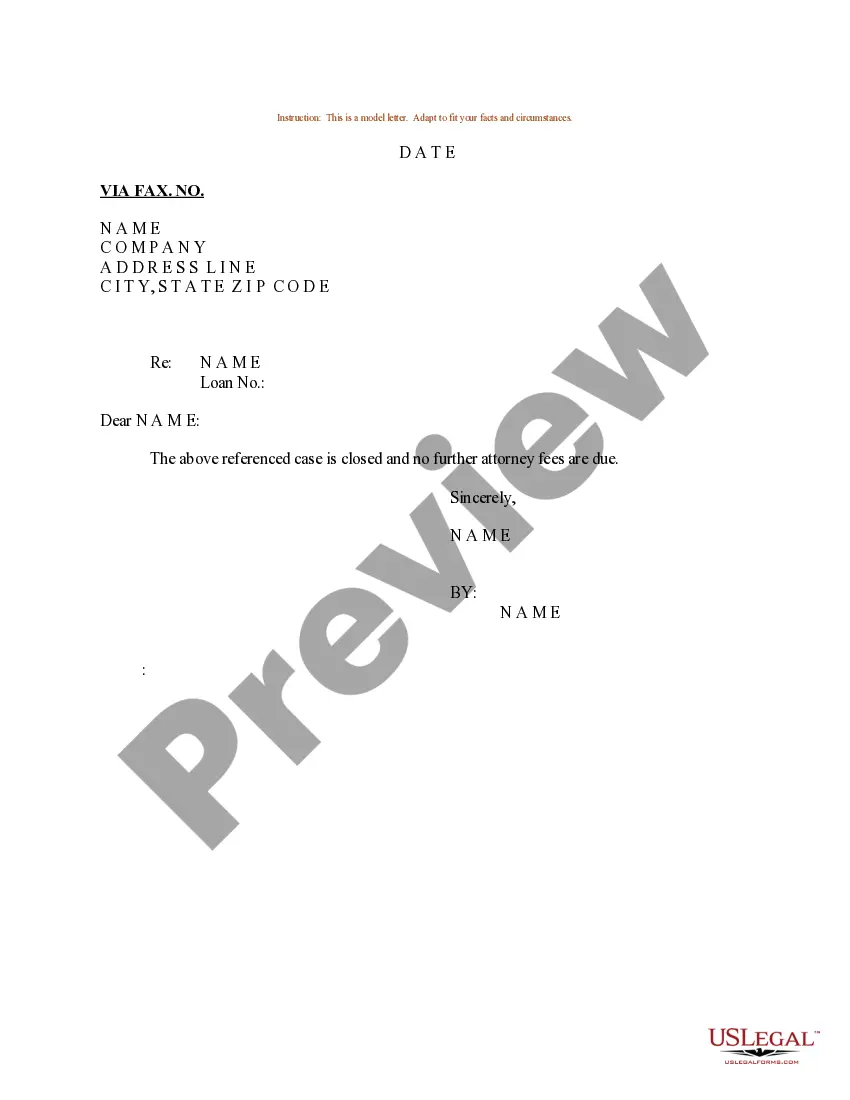
Get your form ready online
Our built-in tools help you complete, sign, share, and store your documents in one place.
Make edits, fill in missing information, and update formatting in US Legal Forms—just like you would in MS Word.
Download a copy, print it, send it by email, or mail it via USPS—whatever works best for your next step.
Sign and collect signatures with our SignNow integration. Send to multiple recipients, set reminders, and more. Go Premium to unlock E-Sign.
If this form requires notarization, complete it online through a secure video call—no need to meet a notary in person or wait for an appointment.
We protect your documents and personal data by following strict security and privacy standards.

Make edits, fill in missing information, and update formatting in US Legal Forms—just like you would in MS Word.

Download a copy, print it, send it by email, or mail it via USPS—whatever works best for your next step.

Sign and collect signatures with our SignNow integration. Send to multiple recipients, set reminders, and more. Go Premium to unlock E-Sign.

If this form requires notarization, complete it online through a secure video call—no need to meet a notary in person or wait for an appointment.

We protect your documents and personal data by following strict security and privacy standards.
Looking for another form?







Form popularity
FAQ
One may feel one has a dispute with a business person or a family member-but once the summons is issued it is the full power of the law and the courts that is brought to bear in the dispute and it is absolutely vital to treat it seriously, file a response within the time limits…or face the consequences.
You are required to file your Answer with the Clerk of Court and send a copy to the Plaintiff. You may serve your Answer by delivering a copy to the Plaintiff or by mailing it to the Plaintiff's last known address.
Your answer should include the court name, case name, case number, and your affirmative defenses. Print three copies of your answer. File one with the clerk's office and mail (or “serve”) one to the plaintiff or plaintiff's attorney. The plaintiff is the debt collector, creditor, or law firm suing you.
Letters testamentary and letters of administration are legal documents issued by the clerk of court that give a person authority to serve as the personal representative of the estate. These “letters” will often be requested by institutions such as banks or insurance companies during estate administration.
How to Respond to a Lawsuit File an answer. The most common way to respond to a complaint is by filing an answer. Negotiate. Being served with a lawsuit does not automatically mean you need to appear in court. Request more information from the plaintiff. Cross-complain. File a motion to dismiss.
On a separate page or pages, write a short and plain statement of the answer to the allegations in the complaint. Number the paragraphs. The answer should correspond to each paragraph in the complaint, with paragraph 1 of the answer corresponding to paragraph 1 of the complaint, etc.
You are required to file your Answer with the Clerk of Court and send a copy to the Plaintiff. You may serve your Answer by delivering a copy to the Plaintiff or by mailing it to the Plaintiff's last known address.
On a separate page or pages, write a short and plain statement of the answer to the allegations in the complaint. Number the paragraphs. The answer should correspond to each paragraph in the complaint, with paragraph 1 of the answer corresponding to paragraph 1 of the complaint, etc.

