Sample Letter With Two Signatures In Maryland
Description

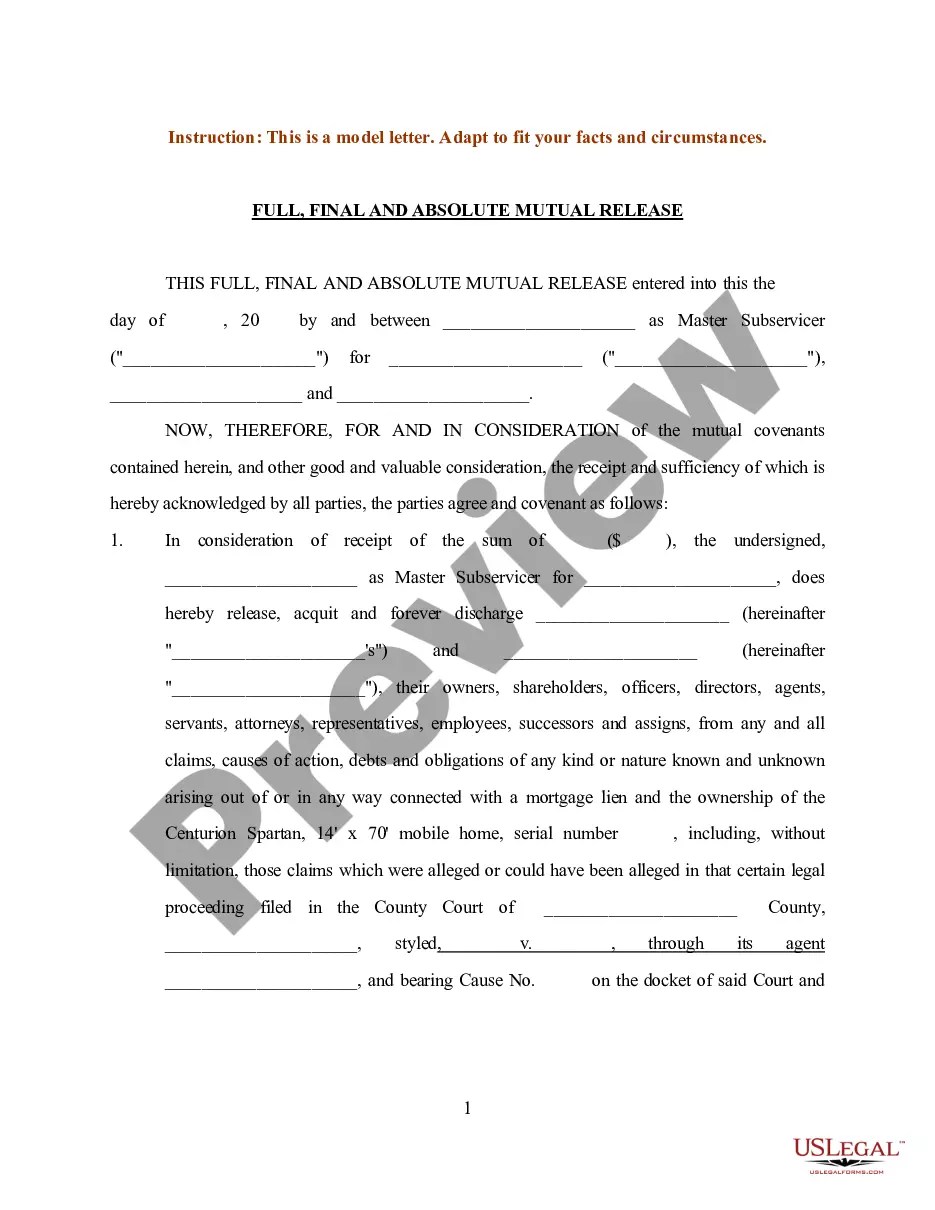
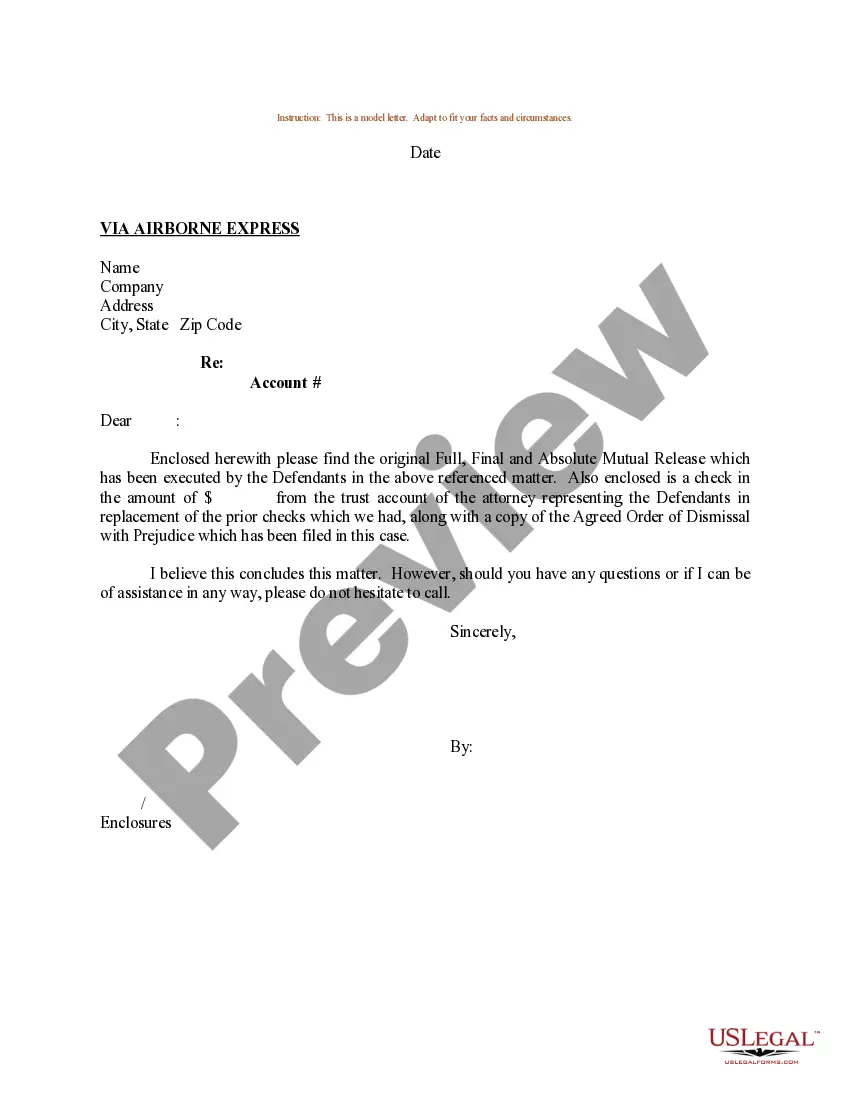
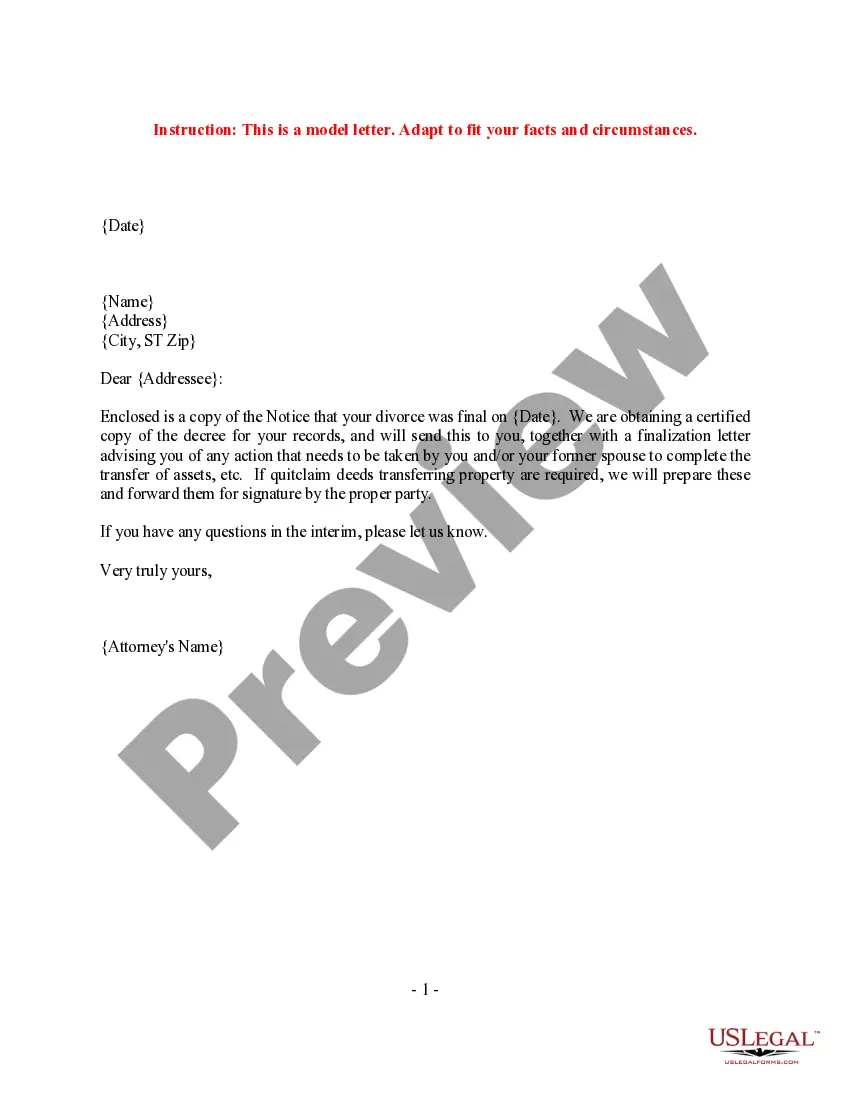
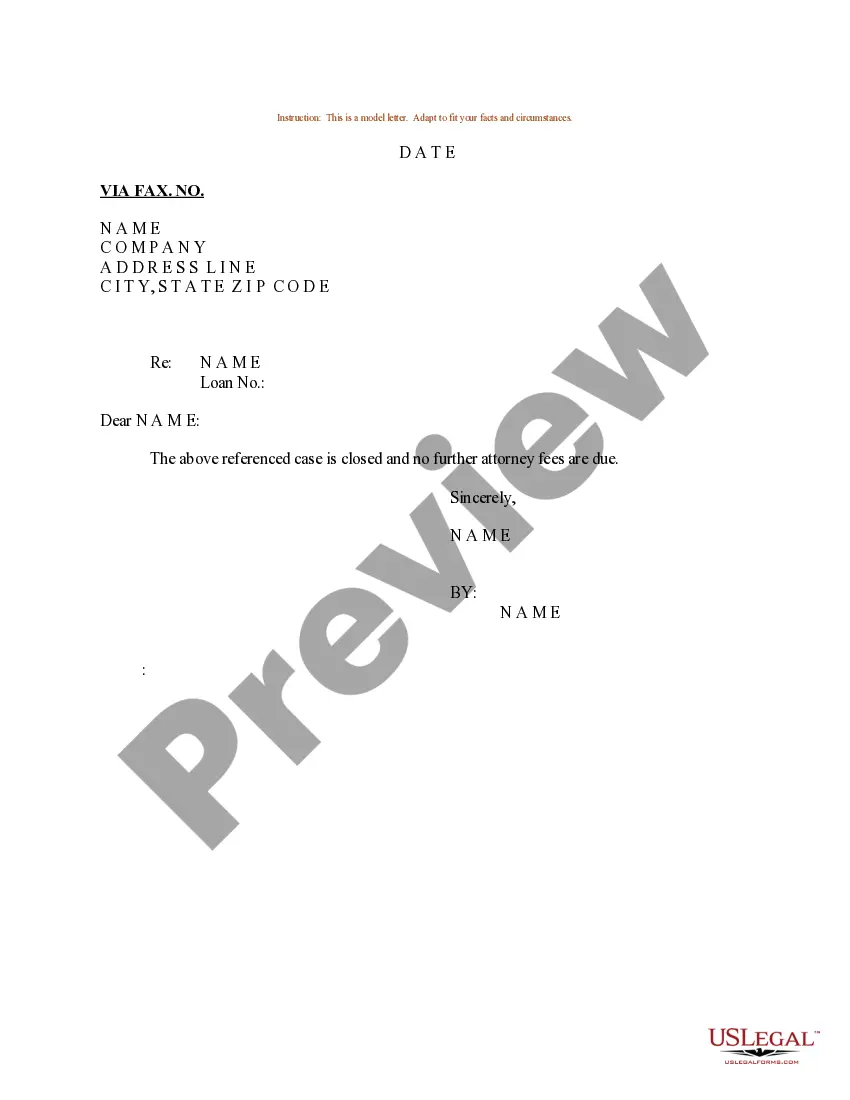
Get your form ready online
Our built-in tools help you complete, sign, share, and store your documents in one place.
Make edits, fill in missing information, and update formatting in US Legal Forms—just like you would in MS Word.
Download a copy, print it, send it by email, or mail it via USPS—whatever works best for your next step.
Sign and collect signatures with our SignNow integration. Send to multiple recipients, set reminders, and more. Go Premium to unlock E-Sign.
If this form requires notarization, complete it online through a secure video call—no need to meet a notary in person or wait for an appointment.
We protect your documents and personal data by following strict security and privacy standards.

Make edits, fill in missing information, and update formatting in US Legal Forms—just like you would in MS Word.

Download a copy, print it, send it by email, or mail it via USPS—whatever works best for your next step.

Sign and collect signatures with our SignNow integration. Send to multiple recipients, set reminders, and more. Go Premium to unlock E-Sign.

If this form requires notarization, complete it online through a secure video call—no need to meet a notary in person or wait for an appointment.

We protect your documents and personal data by following strict security and privacy standards.
Looking for another form?








Form popularity
FAQ
One of the most common mistakes that notaries make is not printing or signing their name exactly as it appears on their notary commission.
You can create two sections for signatures below your valediction. Leave a space for the first person's signature and put their name and job title directly underneath this space. Repeat the process for the second person's name. Print your document and have each individual sign their name in the empty space.
(1) A notary public shall place his or her signature on every record upon which he or she performs a notarial act. The notary public shall sign his or her name exactly as his or her name appears on his or her application for commission as a notary public.
In real life, there's no such rule of “only one named signer per document.” Many documents require the signatures of multiple persons, and any number of those signatures may require notarization. Often, only one of the multiple signers named in a document is present for notarization of their signature.
In a business letter, write the first person's name, then a comma, then their title at the company after the comma. On a new line, write the next person's name, title, and so on. Include all names, if possible. If you're sending the letter to one address, try to include all names.
You may notarize the signature of one person appearing before you and then the second person can appear before a Notary in their city/state and have their signature notarized. Each Notary will complete notarial wording for the person appearing before them.
If you have a document that requires notarization and needs to be signed by more than one person, you and the other signer(s) can meet with a notary in one of the following ways: In the same meeting on the same device (up to 2 signers) In the same meeting on separate devices. In separate meetings at different times.
Initials and abbreviations are a common type of signature that involves using just your first and last initials, or a combination of letters, to sign a document. This type of signature is often used in informal documents, such as emails or personal letters.
As long as a signature is representative of who a person is and their intent, any kind of mark is considered legal.
Initials and abbreviations are a common type of signature that involves using just your first and last initials, or a combination of letters, to sign a document. This type of signature is often used in informal documents, such as emails or personal letters.
