Sample Letters For Ielts In Los Angeles
Description

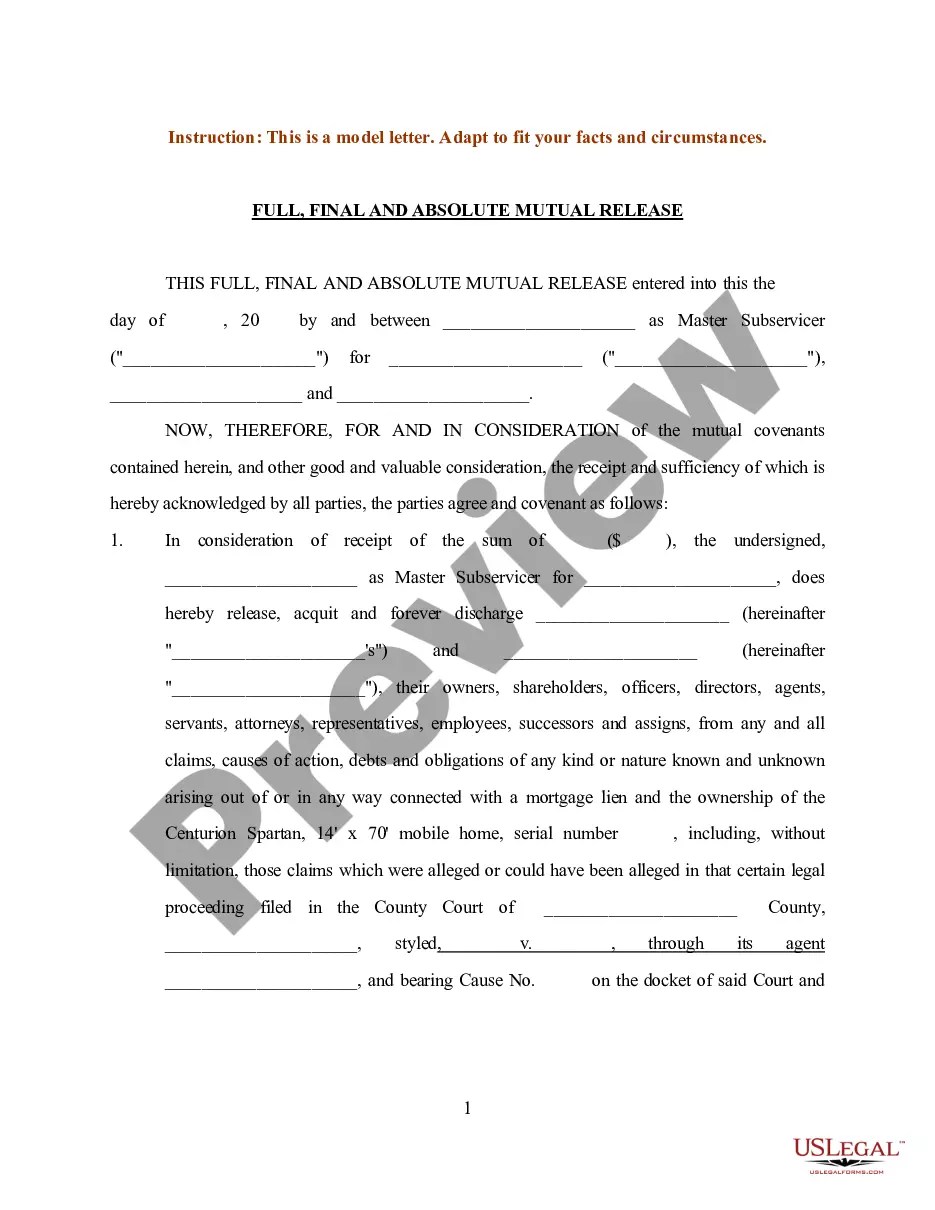
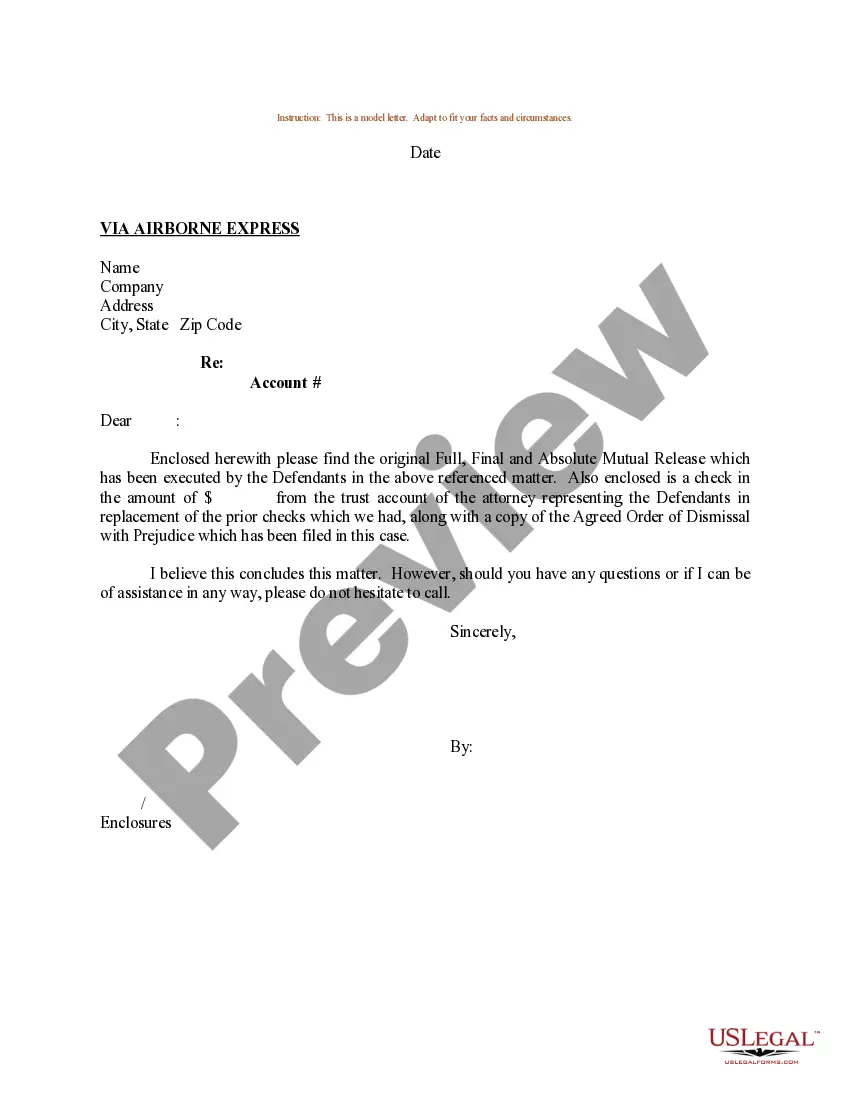
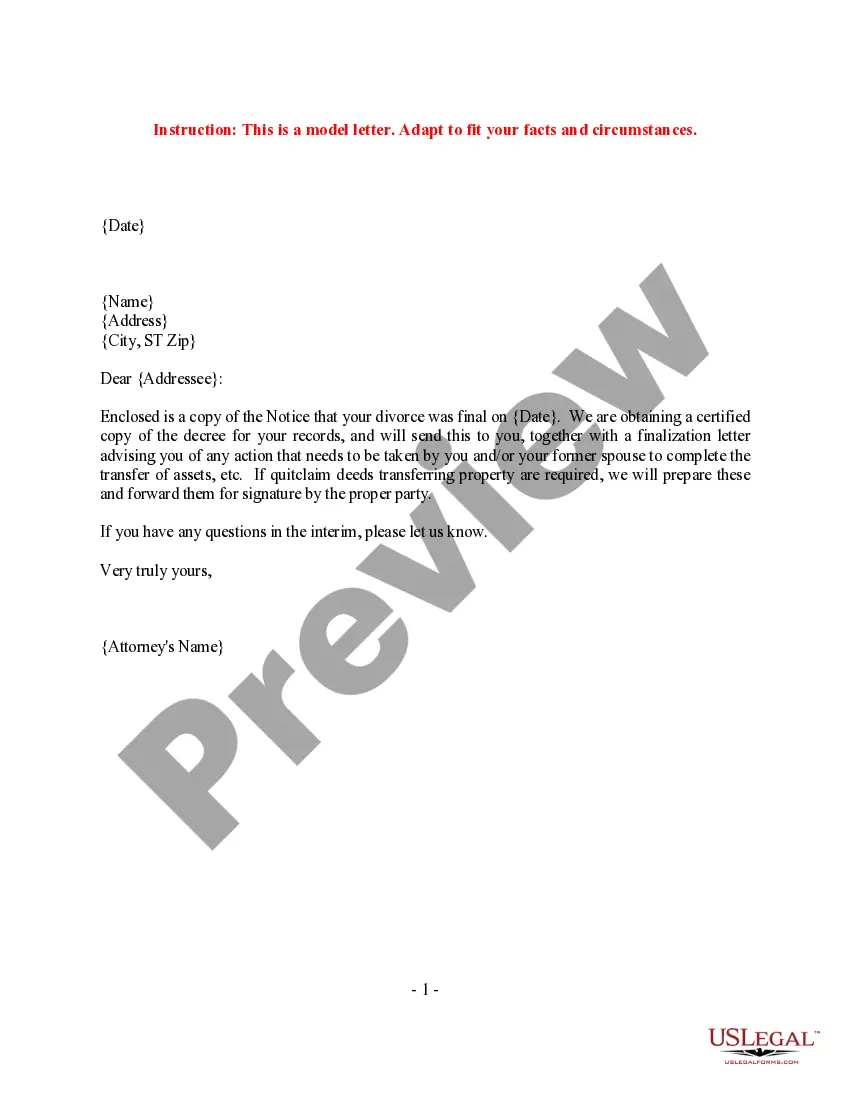
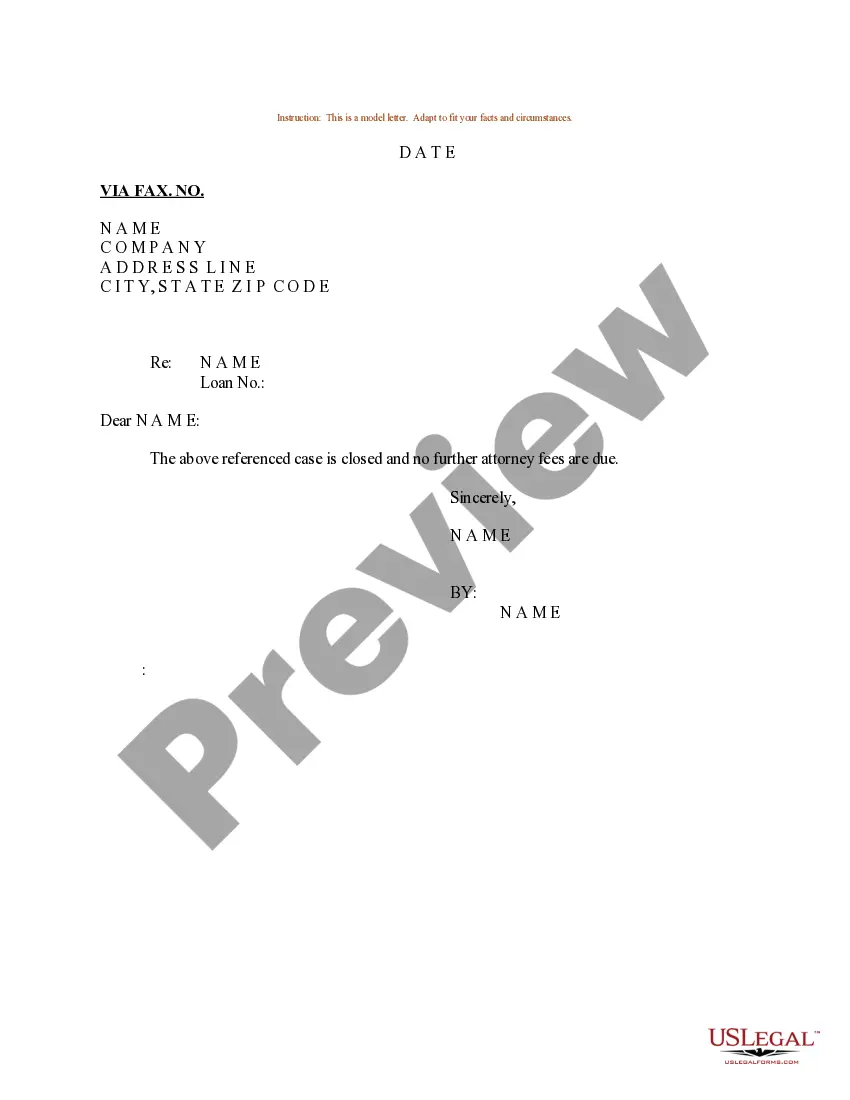
Get your form ready online
Our built-in tools help you complete, sign, share, and store your documents in one place.
Make edits, fill in missing information, and update formatting in US Legal Forms—just like you would in MS Word.
Download a copy, print it, send it by email, or mail it via USPS—whatever works best for your next step.
Sign and collect signatures with our SignNow integration. Send to multiple recipients, set reminders, and more. Go Premium to unlock E-Sign.
If this form requires notarization, complete it online through a secure video call—no need to meet a notary in person or wait for an appointment.
We protect your documents and personal data by following strict security and privacy standards.

Make edits, fill in missing information, and update formatting in US Legal Forms—just like you would in MS Word.

Download a copy, print it, send it by email, or mail it via USPS—whatever works best for your next step.

Sign and collect signatures with our SignNow integration. Send to multiple recipients, set reminders, and more. Go Premium to unlock E-Sign.

If this form requires notarization, complete it online through a secure video call—no need to meet a notary in person or wait for an appointment.

We protect your documents and personal data by following strict security and privacy standards.
Looking for another form?





Form popularity
FAQ
Use this easy to remember 6 part structure. Dear ..... Paragraph 1: Purpose – why you are writing. Paragraph 2: Write about 1st bullet point. Paragraph 3: Write about 2nd bullet point. Paragraph 4: Write about 3rd bullet point. Signoff.
IELTS Academic Reading Scores Number of correct answers (Raw Score)IELTS Academic Reading Band Score 38-37 8.5 36-35 8 34-33 7.5 32-30 710 more rows
Each section of the IELTS exam (reading, listening, speaking and writing) will give you a score between 0-9 and then calculated together to give you an overall score. If you receive an overall score of 8.25 or 8.75 your score will be rounded up to the nearest half band or full band. 8.25 becomes 8.5 and 8.75 becomes 9.
Band scores of 8.5 and higher are recognised as C2. Band 8 is borderline.
Simple 6 Part Structure 1) Dear ..... 2) Paragraph 1: Purpose – why you are writing. 3) Paragraph 2: Write about 1st bullet point. 4) Paragraph 3: Write about 2nd bullet point. 5) Paragraph 4: Write about 3rd bullet point. 6) Signoff.
Tips to score well in the IELTS Writing test In Academic Writing, you must always keep to the topic set. Never try to prepare sections of text before the exam. Keep to the suggested timing: there are more marks possible for Task 2 than Task 1.
Tips for IELTS General Task 1 Identify the type of letter you are being asked to write. Identify the purpose of the letter. Open and close the letter correctly. Start the letter appropriately. Learn and use standard written phrases. Spell commonly used words correctly. Divide your letter into paragraphs.
Writing Write task 1 and task 2 every day. Analyse your mistakes. Work on your weaknesses. Read band 9 essays and compare them to the answers that you have written. Check each sentence for mistakes as you write your IELTS essays. Give yourself 3-5 minutes at the end of the writing test to check over your writing.
Here we've gathered top 10 IELTS Speaking tips to increase your IELTS Speaking score: Be fluent and liberated. Speak fluently and spontaneously. Practise answering sample questions. Ask the question again if you need to. Be emotional! ... Extend your speech. Be coherent. Give yourself time to think. Made a mistake?
Salutation: Start with a friendly greeting. - Example: ``Dear (Friend's Name),'' Opening Paragraph: State the purpose of your letter right away. - Example: ``I hope this letter finds you well. I wanted to write to you about...'' Main Body: - Paragraph 1: Provide details related to the purpose of your letter.

