Sample Letter With 3 Signatures In Los Angeles
Description

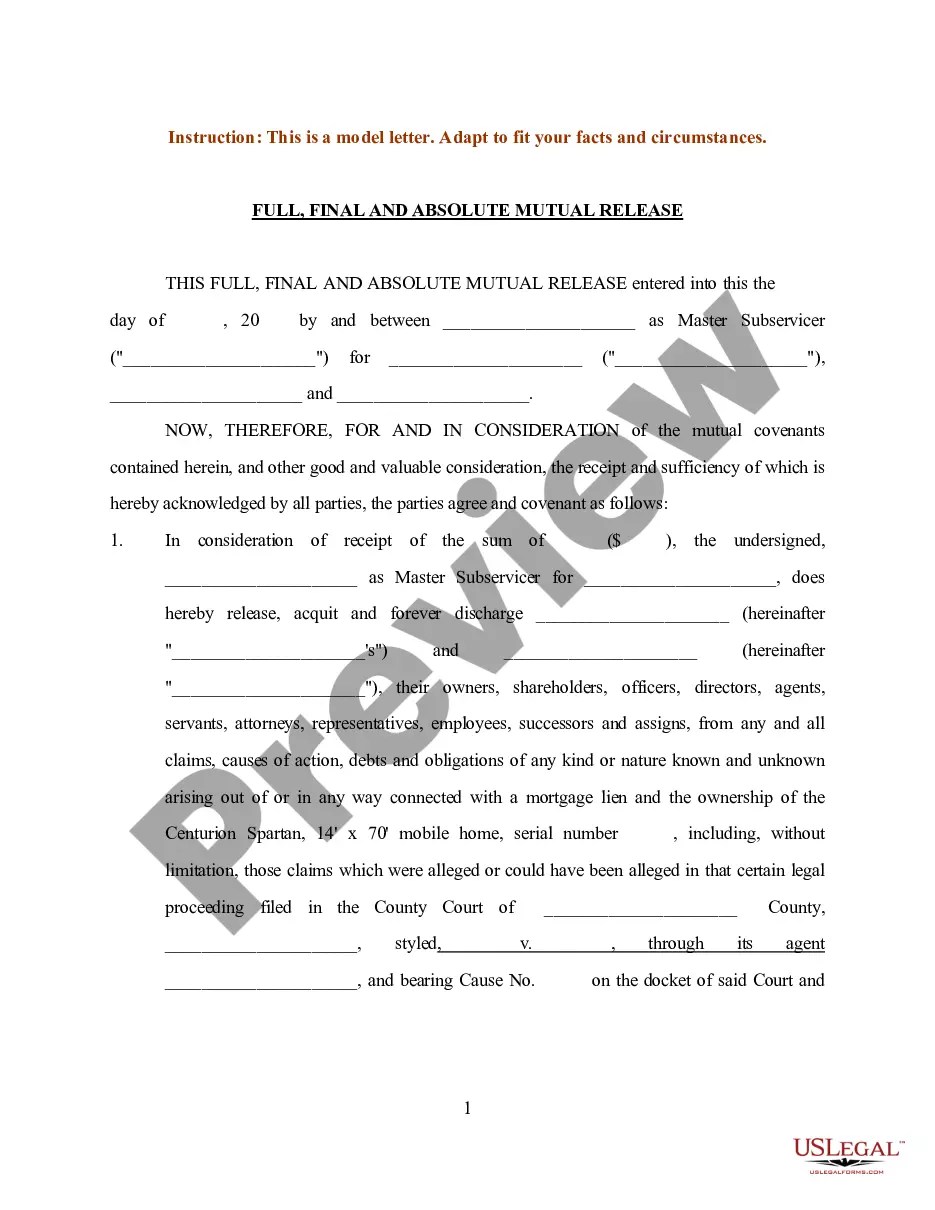
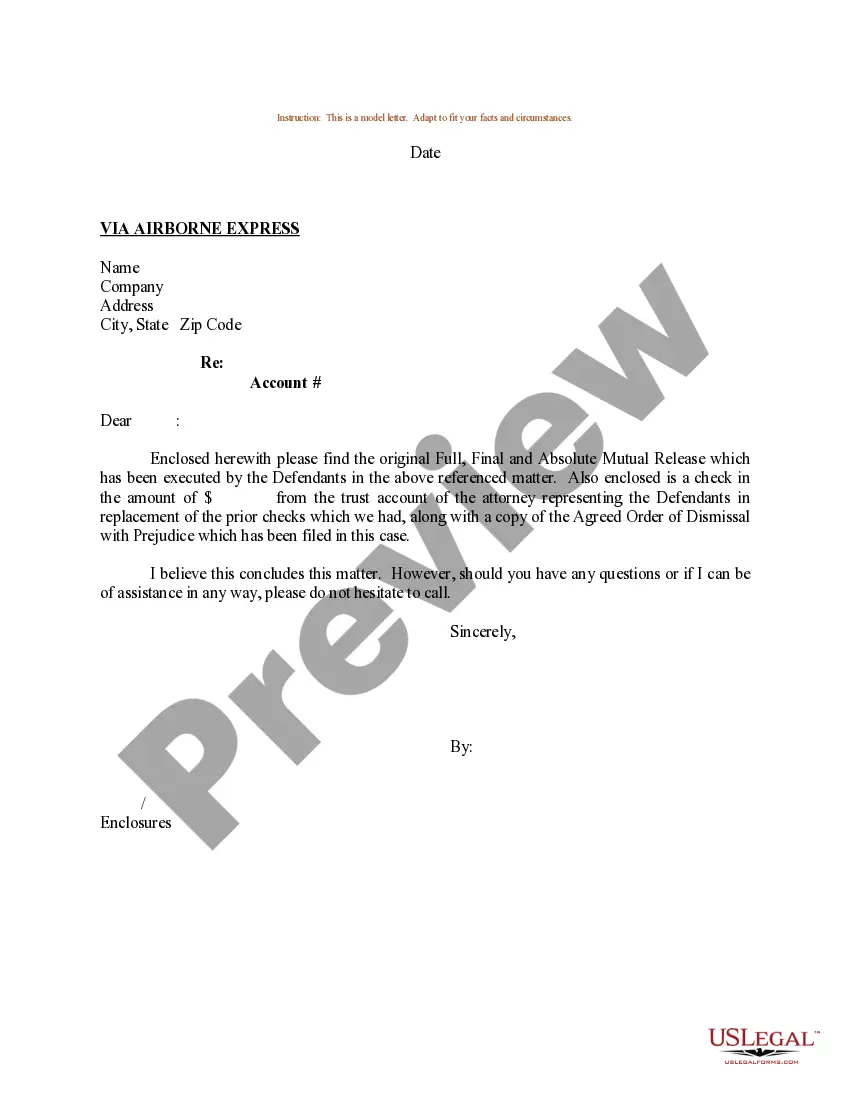
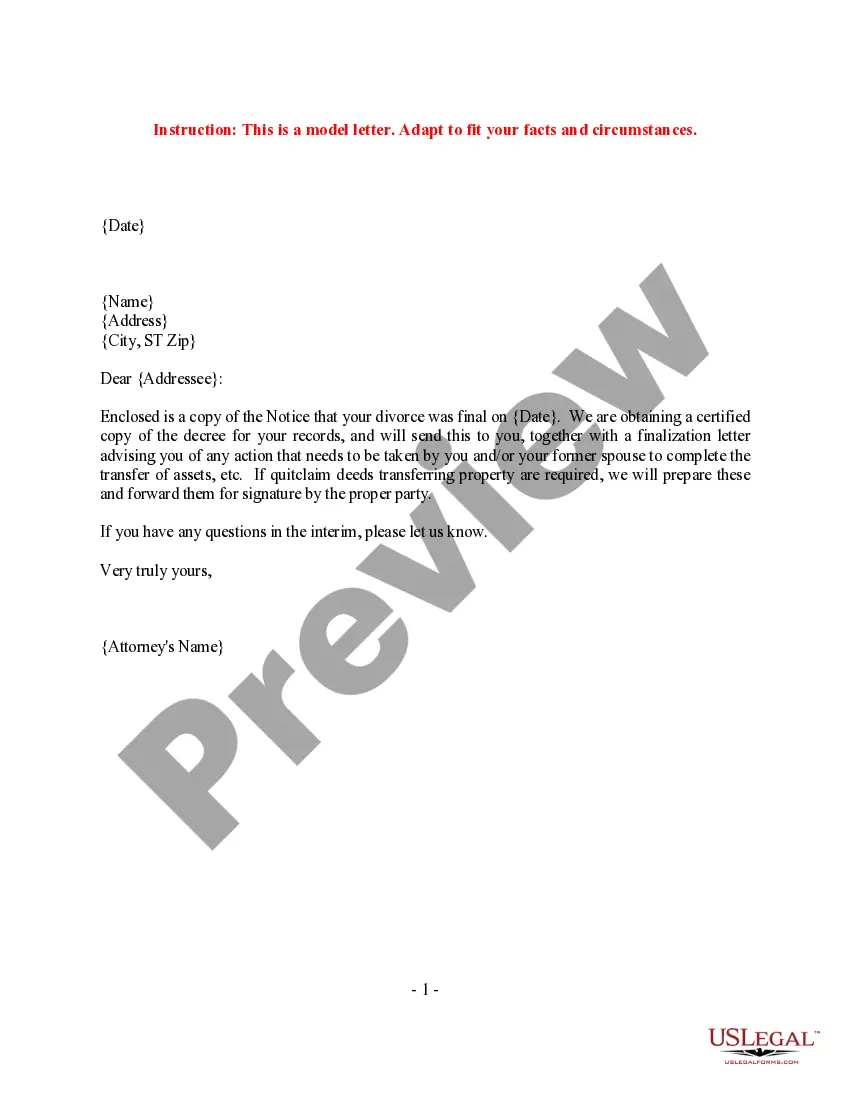
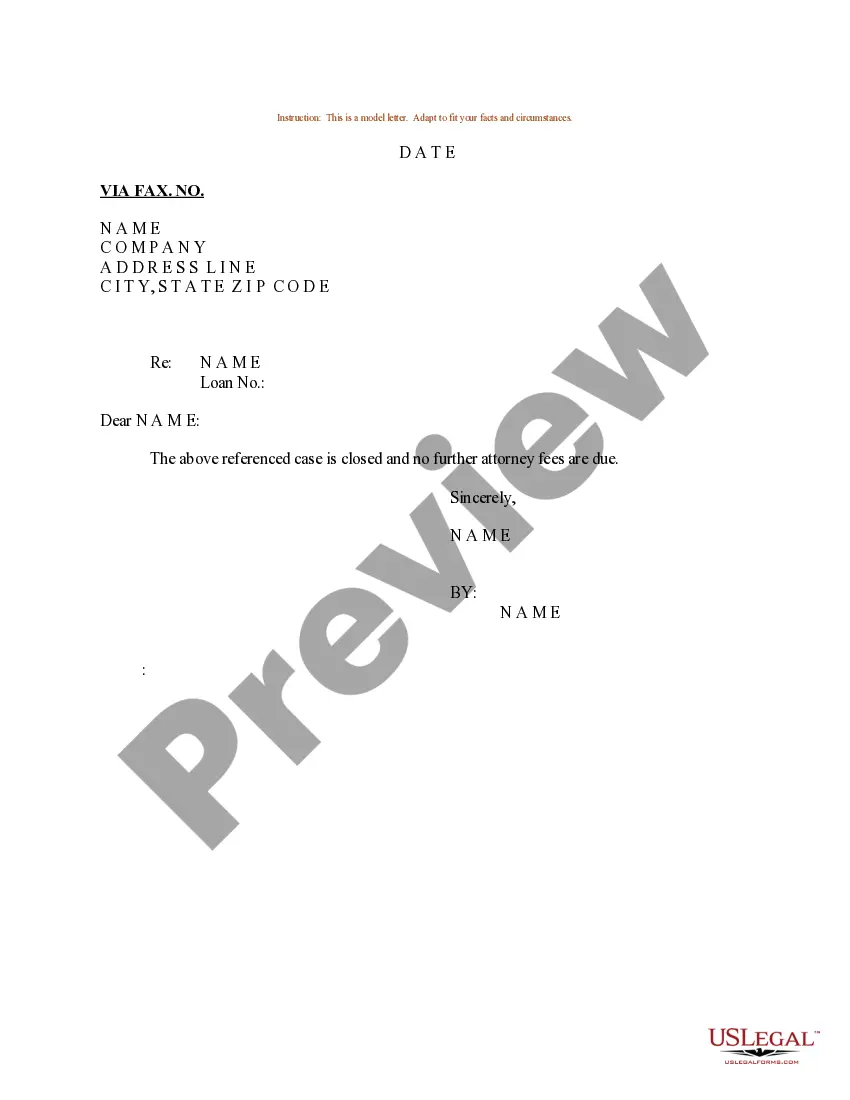
Get your form ready online
Our built-in tools help you complete, sign, share, and store your documents in one place.
Make edits, fill in missing information, and update formatting in US Legal Forms—just like you would in MS Word.
Download a copy, print it, send it by email, or mail it via USPS—whatever works best for your next step.
Sign and collect signatures with our SignNow integration. Send to multiple recipients, set reminders, and more. Go Premium to unlock E-Sign.
If this form requires notarization, complete it online through a secure video call—no need to meet a notary in person or wait for an appointment.
We protect your documents and personal data by following strict security and privacy standards.

Make edits, fill in missing information, and update formatting in US Legal Forms—just like you would in MS Word.

Download a copy, print it, send it by email, or mail it via USPS—whatever works best for your next step.

Sign and collect signatures with our SignNow integration. Send to multiple recipients, set reminders, and more. Go Premium to unlock E-Sign.

If this form requires notarization, complete it online through a secure video call—no need to meet a notary in person or wait for an appointment.

We protect your documents and personal data by following strict security and privacy standards.
Looking for another form?







Form popularity
FAQ
The most common layout of a business letter is known as block format. Using this format, the entire letter is left justified and single spaced except for a double space between paragraphs. Another widely utilized format is known as modified block format.
“Sincerely,” “Regards,” and “Appreciatively” are all appropriate closings for formal letters. “Take care,” “Have a good day,” and “Thanks!” work for a more informal approach.
Include something like: Respectfully, Respectfully yours, Sincerely, Best wishes, All the best, Warm regards, Consider to whom you're writing. Consider the purpose of the letter.
You can create two sections for signatures below your valediction. Leave a space for the first person's signature and put their name and job title directly underneath this space. Repeat the process for the second person's name. Print your document and have each individual sign their name in the empty space.
For the salutation, “Dear name:” is most common, although some writers choose to omit “Dear.” Do your best to identify the name of the person to whom you're sending the letter; “To Whom It May Concern” is outdated. If you don't know the name, you can use the person's title (e.g., “Dear Hiring Manager”).
The format of an authorization letter should include the date, the name of the person to whom it is addressed, details about the person who has been authorized (such as name and identity proof), the reason for his absence, the duration of the authorized letter, and the action to be performed by another person.
If you used a specific name in the salutation, use a formal sign-off, such as Sincerely, Respectfully, or Yours truly, followed by a comma. If you used a generic salutation, use a more neutral sign-off, such as Best regards, Kind regards, or Thank you, followed by a comma.
At the end of the letter, place your signature on the right side of the page. Don't forget to provide any relay information if necessary. When writing a letter using simplified style form, put the date on the left. Then, put the receiver's name, and his/her title, company name, and address.
How to write a signature Decide what you want your signature to convey. Analyze the letters in your name. Determine what parts of your name you want to include. Experiment with different styles. Think outside of the box. Choose your favorite signature.

