Sample Letter To Irs For Audit Reconsideration In Los Angeles
Description

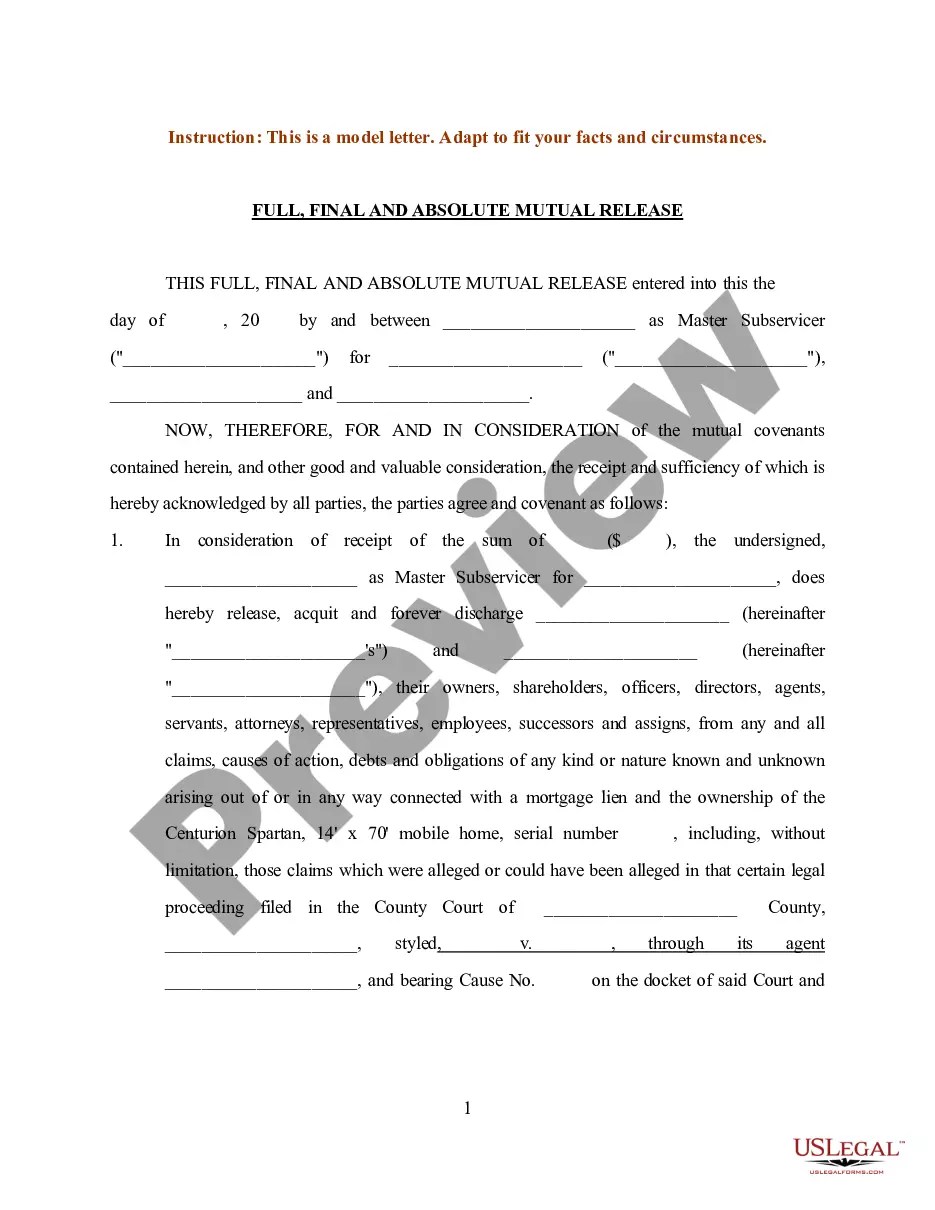
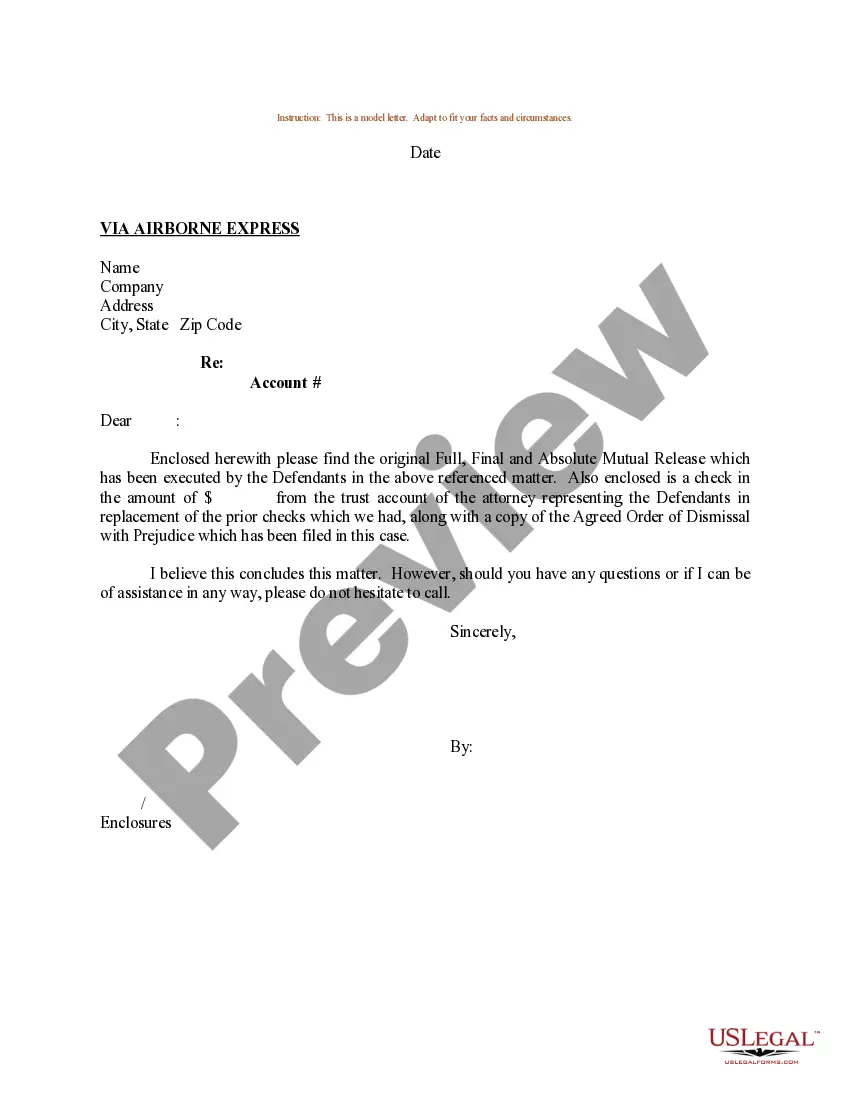
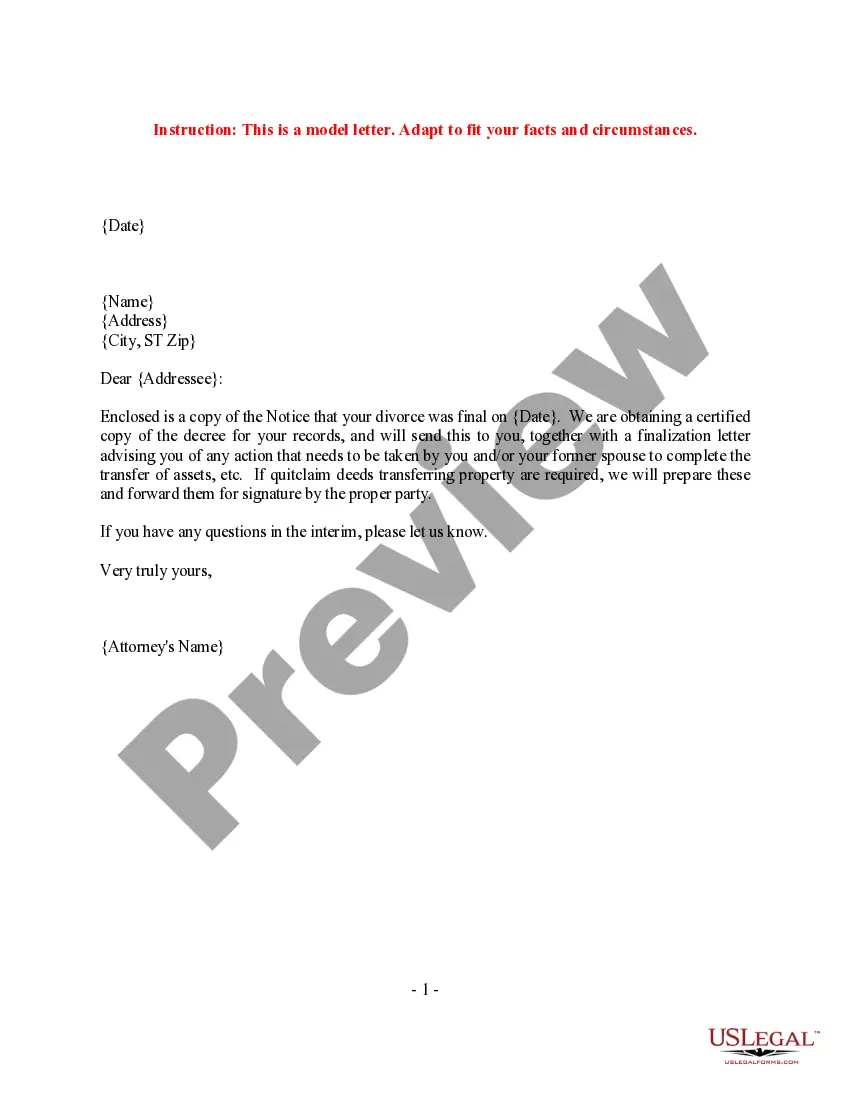
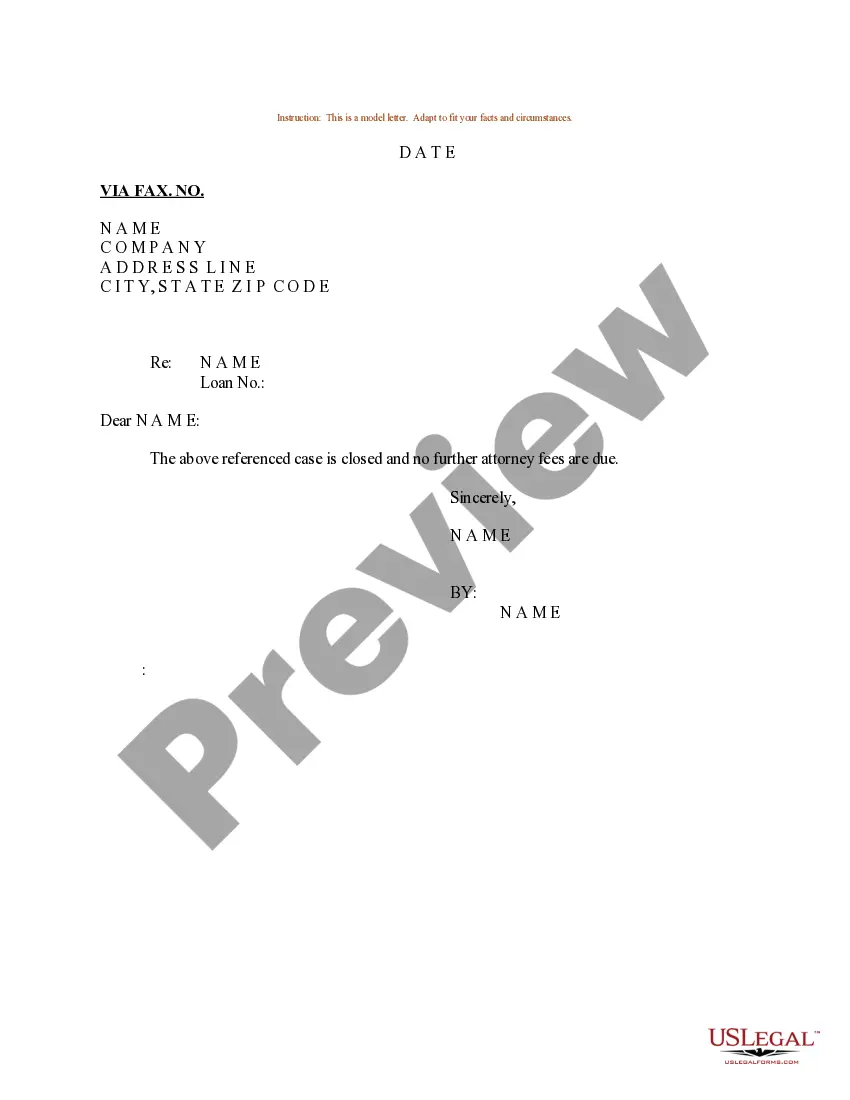
Get your form ready online
Our built-in tools help you complete, sign, share, and store your documents in one place.
Make edits, fill in missing information, and update formatting in US Legal Forms—just like you would in MS Word.
Download a copy, print it, send it by email, or mail it via USPS—whatever works best for your next step.
Sign and collect signatures with our SignNow integration. Send to multiple recipients, set reminders, and more. Go Premium to unlock E-Sign.
If this form requires notarization, complete it online through a secure video call—no need to meet a notary in person or wait for an appointment.
We protect your documents and personal data by following strict security and privacy standards.

Make edits, fill in missing information, and update formatting in US Legal Forms—just like you would in MS Word.

Download a copy, print it, send it by email, or mail it via USPS—whatever works best for your next step.

Sign and collect signatures with our SignNow integration. Send to multiple recipients, set reminders, and more. Go Premium to unlock E-Sign.

If this form requires notarization, complete it online through a secure video call—no need to meet a notary in person or wait for an appointment.

We protect your documents and personal data by following strict security and privacy standards.
Looking for another form?

Form popularity
FAQ
Here are the key steps to respond to an IRS audit letter: Include your tax ID number, full name, contact information, and the name of the IRS officer handling your case. Address all issues mentioned in the IRS audit letter and provide the requested documentation. Request a meeting with the IRS to resolve the matter.
The letter's formatting and language should be professional, with no typos, grammatical errors, or strange fonts. It should address you by name and refer to details specific to your tax situation, such as your Social Security number and tax years. IRS scammers won't have access to this kind of information.
You don't need to complete a special form – just a letter explaining your request for audit reconsideration. Be clear about which changes you want the IRS to consider. You should provide: A copy of your audit report (IRS Form 4549, Income Tax Examination Changes), if available.
Your letter should include your full name, social security number (SSN), contact information, and the tax period or year in question.
The following should be provided in the protest: Taxpayer's name and address, and a daytime telephone number. A statement that taxpayer wants to appeal the IRS findings to the Appeals Office. A copy of the letter proposed tax adjustment. The tax periods or years involved.
Responding to a Request for Information Format a business letter. Add the IRS address. Include your personal information. Insert your salutation. Include a copy of the notice you received from the IRS. Identify the information you are providing. Close the letter on a friendly note. Identify any enclosures.
IRS Penalty Abatement Request Letter State the type of penalty you want removed. Include an explanation of the events and specific facts and circumstances of your situation, and explain how these events were outside of your control. Attach documents that will prove your case.
When requesting abatement of penalties for reasonable cause, your statement should include supporting documentation and address the following items: The reason the penalty was charged. The daily delinquency penalty may be charged for either a late filed return, an incomplete return, or both.
Content and Tone Opening Statement. The first sentence or two should state the purpose of the letter clearly. Be Factual. Include factual detail but avoid dramatizing the situation. Be Specific. Documentation. Stick to the Point. Do Not Try to Manipulate the Reader. How to Talk About Feelings. Be Brief.

