Sample Letter To Irs Audit In Fulton
Description
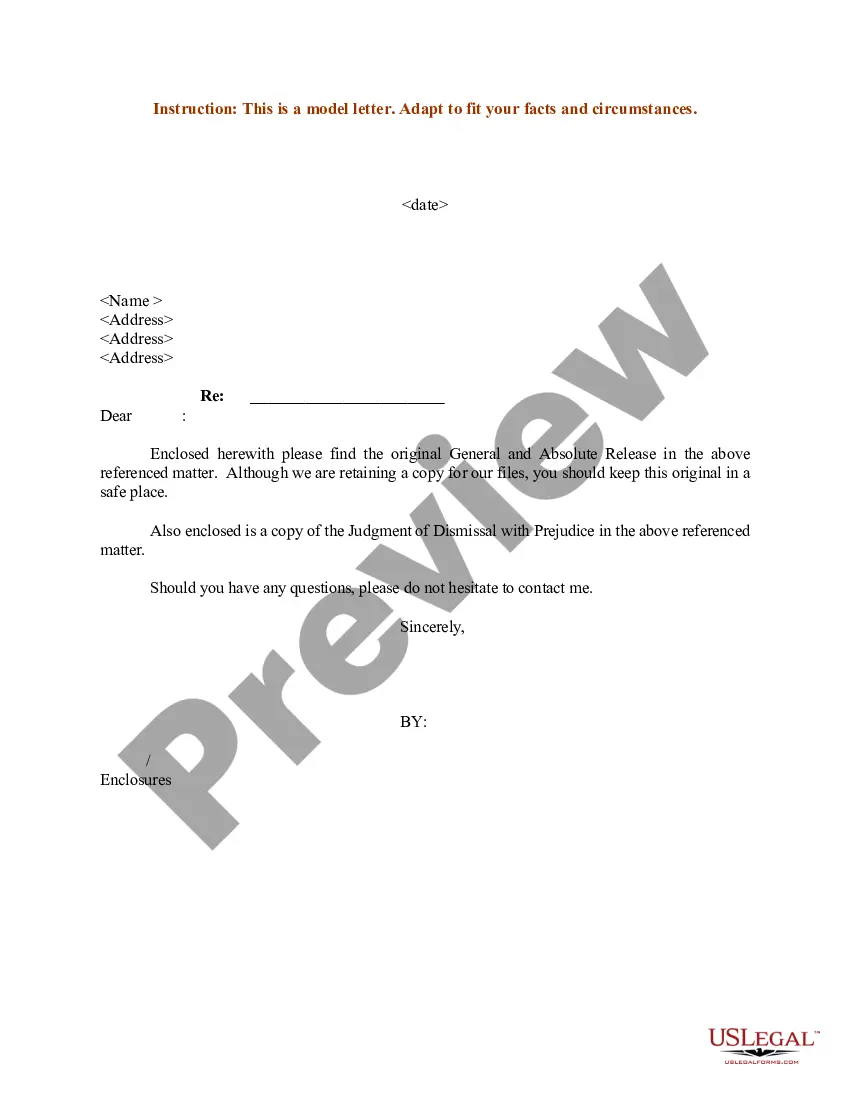
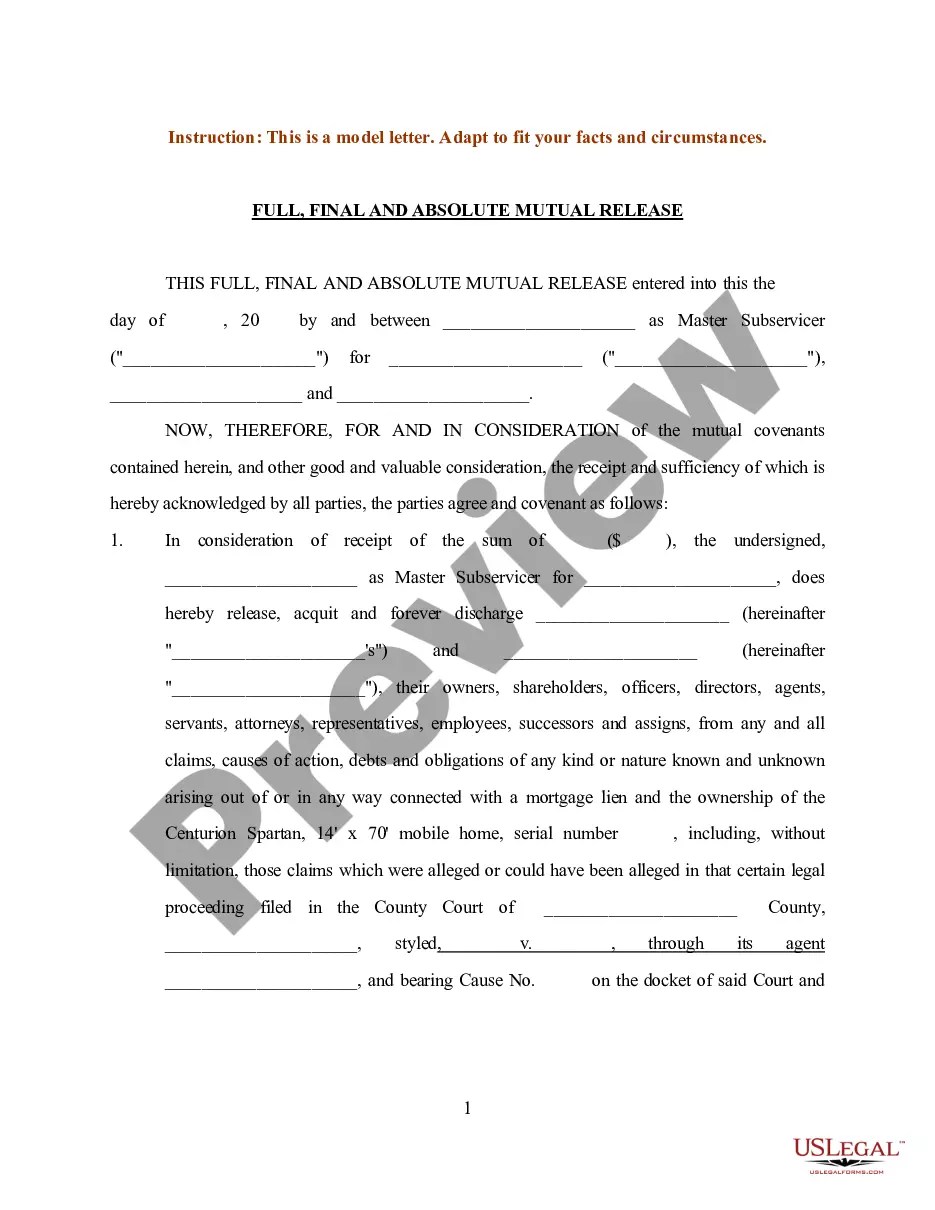
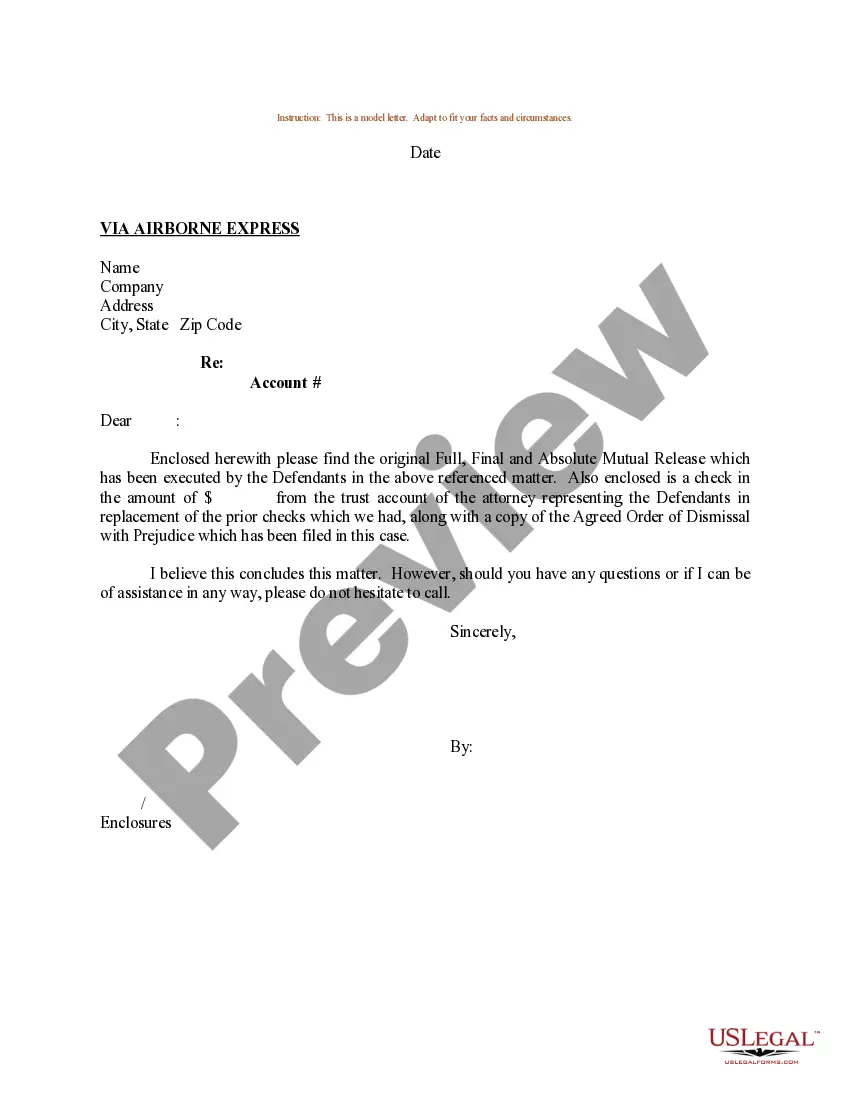
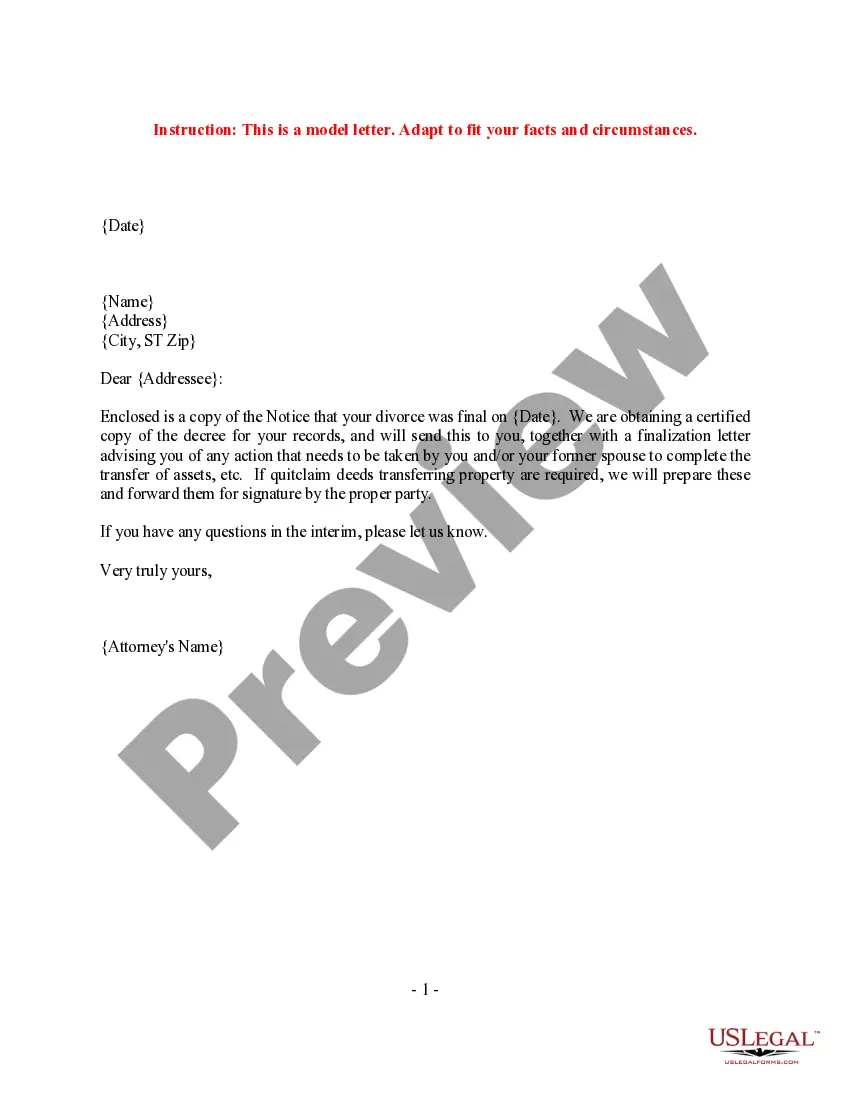
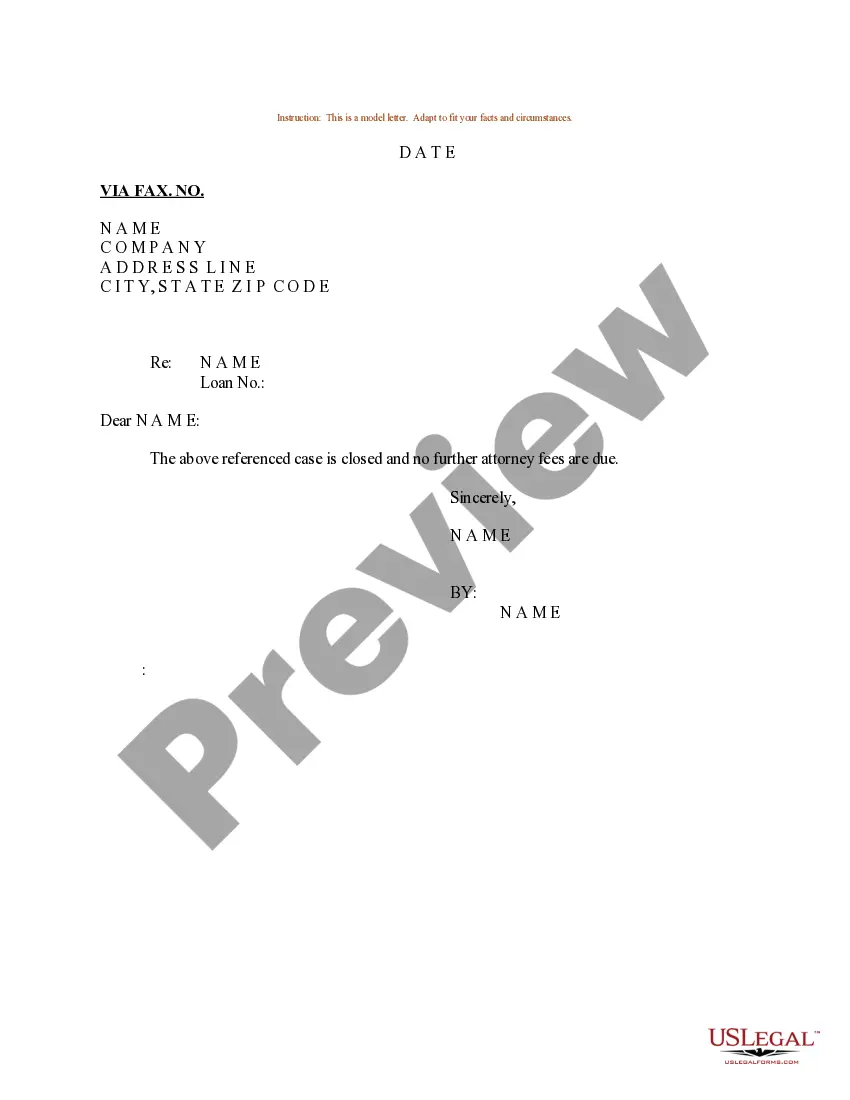
Get your form ready online
Our built-in tools help you complete, sign, share, and store your documents in one place.
Make edits, fill in missing information, and update formatting in US Legal Forms—just like you would in MS Word.
Download a copy, print it, send it by email, or mail it via USPS—whatever works best for your next step.
Sign and collect signatures with our SignNow integration. Send to multiple recipients, set reminders, and more. Go Premium to unlock E-Sign.
If this form requires notarization, complete it online through a secure video call—no need to meet a notary in person or wait for an appointment.
We protect your documents and personal data by following strict security and privacy standards.

Make edits, fill in missing information, and update formatting in US Legal Forms—just like you would in MS Word.

Download a copy, print it, send it by email, or mail it via USPS—whatever works best for your next step.

Sign and collect signatures with our SignNow integration. Send to multiple recipients, set reminders, and more. Go Premium to unlock E-Sign.

If this form requires notarization, complete it online through a secure video call—no need to meet a notary in person or wait for an appointment.

We protect your documents and personal data by following strict security and privacy standards.
Looking for another form?








Form popularity
FAQ
The IRS is a government agency and the audit letter is sent by certified mail. It is important to respond within the time frame indicated. Consulting with a tax professional is recommended to understand the specific issues and provide accurate information.
An IRS audit letter typically contains the taxpayer's name, tax ID number, contact information, and a request for additional documentation to support claims on the tax return. It may also include the name of the IRS officer handling the case and invite the taxpayer to a meeting.
Mail audits are usually quick and straightforward The IRS does these audits by mail, generally notifying taxpayers within seven months of filing. Mail audits usually wrap up within three to six months, depending on the issues involved and how quickly and completely you respond to the audit letter.
The Statute of Limitations In practice, you'll usually hear about any minor issues around seven months after filing a tax return or receive notice of a mail or field audit between one or two years after your tax return was due.
Your audit reconsideration letter should: Say that it is an audit reconsideration request. Identify the taxpayer, the tax period(s), the type of tax (such as income tax), and, if available, the name and contact information for the IRS auditor who previously worked the case. Explain the circumstances for the audit,
An IRS audit letter typically contains the taxpayer's name, tax ID number, contact information, and a request for additional documentation to support claims on the tax return. It may also include the name of the IRS officer handling the case and invite the taxpayer to a meeting.
Should your account be selected for audit, we will notify you by mail. We won't initiate an audit by telephone. Assistance is available to help you understand the letter/notice received: Understanding your IRS notice or letter.
A correspondence audit is handled via letters, often asking for documents or clarifications on deductions. An office audit requires an in-person interview with the IRS. A field audit means an IRS agent may visit your home, business, or accountant's office for a more in-depth review.
Should your account be selected for audit, we will notify you by mail. We won't initiate an audit by telephone. Assistance is available to help you understand the letter/notice received: Understanding your IRS notice or letter.

