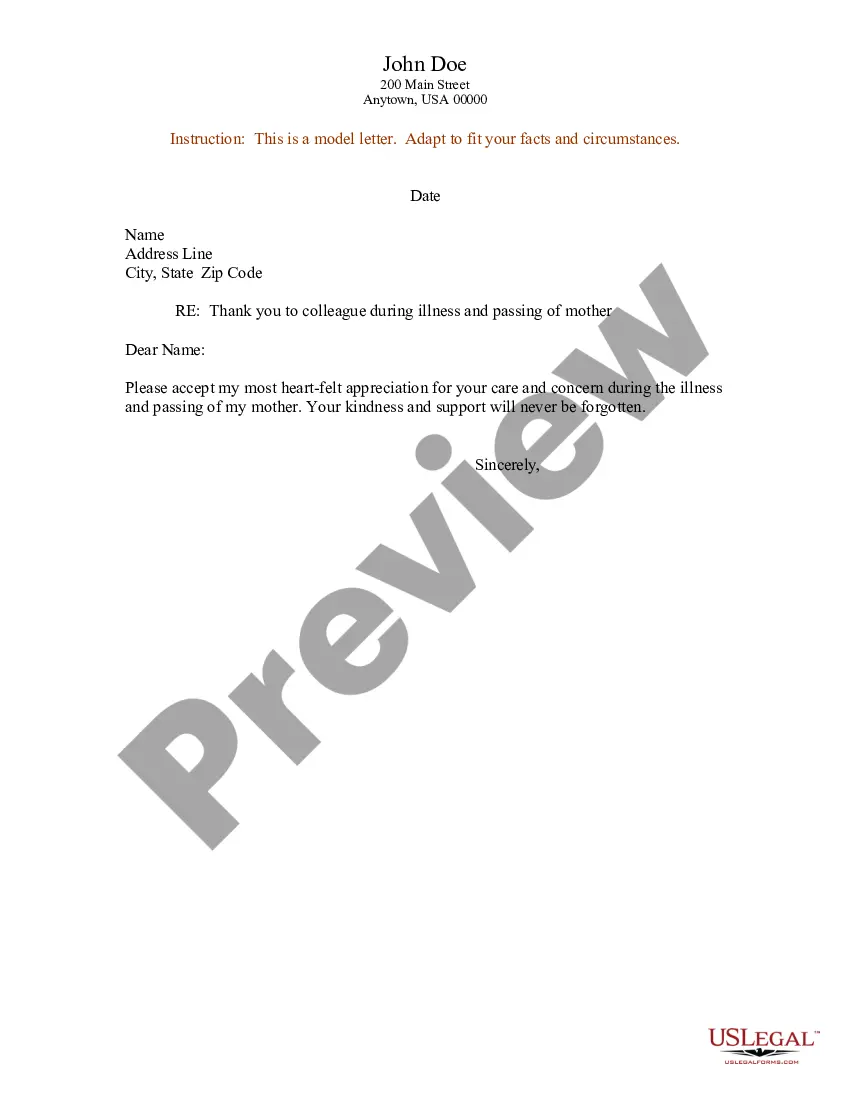
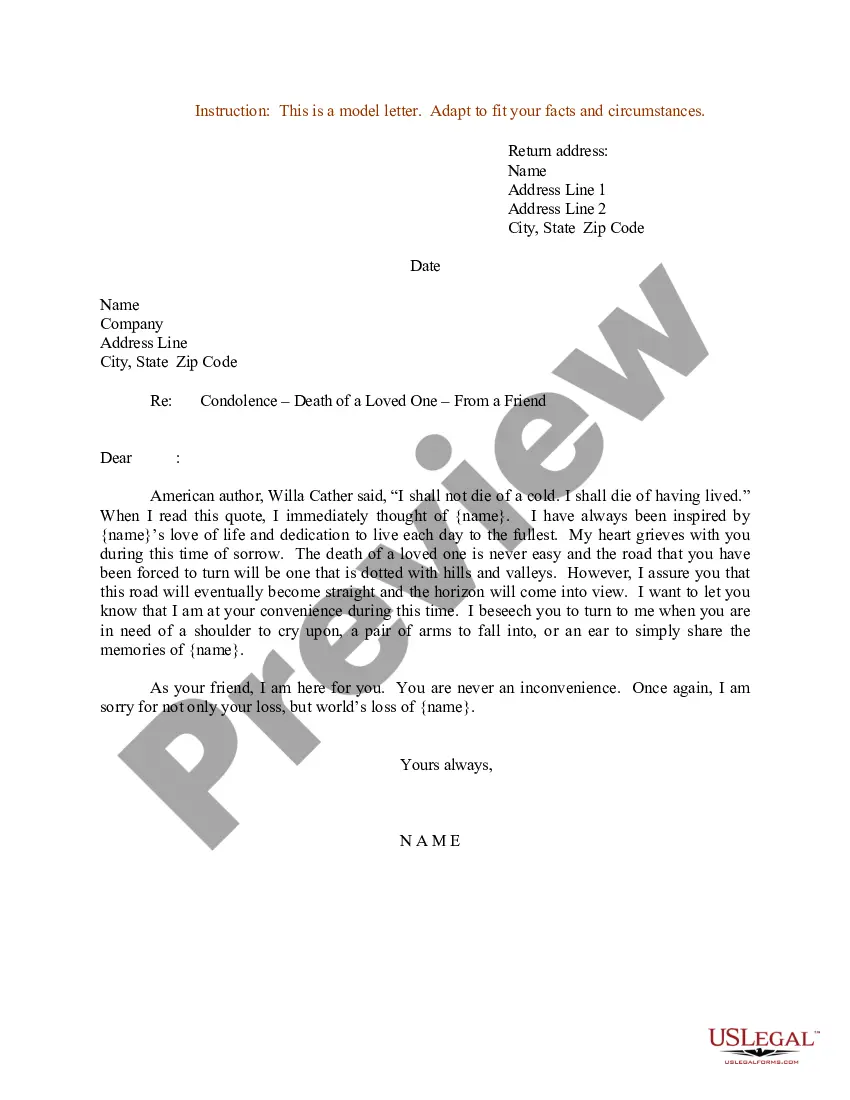
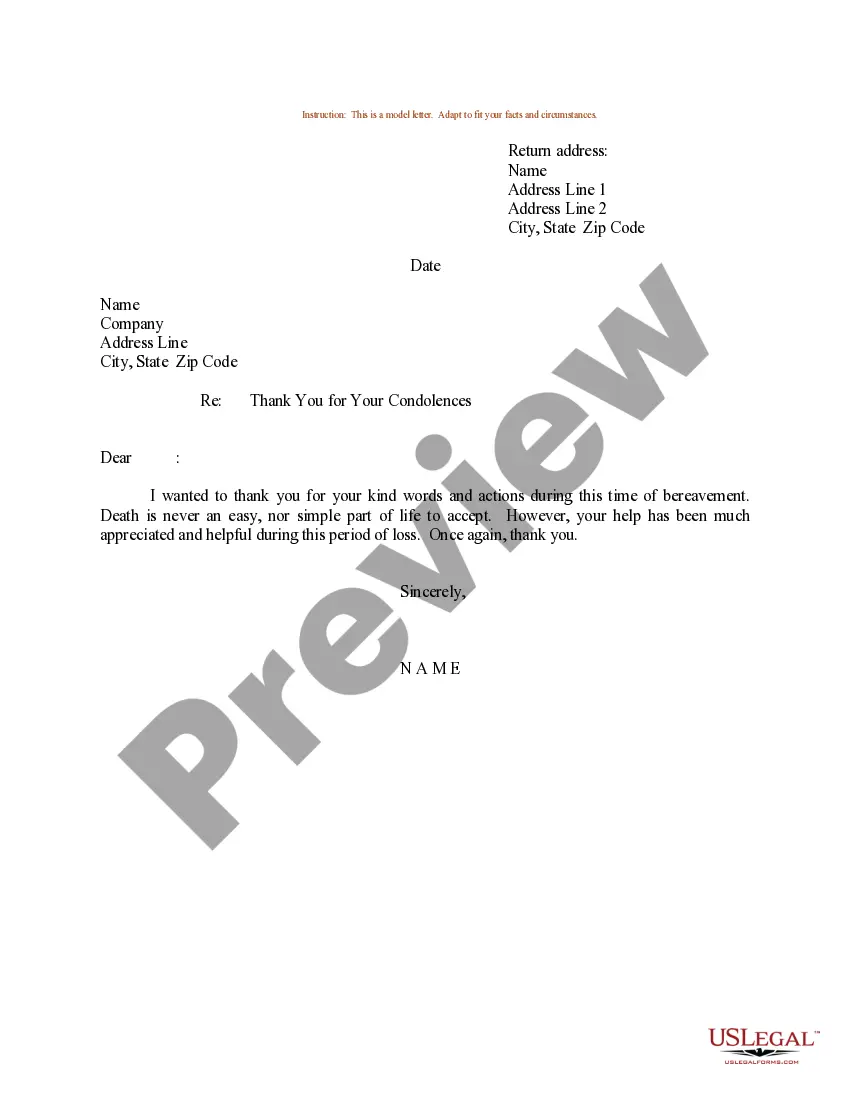
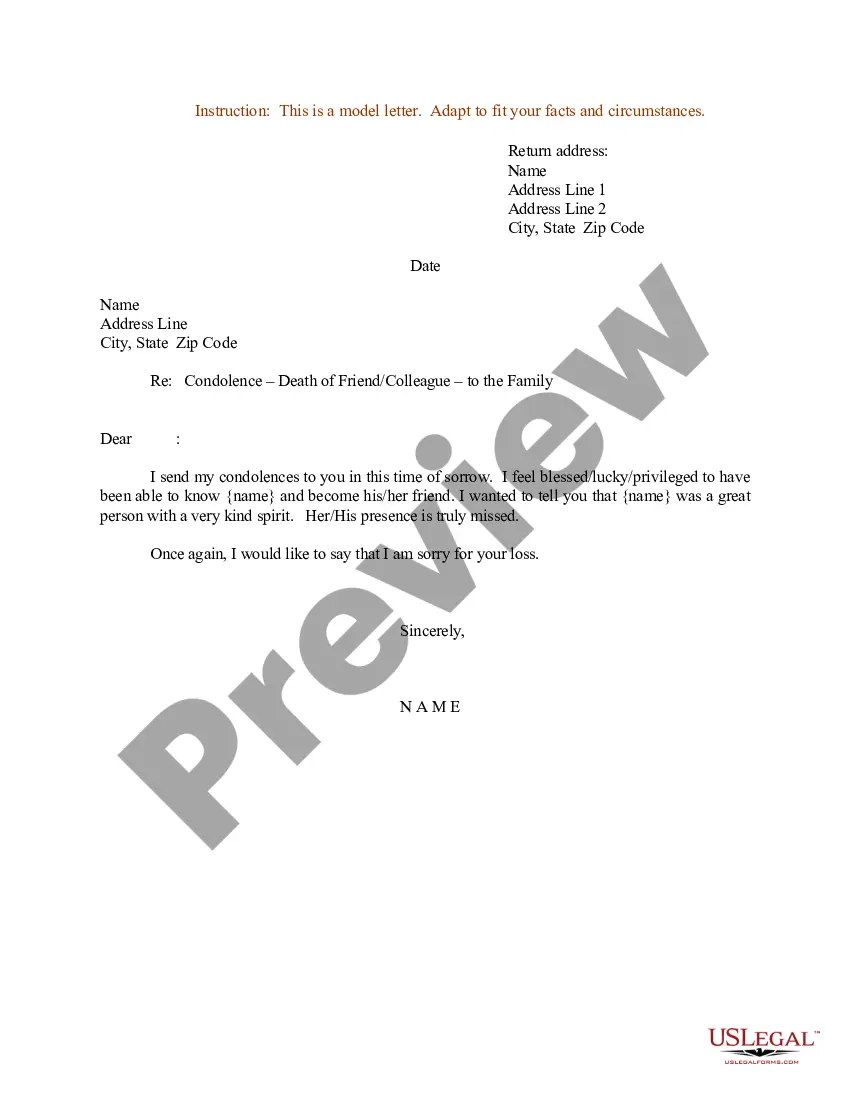
Condolences Letter To Boss In Pima
Description
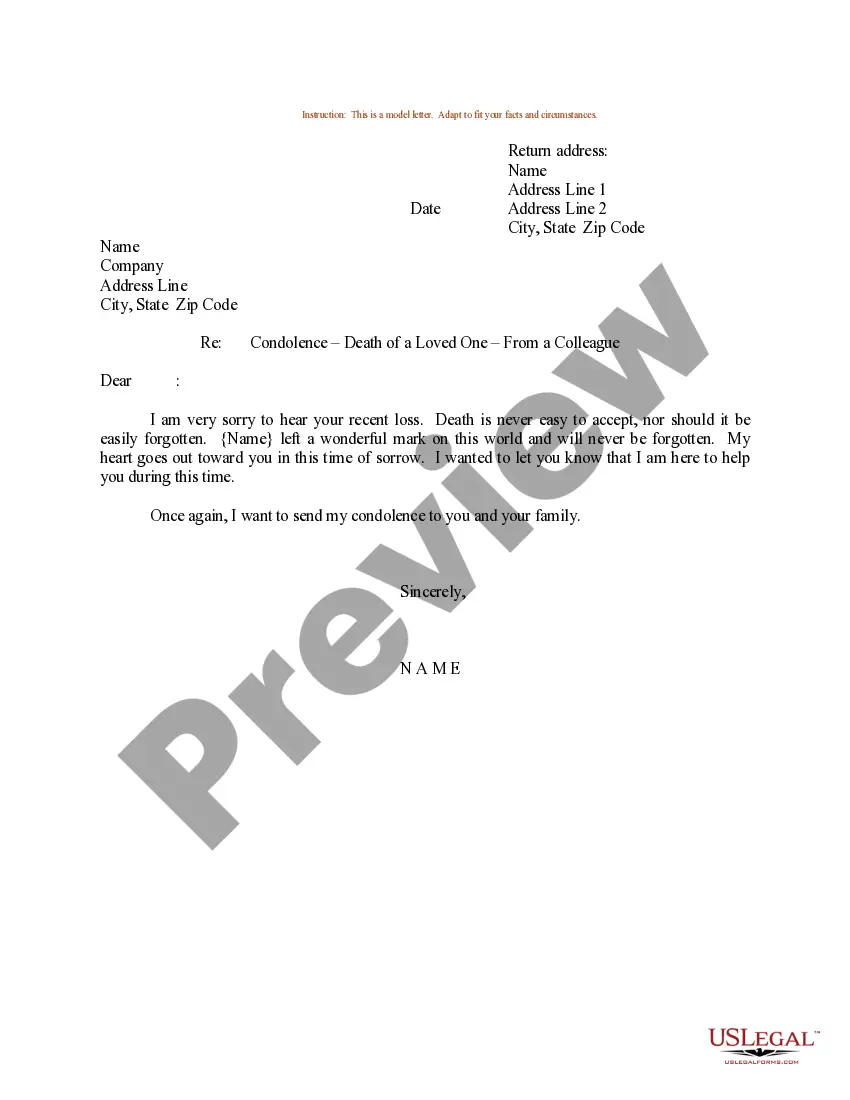
Get your form ready online
Our built-in tools help you complete, sign, share, and store your documents in one place.
Make edits, fill in missing information, and update formatting in US Legal Forms—just like you would in MS Word.
Download a copy, print it, send it by email, or mail it via USPS—whatever works best for your next step.
Sign and collect signatures with our SignNow integration. Send to multiple recipients, set reminders, and more. Go Premium to unlock E-Sign.
If this form requires notarization, complete it online through a secure video call—no need to meet a notary in person or wait for an appointment.
We protect your documents and personal data by following strict security and privacy standards.

Make edits, fill in missing information, and update formatting in US Legal Forms—just like you would in MS Word.

Download a copy, print it, send it by email, or mail it via USPS—whatever works best for your next step.

Sign and collect signatures with our SignNow integration. Send to multiple recipients, set reminders, and more. Go Premium to unlock E-Sign.

If this form requires notarization, complete it online through a secure video call—no need to meet a notary in person or wait for an appointment.

We protect your documents and personal data by following strict security and privacy standards.
Looking for another form?










Form popularity
FAQ
Short Condolence Message Professional Templates "I'm sorry for your loss. "Please accept my deepest condolences. "I'm always thinking of you and wishing you strength during this time of loss." "I'm so sorry for your loss. "My thoughts are with you. "Wishing you peace and comfort during this challenging time.
Short Condolence Message Professional Templates "I'm sorry for your loss. "Please accept my deepest condolences. "I'm always thinking of you and wishing you strength during this time of loss." "I'm so sorry for your loss. "My thoughts are with you. "Wishing you peace and comfort during this challenging time.
Simple condolence messages "With heartfelt condolences.” "Sending caring thoughts your way.” "I was so saddened to hear of your loss.” "So sorry for your loss.” "Thinking of you.” "Sent with love and remembrance of your loved one.” "With deepest condolences to the name family.”
“We offer you our deepest condolences.” “On behalf of the company, I offer you our warmest sympathies.” “We are so sorry about your loss. As we consider you a trusted client, please tell us if we can help in any way.”
“We offer you our deepest condolences.” “On behalf of the company, I offer you our warmest sympathies.” “We are so sorry about your loss. As we consider you a trusted client, please tell us if we can help in any way.”
Here are several examples to help you write something thoughtful and empathetic: I'm sorry for your loss. Please accept my deepest condolences for you and your family's loss. My heartfelt condolences to you and your family. I am truly sorry to hear about the loss of your father.
Some example messages would be, please know I am thinking of you during this painful time. We are all here for you. Or on behalf of our entire team, please accept our deepest sympathies. Or you could specifically mention the lost person.
You need to tell your line manager or HR team about a death if you need to take time off work. You may find it easier to send an email or text rather than speak on the phone or see them in person. Most employers will be supportive, and it can be useful for them to know how you're getting on.
Don't stress about the nitty-gritty details—what matters most is communicating with your boss and being honest about what you need. For example, you can say something like: “In ance with the company's bereavement leave policy, I'll be taking 5 days off to plan and prepare for my cousin's funeral.”