Syndication Agreement Template With Notary In Nevada
Description
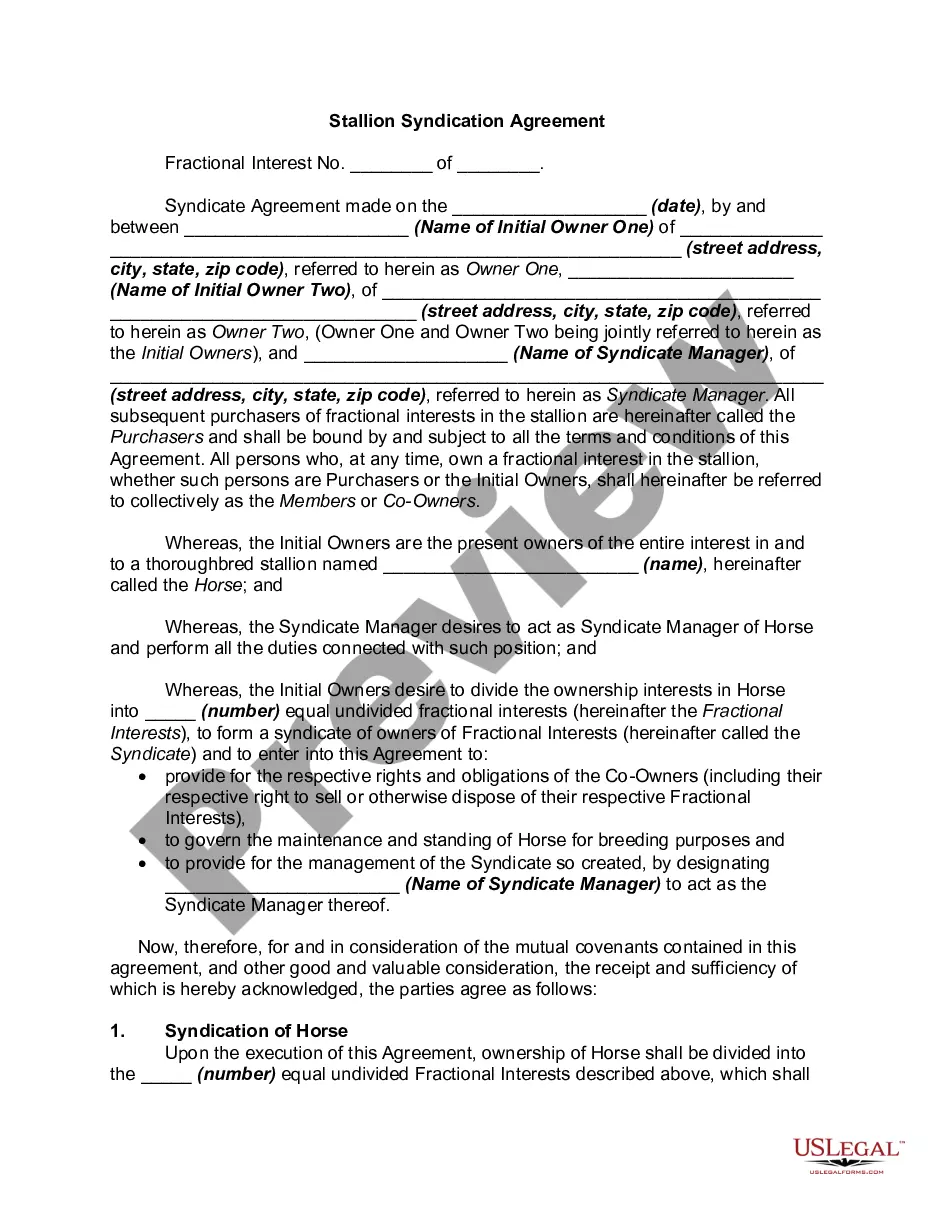
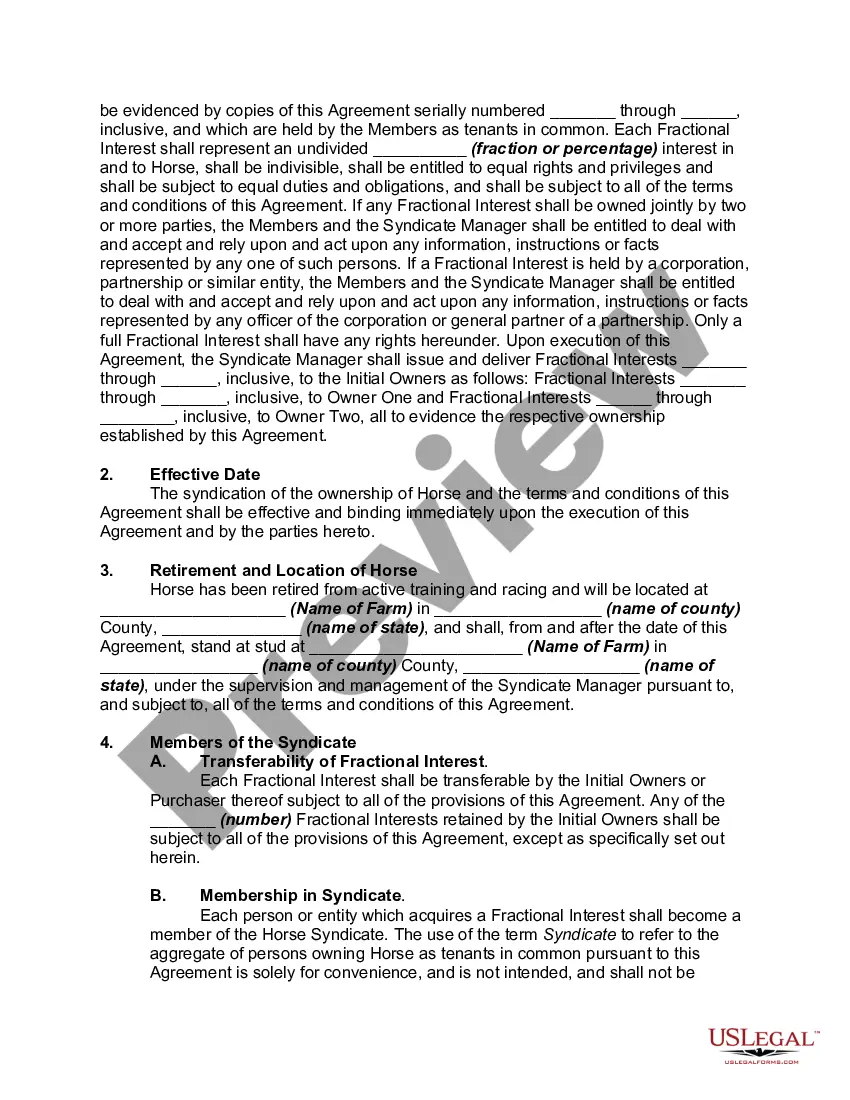
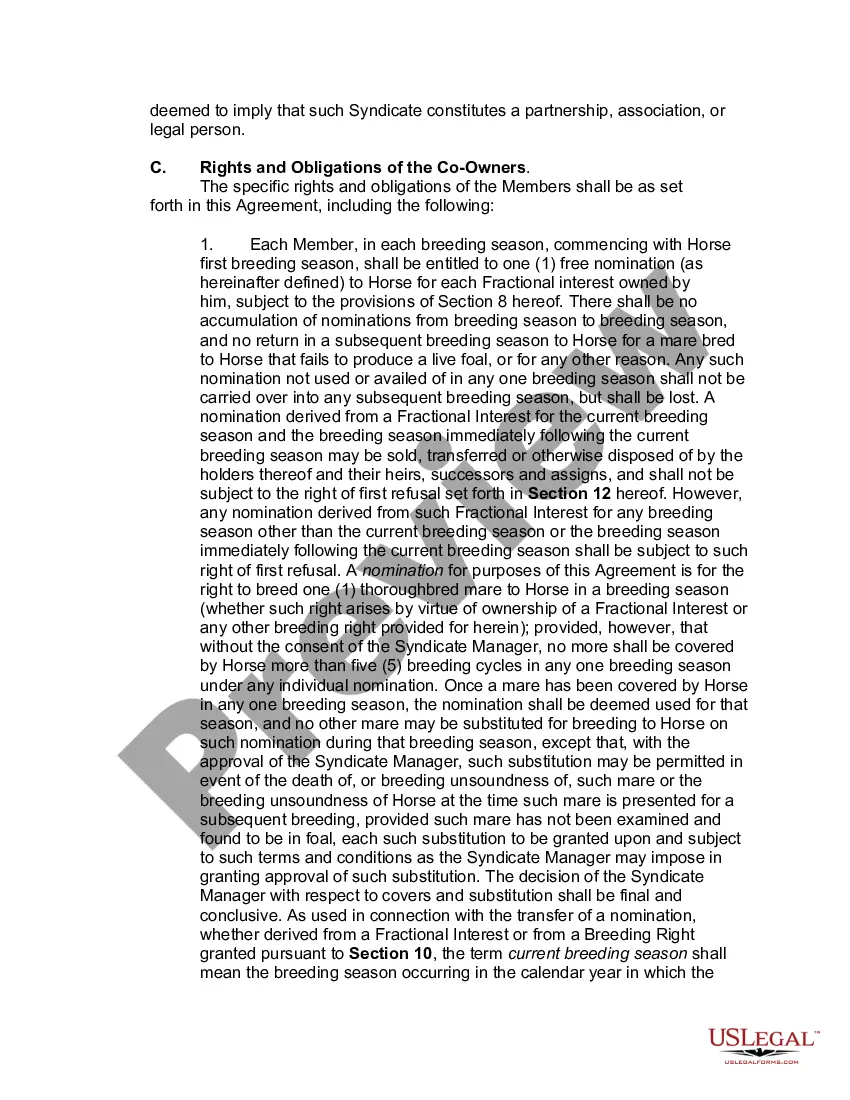
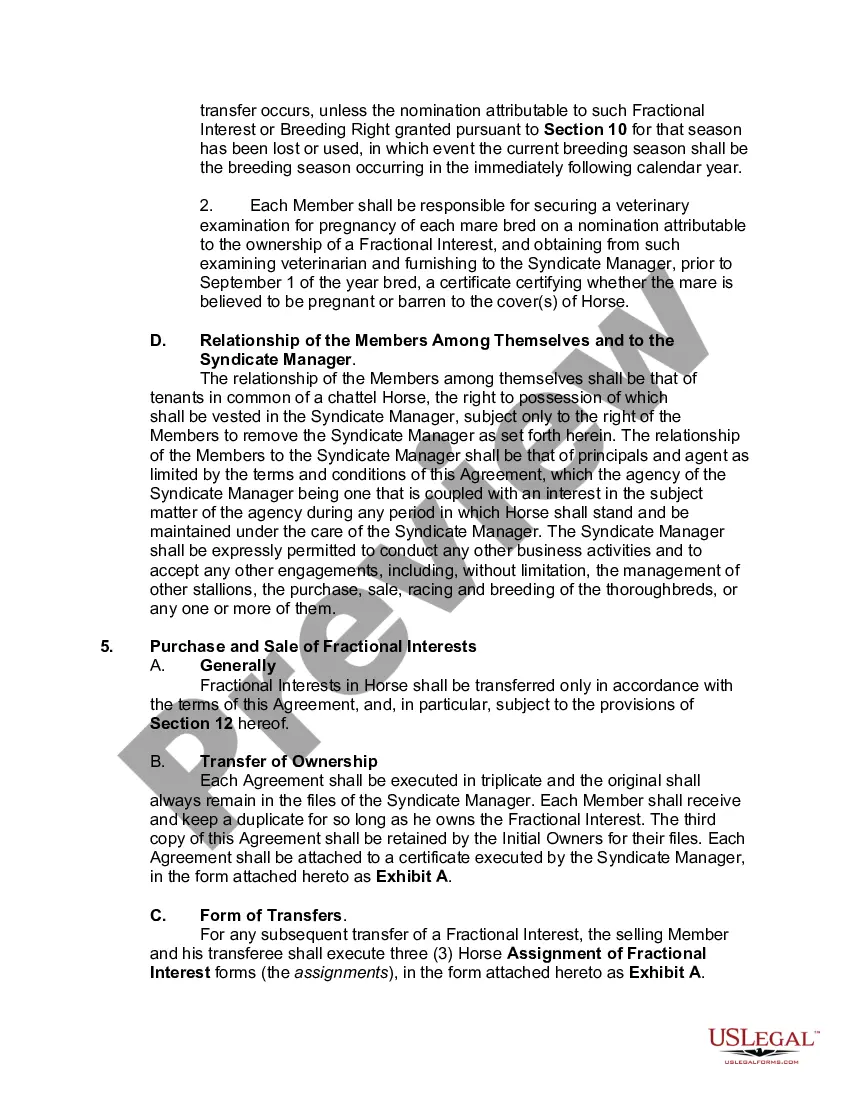
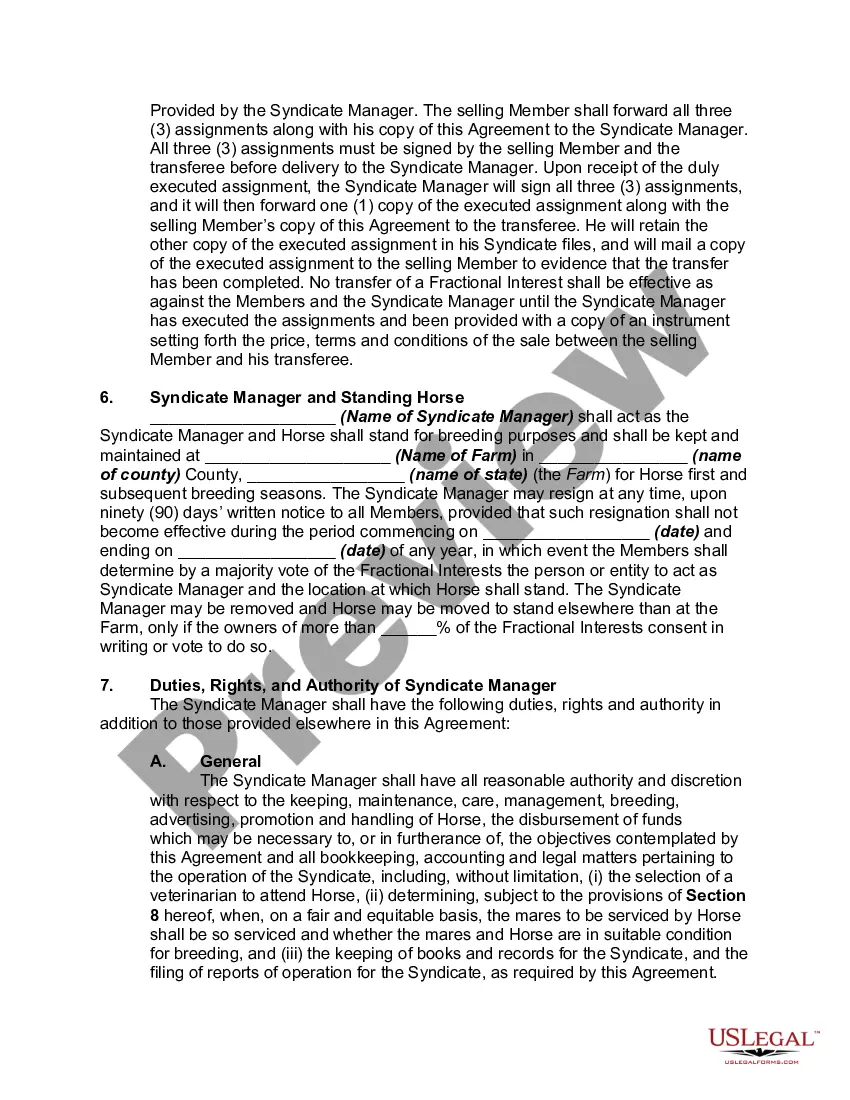
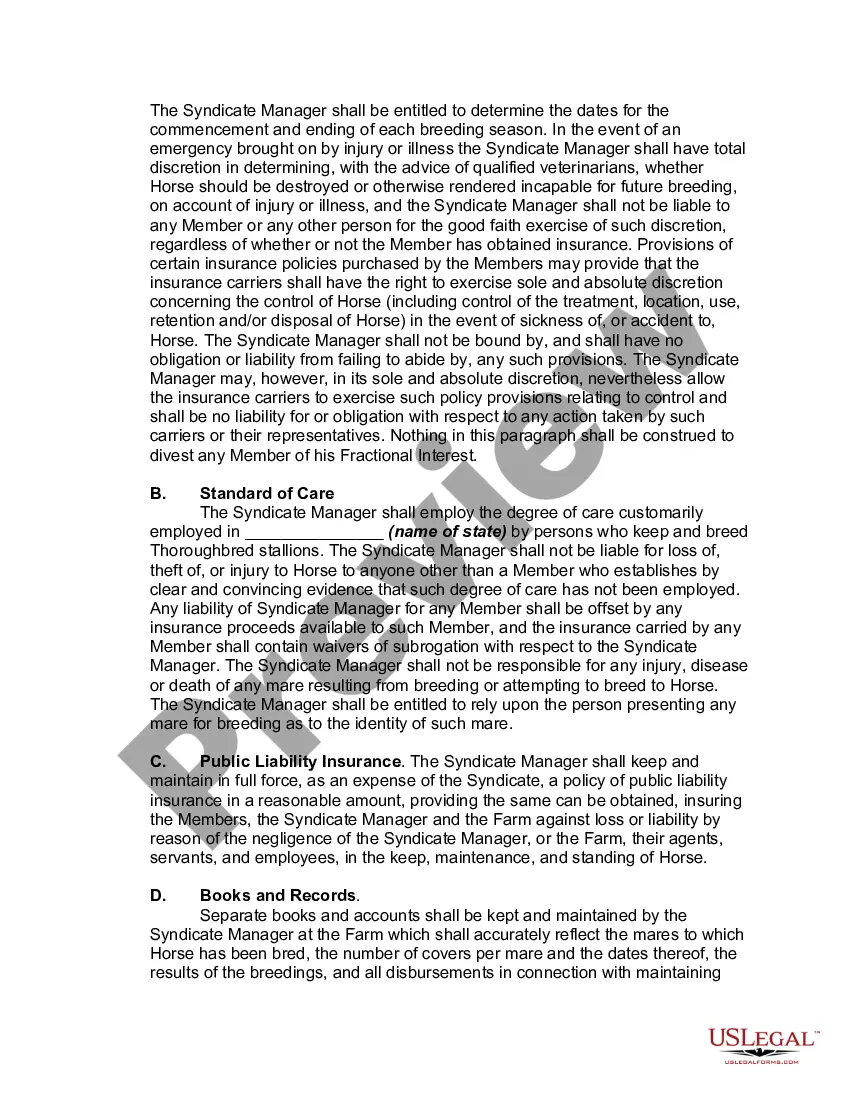
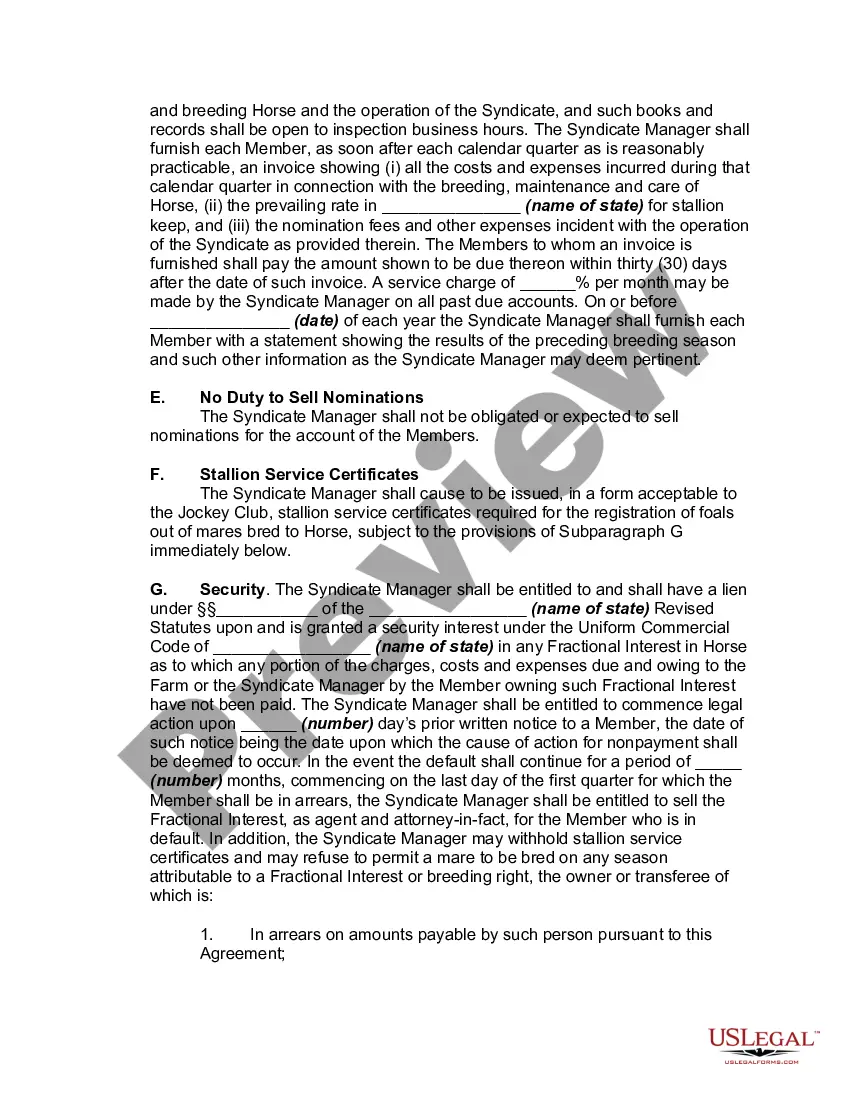
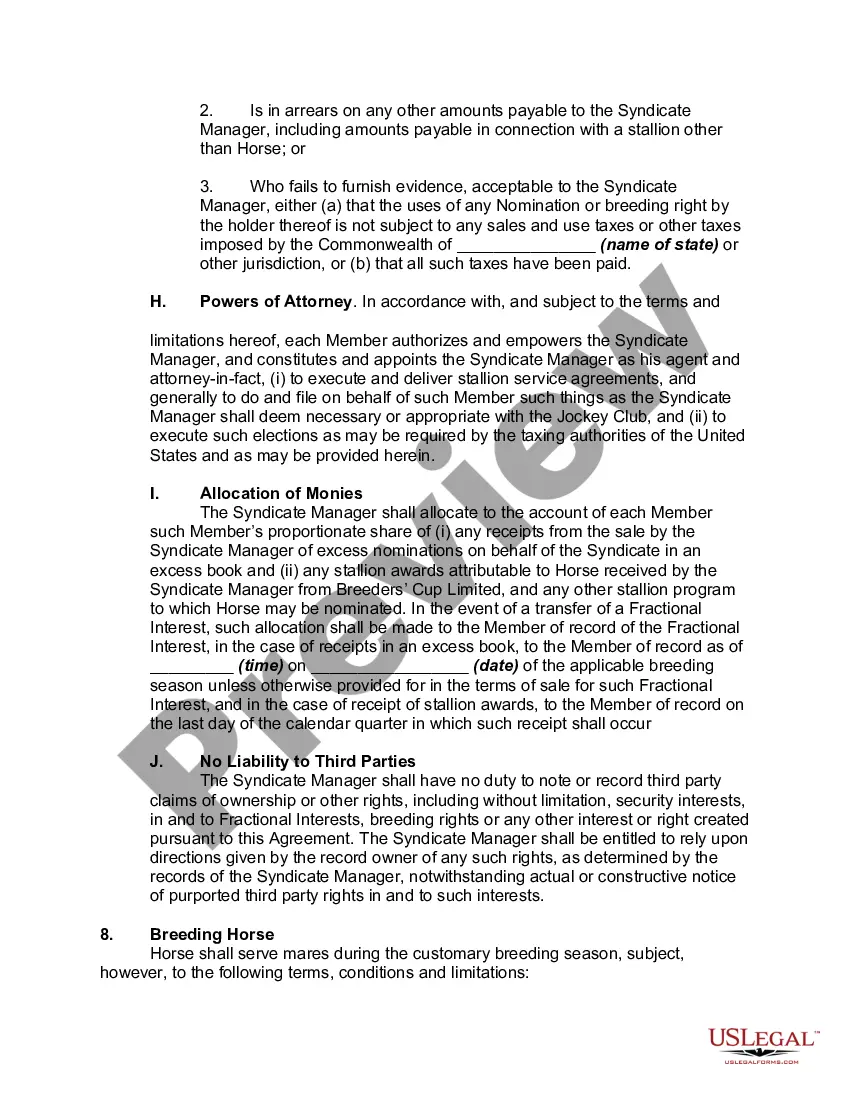
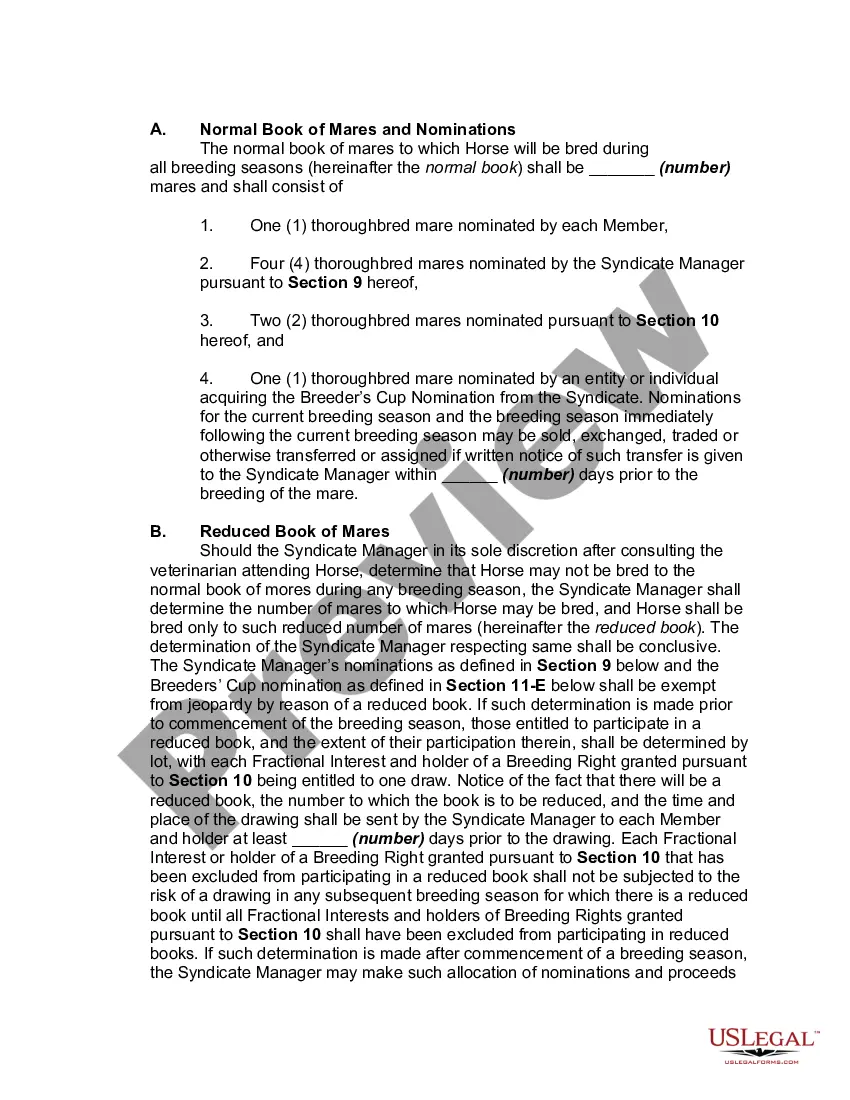
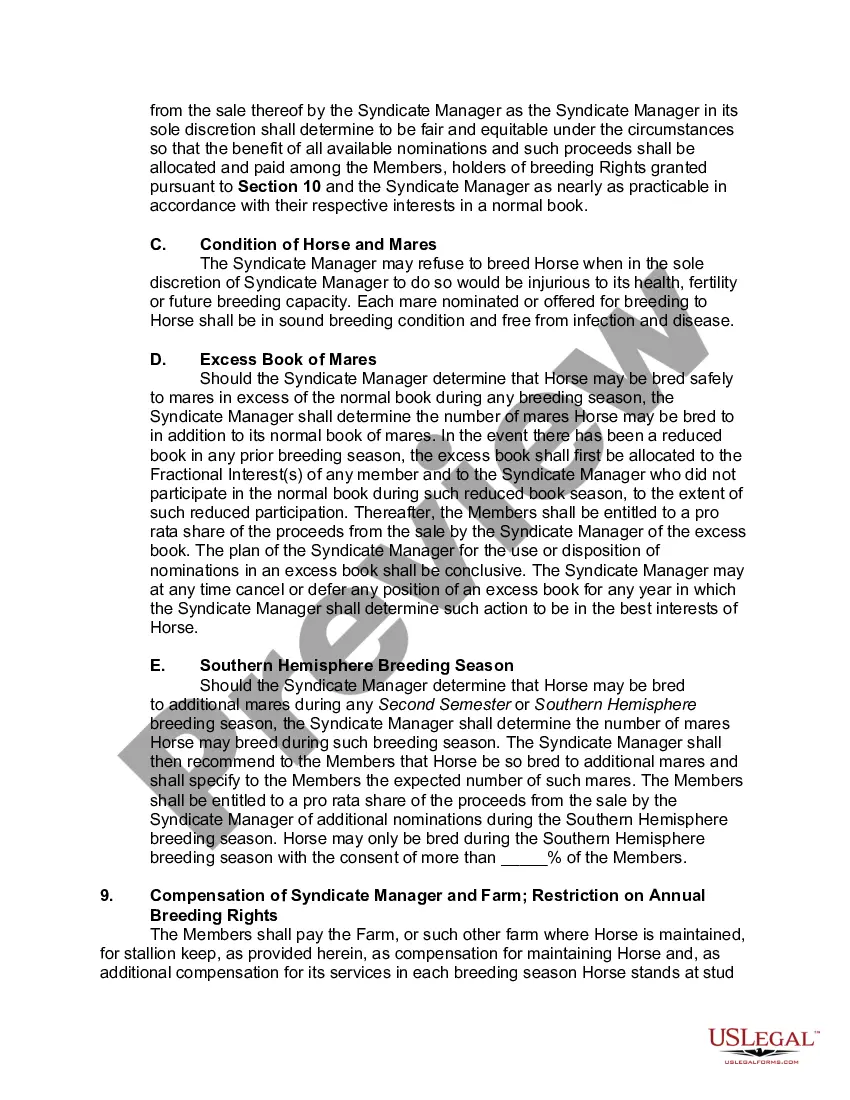

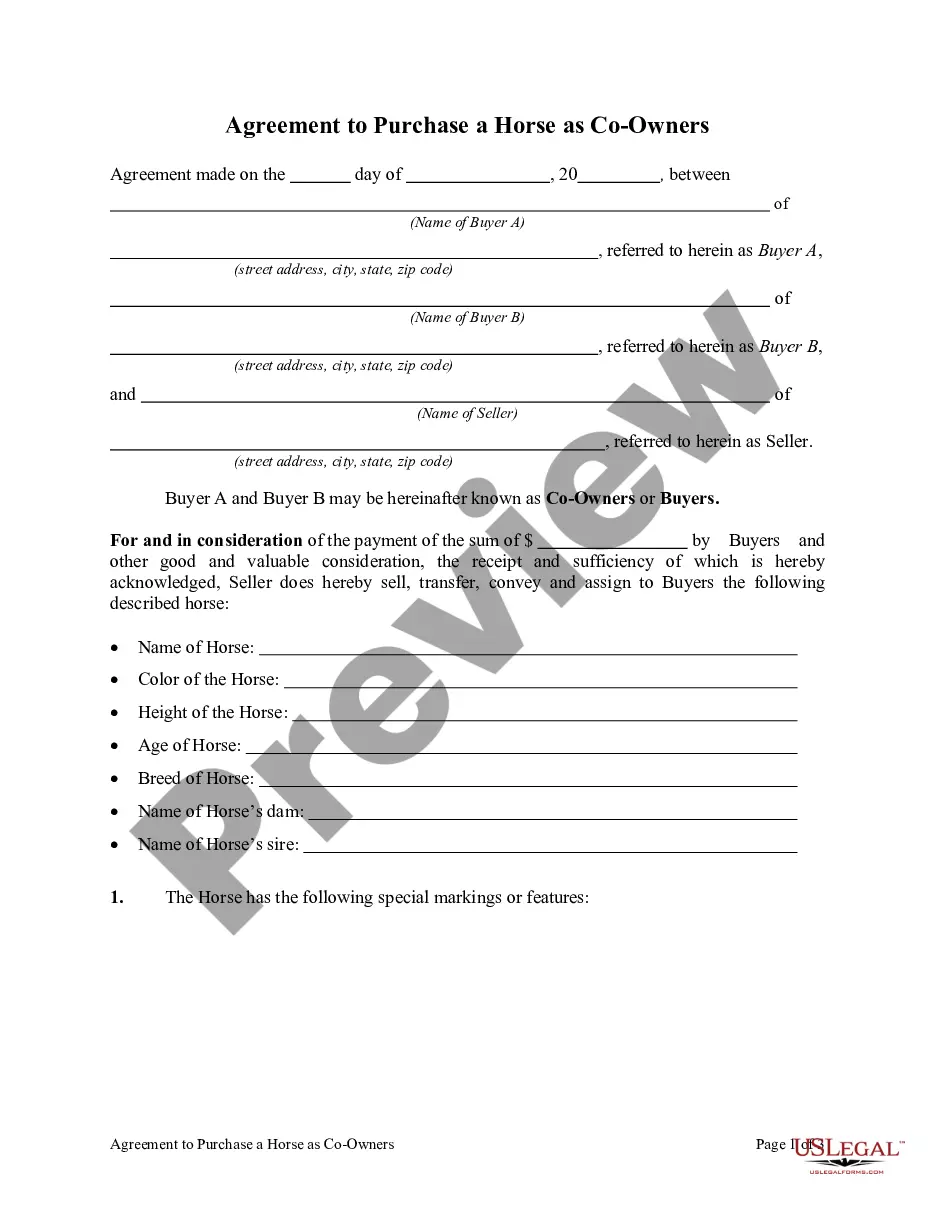
Get your form ready online
Our built-in tools help you complete, sign, share, and store your documents in one place.
Make edits, fill in missing information, and update formatting in US Legal Forms—just like you would in MS Word.
Download a copy, print it, send it by email, or mail it via USPS—whatever works best for your next step.
Sign and collect signatures with our SignNow integration. Send to multiple recipients, set reminders, and more. Go Premium to unlock E-Sign.
If this form requires notarization, complete it online through a secure video call—no need to meet a notary in person or wait for an appointment.
We protect your documents and personal data by following strict security and privacy standards.

Make edits, fill in missing information, and update formatting in US Legal Forms—just like you would in MS Word.

Download a copy, print it, send it by email, or mail it via USPS—whatever works best for your next step.

Sign and collect signatures with our SignNow integration. Send to multiple recipients, set reminders, and more. Go Premium to unlock E-Sign.

If this form requires notarization, complete it online through a secure video call—no need to meet a notary in person or wait for an appointment.

We protect your documents and personal data by following strict security and privacy standards.
Looking for another form?
Form popularity
FAQ
A regulation adopted by the New York Office of Information Services clarifies that Notaries performing notarial acts on electronic records must identify a signer and use an electronic signature that complies with regulations issued by the Department of State.
There is a huge misconceptions that if individuals go and get a document notarized everything is good, but that is not the case because the notarized document is not a court order, it is an agreement between the parties, but ultimately it cannot be enforced because it is not signed off by a judge.
Notary publics serve an important function by verifying the identity of someone who signs an agreement and attesting to that person's signature. Notarization can prove that a party who objects to the agreement was indeed the person who signed the contract.
To make a notarized letter, begin with your contact details, create a clear message explaining the purpose of the letter. Include any legal language if necessary. Conclude with a formal closing and leave space for your signature. And that's how you write a statement that needs to be notarized.
Notary publics serve an important function by verifying the identity of someone who signs an agreement and attesting to that person's signature. Notarization can prove that a party who objects to the agreement was indeed the person who signed the contract.
Yes. The statutes require that you see the signer actually sign the document when the notarial wording is that of a JURAT. In the case of an acknowledgment, the person is simply acknowledging (declaring, stating) that he or she signed the document.
The bond is filed with the County Clerk's Office of the county in which you reside. When the bond is filed with the county clerk, the clerk will provide the notary with a filing notice.
Many notaries are confused as to whether or not they can notarize documents that they have drafted. In most cases, a notary cannot draft documents. To do so might be considered unauthorized practice of law.
