Syndication Agreement Template With Notary In Georgia
Description
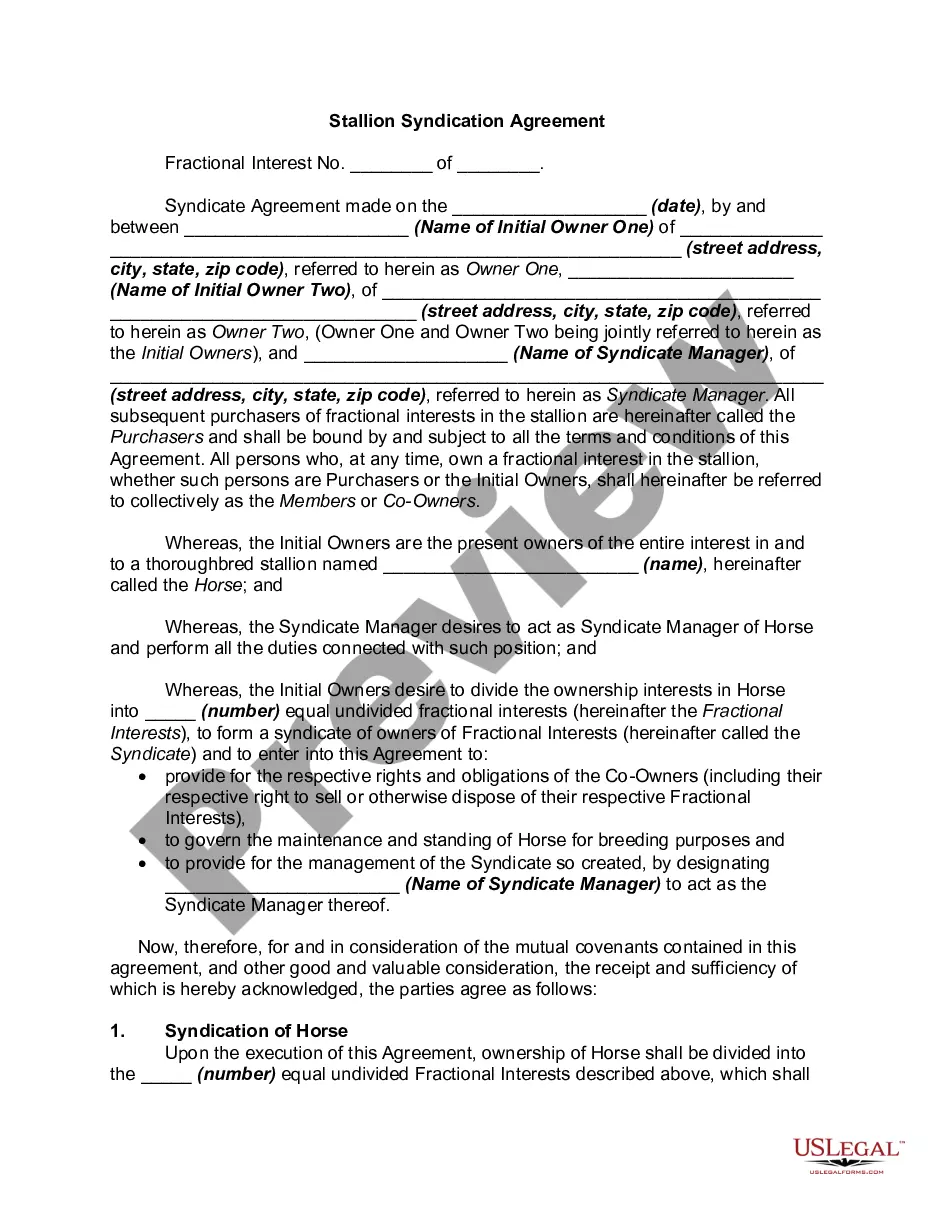
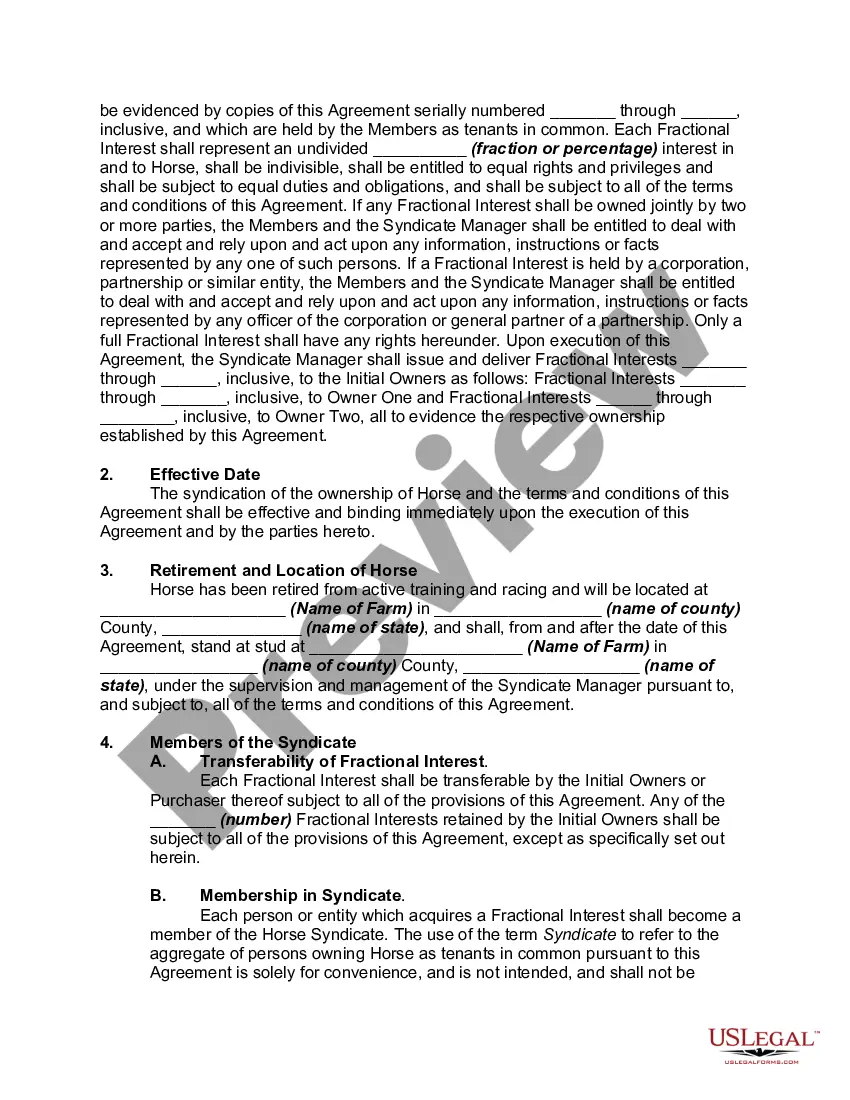
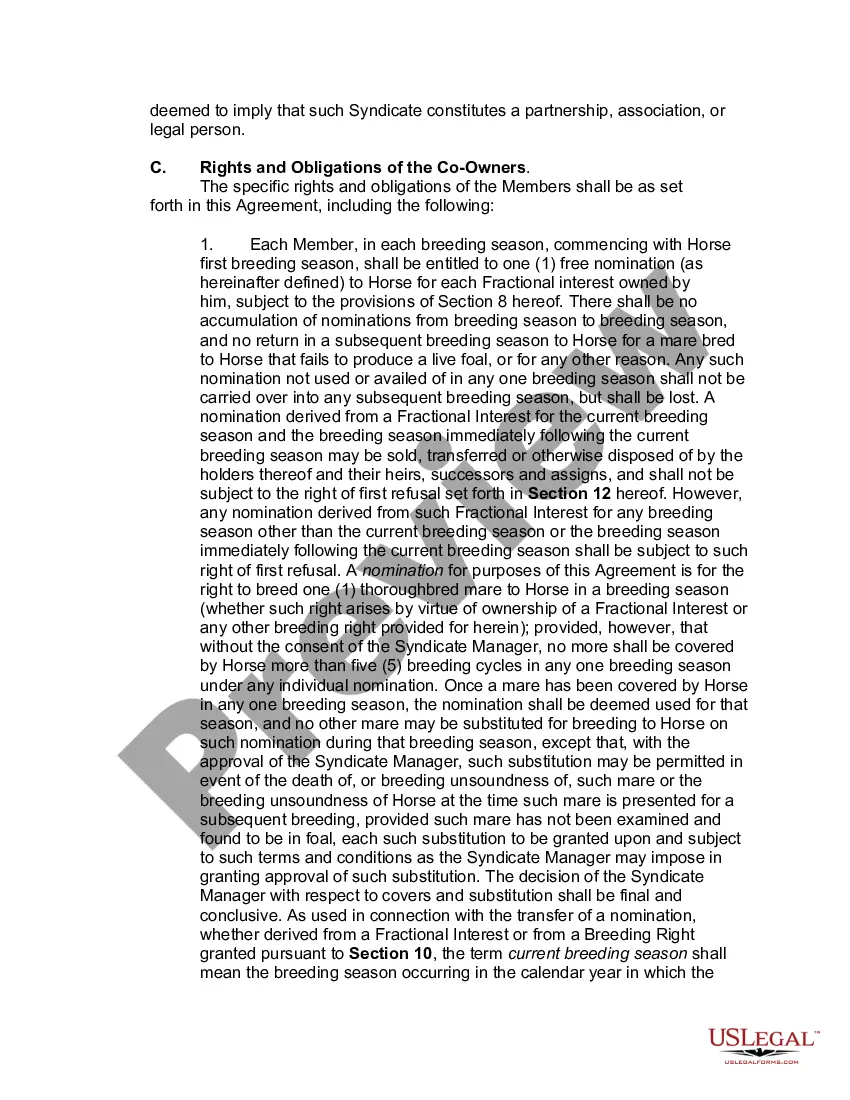
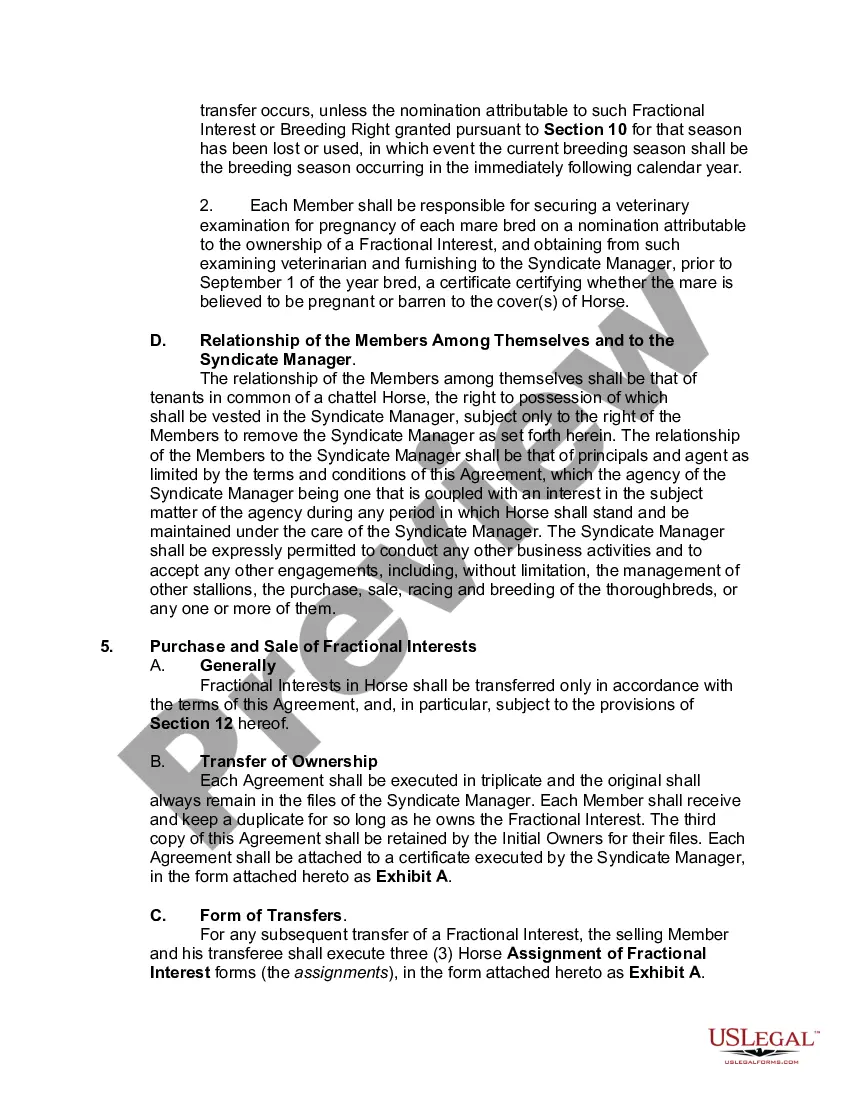
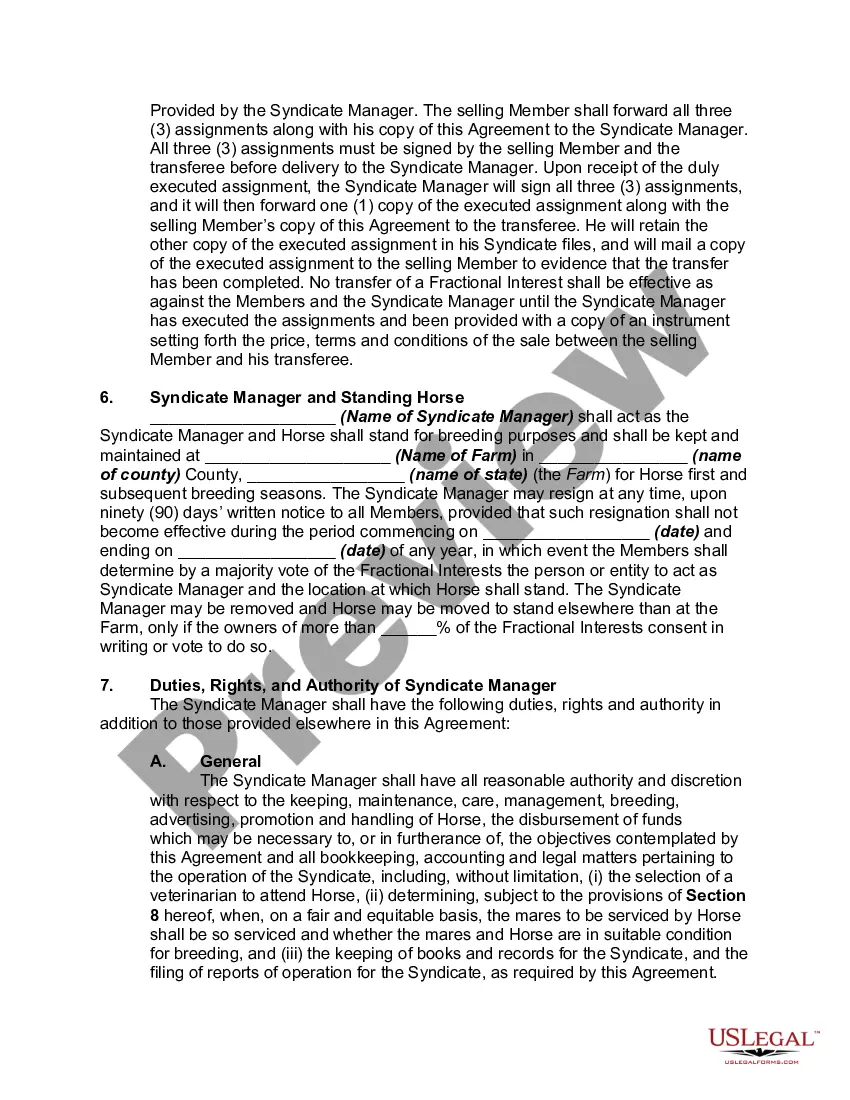
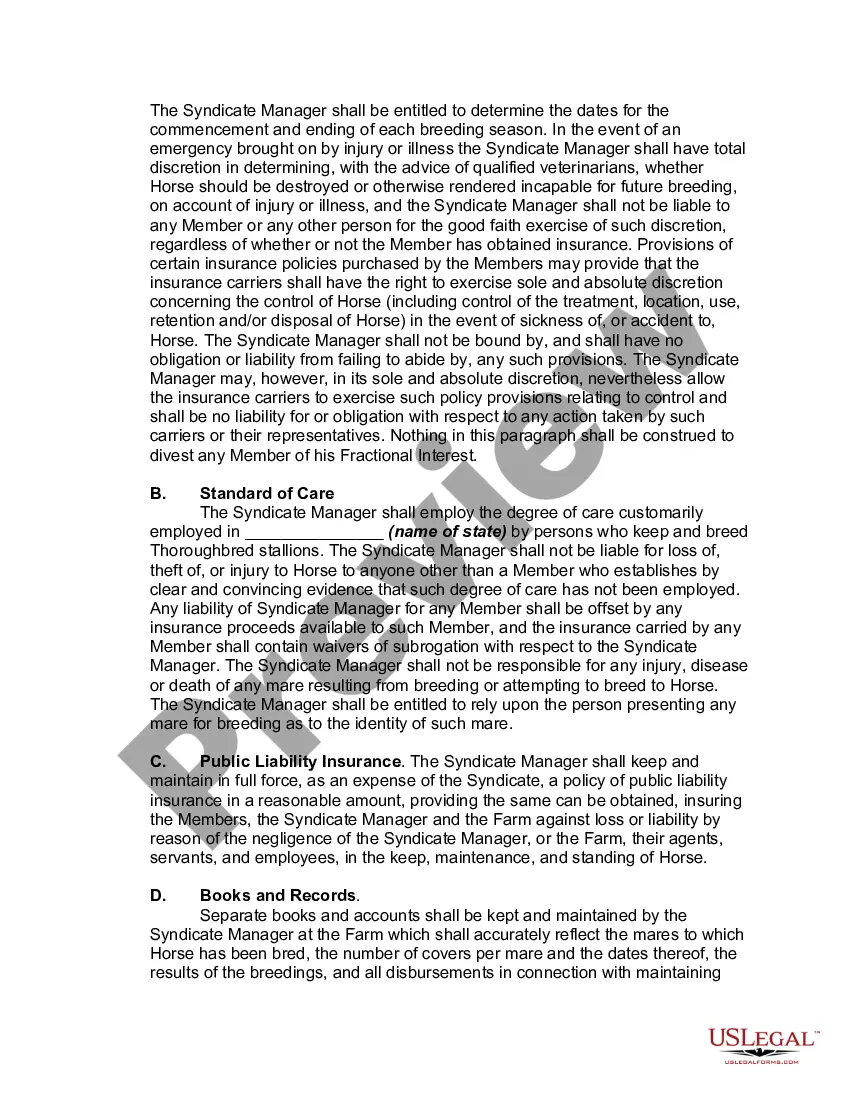
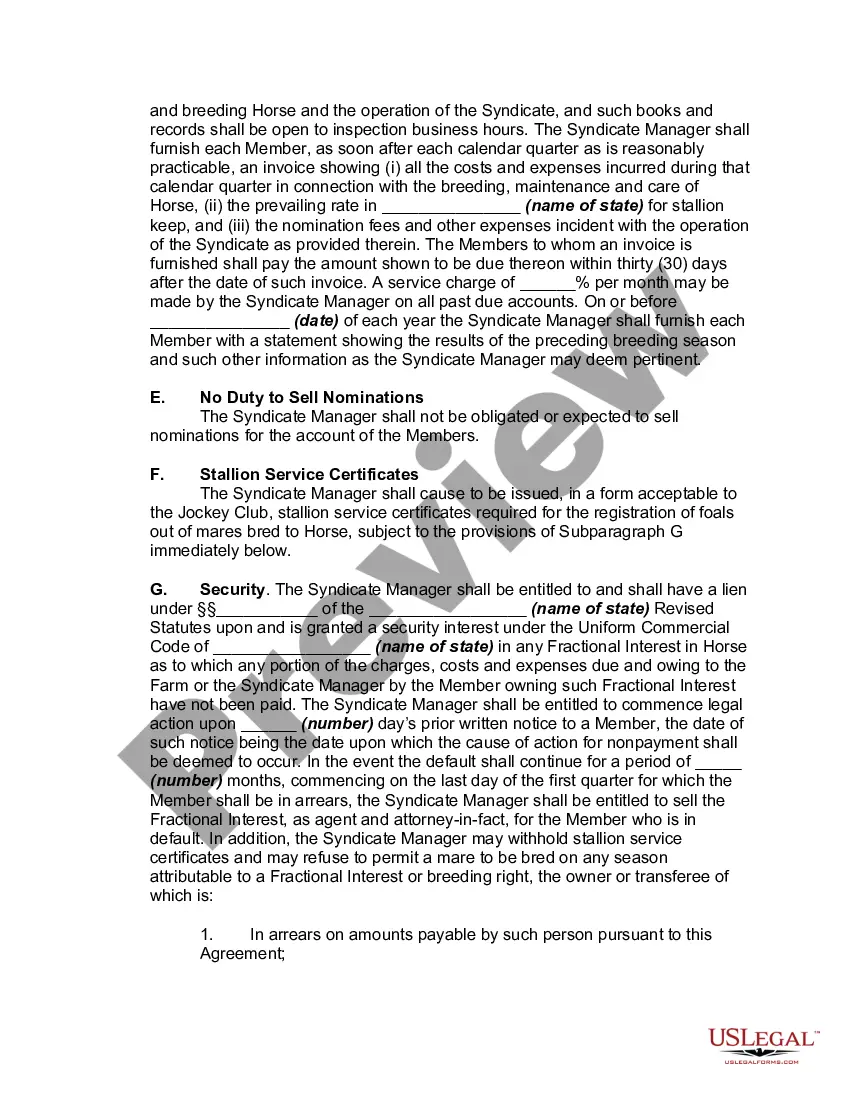
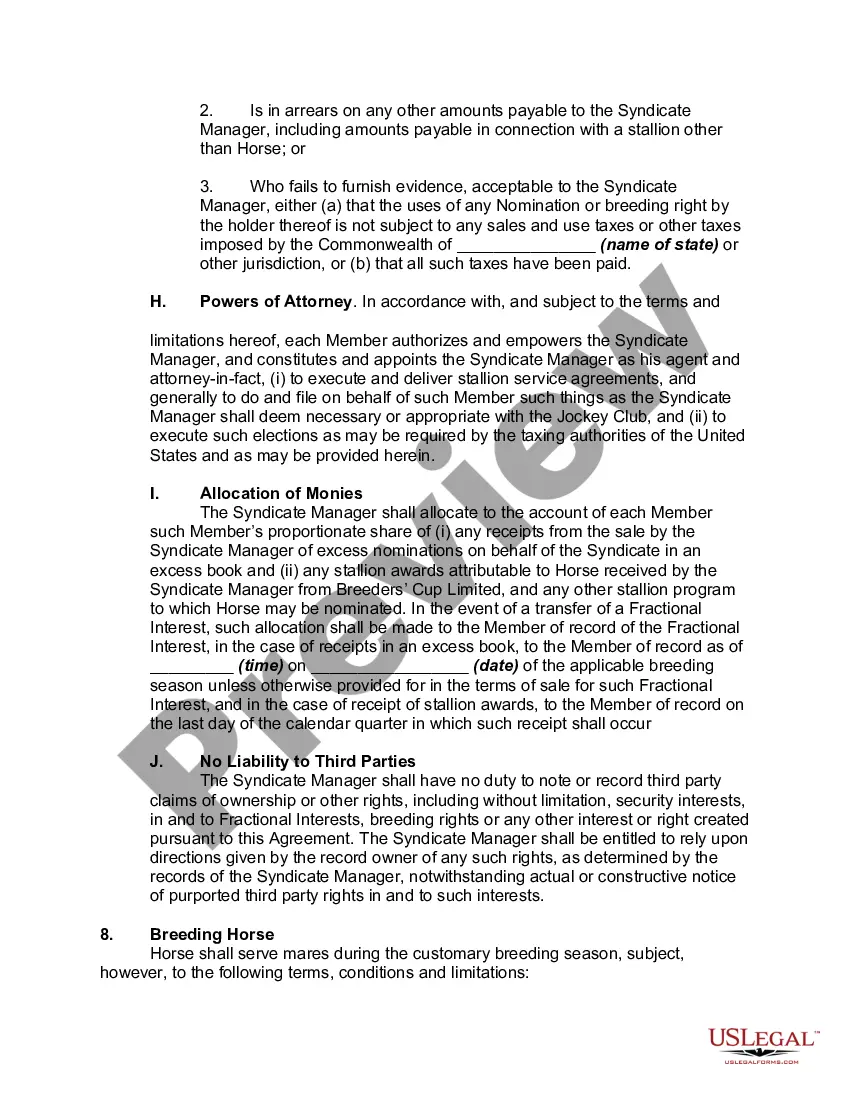
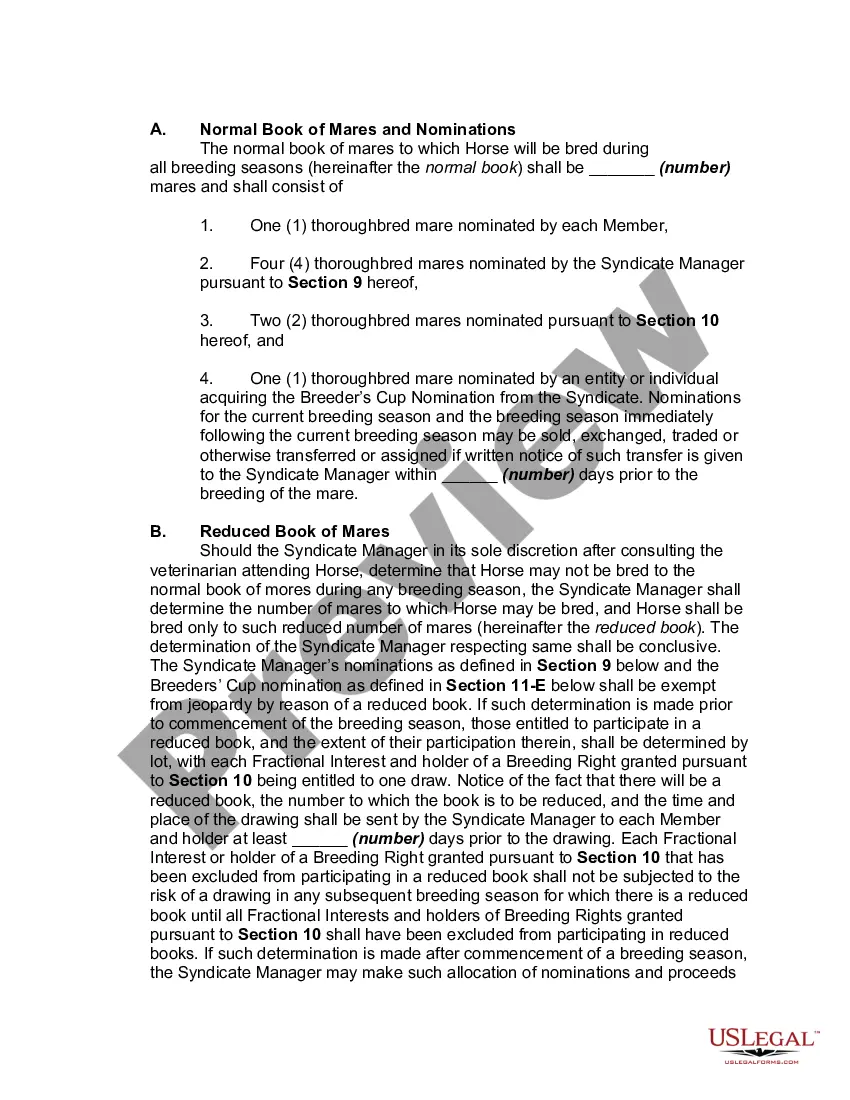
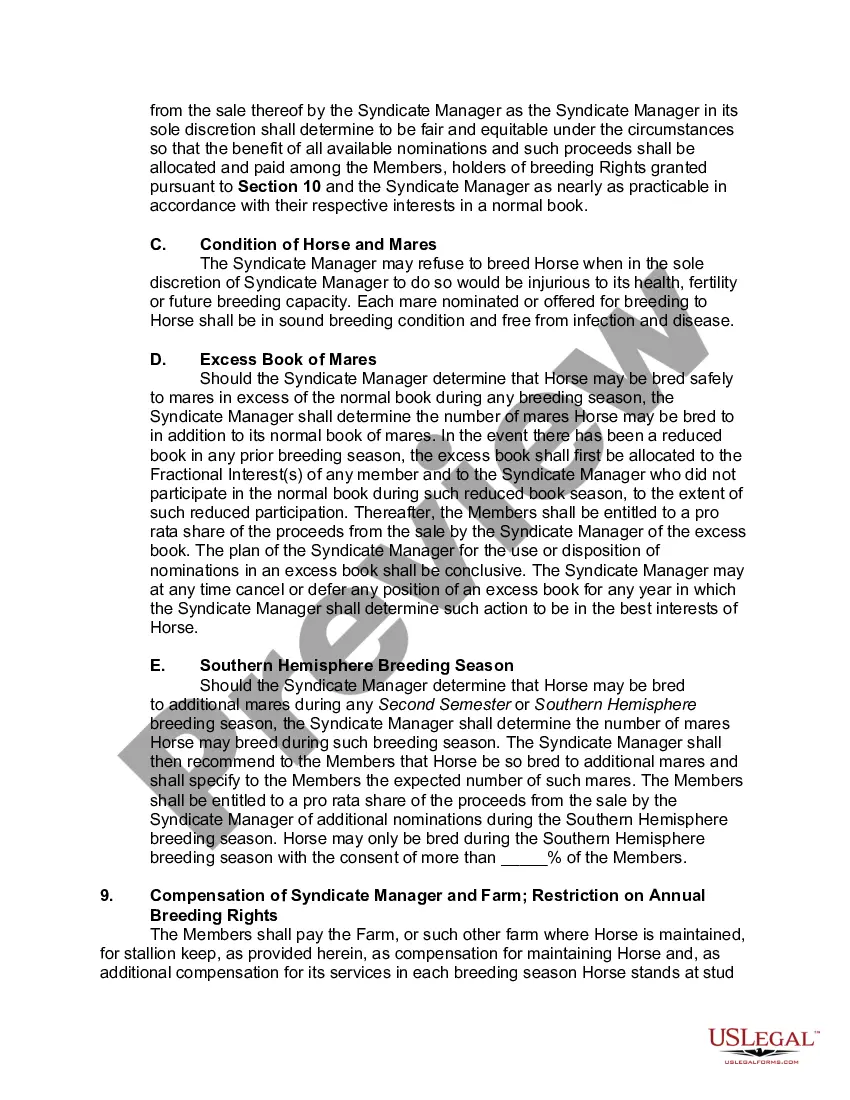

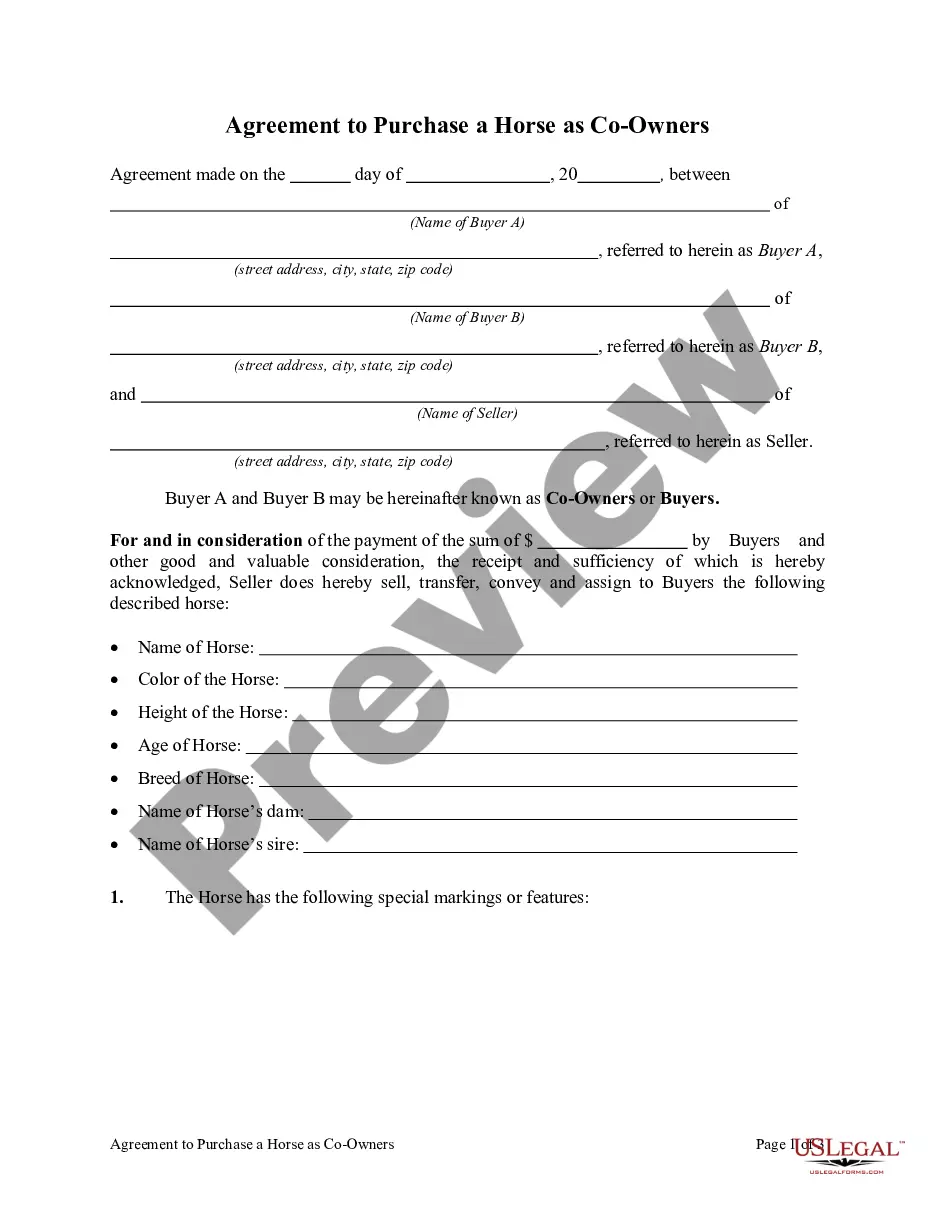
Get your form ready online
Our built-in tools help you complete, sign, share, and store your documents in one place.
Make edits, fill in missing information, and update formatting in US Legal Forms—just like you would in MS Word.
Download a copy, print it, send it by email, or mail it via USPS—whatever works best for your next step.
Sign and collect signatures with our SignNow integration. Send to multiple recipients, set reminders, and more. Go Premium to unlock E-Sign.
If this form requires notarization, complete it online through a secure video call—no need to meet a notary in person or wait for an appointment.
We protect your documents and personal data by following strict security and privacy standards.

Make edits, fill in missing information, and update formatting in US Legal Forms—just like you would in MS Word.

Download a copy, print it, send it by email, or mail it via USPS—whatever works best for your next step.

Sign and collect signatures with our SignNow integration. Send to multiple recipients, set reminders, and more. Go Premium to unlock E-Sign.

If this form requires notarization, complete it online through a secure video call—no need to meet a notary in person or wait for an appointment.

We protect your documents and personal data by following strict security and privacy standards.
Looking for another form?



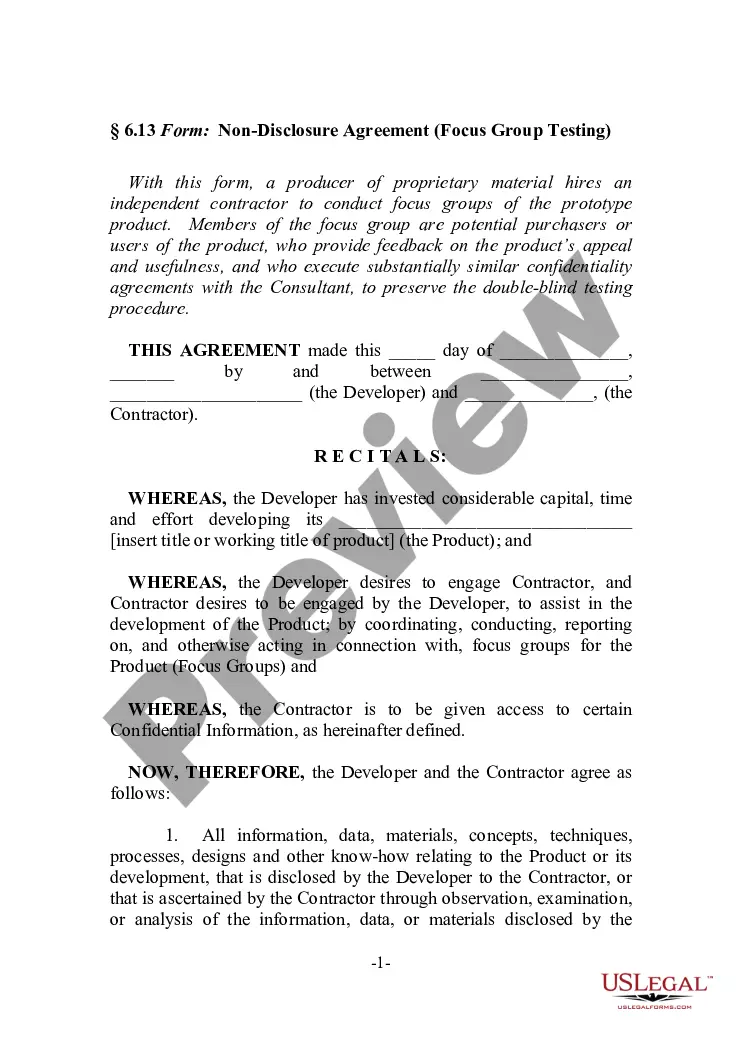
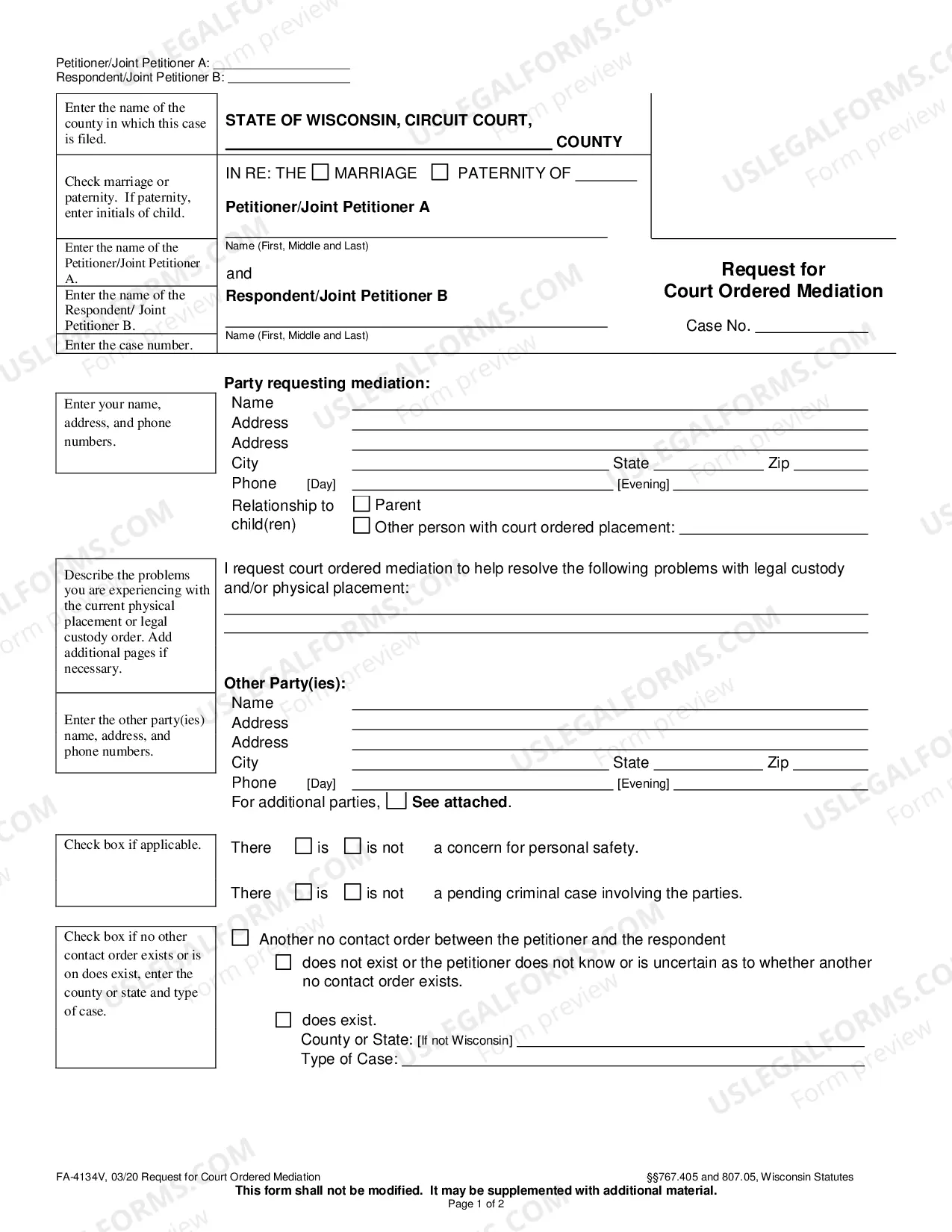
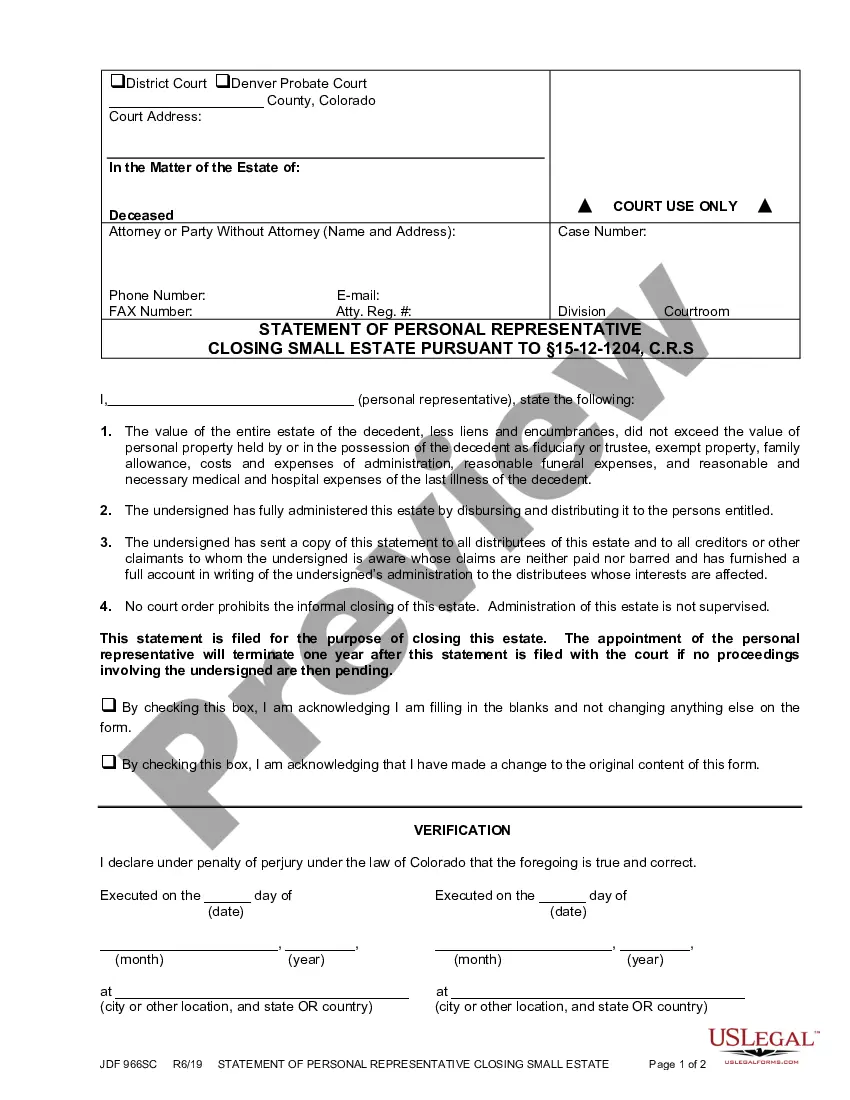


Form popularity
FAQ
Starting January 1, 2025, Georgia Notaries must maintain a written or electronic journal for notarizations performed at the request of a “self-filer.”
Many notaries are confused as to whether or not they can notarize documents that they have drafted. In most cases, a notary cannot draft documents. To do so might be considered unauthorized practice of law.
To make a notarized letter, begin with your contact details, create a clear message explaining the purpose of the letter. Include any legal language if necessary. Conclude with a formal closing and leave space for your signature. And that's how you write a statement that needs to be notarized.
One of the most common mistakes that notaries make is not printing or signing their name exactly as it appears on their notary commission.
Drafting Documents and Notarization Many notaries are confused as to whether or not they can notarize documents that they have drafted. In most cases, a notary cannot draft documents. To do so might be considered unauthorized practice of law.
In short, you cannot notarize your own documents. Despite having the technical understanding, it's against notary laws to certify your own paperwork. This rule was established to ensure that the notarization process remains unbiased and prevents any potential conflicts of interest or ethical problems.
California requires its Notaries to keep all completed journals as long as they maintain a current Notary commission. California Notaries whose commissions end without being renewed must turn in their journals within 30 days to the county clerk's office where their oath of office is on file.
The new law requires each notary public to “maintain a written or electronic journal which shall include an entry for each notarial act performed at the request of a self-filer.” In the most basic terms, a self-filer is a person who is a party to a certain type of document and who isn't among the excluded groups of ...
In states that do require a journal, the law varies from state to state. In California, Notaries are required to keep their journals for as long as they remain Notaries.
FALSE - A notary may never notarize when the signer is not physically present before the notary, face-to- face in the same room at the same time, even if the notary personally knows the signer and recognizes his/her signature. There are no exceptions! of a birth certificate or a deed.
