Syndication Agreement Template With Notary In Arizona
Description
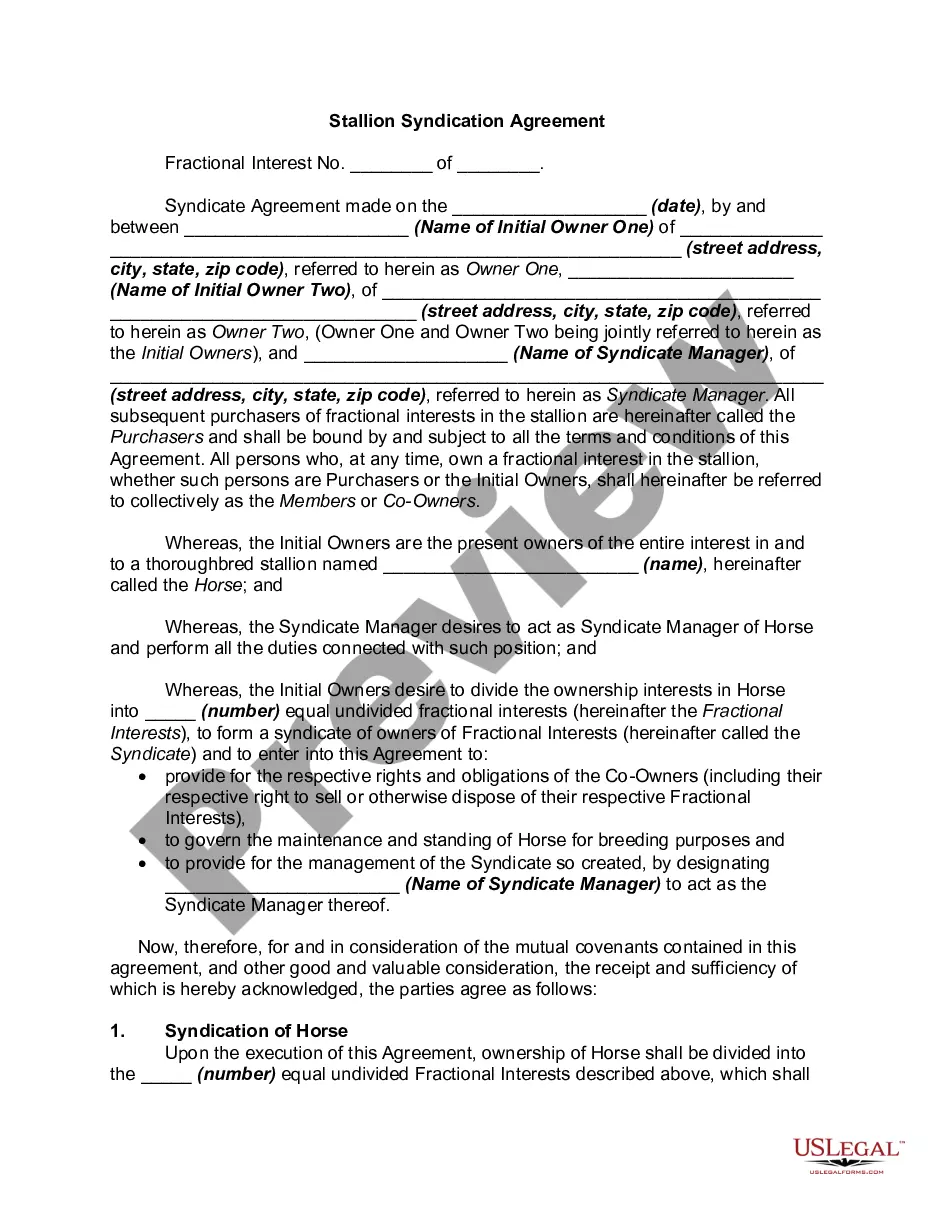
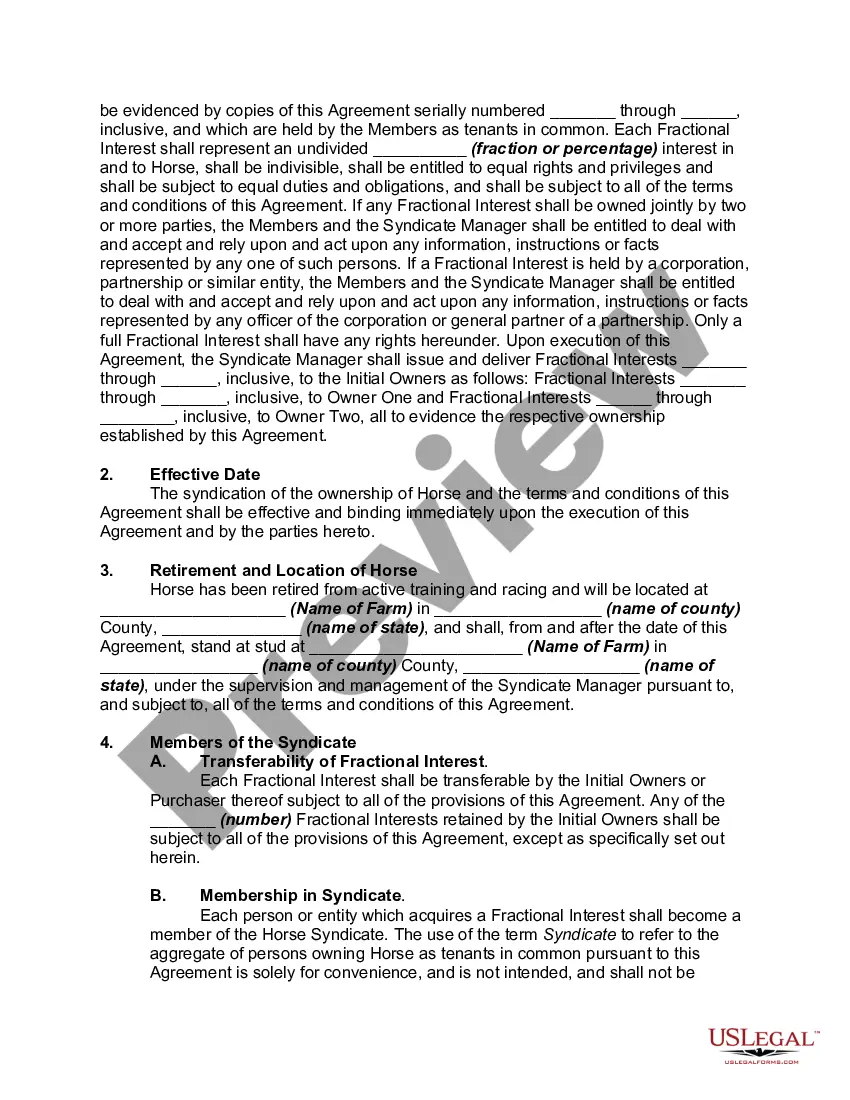
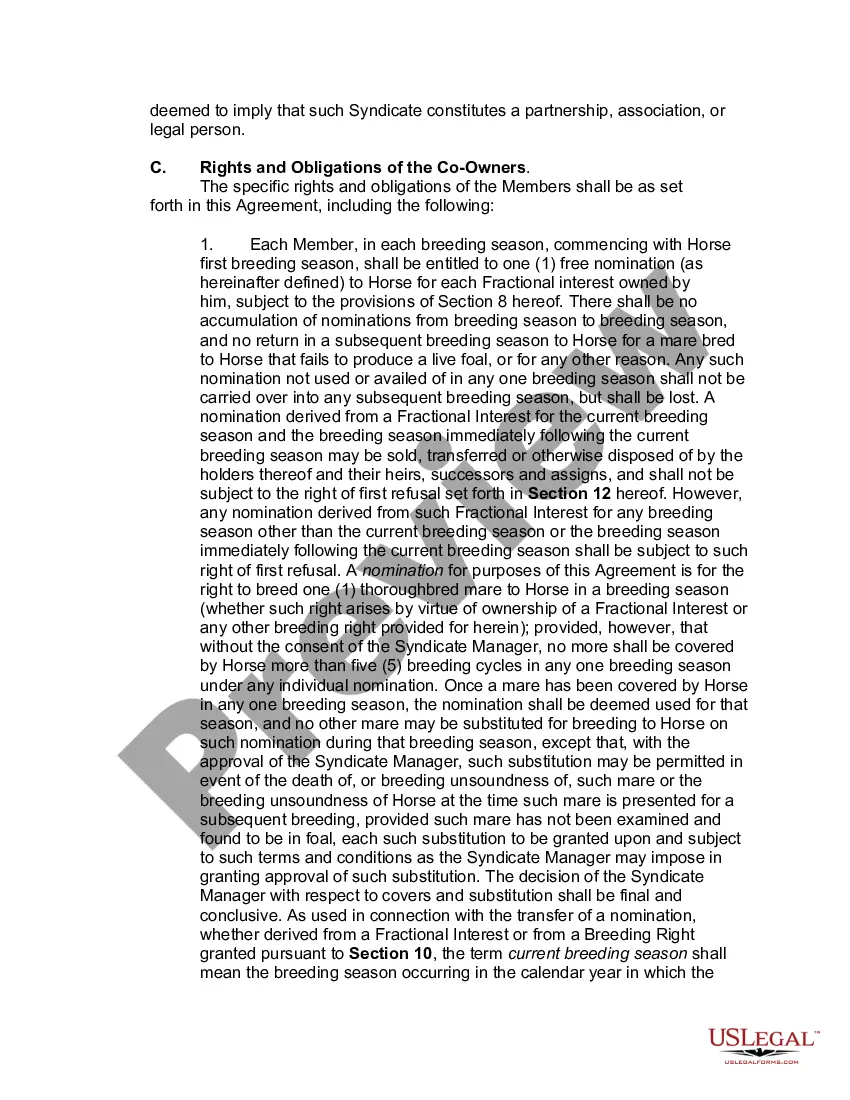
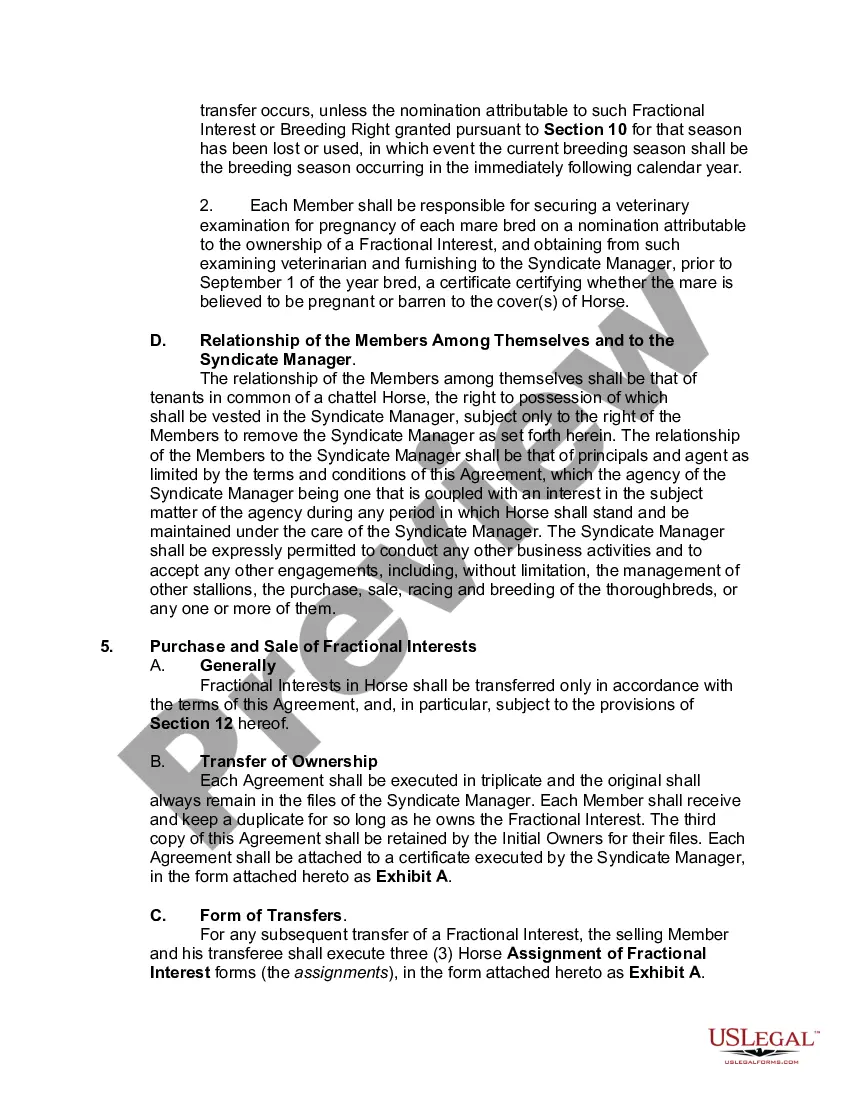
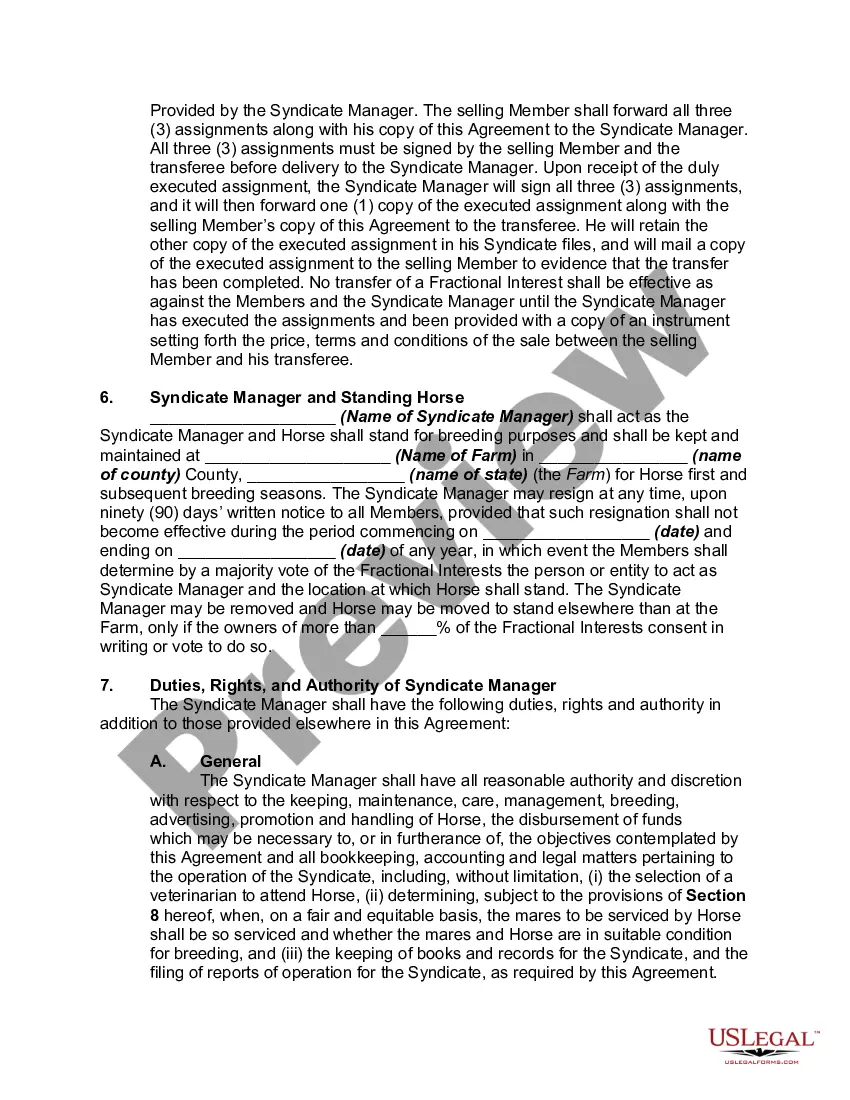
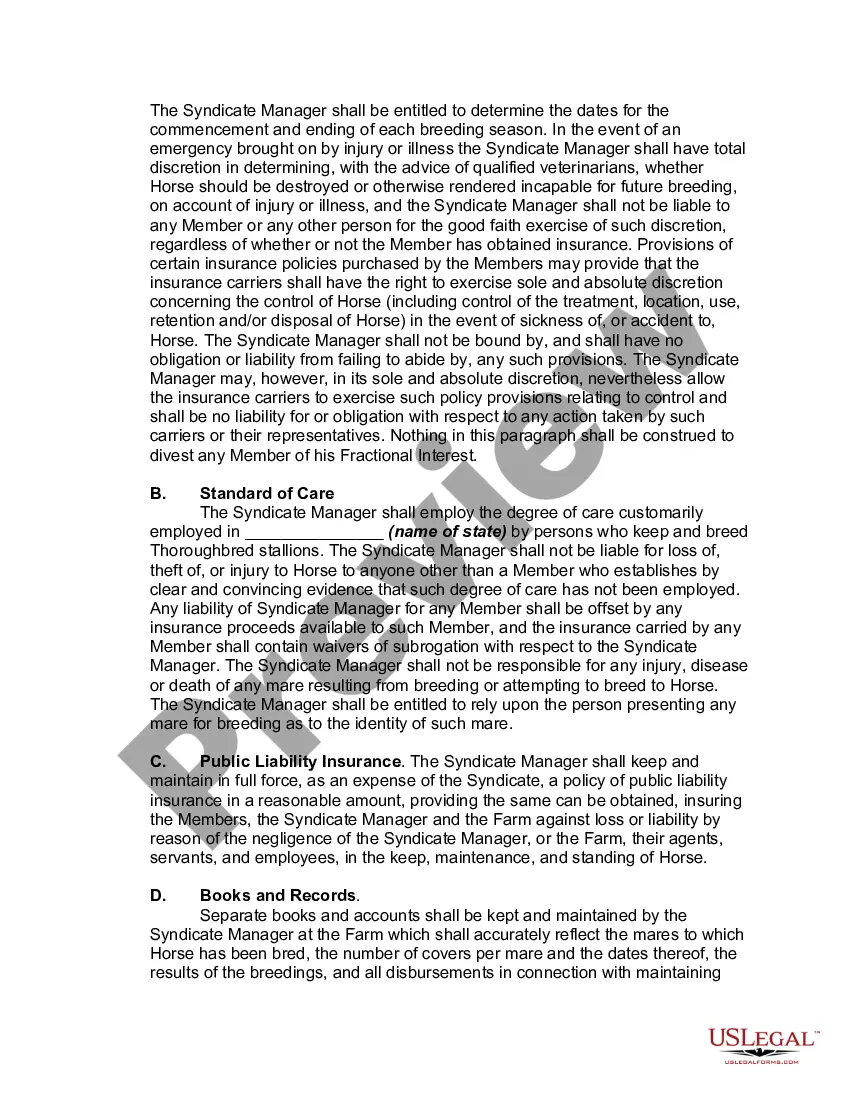
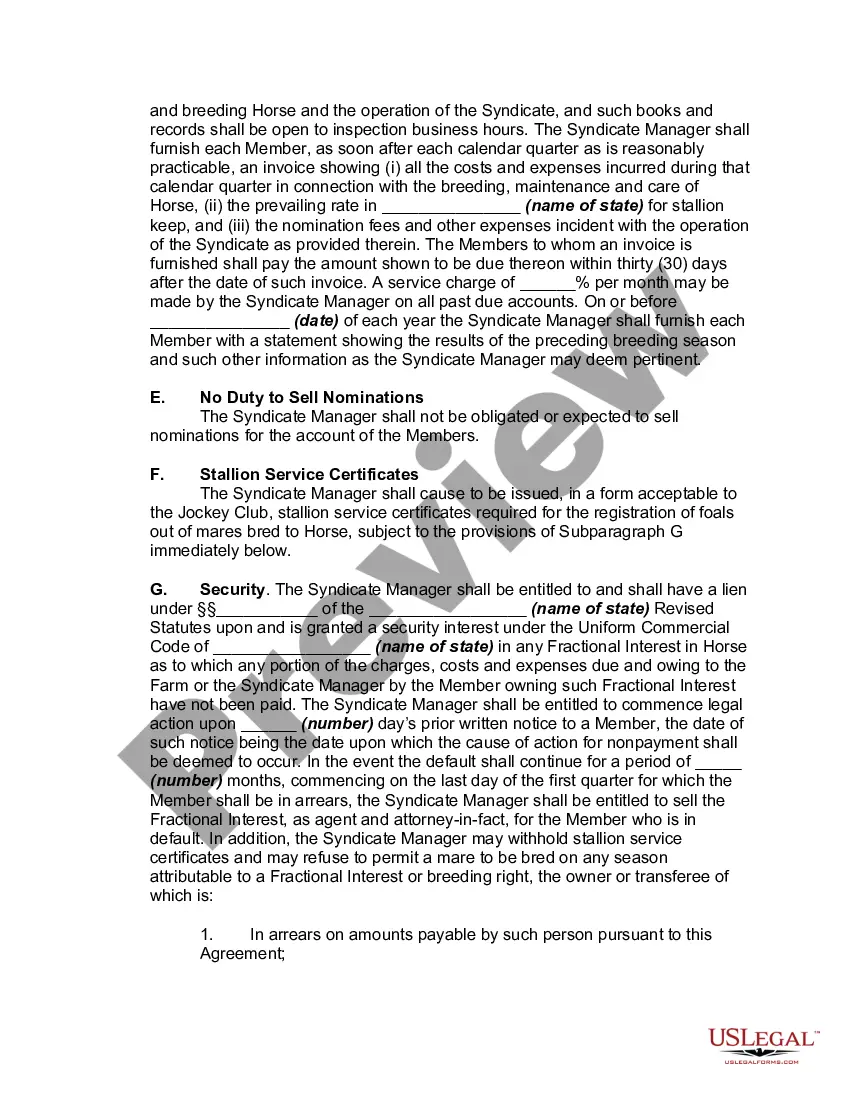
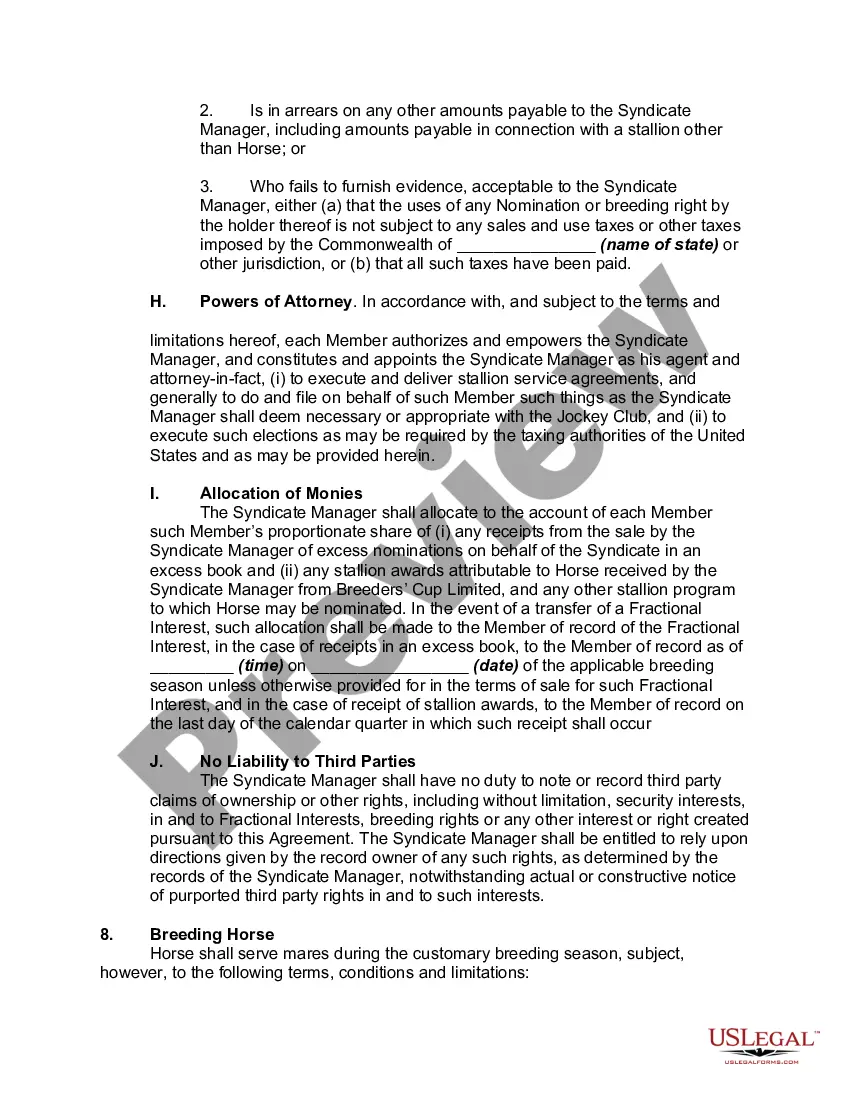
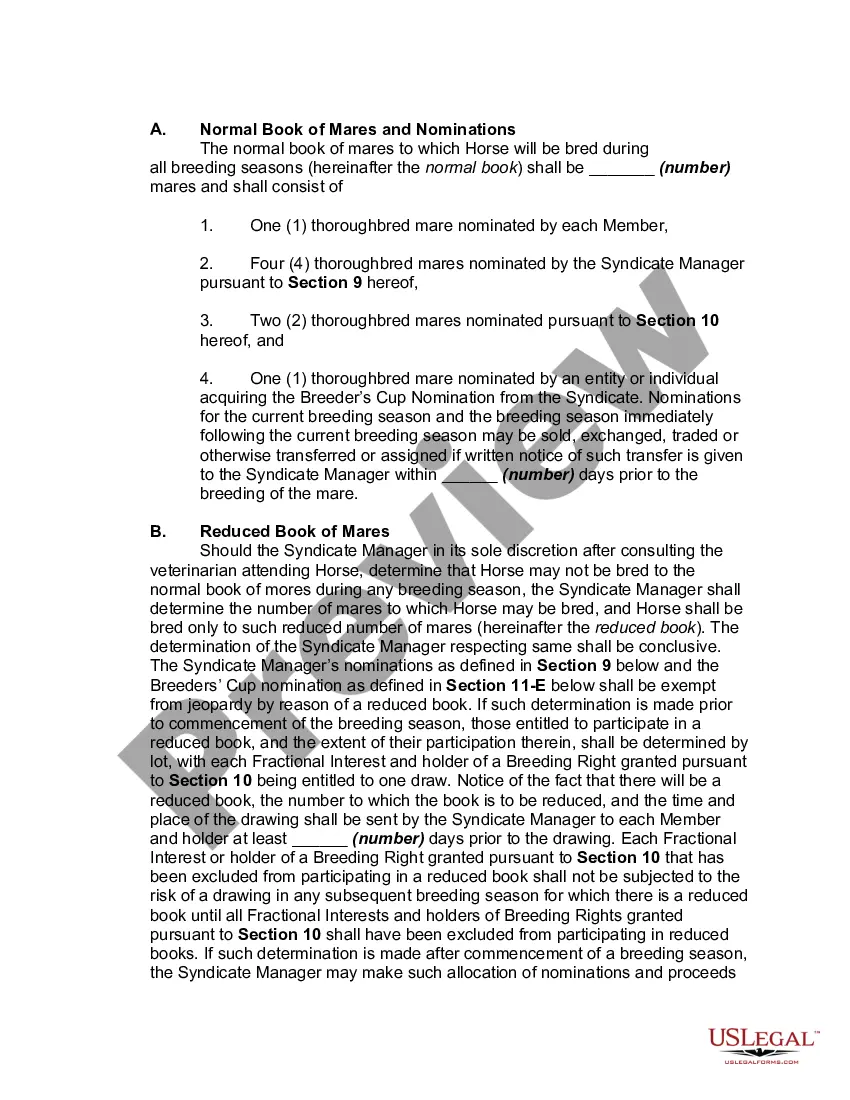
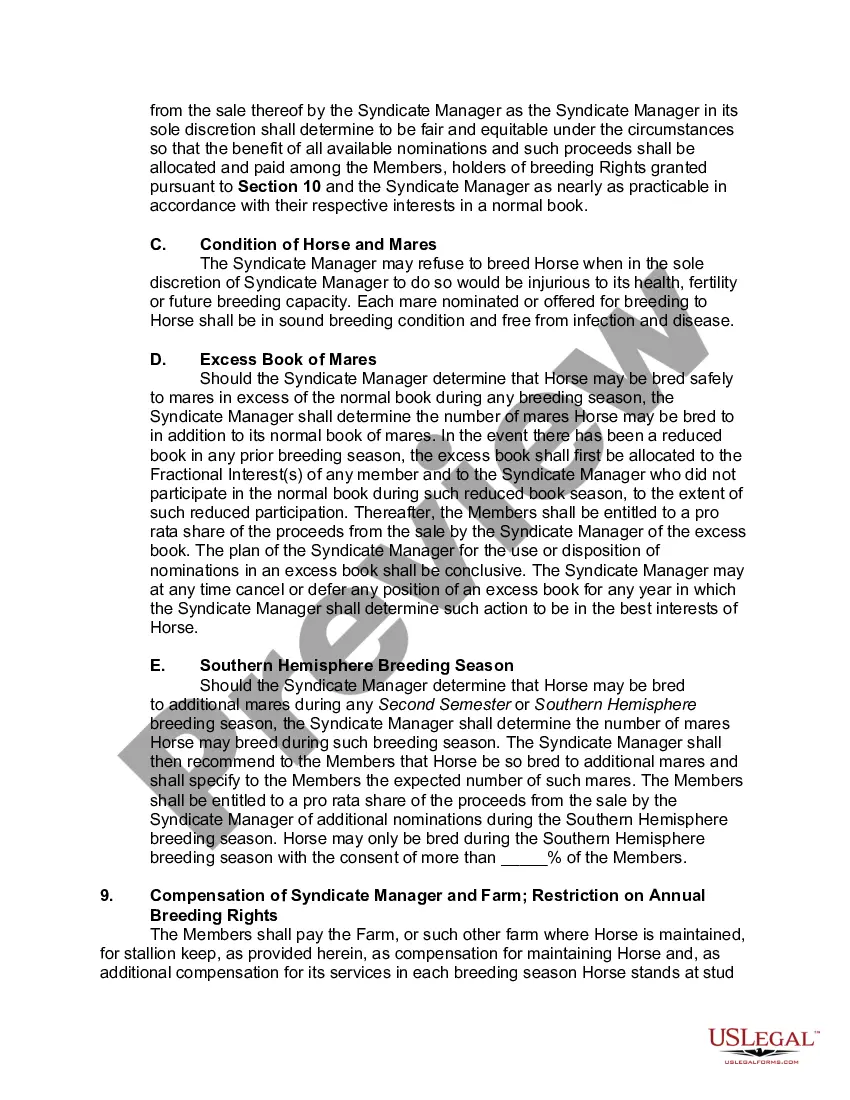

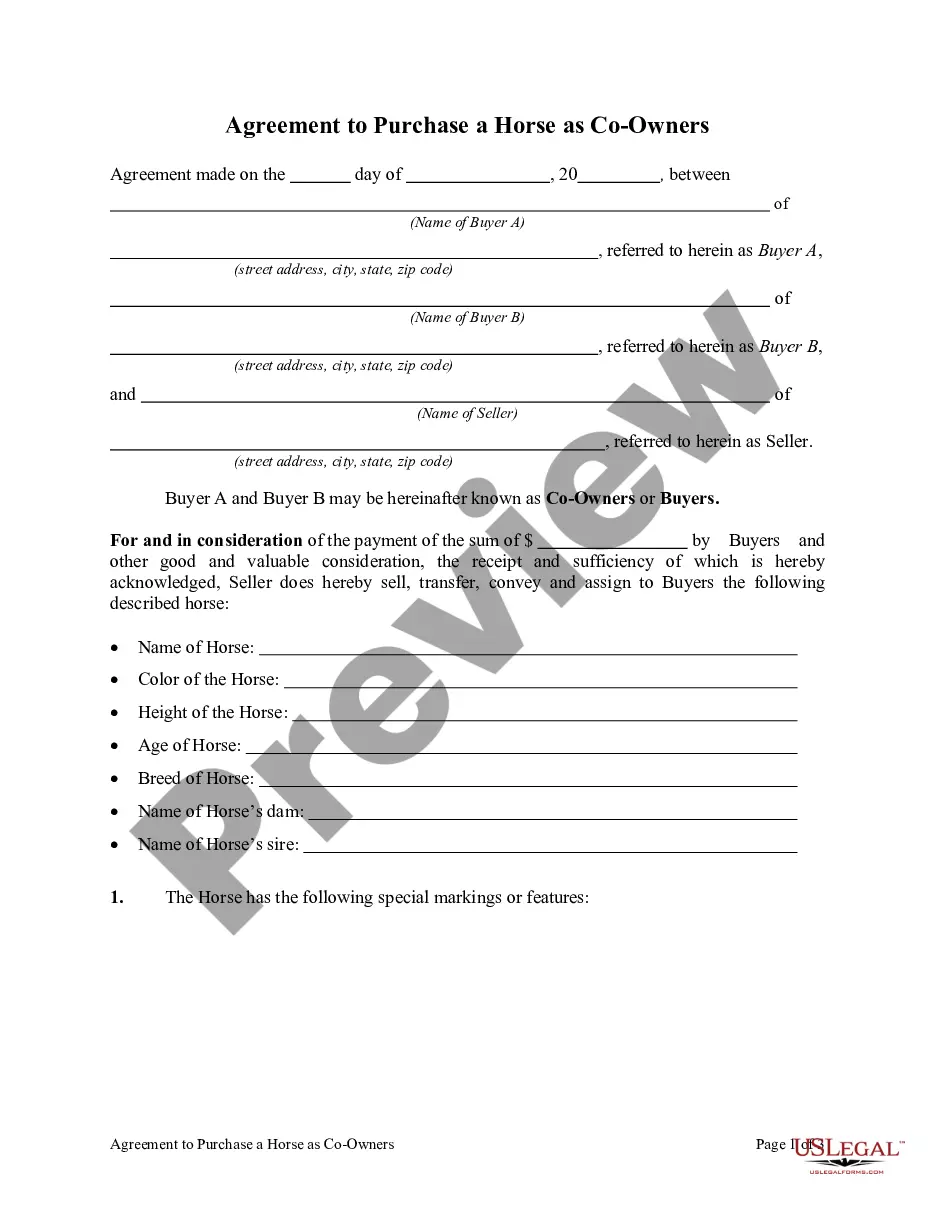
Get your form ready online
Our built-in tools help you complete, sign, share, and store your documents in one place.
Make edits, fill in missing information, and update formatting in US Legal Forms—just like you would in MS Word.
Download a copy, print it, send it by email, or mail it via USPS—whatever works best for your next step.
Sign and collect signatures with our SignNow integration. Send to multiple recipients, set reminders, and more. Go Premium to unlock E-Sign.
If this form requires notarization, complete it online through a secure video call—no need to meet a notary in person or wait for an appointment.
We protect your documents and personal data by following strict security and privacy standards.

Make edits, fill in missing information, and update formatting in US Legal Forms—just like you would in MS Word.

Download a copy, print it, send it by email, or mail it via USPS—whatever works best for your next step.

Sign and collect signatures with our SignNow integration. Send to multiple recipients, set reminders, and more. Go Premium to unlock E-Sign.

If this form requires notarization, complete it online through a secure video call—no need to meet a notary in person or wait for an appointment.

We protect your documents and personal data by following strict security and privacy standards.
Looking for another form?

Form popularity
FAQ
You can't notarize your own documents and remain impartial. Whenever you have a transaction that involves you — or even one where you simply feel that you can't be impartial — it can be in everyone's best interest to have someone else notarize the documents.
To make a notarized letter, begin with your contact details, create a clear message explaining the purpose of the letter. Include any legal language if necessary. Conclude with a formal closing and leave space for your signature. And that's how you write a statement that needs to be notarized.
In Arizona, notaries can perform only acknowledgments, jurats, copy certifications, and oaths and affirmations. Samples of each can be found in our Notary Public Reference Manual (PDF).
However, they advise against it as a best practice. Contrastingly, Arizona's laws forbid notarizing any documents where the notary or their relatives are party to or stand to benefit.
Arizona law prohibits a notary from notarizing for themselves or spouses. Just because the law allows you to notarize for other family members, it is not recommended. You would compromise your role as an impartial witness and may jeopardize the validity of an important transaction.
There is no restriction on a family member serving as the notary for a family member.
Can I notarize my friend's document? No. If a notary public is a party to a transaction, or has a direct or indirect financial (or other beneficial) interest in the transaction, no matter how small, the notary must decline the notarization.
Key Takeaways. When notarization occurs, a notary public certifies the authenticity of any signature appended to a document. A notarized document carries legal weight because a notary acts as a neutral third-party witness.
One of the most common mistakes that notaries make is not printing or signing their name exactly as it appears on their notary commission.
