Employee Form Fillable With Excel In Miami-Dade
Description

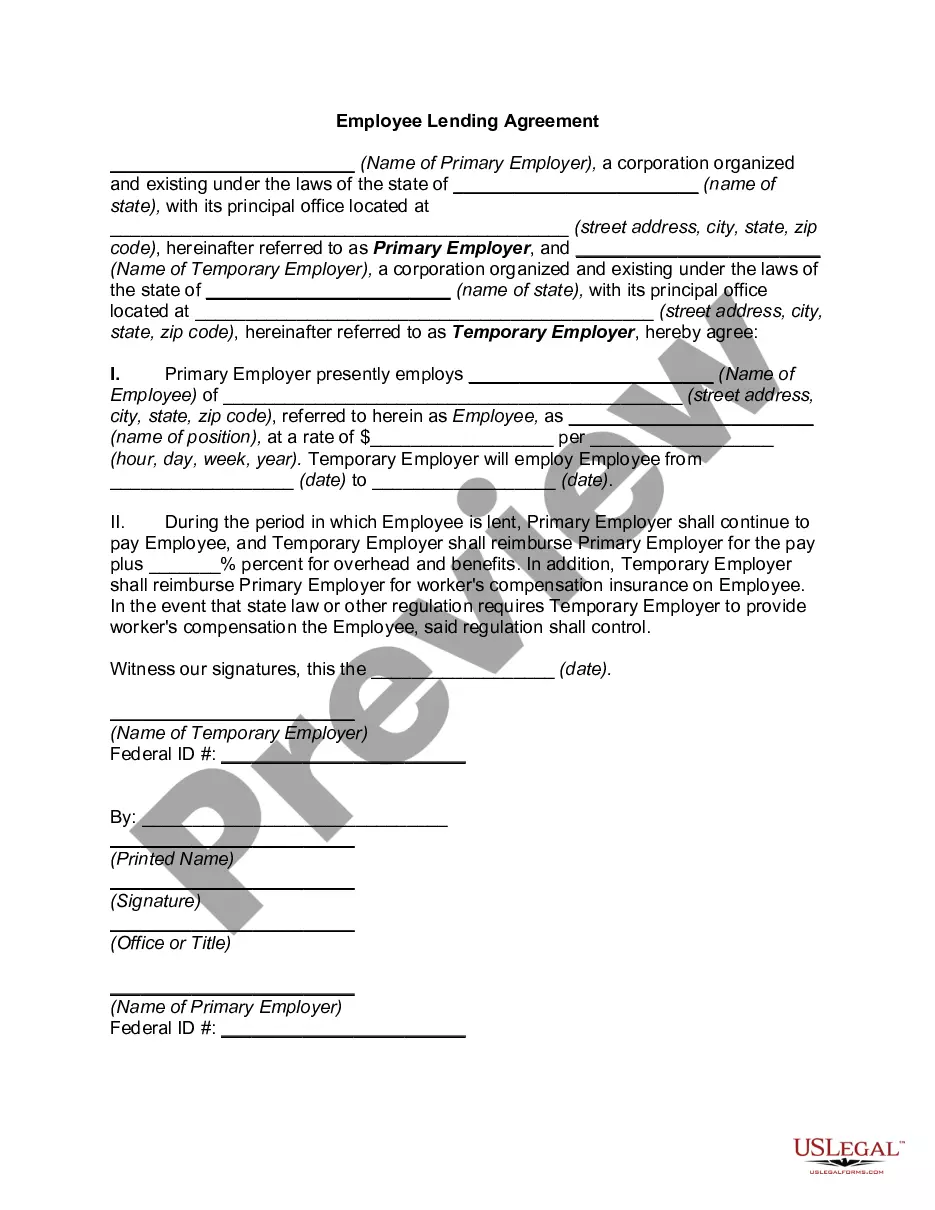
Get your form ready online
Our built-in tools help you complete, sign, share, and store your documents in one place.
Make edits, fill in missing information, and update formatting in US Legal Forms—just like you would in MS Word.
Download a copy, print it, send it by email, or mail it via USPS—whatever works best for your next step.
Sign and collect signatures with our SignNow integration. Send to multiple recipients, set reminders, and more. Go Premium to unlock E-Sign.
If this form requires notarization, complete it online through a secure video call—no need to meet a notary in person or wait for an appointment.
We protect your documents and personal data by following strict security and privacy standards.

Make edits, fill in missing information, and update formatting in US Legal Forms—just like you would in MS Word.

Download a copy, print it, send it by email, or mail it via USPS—whatever works best for your next step.

Sign and collect signatures with our SignNow integration. Send to multiple recipients, set reminders, and more. Go Premium to unlock E-Sign.

If this form requires notarization, complete it online through a secure video call—no need to meet a notary in person or wait for an appointment.

We protect your documents and personal data by following strict security and privacy standards.
Looking for another form?

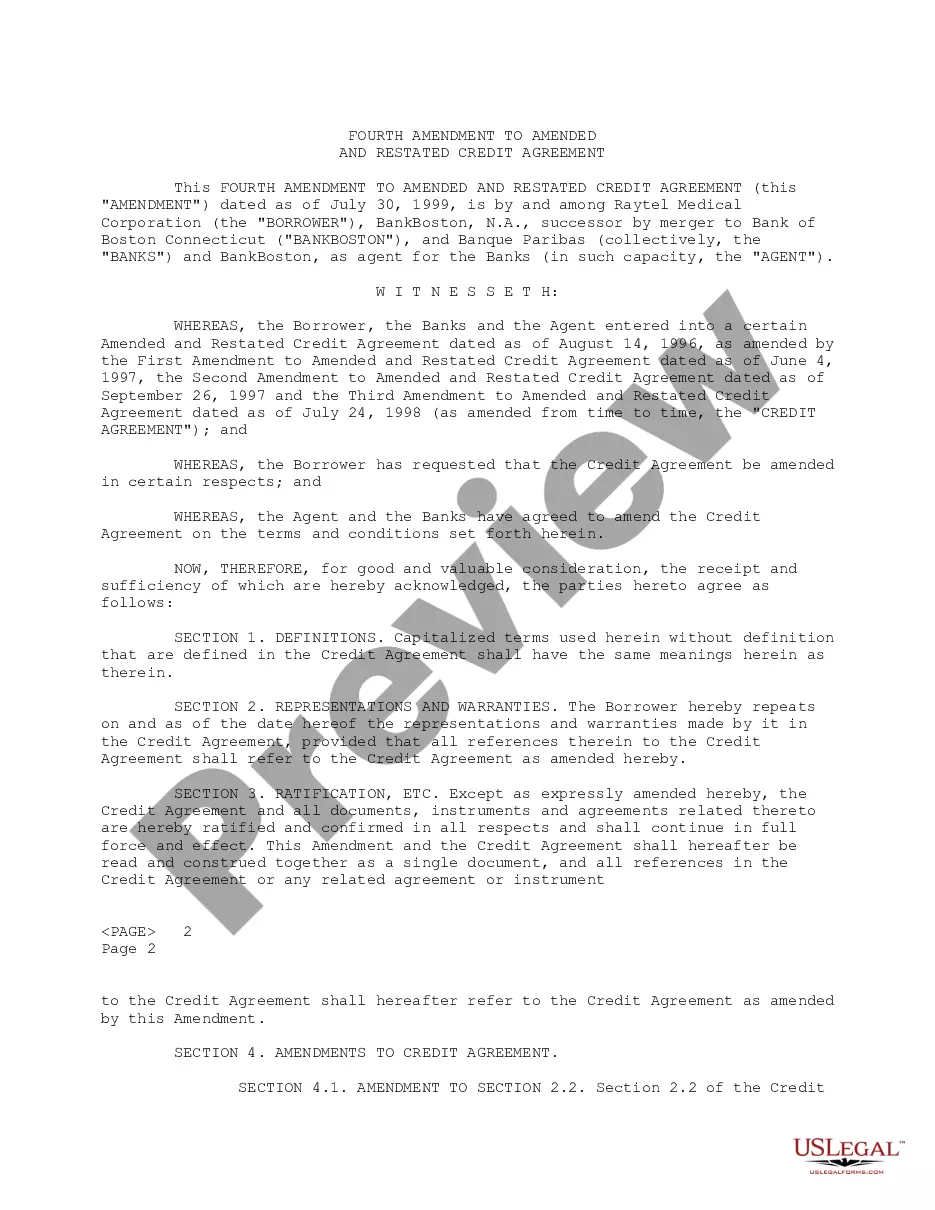
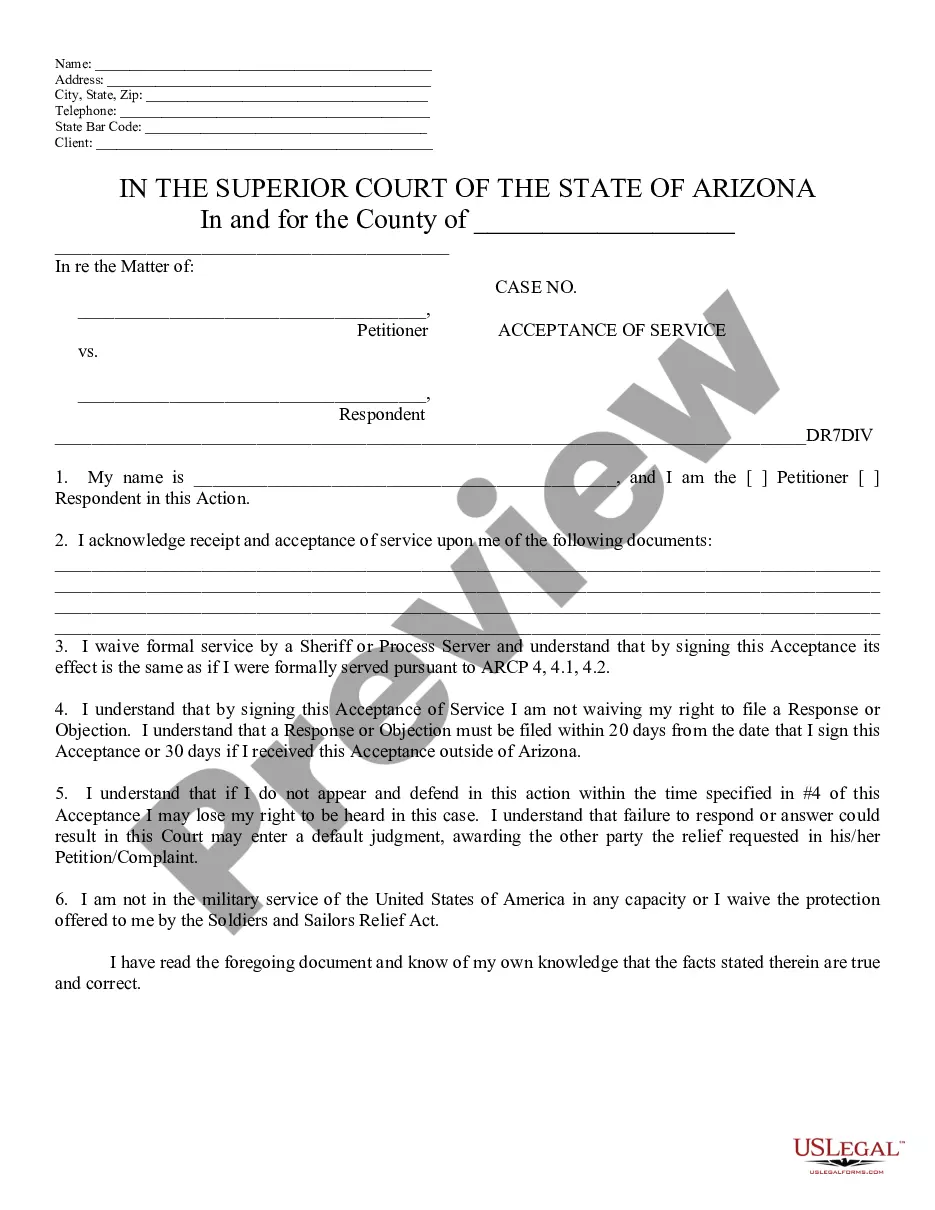



Form popularity
FAQ
Excel for the web If you created a form in Excel Online, every time you click Open in Excel (in the Responses tab), Excel for the webwill open with a workbook automatically saved to OneDrive for Business.
Start a new form Sign in to Microsoft 365 with your school or work credentials. Open the Excel workbook in which you want to insert a form. Select Insert > Forms > New Form. A new tab for Microsoft Forms will open in your web browser. Select the placeholder default title and change with your own.
Start a new workbook in Excel for the web Sign in to OneDrive. Click the folder where you want to add a new workbook. Click Create, and then click Excel workbook. Excel for the web opens in edit mode.
Create forms that users complete or print in Excel Step 1: Show the Developer tab. On the Excel menu, click Preferences. Step 2: Add and format content controls. On the Developer tab, click the control that you want to add. Step 3: Protect the sheet that contains the form. Step 4: Test the form (optional)
Follow these steps: Select the Developer tab in the top menu. Under Control, select Insert and choose the form element you need. Place the element on the spreadsheet. Right-click the element and select Format Controls to change its settings. Most Excel form elements read information from spreadsheet cells.
Step 1: Create a New Spreadsheet. Your first step is to create the employee database spreadsheet. Step 2: Add Columns. Step 3: Collect and Enter Employee Information. Step 4: Set Permissions & Access. Step 5: Keep Your Employee Database Updated.
Create forms that users complete or print in Excel Step 1: Show the Developer tab. On the Excel menu, click Preferences. Step 2: Add and format content controls. On the Developer tab, click the control that you want to add. Step 3: Protect the sheet that contains the form. Step 4: Test the form (optional)
Create a Form with Excel Online Open the Excel Online document the form will be inserted to. Click Insert > Forms > New Form. Enter a name for the form. If desired, a description can be added as well. Click Add New and choose the type of question. For Choice questions, add a question and options.
Article Details Ensure the PDF form's fields names are exactly the same as the Excel document's. See the screenshot below. Go back to Excel, click “File”-“Save As”-choose “Save As Type” “CSV UTF-8(Comma delimated)(. csv)”. Open the PDF file then go to “Form”->”Import” then choose the test. csv file to import.
From the Prepare a form panel, Select Options > Import data. Note: Importing data from another file into a PDF form replaces any existing information in the individual form fields. However, if the imported data file contains one or more blank form fields, the original data won't be cleared upon import.
