Good Faith Exam Template With Calculator In Phoenix
Description
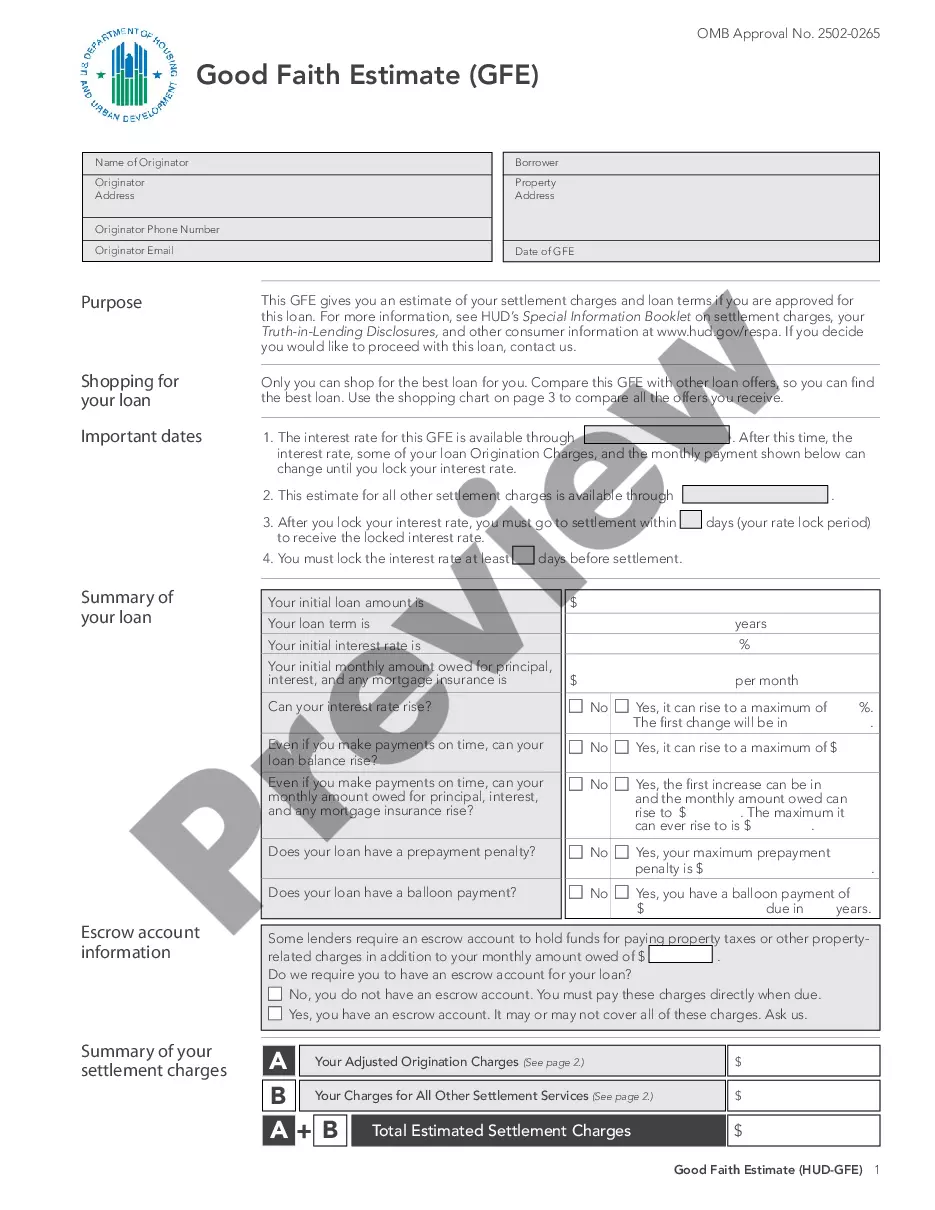
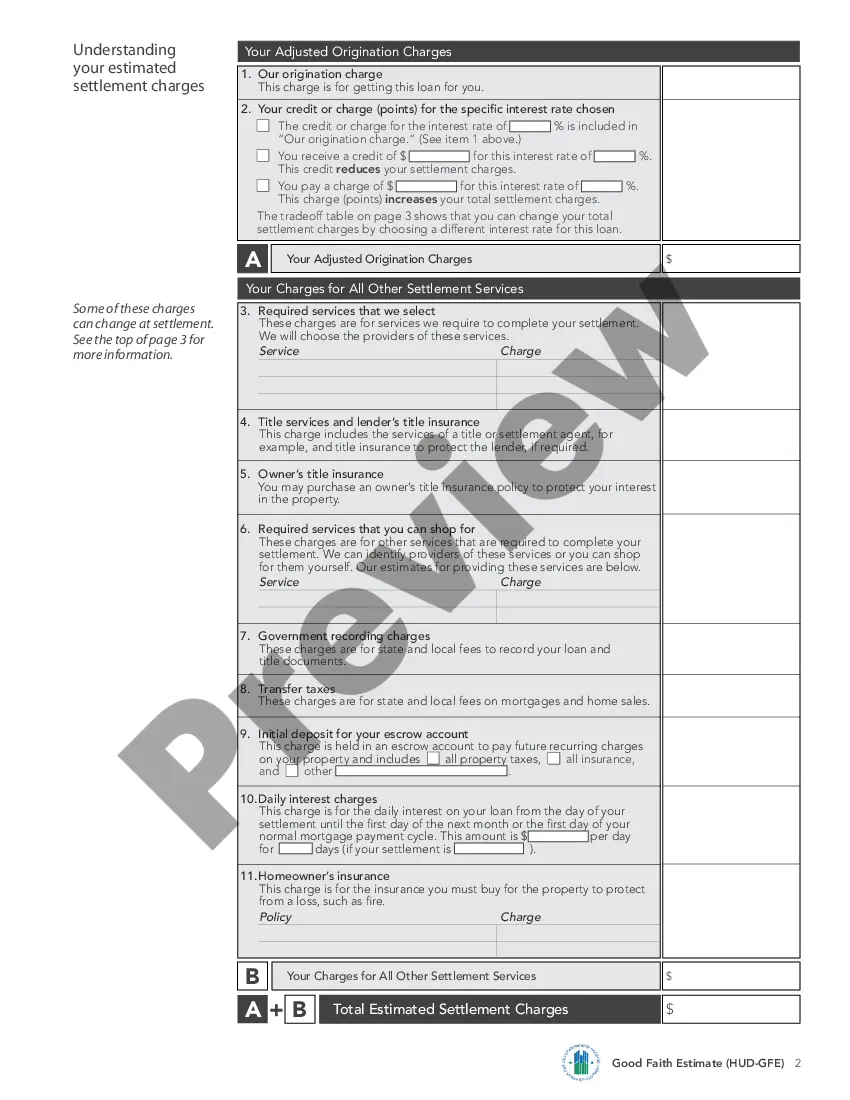
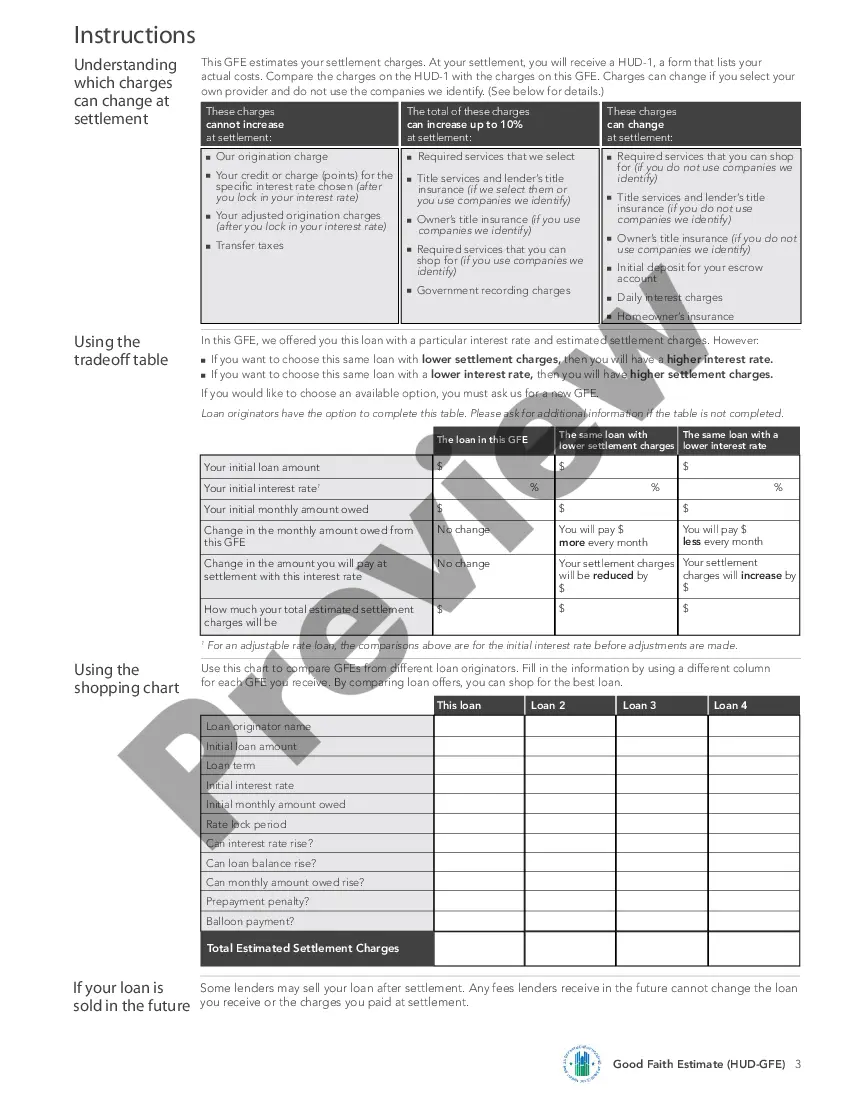
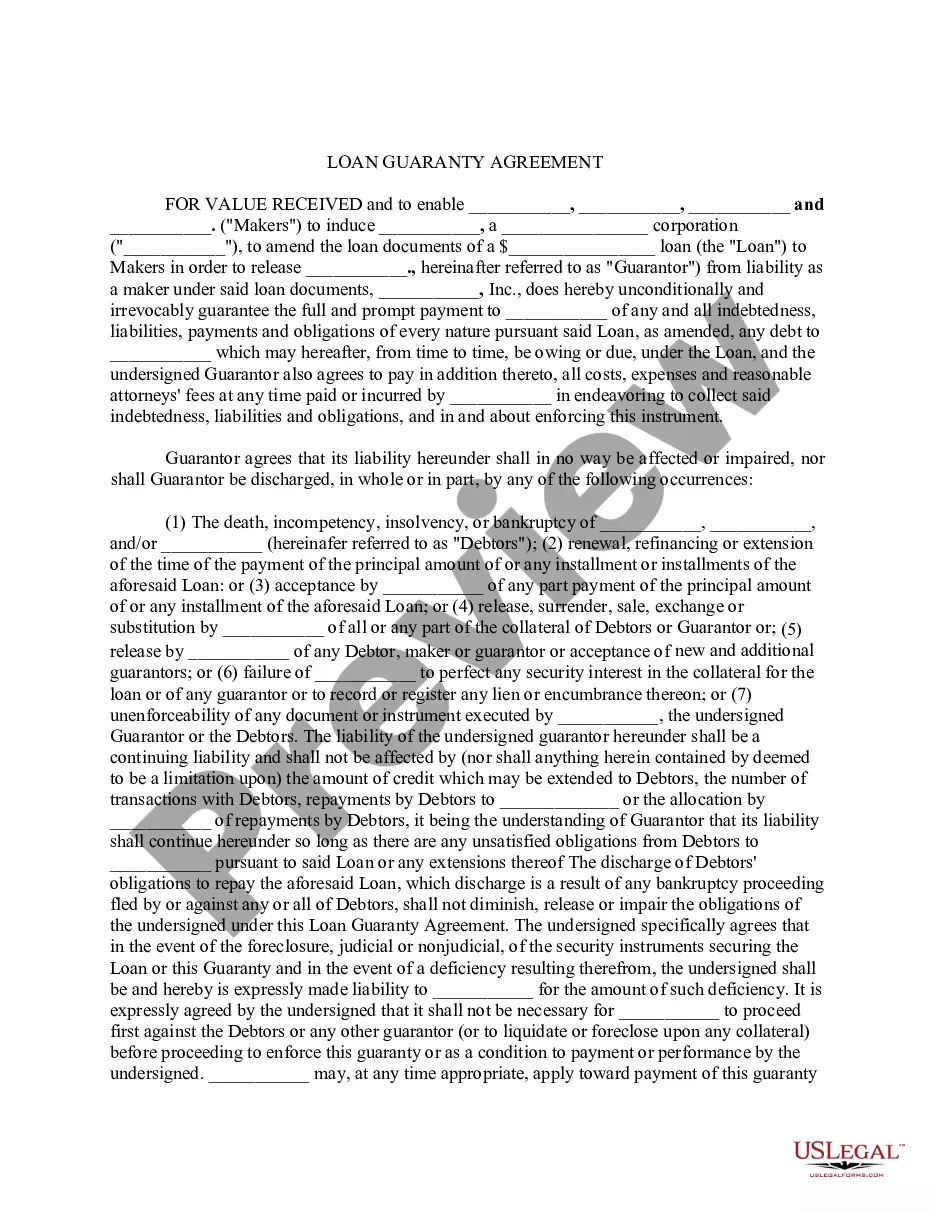

Get your form ready online
Our built-in tools help you complete, sign, share, and store your documents in one place.
Make edits, fill in missing information, and update formatting in US Legal Forms—just like you would in MS Word.
Download a copy, print it, send it by email, or mail it via USPS—whatever works best for your next step.
Sign and collect signatures with our SignNow integration. Send to multiple recipients, set reminders, and more. Go Premium to unlock E-Sign.
If this form requires notarization, complete it online through a secure video call—no need to meet a notary in person or wait for an appointment.
We protect your documents and personal data by following strict security and privacy standards.

Make edits, fill in missing information, and update formatting in US Legal Forms—just like you would in MS Word.

Download a copy, print it, send it by email, or mail it via USPS—whatever works best for your next step.

Sign and collect signatures with our SignNow integration. Send to multiple recipients, set reminders, and more. Go Premium to unlock E-Sign.

If this form requires notarization, complete it online through a secure video call—no need to meet a notary in person or wait for an appointment.

We protect your documents and personal data by following strict security and privacy standards.
Looking for another form?








Form popularity
FAQ
Procedures Involved in Conducting a GFE Firstly, patients are usually asked to fill out forms detailing their medical history and current symptoms. This is followed by a physical examination where the doctor assesses vital signs and checks various body systems.
Good faith exams serve as comprehensive assessments performed by medical professionals within the context of medical spas. These examinations assess a patient's overall health, identify potential contraindications, and determine the most appropriate treatment options.
A good faith estimate should include expected charges for the scheduled health care items and services, including facilities fees, hospital fees, and room and board provided by the provider or facility. Good faith estimates only list expected charges for a single provider or facility.
GFE's/Pre-IV Exam: Understanding the Importance of Your Good Faith Examination (GFE) What is a Good Faith Examination (GFE)? Before beginning any IV therapy treatment in Arizona, it is legally required to undergo a Good Faith Examination (GFE).
A diagnosis is required on the Good Faith Estimate once it's saved to the client's Overview page. There isn't a way to remove it from this document.
The good faith estimate must include a number of disclaimers. For example, it must state that the estimate is based on information known at the time it was created. Therefore, it won't include any costs for unanticipated items or services that are not reasonably expected and that could occur due to unforeseen events.
So in a situation where a nurse can be a part-owner of the medical practice, generally there's no need for an MSO. But for example, in California, a nurse can only own 49% maximum. So you can only take 49% of the earnings of that med spa.
Arizona good faith exams enhance patient care by focusing on the patient's medical history and overall health status. These evaluations provide personalized treatment recommendations, ensuring all medical spa treatments are performed safely and to the highest standard.
It is mandated by the Medical Board of California that before any treatment is administered, a Good Faith Exam must be conducted. Our Good Faith Exam services ensure that every step meets Medical Board requirements, providing a secure and reliable start to your care.
Good faith exams, also known as pre-authorization exams, are done before any medical procedure or surgery to evaluate whether it is safe or necessary to proceed with the treatment. The exams serve a fundamental purpose; they guarantee that the medical treatments are warranted and beneficial for the patient.
