Good Faith Exam Template With Iv Hydration In Ohio
Description
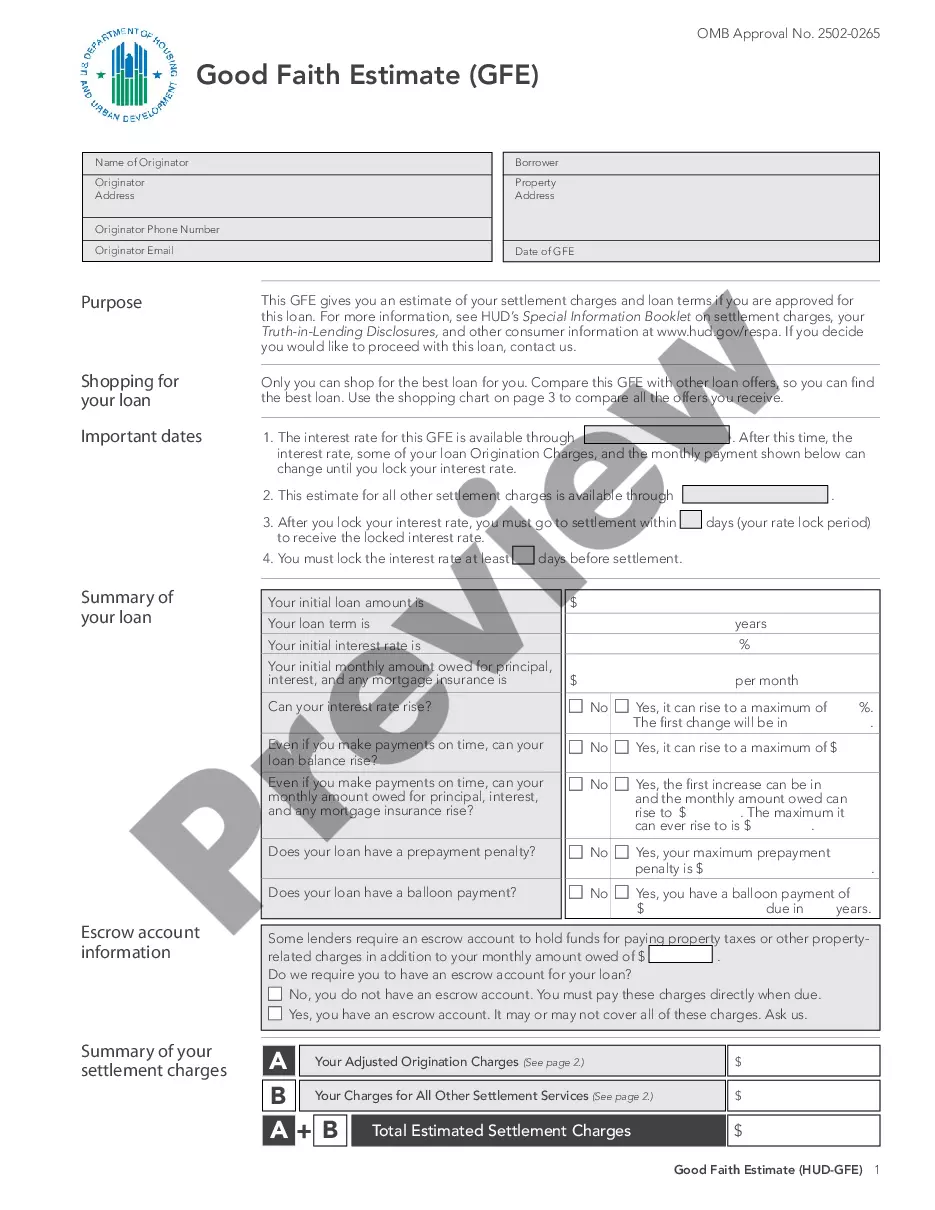
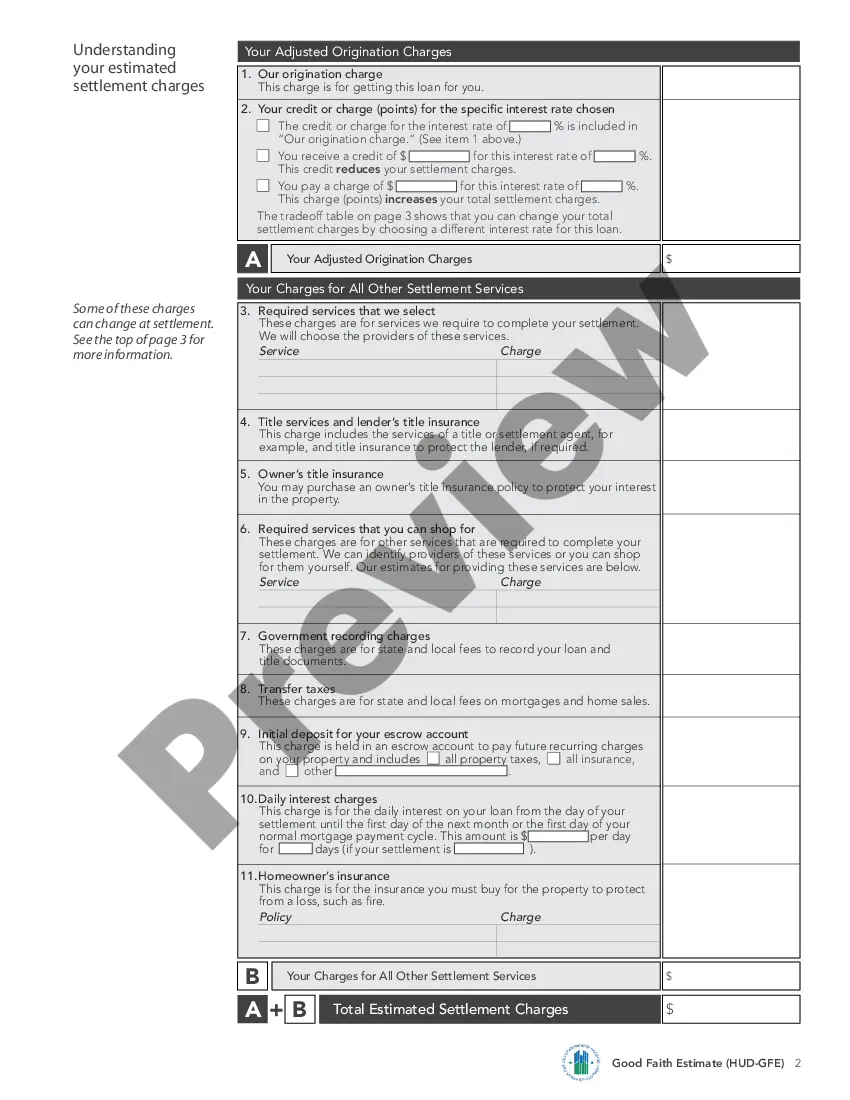
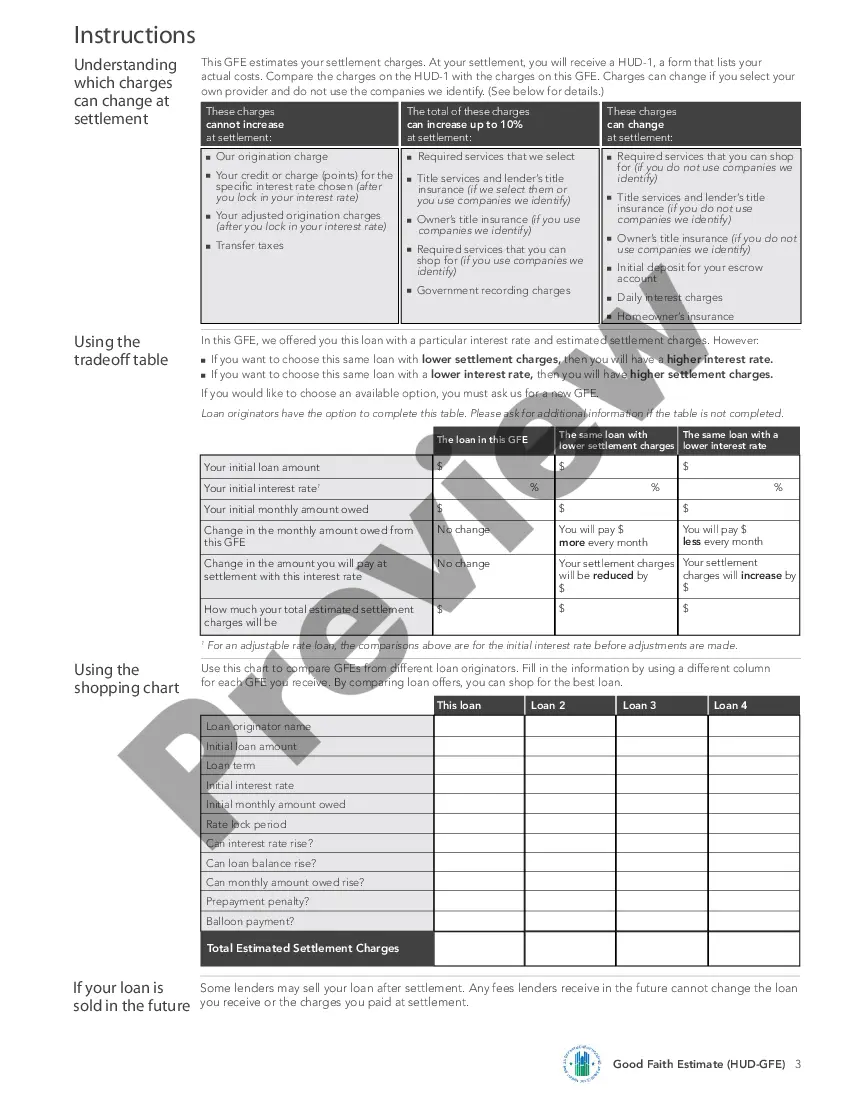
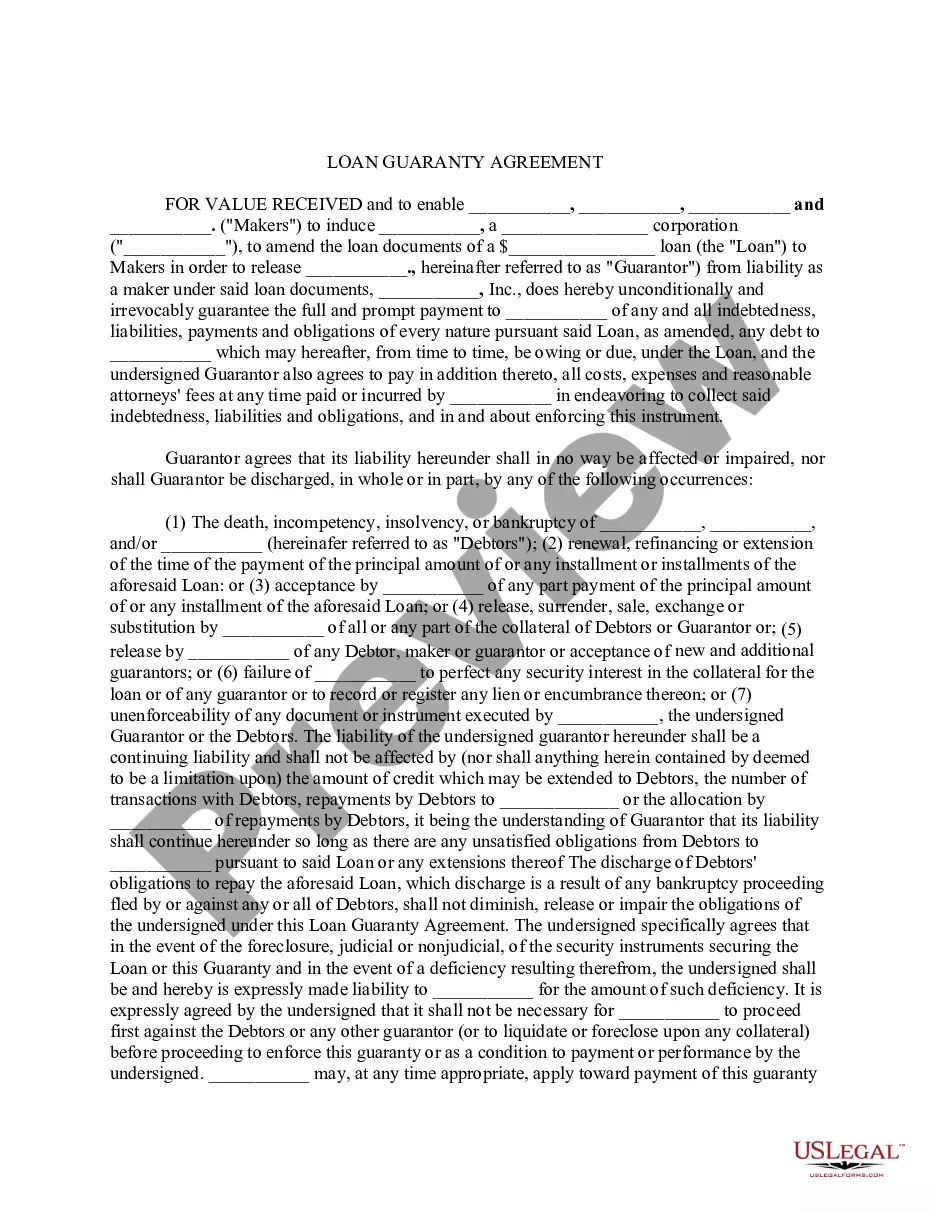
Get your form ready online
Our built-in tools help you complete, sign, share, and store your documents in one place.
Make edits, fill in missing information, and update formatting in US Legal Forms—just like you would in MS Word.
Download a copy, print it, send it by email, or mail it via USPS—whatever works best for your next step.
Sign and collect signatures with our SignNow integration. Send to multiple recipients, set reminders, and more. Go Premium to unlock E-Sign.
If this form requires notarization, complete it online through a secure video call—no need to meet a notary in person or wait for an appointment.
We protect your documents and personal data by following strict security and privacy standards.

Make edits, fill in missing information, and update formatting in US Legal Forms—just like you would in MS Word.

Download a copy, print it, send it by email, or mail it via USPS—whatever works best for your next step.

Sign and collect signatures with our SignNow integration. Send to multiple recipients, set reminders, and more. Go Premium to unlock E-Sign.

If this form requires notarization, complete it online through a secure video call—no need to meet a notary in person or wait for an appointment.

We protect your documents and personal data by following strict security and privacy standards.
Looking for another form?
Form popularity
FAQ
It is mandated by the Medical Board of California that before any treatment is administered, a Good Faith Exam must be conducted. Our Good Faith Exam services ensure that every step meets Medical Board requirements, providing a secure and reliable start to your care.
Procedures Involved in Conducting a GFE Firstly, patients are usually asked to fill out forms detailing their medical history and current symptoms. This is followed by a physical examination where the doctor assesses vital signs and checks various body systems.
Good faith exams (GFE's,) often referred to as pre-authorization or clearance exams, are evaluations conducted by advanced practitioners prior to a conducting medical procedure. These exams aim to confirm the medical necessity of the procedure and ensure it is the most suitable choice for the patient's health.
Having an IV certification is a valuable asset for healthcare professionals, as it shows that you have the skills and knowledge necessary to provide high-quality patient care.
You must be a current LPN or RN. Most states then require nurses to obtain certification in IV Therapy through a program such as the one at Cambridge.
To become a certified IV therapist, research state requirements, complete an approved training program, pass a skills checkoff exam, and obtain your certificate. Maintain certification through continuing education, with costs typically ranging from $175 to $416 depending on the program.
Becoming an IV therapist requires some sort of educational prerequisite, generally a nursing degree. Aspiring IV therapists must also complete an initial certification program, which generally involves a combination of practice hours and classroom/hands-on training. The precise rules vary by state.
Nope. You wouldn't have the skill set needed to assess before you administered IV fluids. Plus you would have no order for the IV. You need to have the proper professional training.
A practitioner can also own an IV Therapy Practice, however, the provider scope of practice will vary state by state. Some states allow NPs and CRNAs to practice independently (without physician involvement), others require NPs or CRNAs to collaborate with or be supervised by a physician.
Hot Take: With profit margins ranging from 50% to 80%, offering IV hydration services can be a highly profitable venture if done right.
