Good Faith Estimate Template Excel With Payment In Middlesex
Description
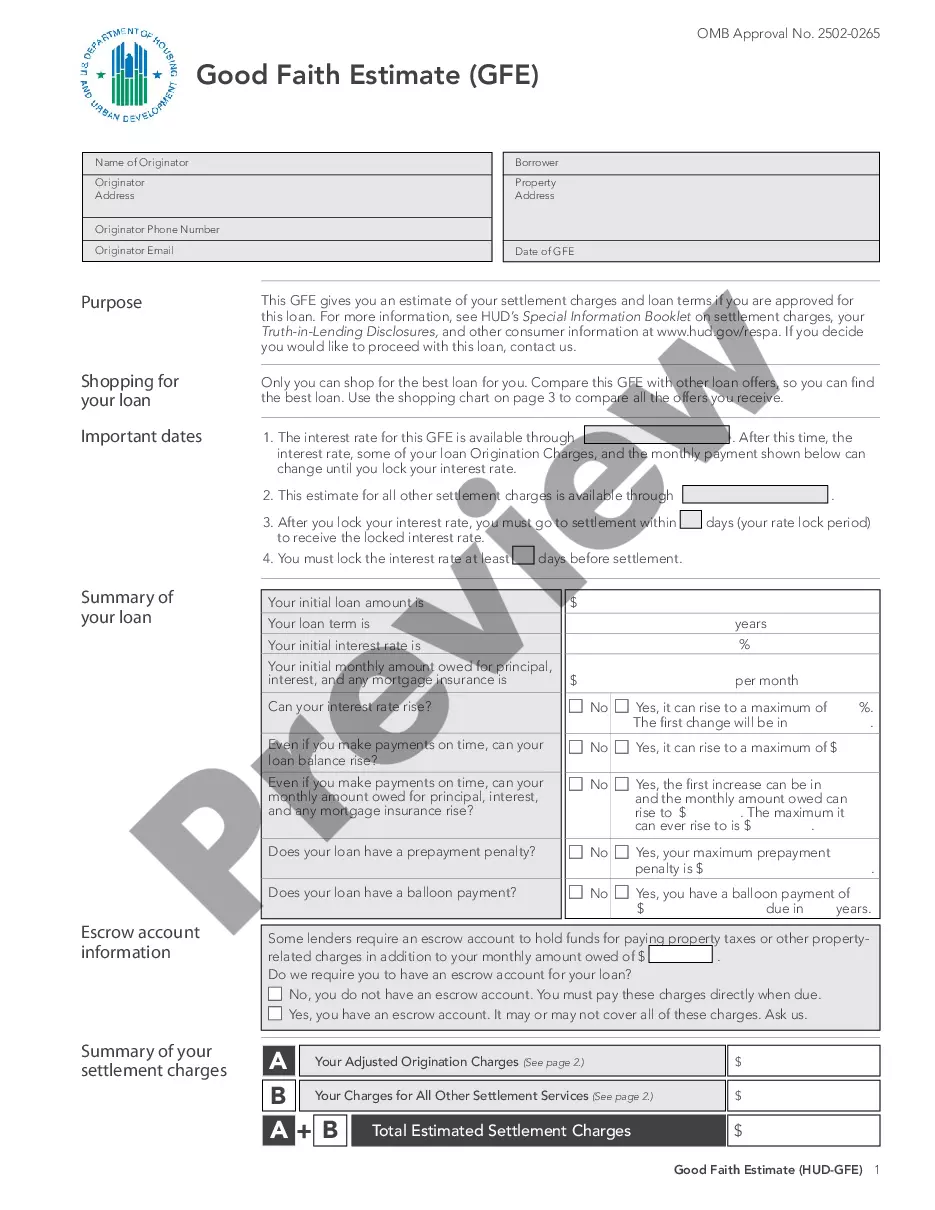
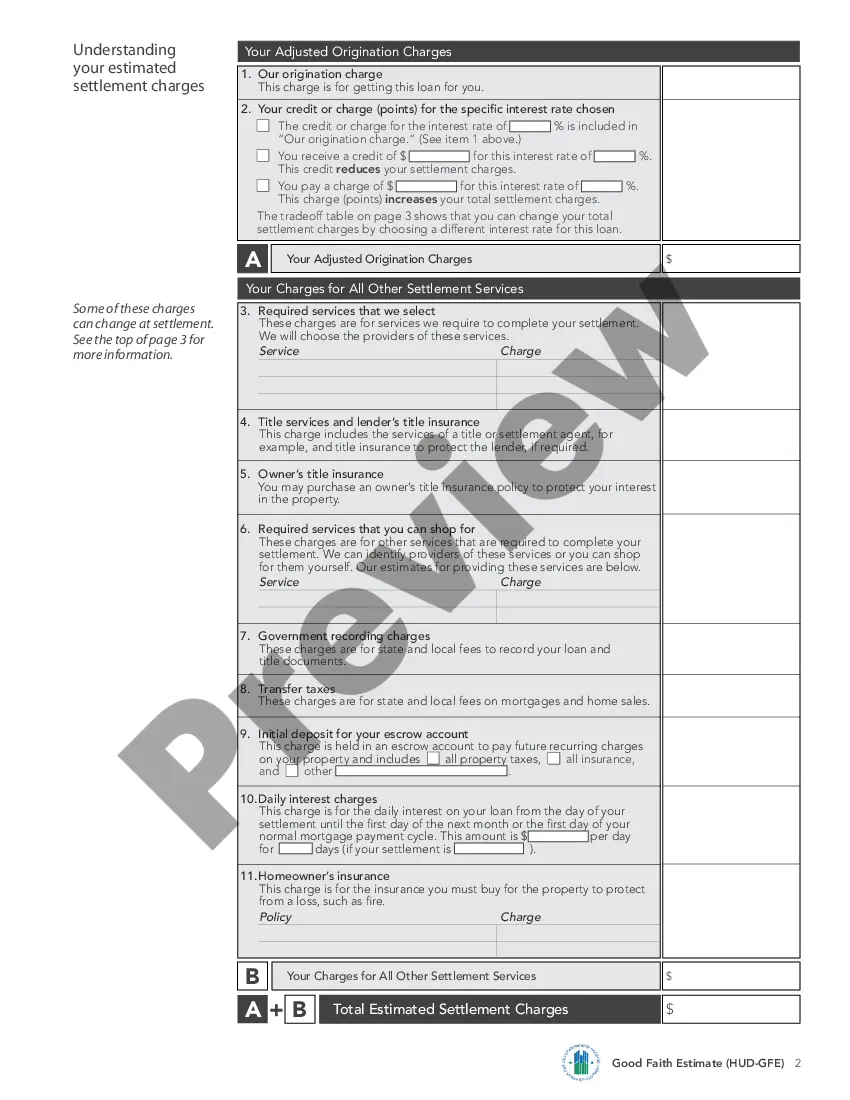
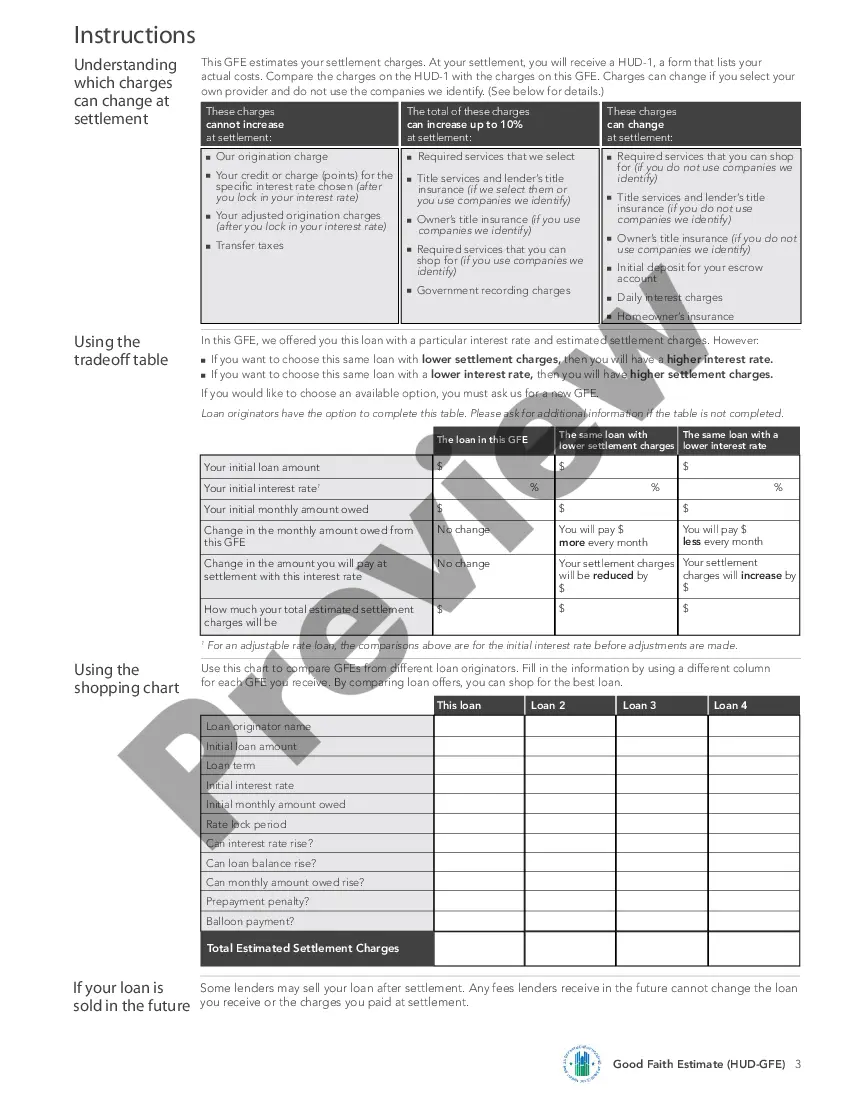
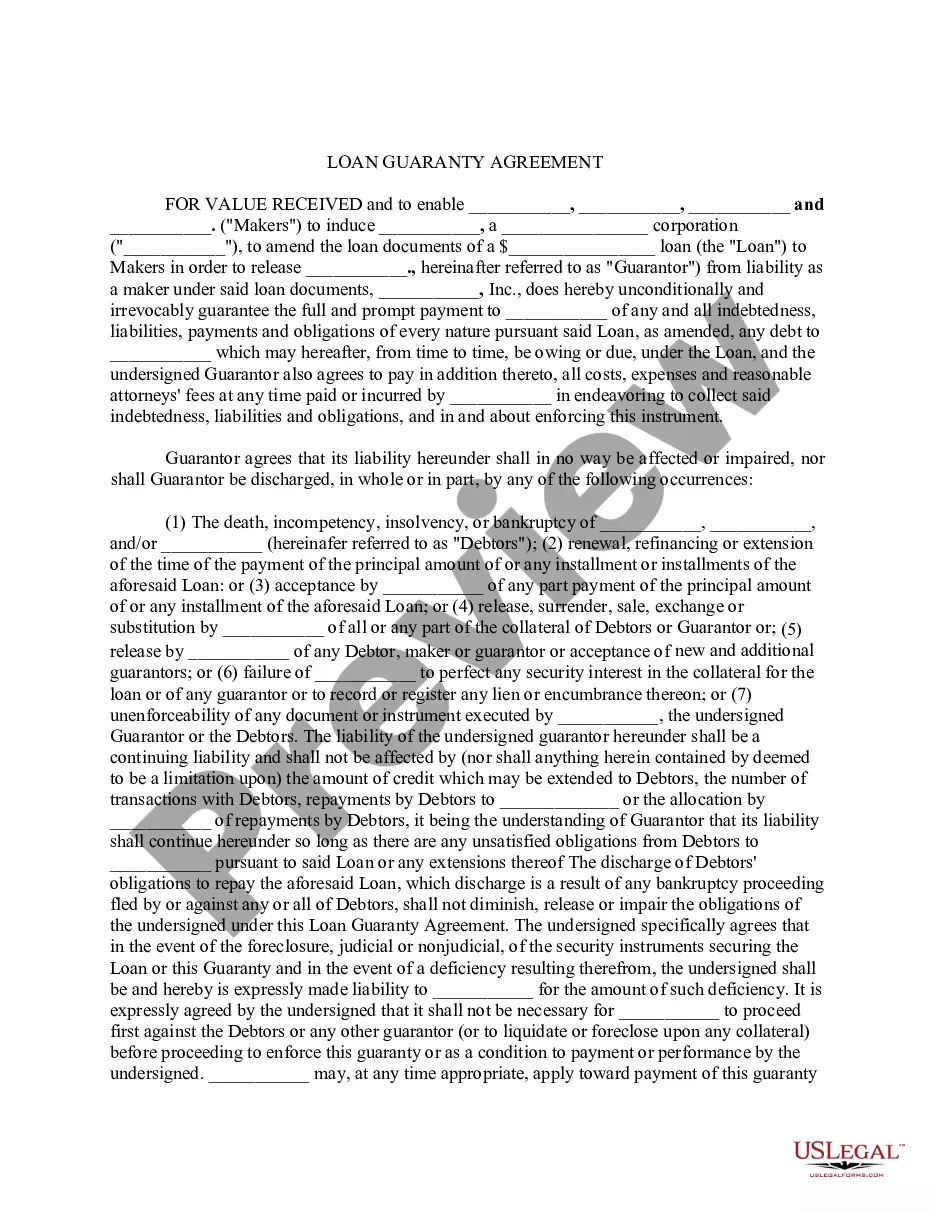
Get your form ready online
Our built-in tools help you complete, sign, share, and store your documents in one place.
Make edits, fill in missing information, and update formatting in US Legal Forms—just like you would in MS Word.
Download a copy, print it, send it by email, or mail it via USPS—whatever works best for your next step.
Sign and collect signatures with our SignNow integration. Send to multiple recipients, set reminders, and more. Go Premium to unlock E-Sign.
If this form requires notarization, complete it online through a secure video call—no need to meet a notary in person or wait for an appointment.
We protect your documents and personal data by following strict security and privacy standards.

Make edits, fill in missing information, and update formatting in US Legal Forms—just like you would in MS Word.

Download a copy, print it, send it by email, or mail it via USPS—whatever works best for your next step.

Sign and collect signatures with our SignNow integration. Send to multiple recipients, set reminders, and more. Go Premium to unlock E-Sign.

If this form requires notarization, complete it online through a secure video call—no need to meet a notary in person or wait for an appointment.

We protect your documents and personal data by following strict security and privacy standards.
Looking for another form?

Form popularity
FAQ
A good faith estimate should include expected charges for the scheduled health care items and services, including facilities fees, hospital fees, and room and board provided by the provider or facility. Good faith estimates only list expected charges for a single provider or facility.
Real Estate Settlement Procedures Act (RESPA) RESPA requires that borrowers receive disclosures at various times. Some disclosures spell out the costs associated with the settlement, outline lender servicing and escrow account practices and describe business relationships between settlement service providers.
You should get a good faith estimate if you schedule an appointment at least 3 business days in advance. You can ask your provider directly for an estimate if they don't give one to you. When you schedule care 0-2 business days in advance, you aren't entitled to get a good faith estimate.
Good faith estimates only list expected charges for a single provider or facility. You may get an estimate from both your provider and facility, or from multiple providers.
The estimate must: Include an itemized list with specific details and expected charges for items and services related to your care. For example: you're scheduled for surgery. You should request 2 good faith estimates: one from the surgeon, and one from the hospital.
Good-faith can be raised in circumstances where the recourse for raising chargeback/representment/debit adjustment within the prescribed period has lapsed. 2. Issuer/Acquirer Bank can raise Good-faith within 60 days from the date of chargeback/representment/debit adjustment expiry date.
Implied covenant of good faith and fair dealing (often simplified to good faith) is a rule used by most courts in the United States that requires every party in a contract to implement the agreement as intended, not using means to undercut the purpose of the transaction.
The good faith estimate must include a number of disclaimers. For example, it must state that the estimate is based on information known at the time it was created. Therefore, it won't include any costs for unanticipated items or services that are not reasonably expected and that could occur due to unforeseen events.
A good faith estimate isn't a bill Generally, the good faith estimate must include expected charges for: The primary item or service • Any other items or services you're reasonably expected to get as part of the primary item or service for that period of care.
Good Faith Disclosure means a disclosure concerning suspected Improper Activity that is determined to be based on reasonable belief and is not malicious, frivolous, or vexatious.
