Contract For Film Music In Tarrant
Description


Form popularity
FAQ
Signed Artists. In the modern music industry, it's getting easier to release your music and build a music career without the backing of a record label. There are more independent artists than ever before breaking into the mainstream without the support of a label.
The most important thing to know is that there are two rights to every song. There is the person who wrote the song (who holds the publisher rights, aka “sync” rights) and the person who recorded it (who holds the “master” rights). To use this piece of music you need permission from both entities.
Out of all of the types of music contracts, co-publishing (co-pub) agreements are the most frequently used. Under this agreement, the music publishing company and the artist are partners, and both parties co-own the copyrights to the music. Terms can vary widely, but a 50/50 split is common.
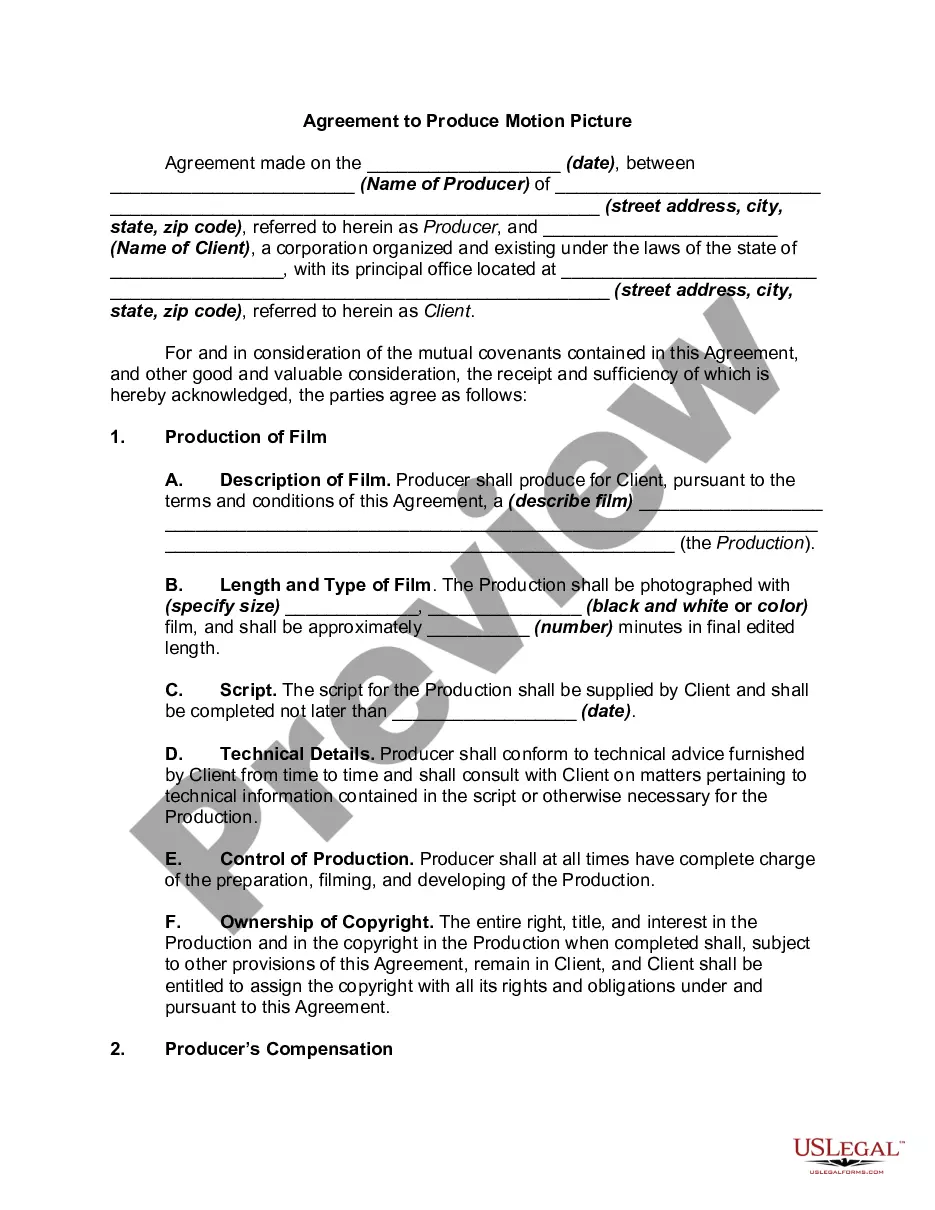
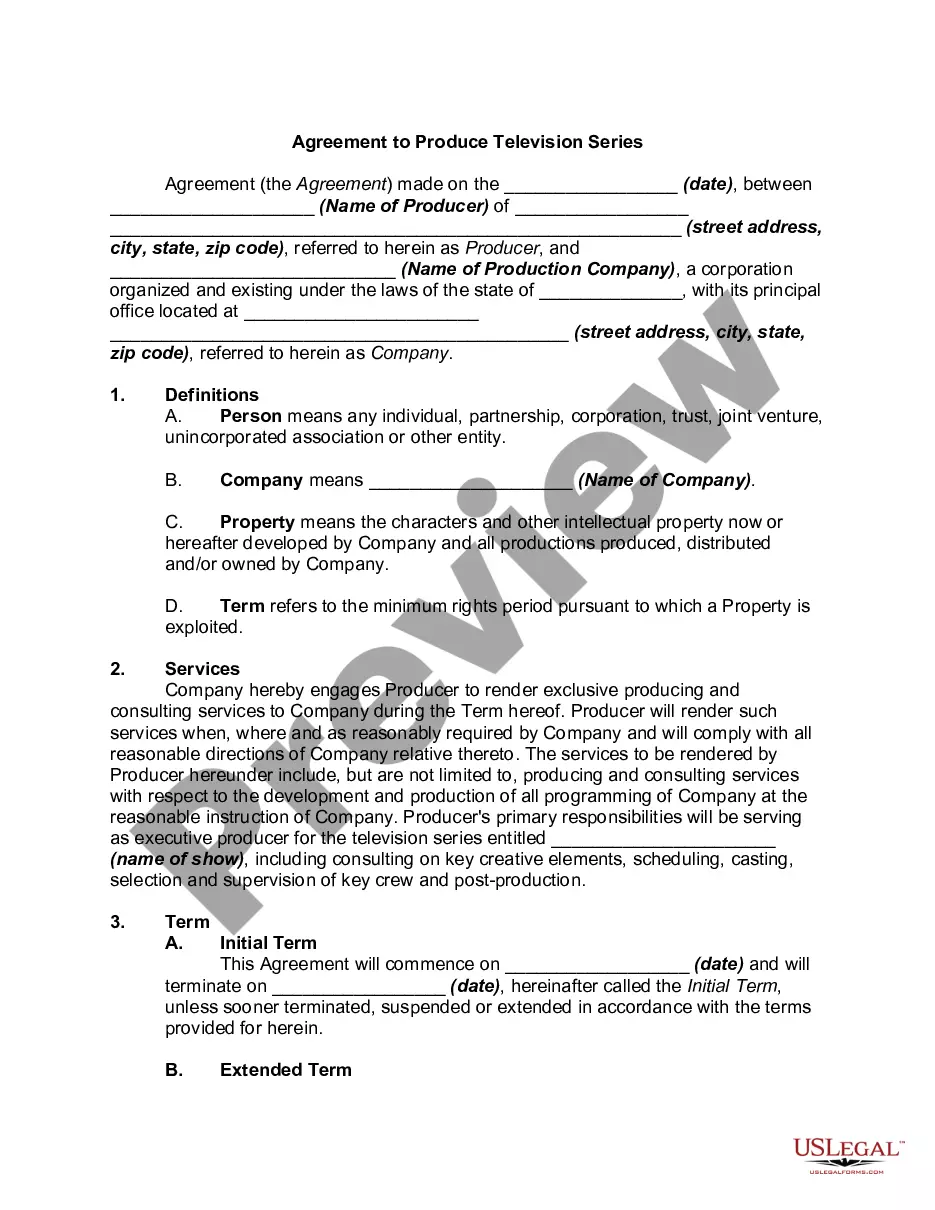
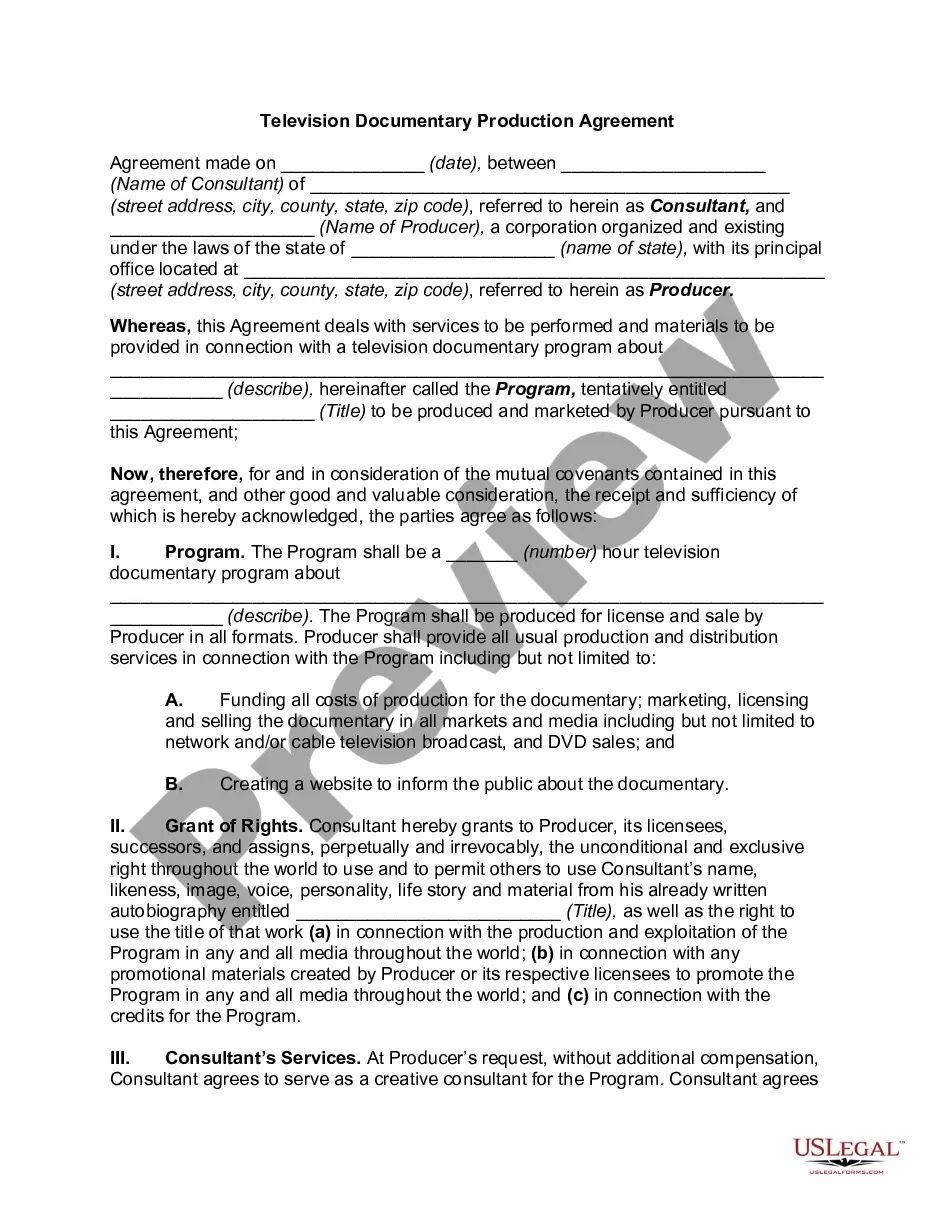
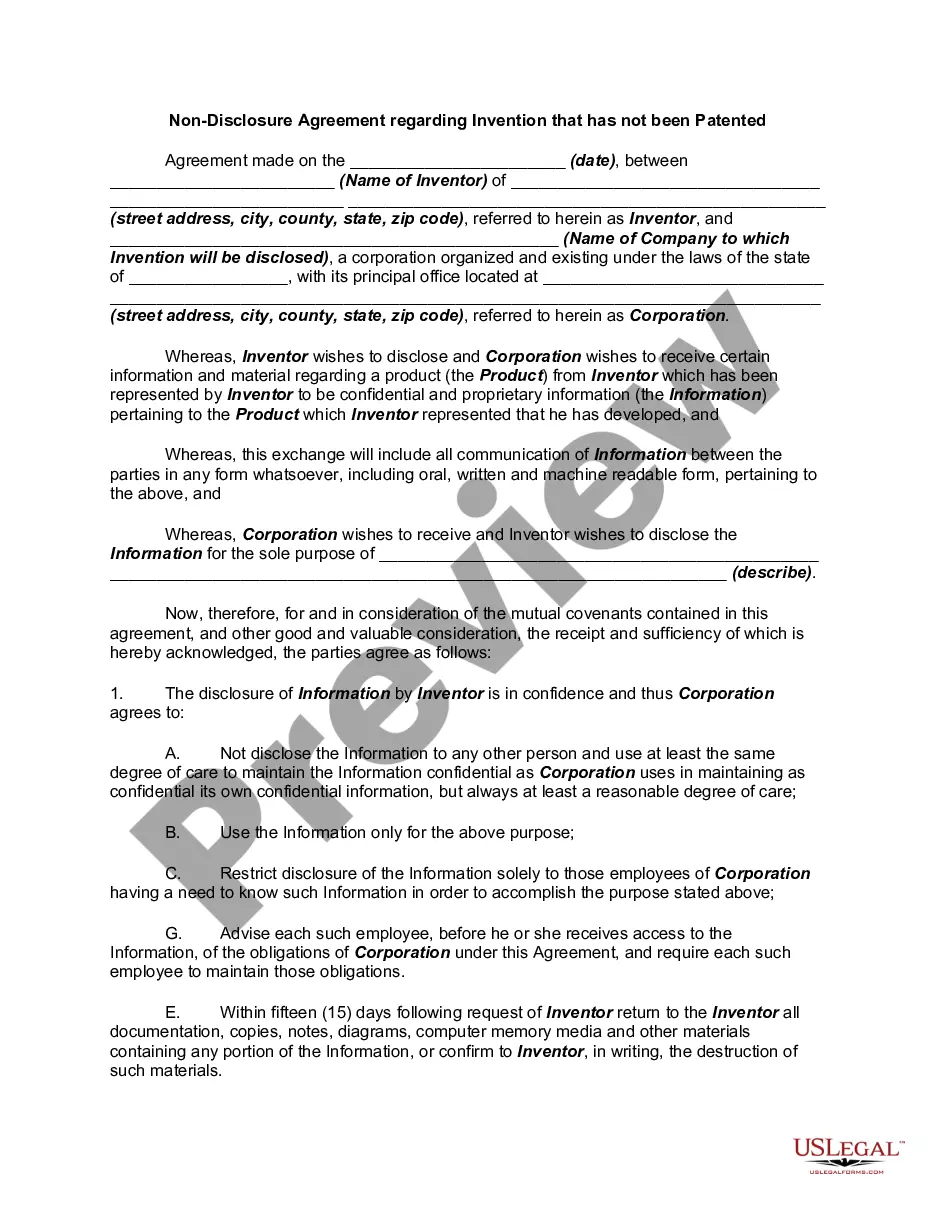
A music release form is an agreement that permits a filmmaker or a media house to use an artist's music for a film or other production. This online form can serve as a legal basis for both parties, underlining their rights and obligations.
Direct Sales: Create your own website or use platforms like Bandcamp to sell your music directly to filmmakers. Sync Licensing: Reach out to filmmakers and content creators directly or use platforms that connect musicians with filmmakers. Demos: Create a demo reel showcasing your best work.
Your Music Recording Contract should cover details like: Compensation and royalties. Where and when the album will be recorded. The album's release date. Who has creative control over specific elements of the album. The termination clause. The exclusive agreement clause. Dispute resolution. Promotional appearances.
Career Path Study a lot of music: not just film music. Develop a unique artistic voice. Think about what it should say with music and how to say it. Get practice by working on small projects. Research different Composers and look for opportunities to apprentice with them.
You need to find an intermediary that will represent your songs, it can be a publisher, a licensing library, in independent agent/publicist...etc., someone or a company who has connections and can get songs to the ears of the right music supervisors at the right time. And it's not an easy job at all!
Generally, to license music for film you need to contact the publisher of the song and the owner of the master recording you want to use. The publisher's contact info can be found by searching for the song on ASCAP or BMI websites. The owner of the master is likely the record label.
