Film Contract Template For Contractors In Suffolk
Description

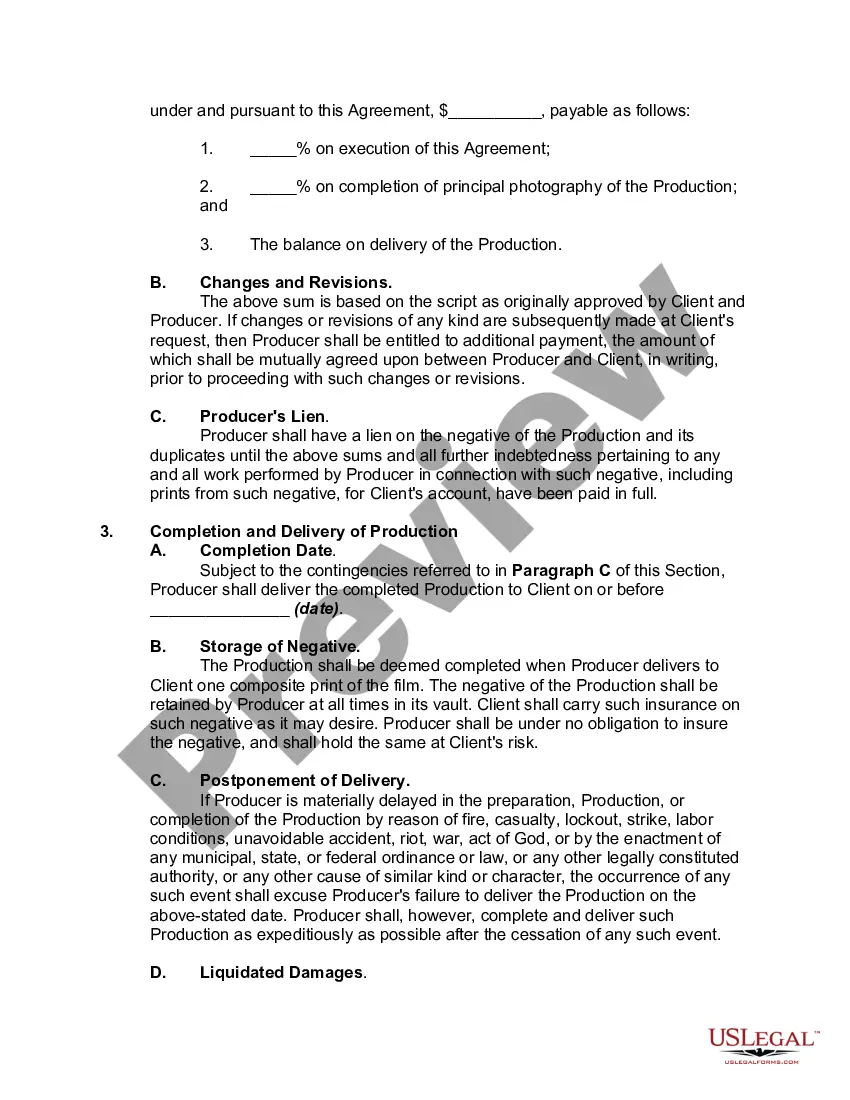
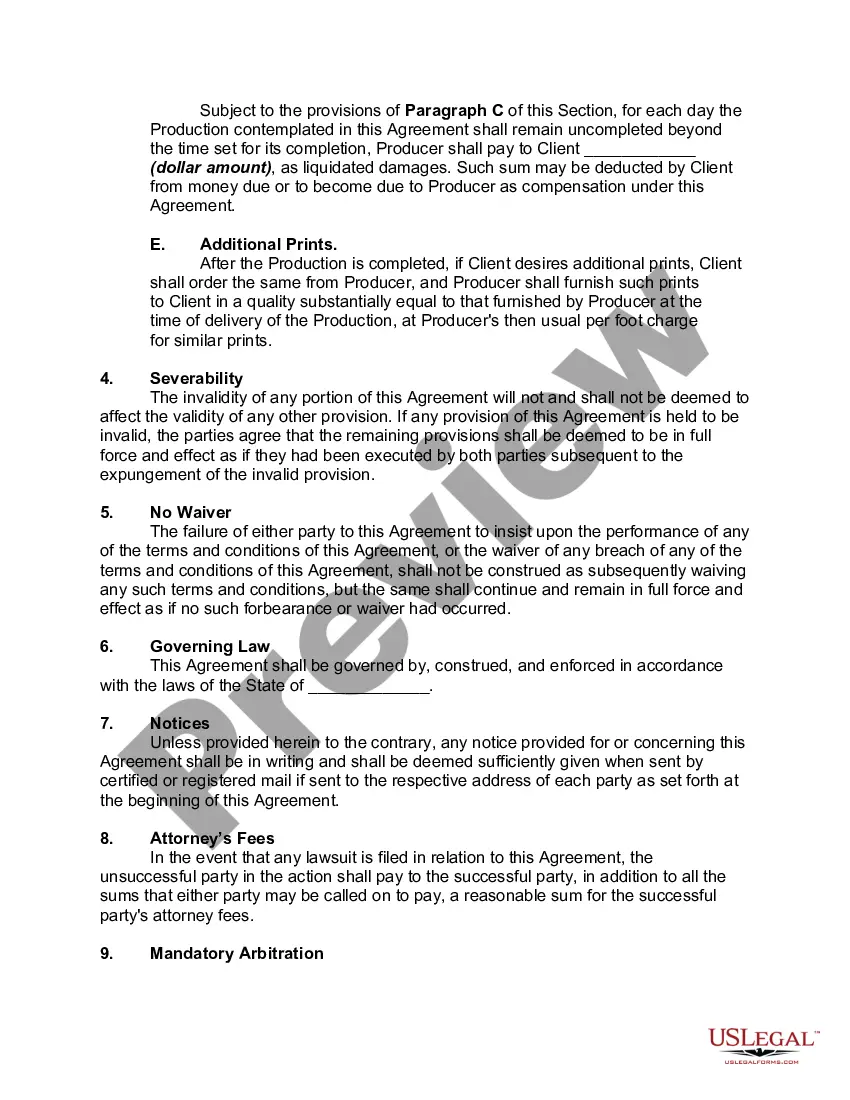
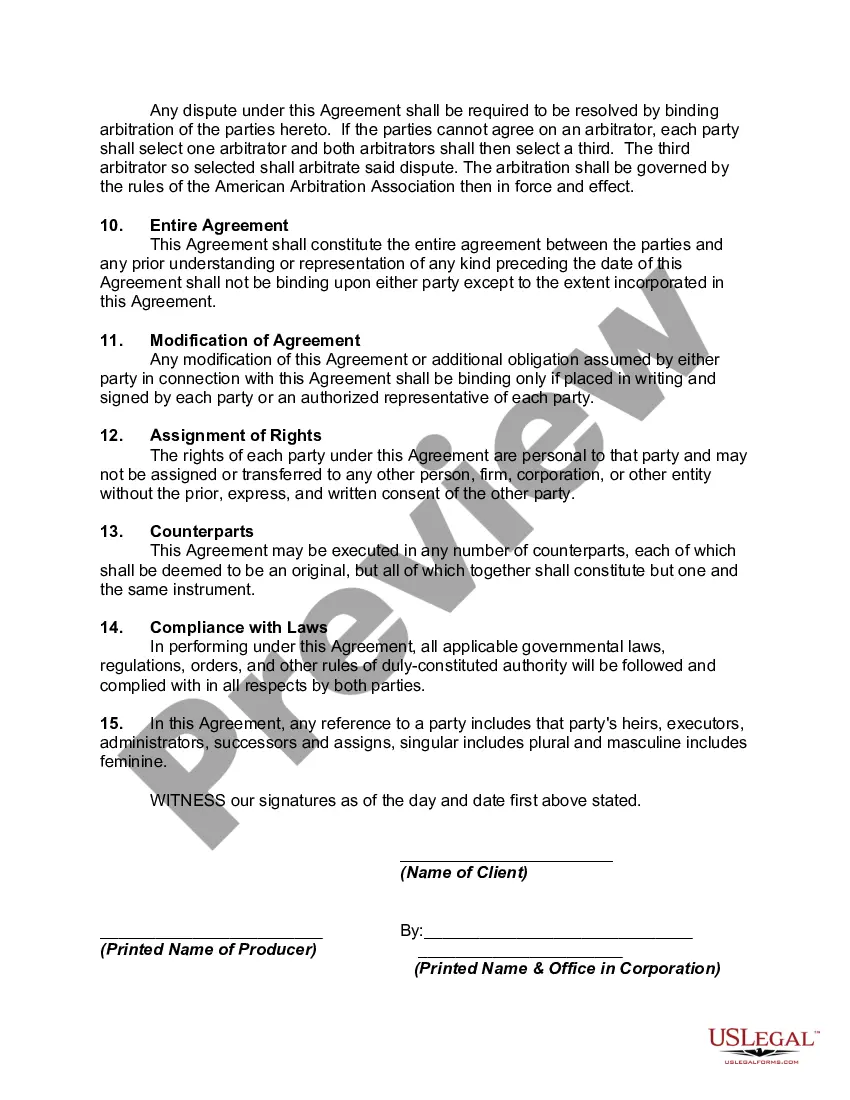
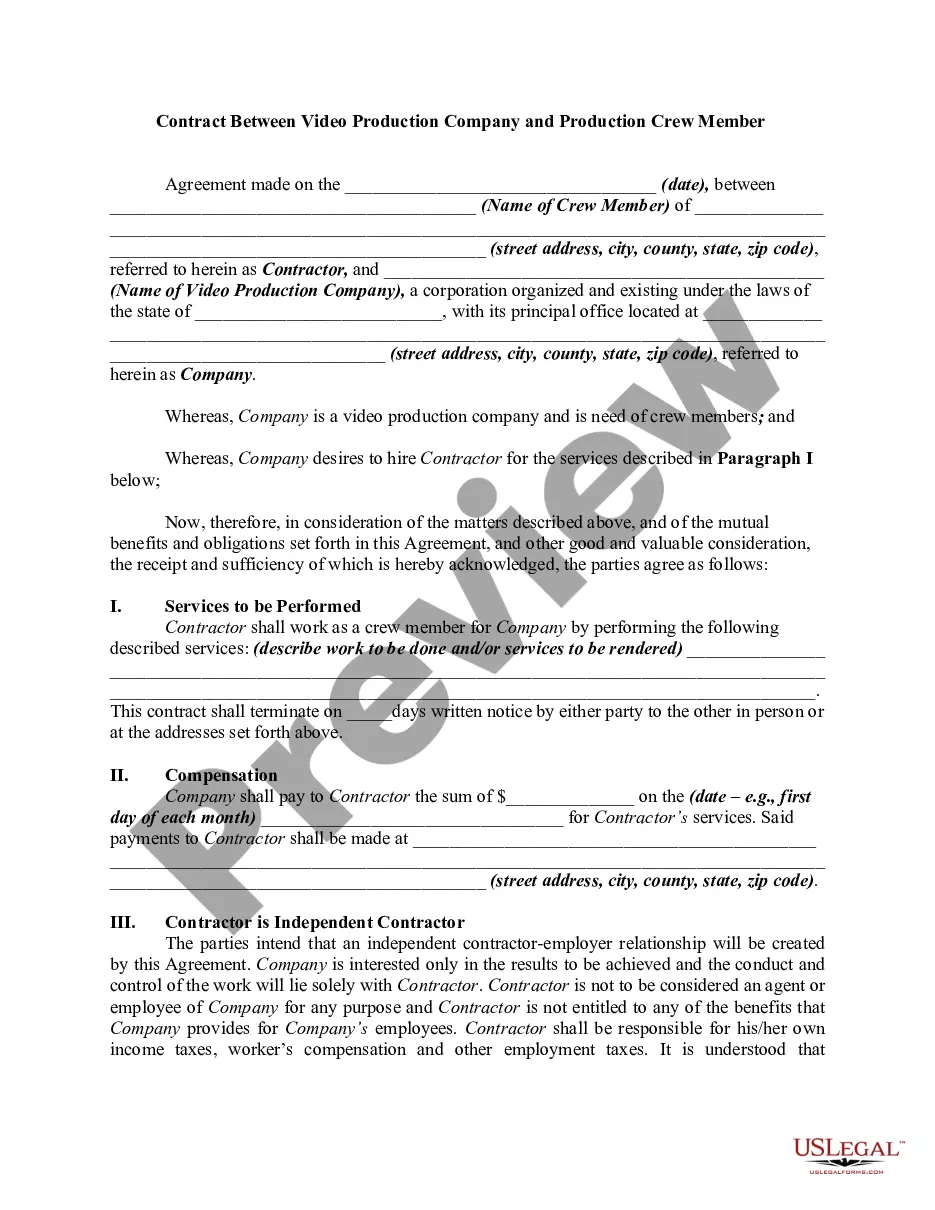
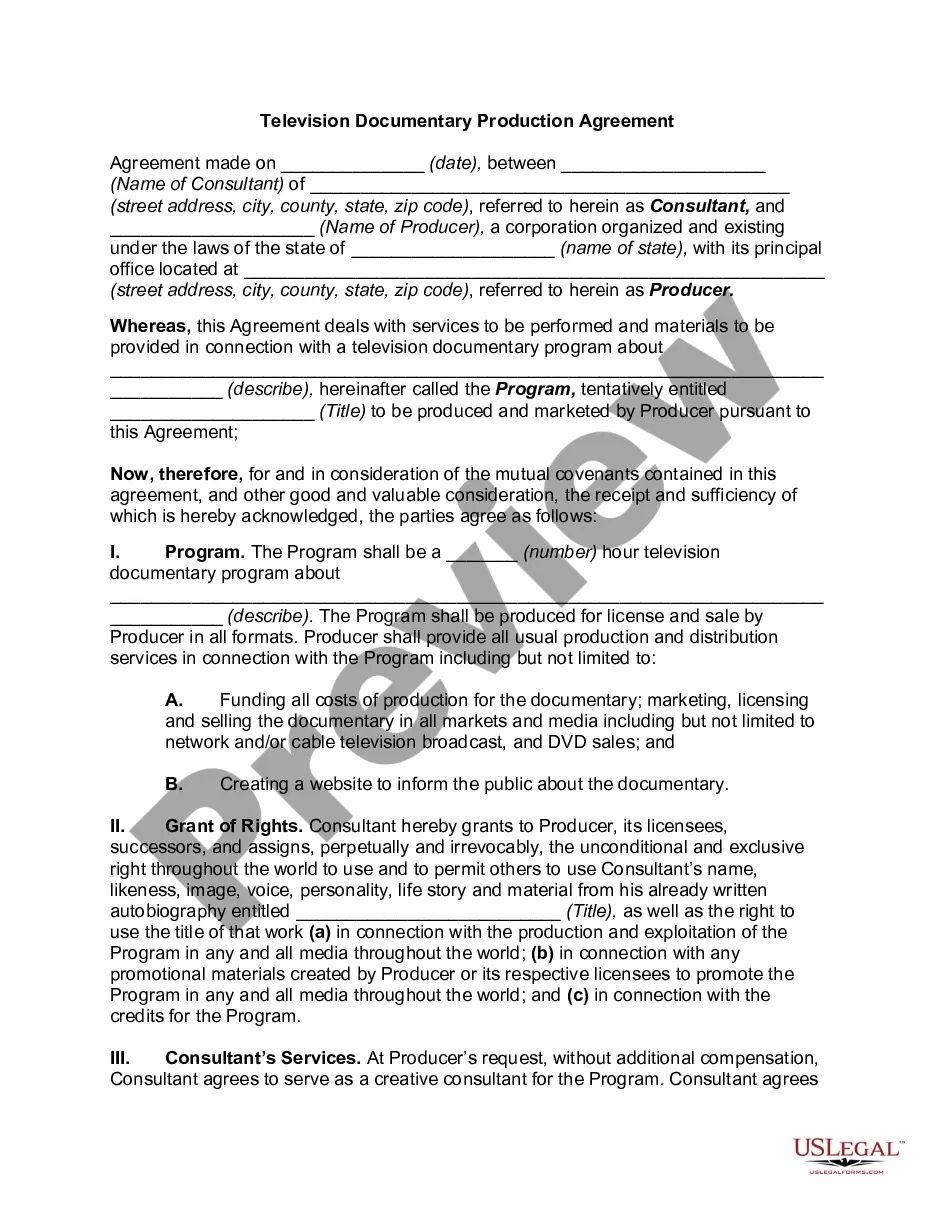
Get your form ready online
Our built-in tools help you complete, sign, share, and store your documents in one place.
Make edits, fill in missing information, and update formatting in US Legal Forms—just like you would in MS Word.
Download a copy, print it, send it by email, or mail it via USPS—whatever works best for your next step.
Sign and collect signatures with our SignNow integration. Send to multiple recipients, set reminders, and more. Go Premium to unlock E-Sign.
If this form requires notarization, complete it online through a secure video call—no need to meet a notary in person or wait for an appointment.
We protect your documents and personal data by following strict security and privacy standards.

Make edits, fill in missing information, and update formatting in US Legal Forms—just like you would in MS Word.

Download a copy, print it, send it by email, or mail it via USPS—whatever works best for your next step.

Sign and collect signatures with our SignNow integration. Send to multiple recipients, set reminders, and more. Go Premium to unlock E-Sign.

If this form requires notarization, complete it online through a secure video call—no need to meet a notary in person or wait for an appointment.

We protect your documents and personal data by following strict security and privacy standards.
Looking for another form?
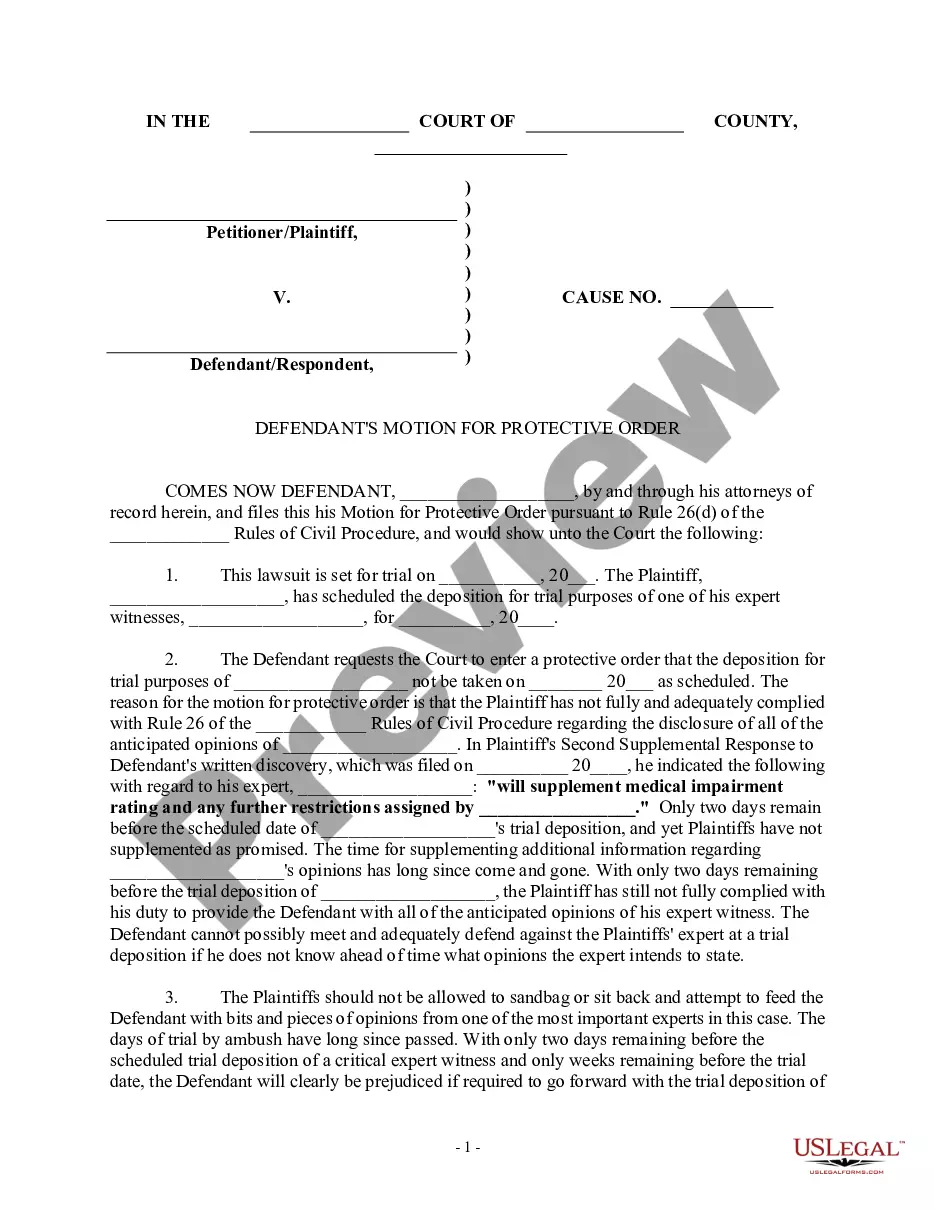
Form popularity
FAQ
However, for the most part, under the Federal regulations (and most states including California), a crew member on a film or other similar type production should never be categorized as an independent contractor – they are really “employees” and are subject to federal and state withholding (from their paychecks) as ...
It's often difficult to determine which classification to use. The IRS view is that most crew members, actors, and others working on a film production should be classified as employees, not independent contractors, and that taxes should thus be withheld.
People such as doctors, dentists, veterinarians, lawyers, accountants, contractors, subcontractors, public stenographers, or auctioneers who are in an independent trade, business, or profession in which they offer their services to the general public are generally independent contractors.
However, for the most part, under the Federal regulations (and most states including California), a crew member on a film or other similar type production should never be categorized as an independent contractor – they are really “employees” and are subject to federal and state withholding (from their paychecks) as ...
Directors of a corporation - members of the governing board - are defined by statute as non-employees. If an exempt organization pays its board members to attend board meetings or otherwise compensates them for performing their duties as directors, the organization should treat them as independent contractors.
When a financier controls the rights to a screenplay to produce a film, they will usually transfer the rights to the production company to complete the project in a film production agreement. Post-delivery of the film, the contract stipulates the production company will transfer the rights back to the investor.