Form In Film Examples In Santa Clara
Description

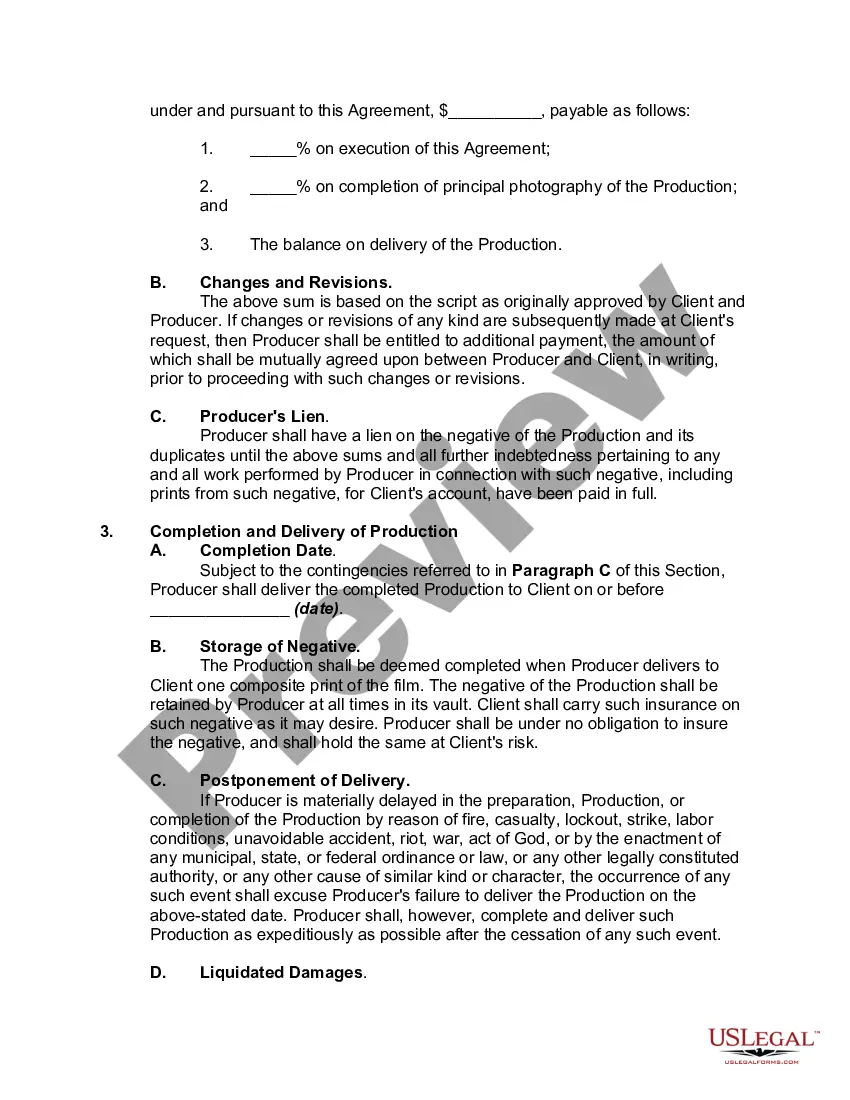
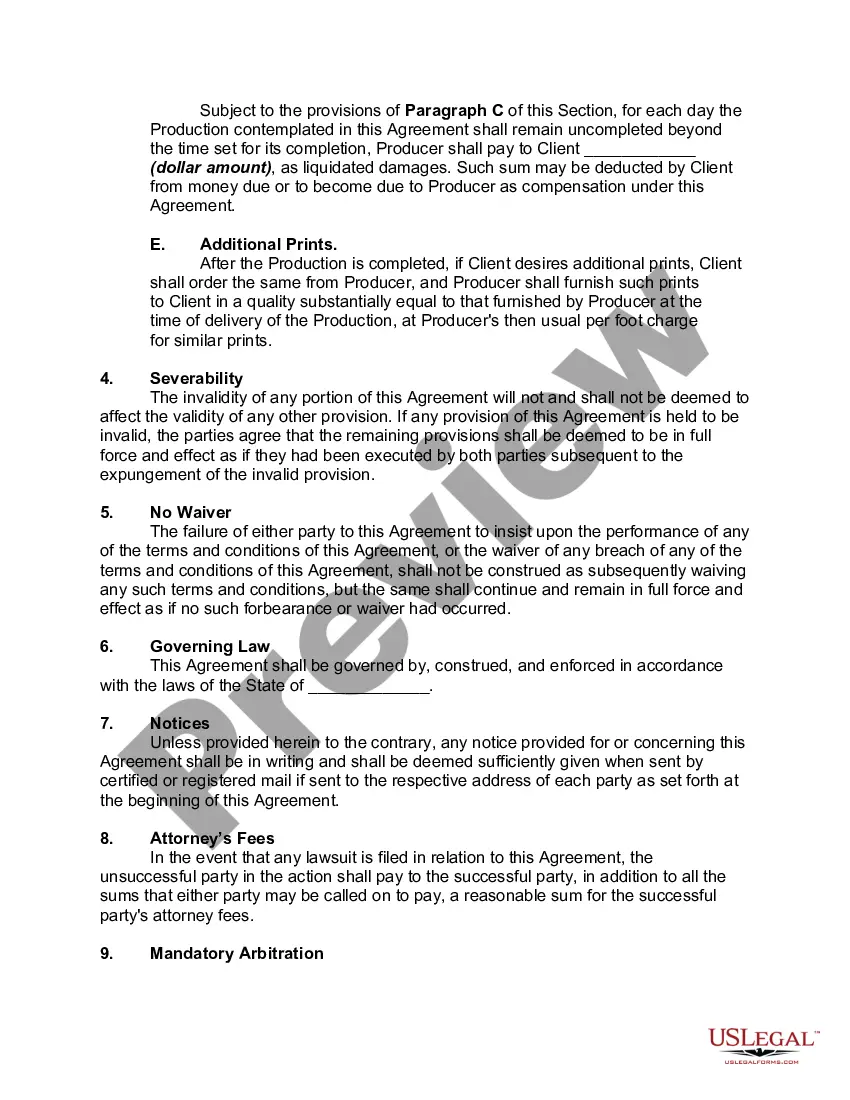
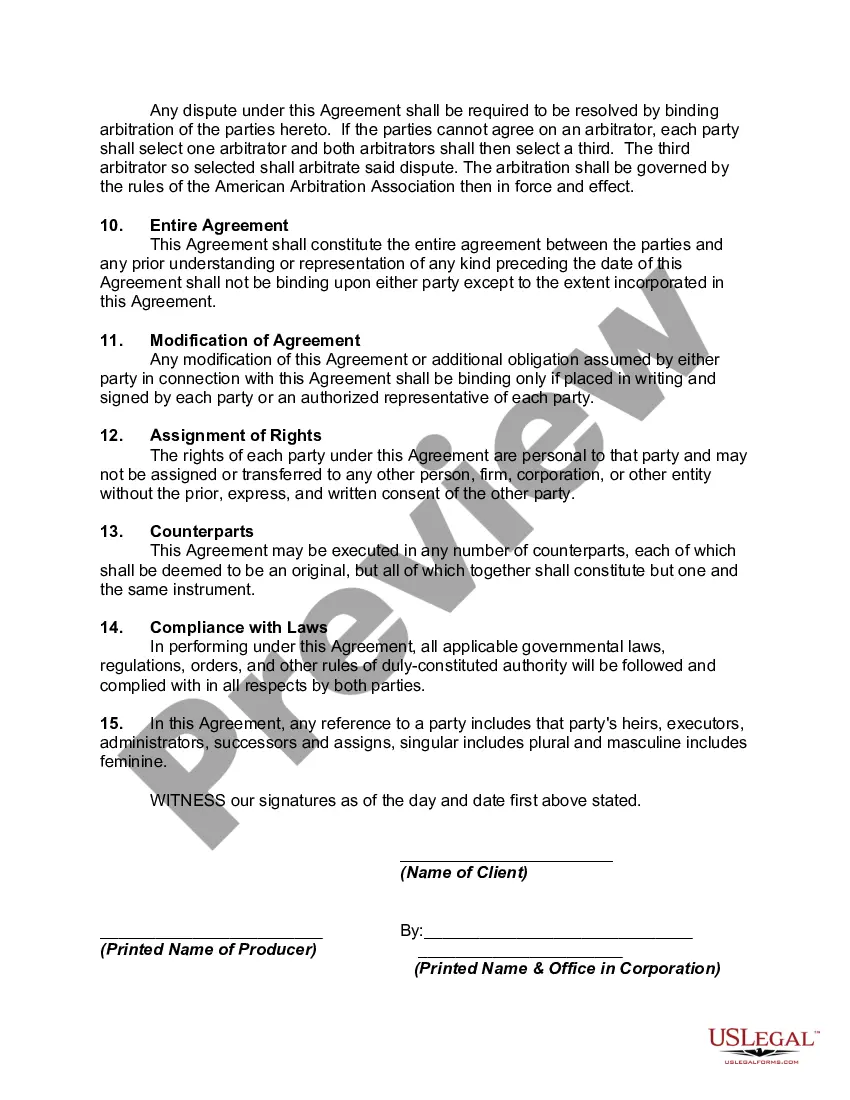
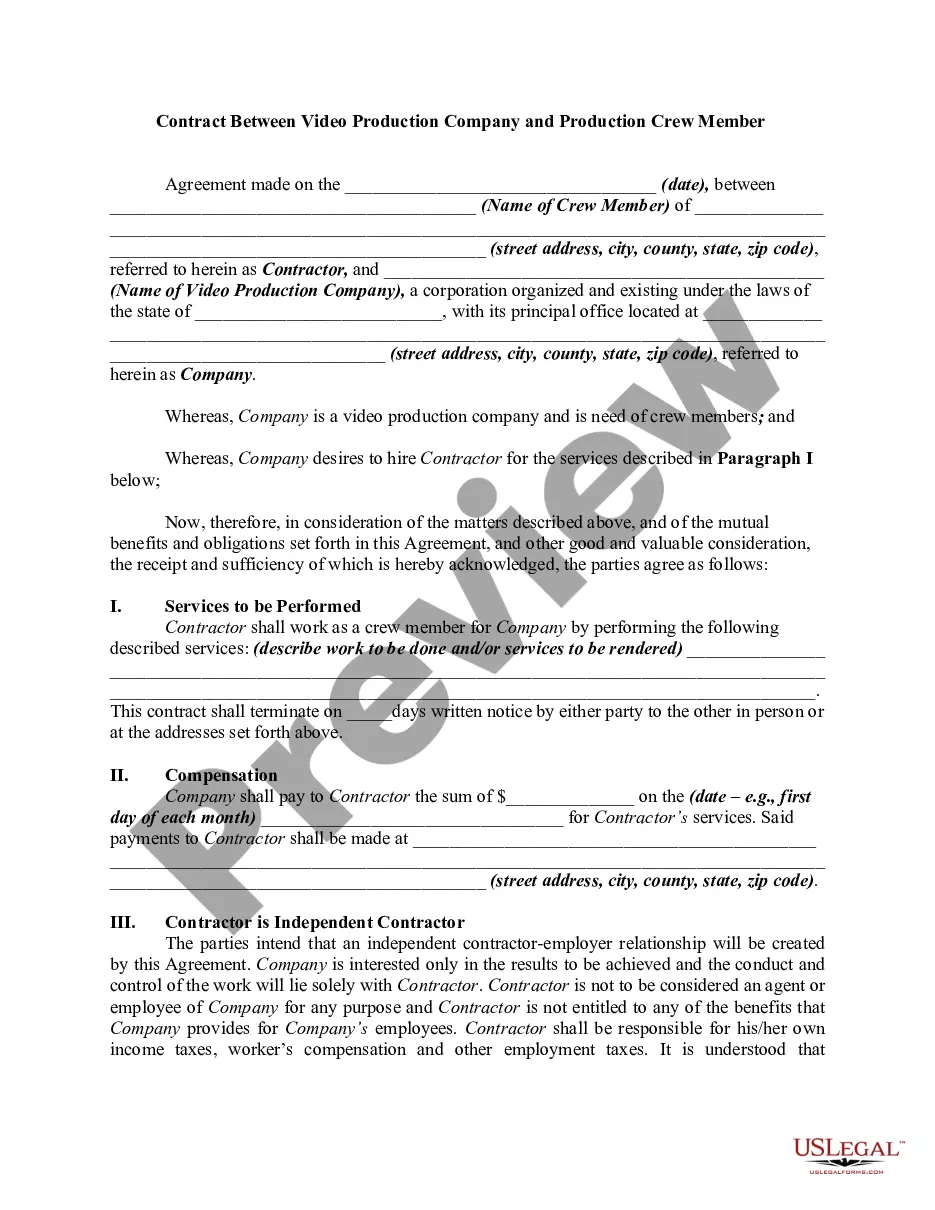
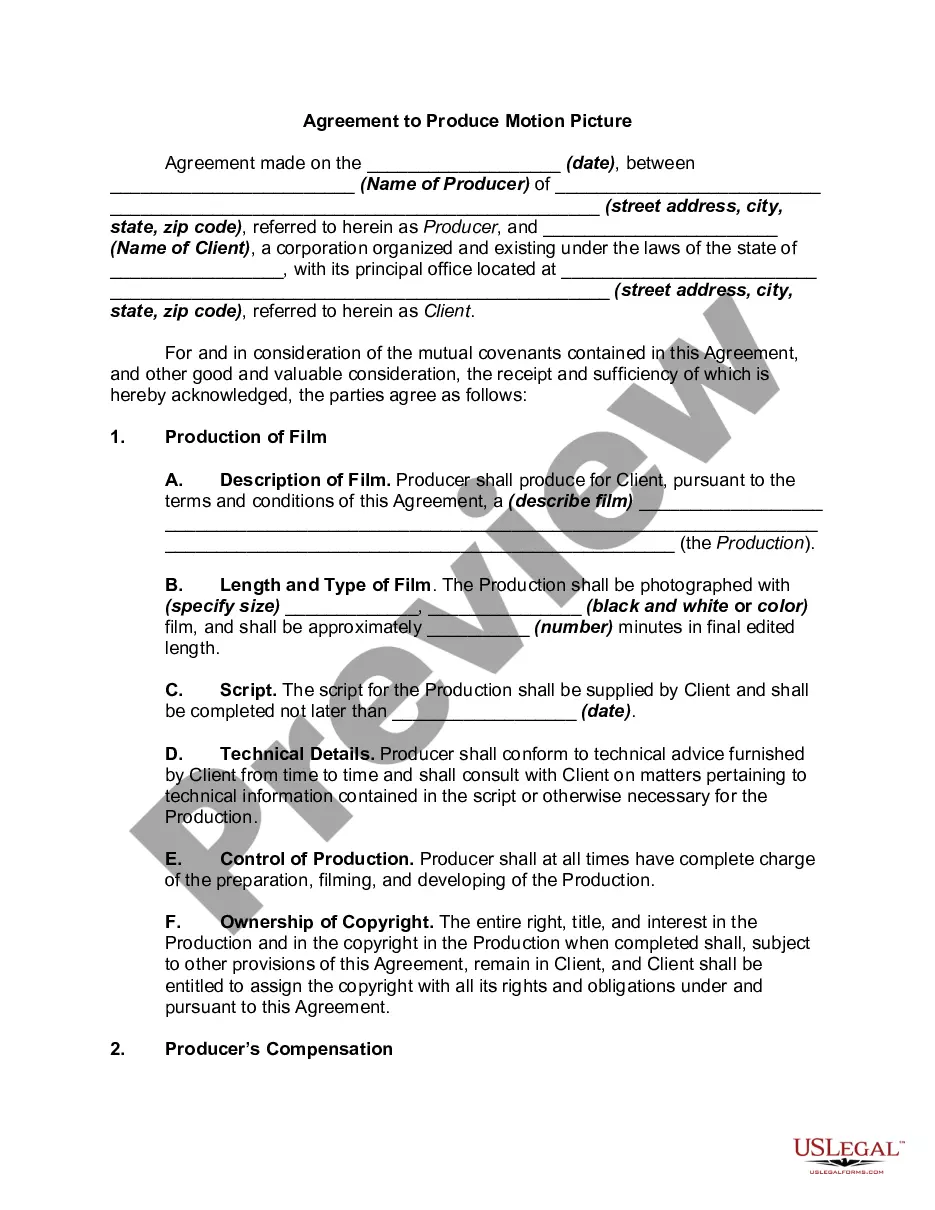
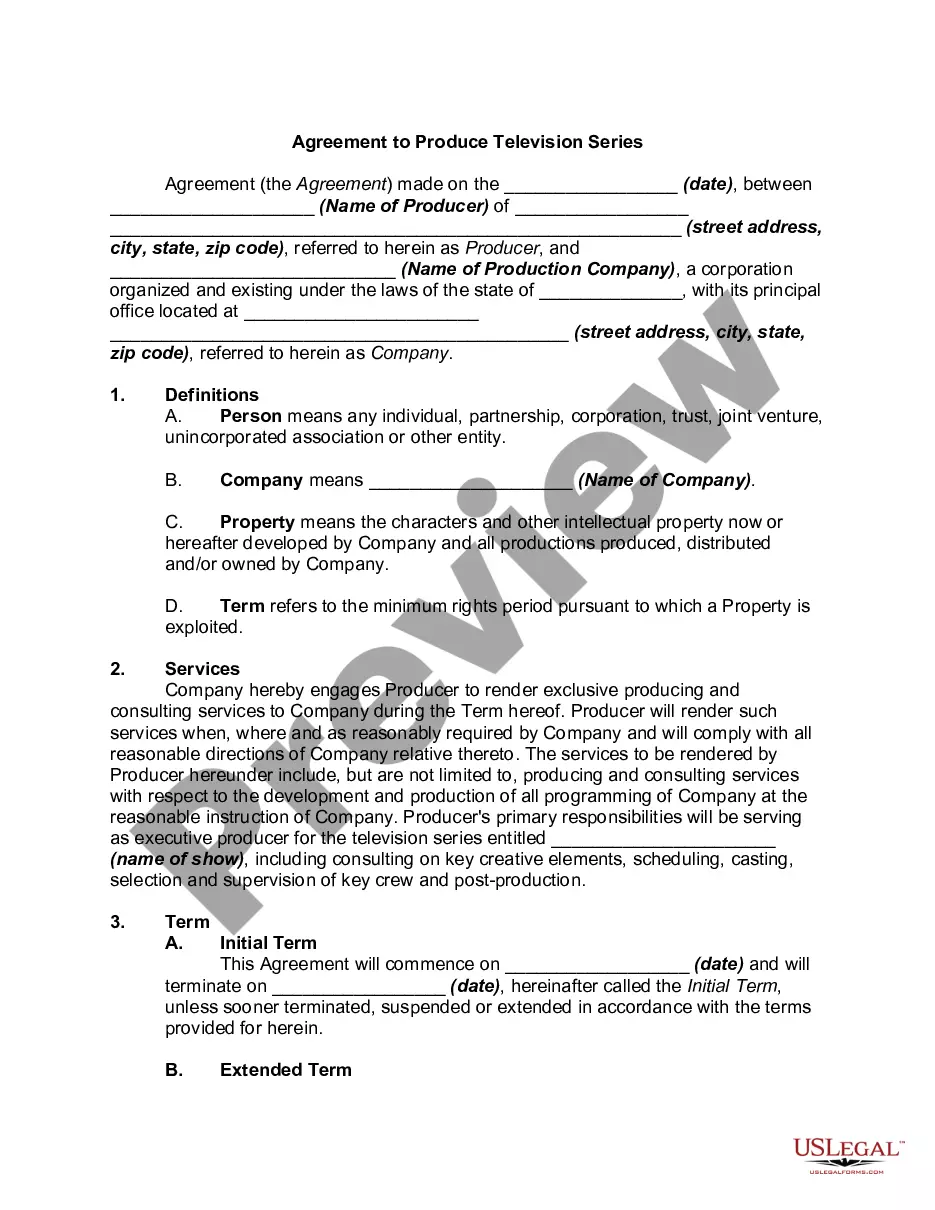
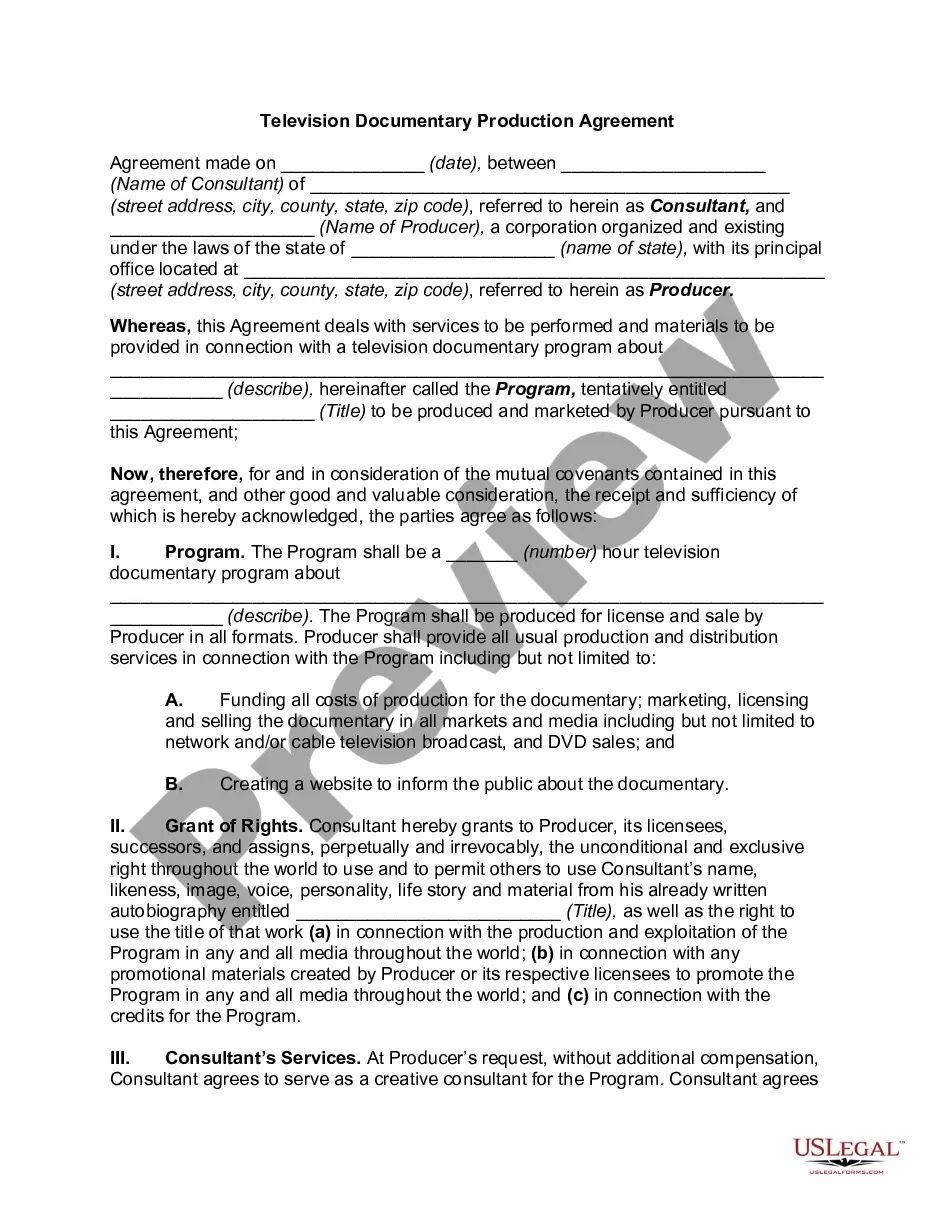
Get your form ready online
Our built-in tools help you complete, sign, share, and store your documents in one place.
Make edits, fill in missing information, and update formatting in US Legal Forms—just like you would in MS Word.
Download a copy, print it, send it by email, or mail it via USPS—whatever works best for your next step.
Sign and collect signatures with our SignNow integration. Send to multiple recipients, set reminders, and more. Go Premium to unlock E-Sign.
If this form requires notarization, complete it online through a secure video call—no need to meet a notary in person or wait for an appointment.
We protect your documents and personal data by following strict security and privacy standards.

Make edits, fill in missing information, and update formatting in US Legal Forms—just like you would in MS Word.

Download a copy, print it, send it by email, or mail it via USPS—whatever works best for your next step.

Sign and collect signatures with our SignNow integration. Send to multiple recipients, set reminders, and more. Go Premium to unlock E-Sign.

If this form requires notarization, complete it online through a secure video call—no need to meet a notary in person or wait for an appointment.

We protect your documents and personal data by following strict security and privacy standards.
Looking for another form?

Form popularity
FAQ
Film form and style are essential components of cinematic storytelling. They encompass the visual and auditory elements that directors use to craft their narratives, including mise-en-scène, cinematography, editing, and sound design. These elements work together to create mood, convey meaning, and engage audiences.
In general, form refers to the overall structure and organisation of a film; for instance, its narrative, genre, or mode of address. Style, on the other hand, refers to the specific techniques and artistic choices that filmmakers use to express their creative vision.
The key elements of film form: cinematography, mise-en-scène, editing, sound and performance Area 2.
Film form encompasses the intricate combination of visual and auditory elements that constitute the essence of cinematic storytelling, highlighted through iconic examples such as 'The Martian' and 'The Wizard of Oz'.
FILM FORM = the total system a viewer perceives in a film. Narrative subsystem (plot) + Stylistic subsystem (camera, color, music etc.)
The studio provides a hands-on classroom for all of our film and television courses, and a production space for students outside of class. Equipped with a fully loaded lighting grid and green-screen, students are able to build sets or record in a "virtual" environment.
