Sample Contract Agreement For Laundry Services In San Jose
Description

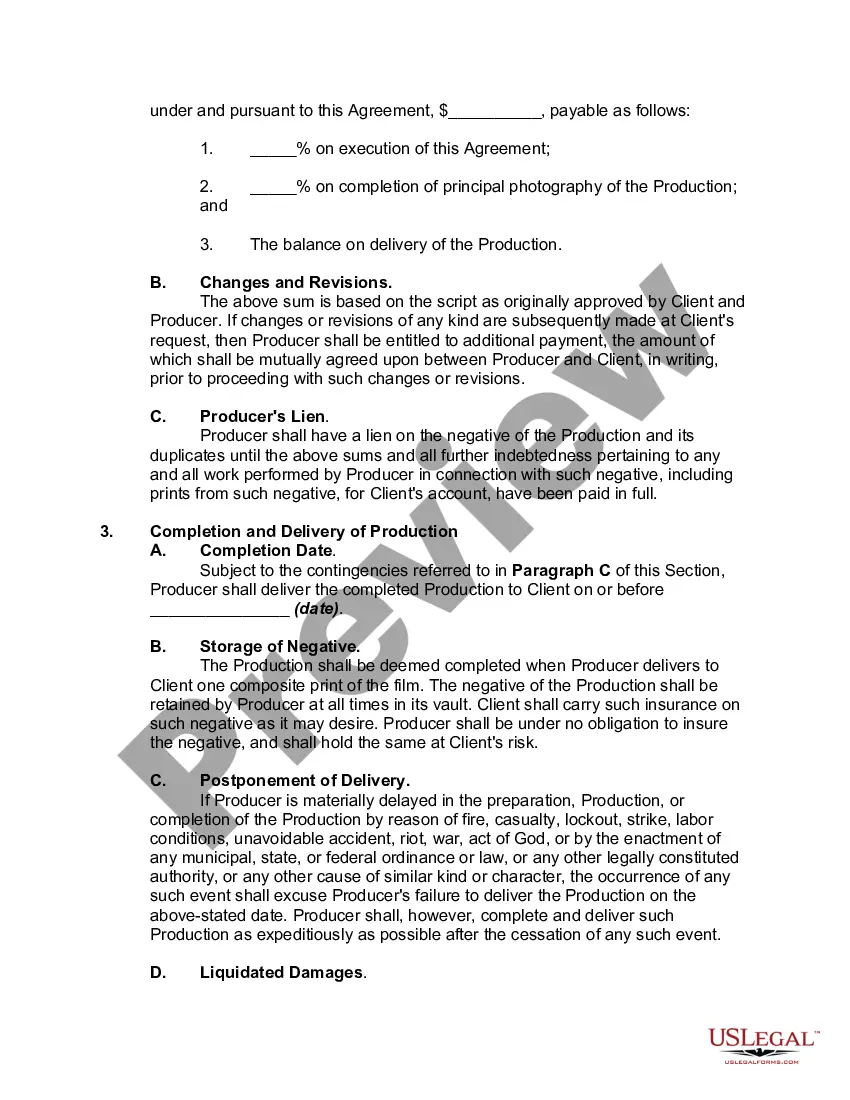
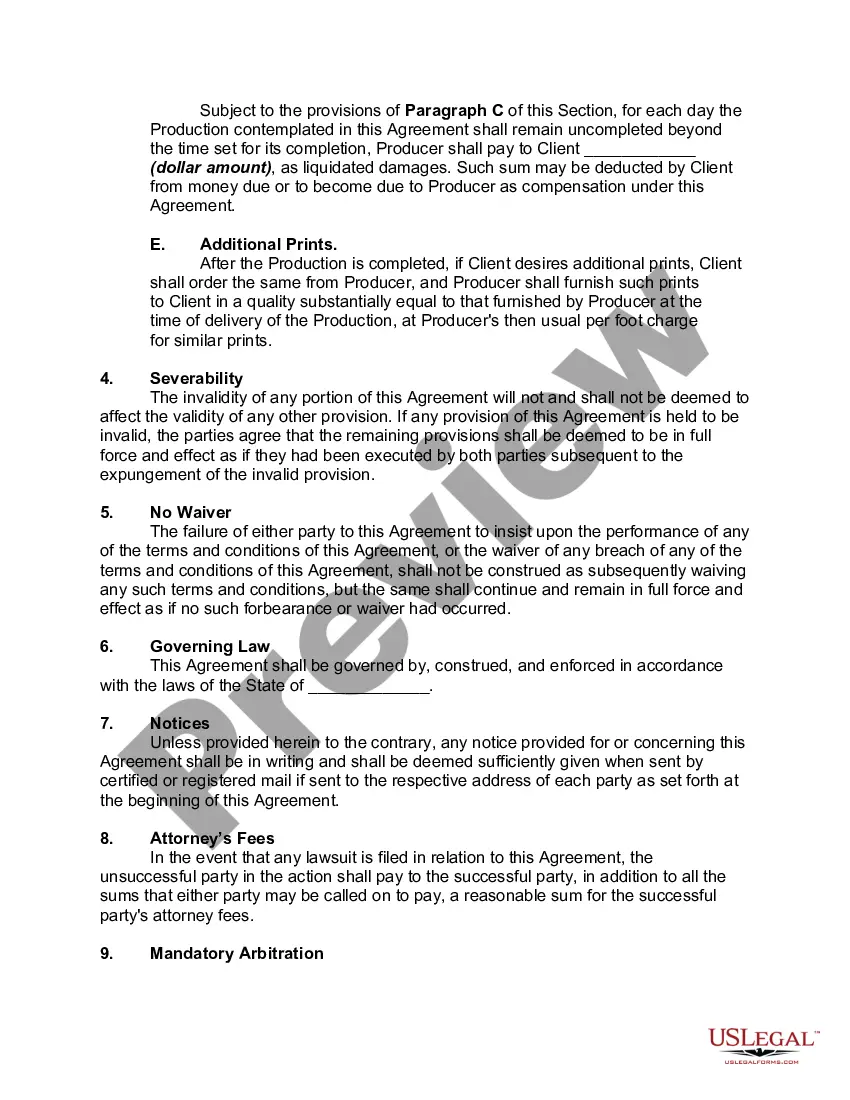
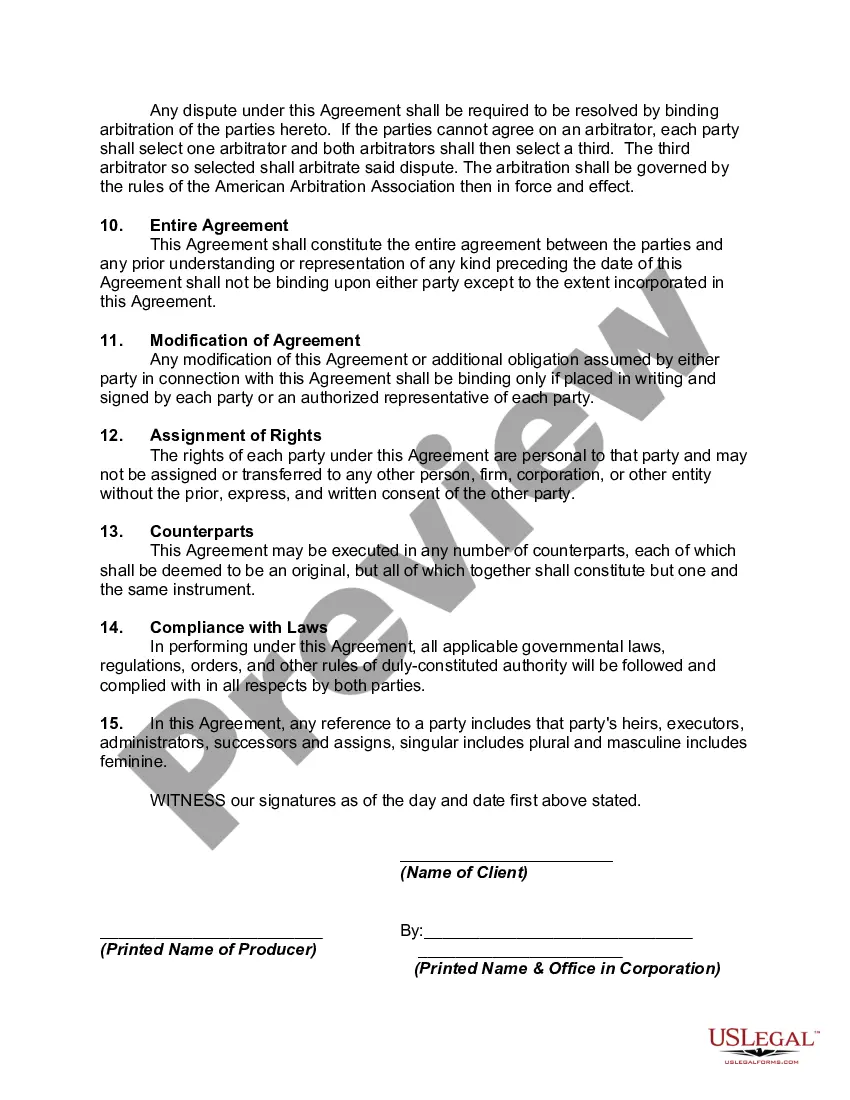
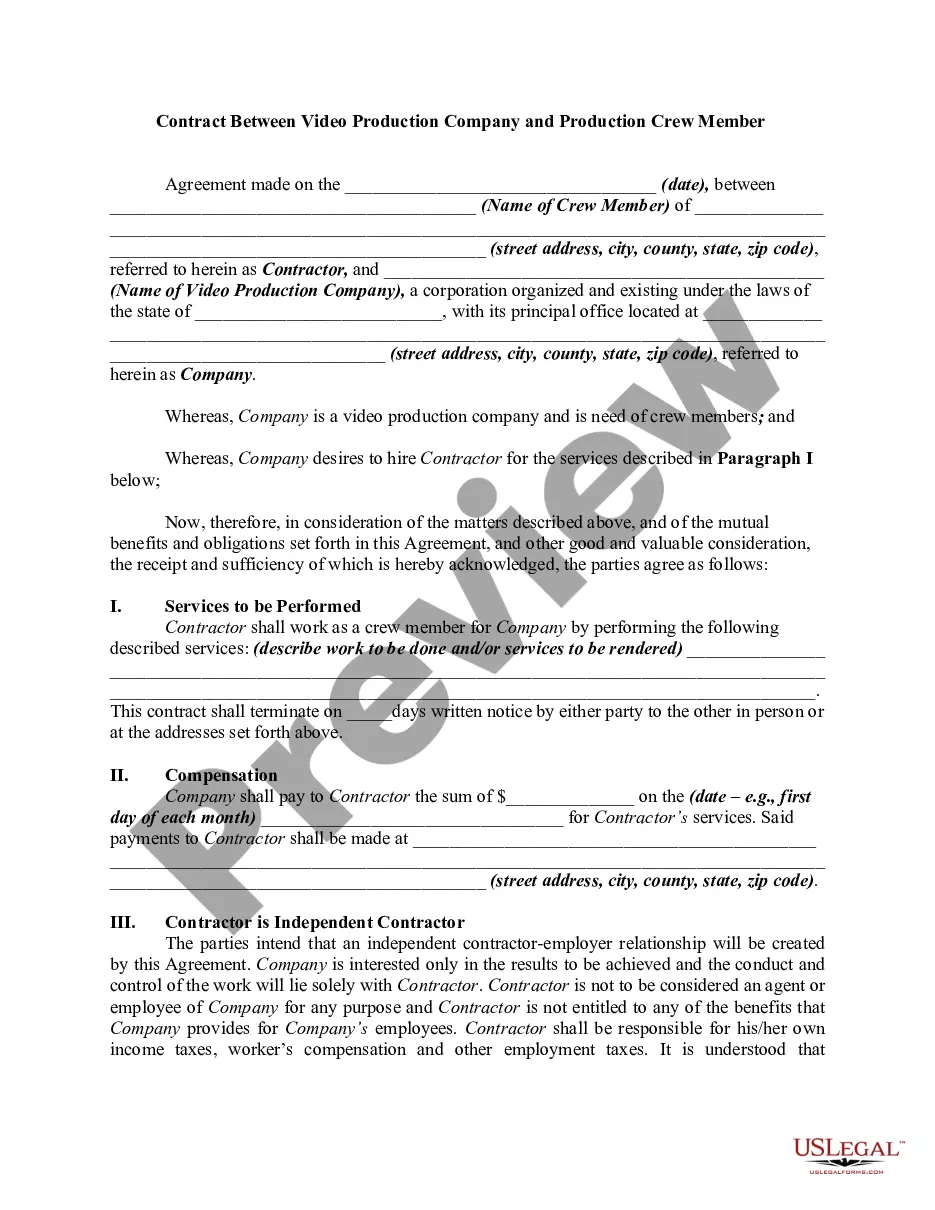
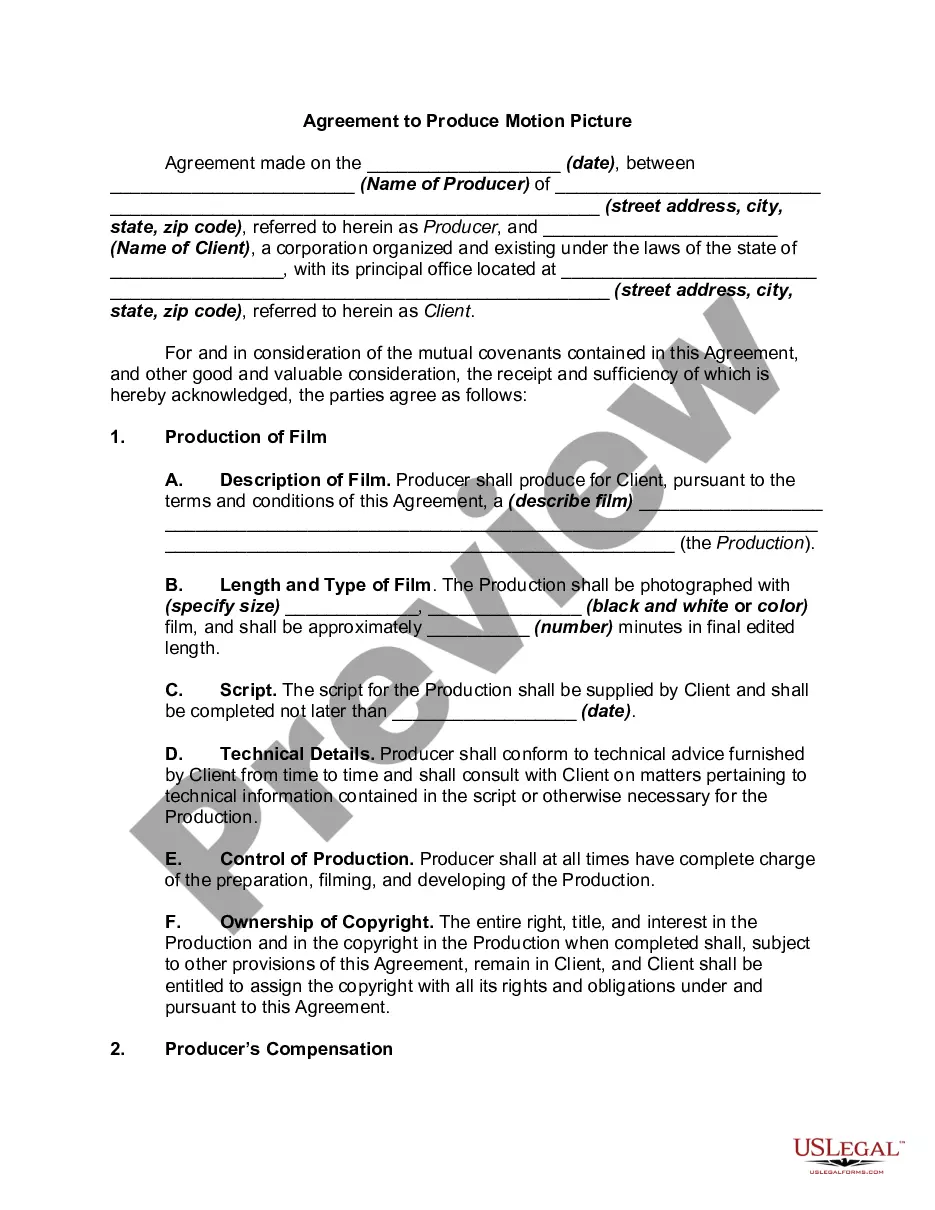
Get your form ready online
Our built-in tools help you complete, sign, share, and store your documents in one place.
Make edits, fill in missing information, and update formatting in US Legal Forms—just like you would in MS Word.
Download a copy, print it, send it by email, or mail it via USPS—whatever works best for your next step.
Sign and collect signatures with our SignNow integration. Send to multiple recipients, set reminders, and more. Go Premium to unlock E-Sign.
If this form requires notarization, complete it online through a secure video call—no need to meet a notary in person or wait for an appointment.
We protect your documents and personal data by following strict security and privacy standards.

Make edits, fill in missing information, and update formatting in US Legal Forms—just like you would in MS Word.

Download a copy, print it, send it by email, or mail it via USPS—whatever works best for your next step.

Sign and collect signatures with our SignNow integration. Send to multiple recipients, set reminders, and more. Go Premium to unlock E-Sign.

If this form requires notarization, complete it online through a secure video call—no need to meet a notary in person or wait for an appointment.

We protect your documents and personal data by following strict security and privacy standards.
Looking for another form?






Form popularity
FAQ
Can I write my own contract? Yes, you can write your own contract. However, including all necessary elements is crucial to make it legally binding.
There are four common types of laundry services and each varies in style, giving you more freedom to choose the best fit. Self-Service. Full-Service. Pick-Up and Delivery. Dry Cleaning.
“Contact laundry” - is outsourced out to another company on contract. They usually collect at specified times from the hotel/guesthouse, or even as needed. The laundry is taken off site and then returned washed/dried/folded and/ironed.
If you have a busy lifestyle, value convenience, or need specialized care for your clothing, laundry services can be worth the investment. However, if you're budget-conscious or prefer to manage your laundry yourself, you might find it more economical to do it at home.
The Different Types of Laundry Businesses Launderettes. Launderettes are shops with a range of coin or contactless laundry equipment, which anyone can use to wash and dry their clothes. Dry cleaners. Fully staffed fluff and fold laundries. Commercial laundries. What equipment do all these businesses use?
How do I write a Service Agreement? State how long the services are needed. Include the state where the work is taking place. Provide the contractor's and client's information. Describe the service being provided. Outline the compensation. State the agreement's terms. Include any additional clauses.
Write the contract in six steps Start with a contract template. Open with the basic information. Describe in detail what you have agreed to. Include a description of how the contract will be ended. Write into the contract which laws apply and how disputes will be resolved. Include space for signatures.
Step by step instructions on how to write your own employment contract Understand the role. Determine the contract type. Specify compensation. Include working hours. Detail leave entitlements. Add termination clauses. Confidentiality and non-compete. Review and legal check.
A service agreement is a legal document that outlines the terms and conditions of a specific service, while a contract is a more complex legal document that can cover a wider range of transactions. Services agreements are frequently less formal and might include a wide range of terms and conditions.
