Manufacturing Agreement Format In Queens
Description

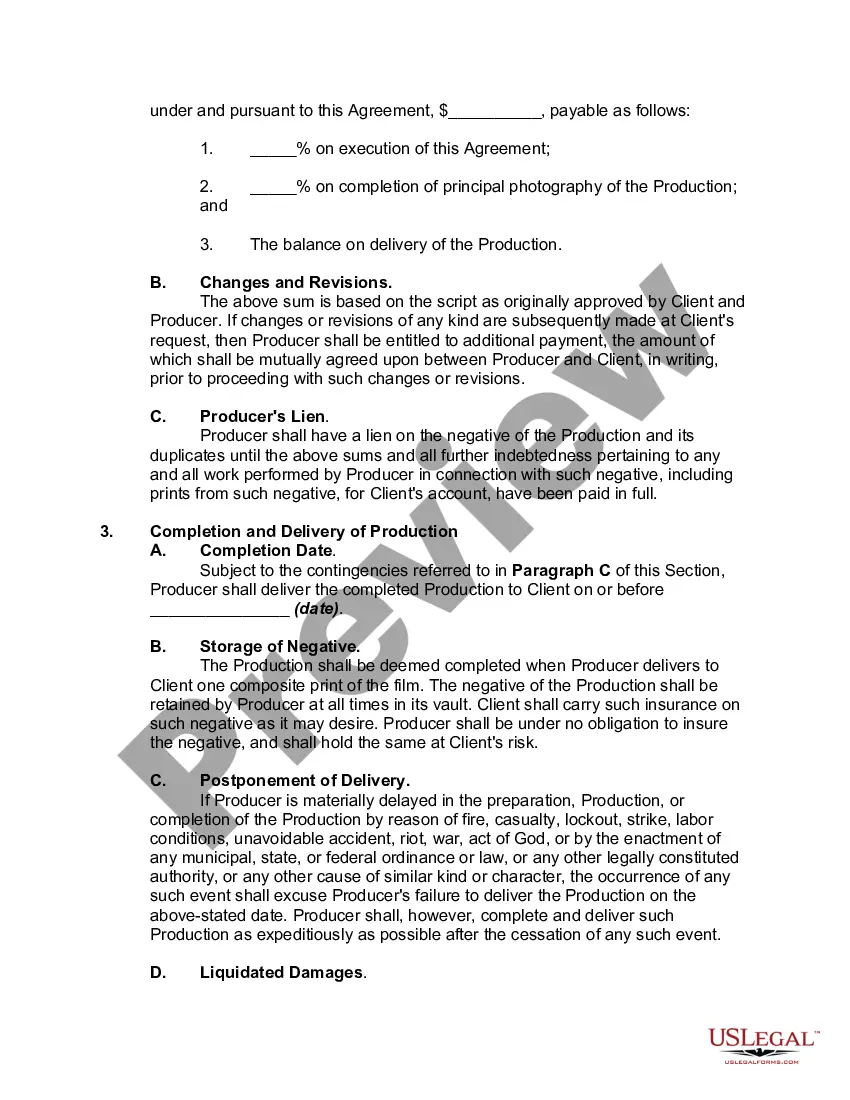
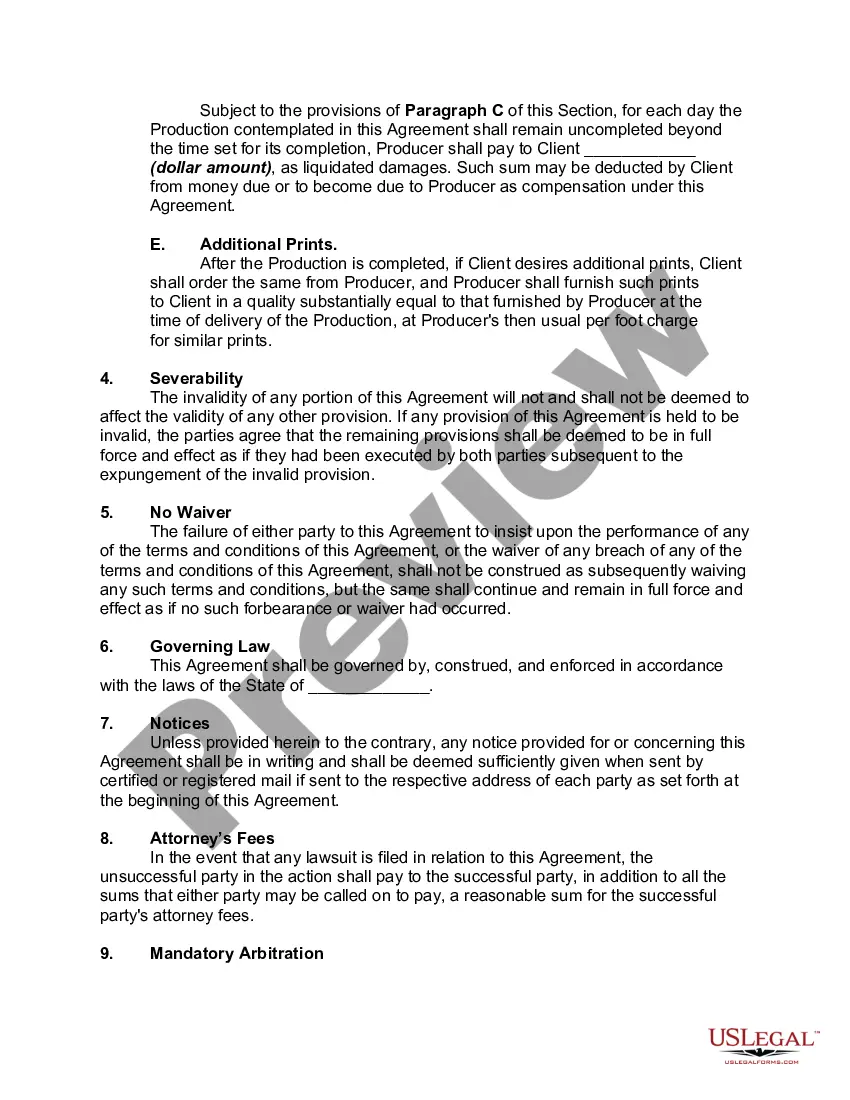
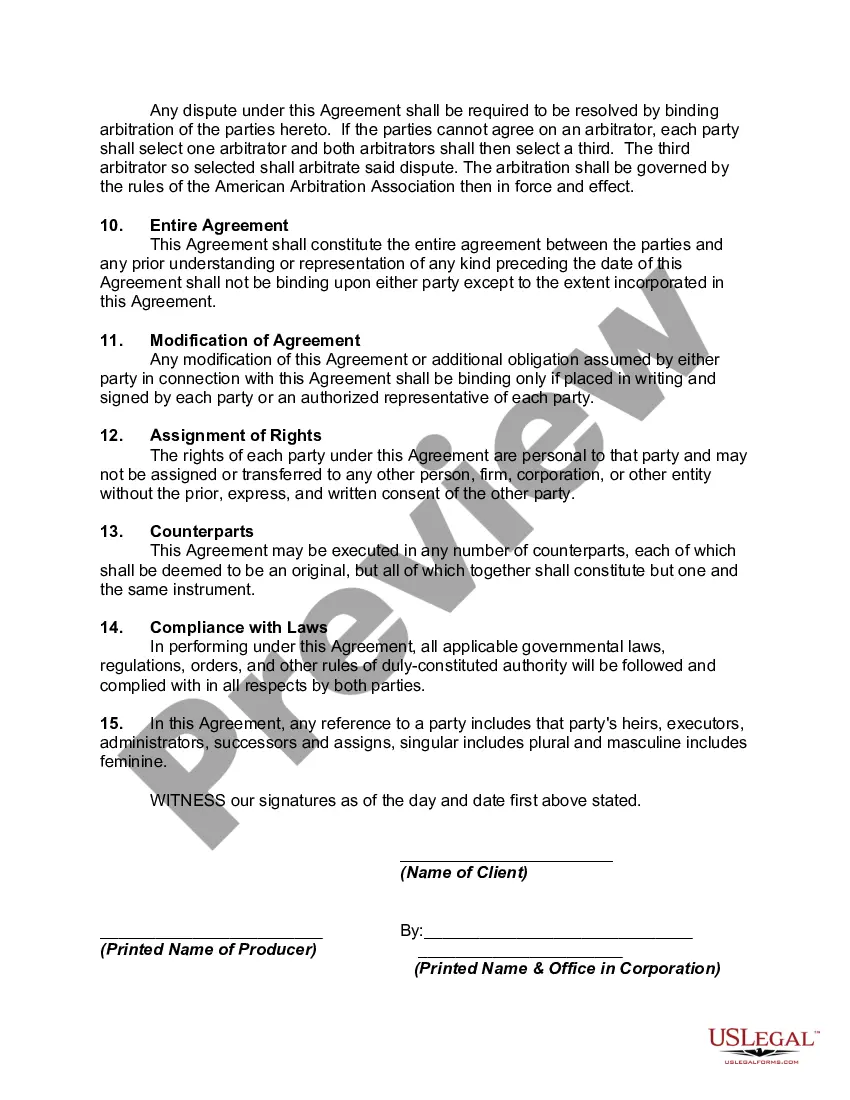
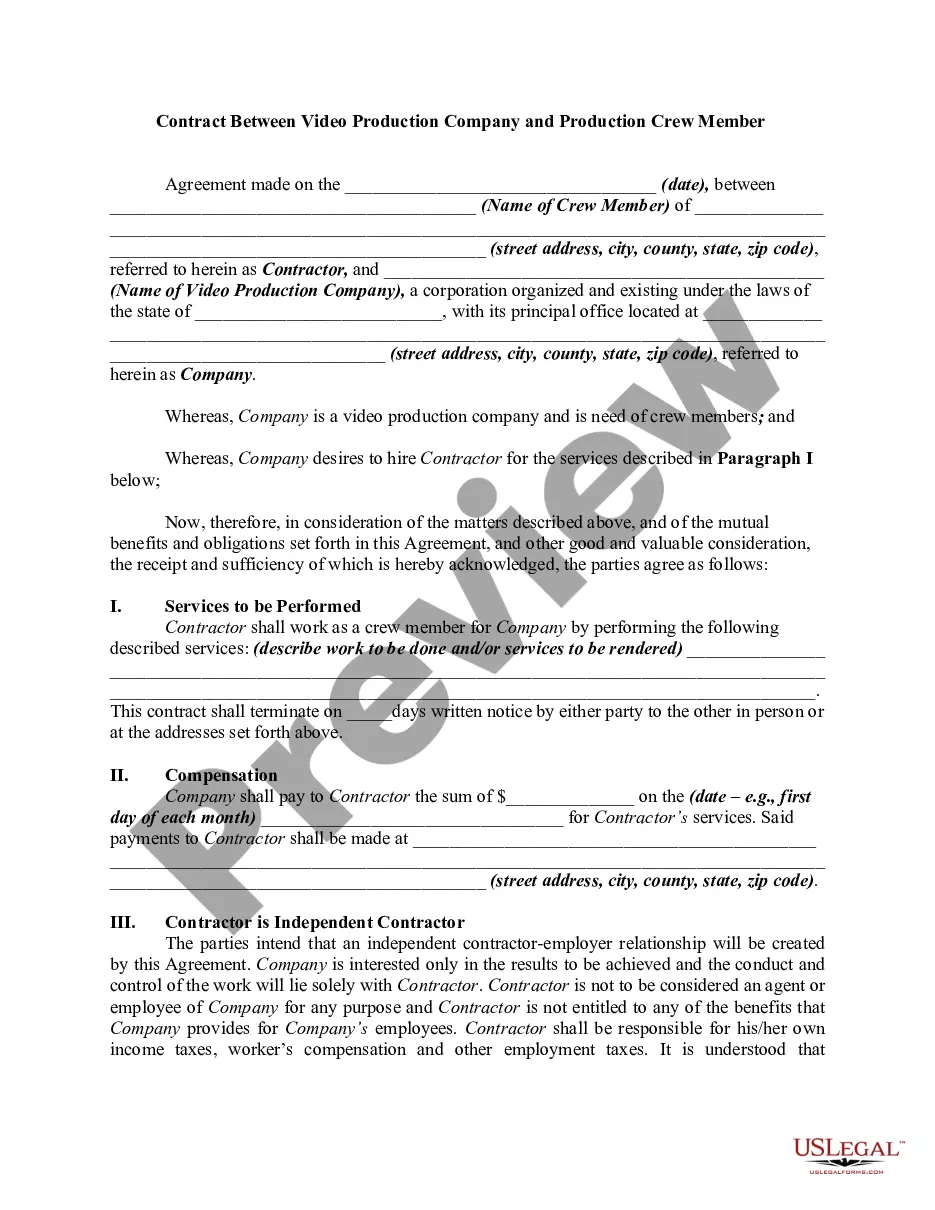
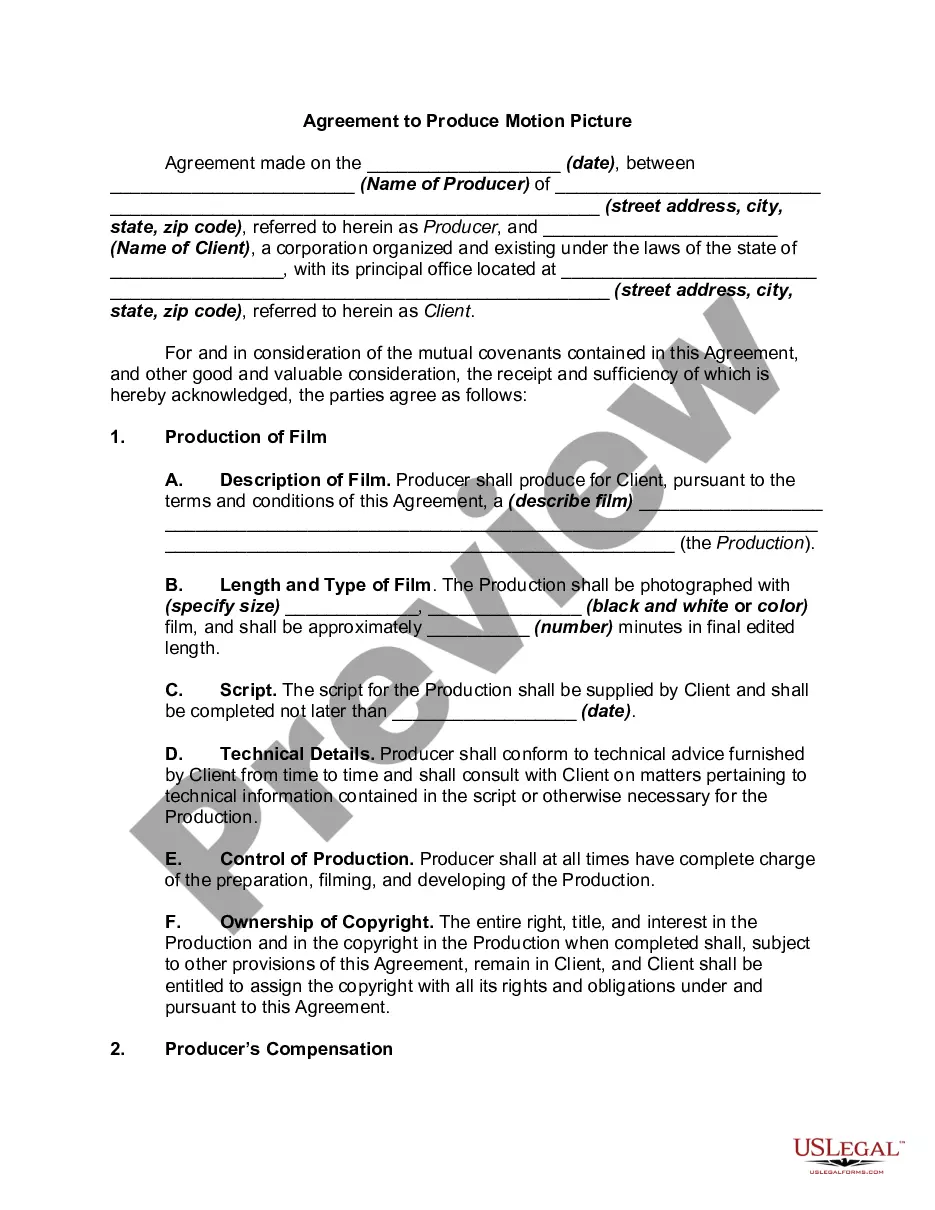
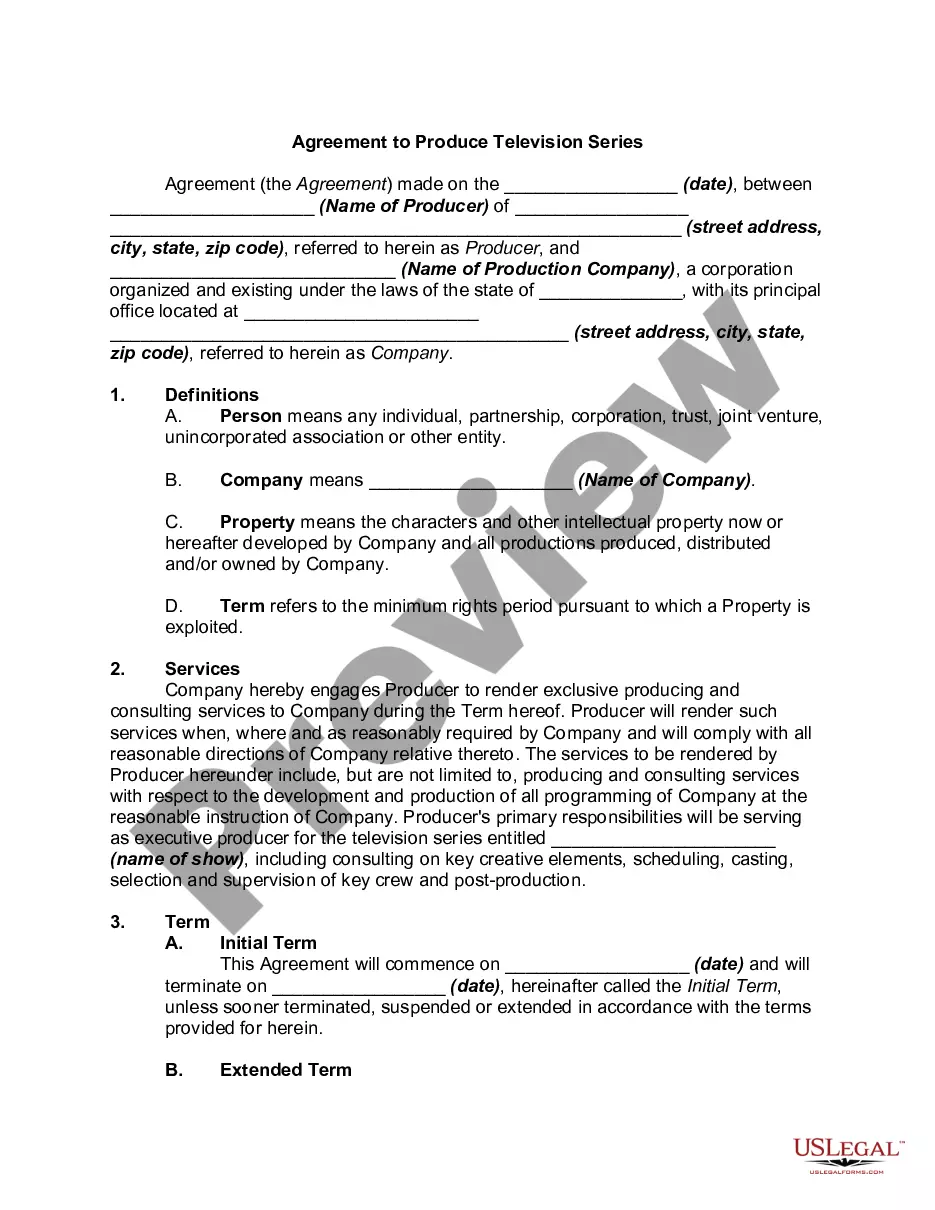
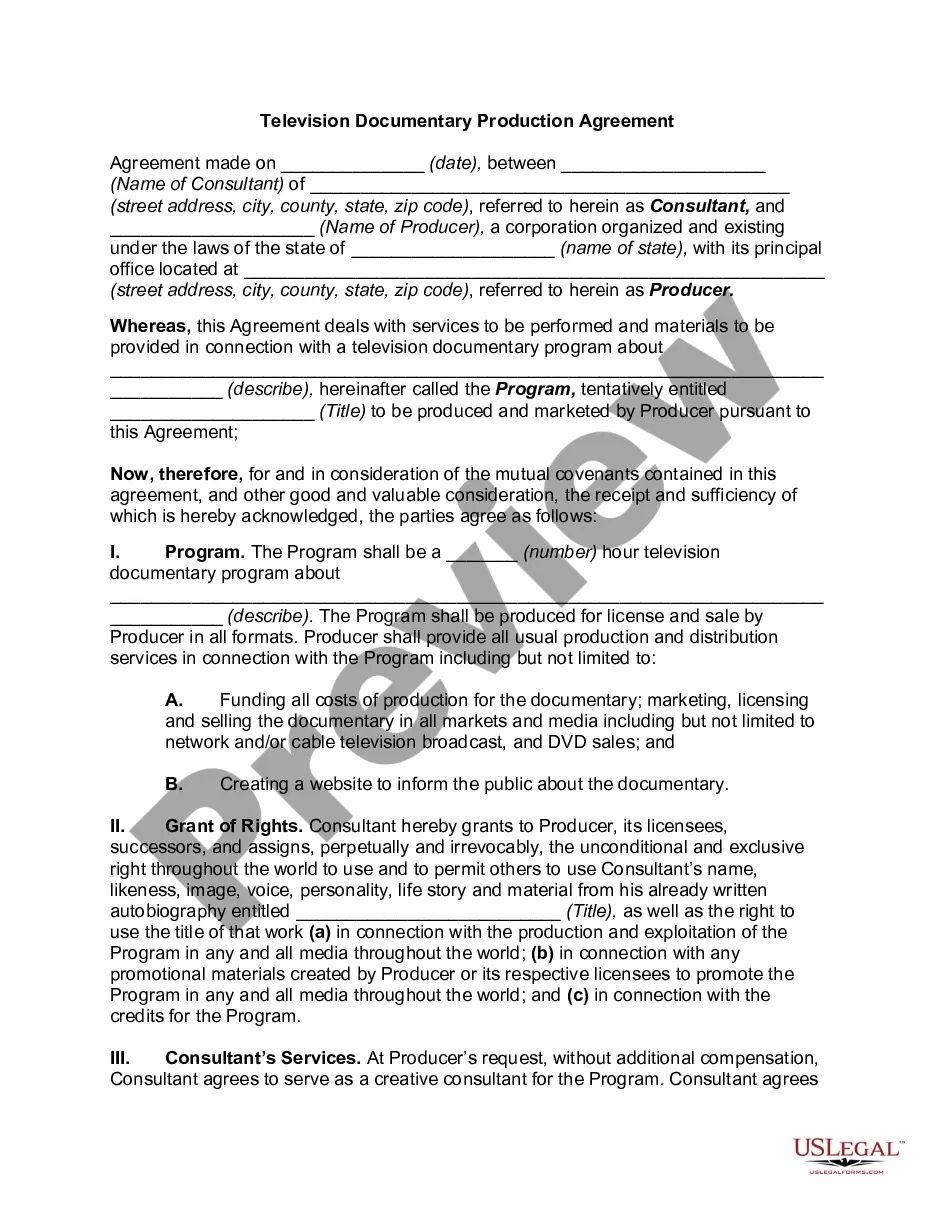
Get your form ready online
Our built-in tools help you complete, sign, share, and store your documents in one place.
Make edits, fill in missing information, and update formatting in US Legal Forms—just like you would in MS Word.
Download a copy, print it, send it by email, or mail it via USPS—whatever works best for your next step.
Sign and collect signatures with our SignNow integration. Send to multiple recipients, set reminders, and more. Go Premium to unlock E-Sign.
If this form requires notarization, complete it online through a secure video call—no need to meet a notary in person or wait for an appointment.
We protect your documents and personal data by following strict security and privacy standards.

Make edits, fill in missing information, and update formatting in US Legal Forms—just like you would in MS Word.

Download a copy, print it, send it by email, or mail it via USPS—whatever works best for your next step.

Sign and collect signatures with our SignNow integration. Send to multiple recipients, set reminders, and more. Go Premium to unlock E-Sign.

If this form requires notarization, complete it online through a secure video call—no need to meet a notary in person or wait for an appointment.

We protect your documents and personal data by following strict security and privacy standards.
Looking for another form?
Form popularity
FAQ
Manufacturing contracts are the backbone of any successful partnership between businesses and manufacturers. These legally binding agreements define the scope of work, establish clear expectations, and mitigate risks associated with production.
This is a manufacturing agreement, under which the manufacturer is obligated to produce and supply products that are specified by the customer. Typically, a detailed product specification will be provided, and this may be incorporated into the agreement or supplied as and when required by the customer.
While contract manufacturing offers many benefits, there are also some risks associated with it. One of the most significant risks is the risk of intellectual property theft. By outsourcing production to a third-party manufacturer, the company is essentially handing over control of its intellectual property.
Many companies wish to outsource manufacturing of their product to third party manufacturers. A manufacturing agreement should set out the terms of the arrangement in a legally binding agreement. This will provide a good basis for an effective working relationship in which both parties know what is expected.
Sometimes, a contract covers a one-time action between parties, but what happens when the relationships or circumstances are ongoing? When signing parties know they will continue to work together in the future, a Master Service Agreement (MSA) can simplify those future agreements and speed up the negotiation process.
Your manufacturing contract should include: intellectual property (since the contract manufacturer(s) will be producing your proprietary creation). an assessment of manufacturing costs. clearly-written obligations of both parties. liabilities. product quality standards (if a quality control clause is included).
For your agreement letter to be legally binding, you must incorporate the following elements into the overall contract structure: A comprehensive description of the agreed-upon project. The names and address info of the parties involved. A dated signature in wet ink that proves and establishes an agreement.
An agreement is made when two parties agree to something. So, for example, a mother might make an agreement with her son not to kiss him in public because, after kindergarten, well, that's just not cool. If people's opinions are in , or match one another, then they are in agreement.
Contract structure and presentation How to set up (structuring) an agreement. Contract cover page and table of contents. First part of an agreement. Preamble (recitals) The body of the agreement. Signature blocks, seals and witnesses. Schedules to contracts (annexes and exhibits) Contract house style: best practices.
