Film Agreement Sample Format In Minnesota
Description

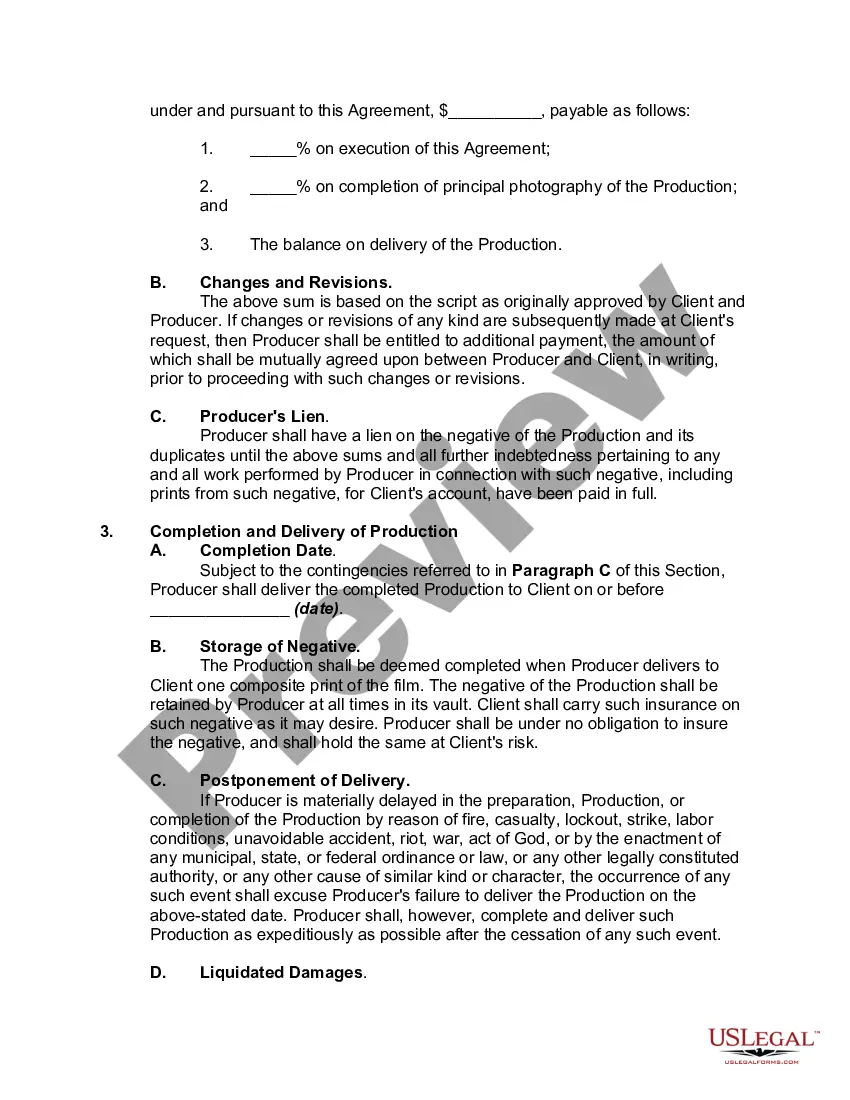
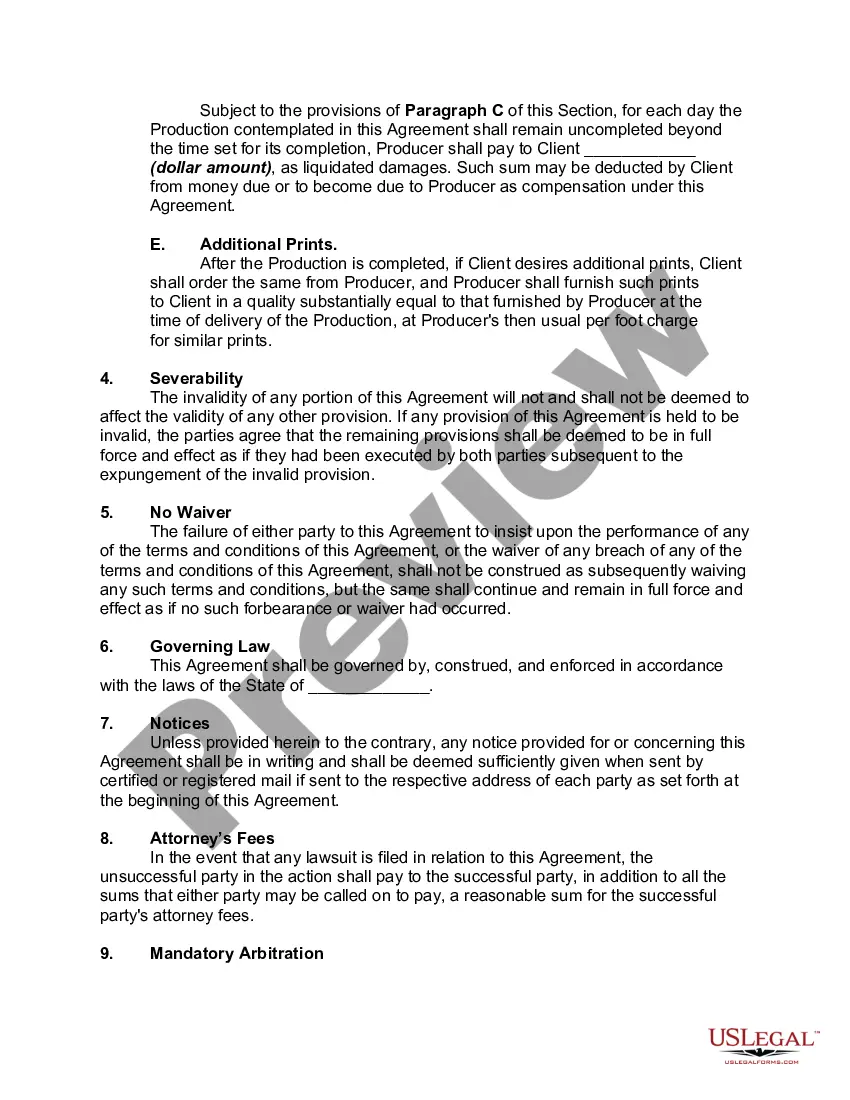
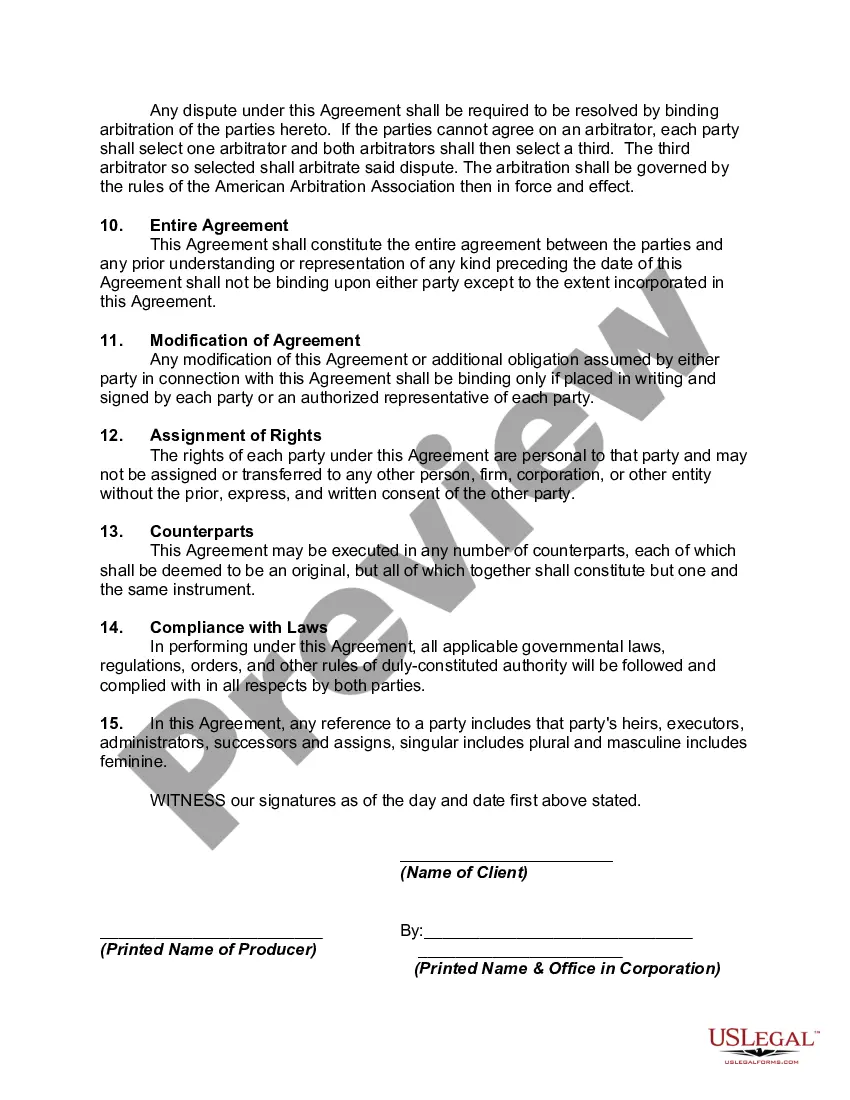
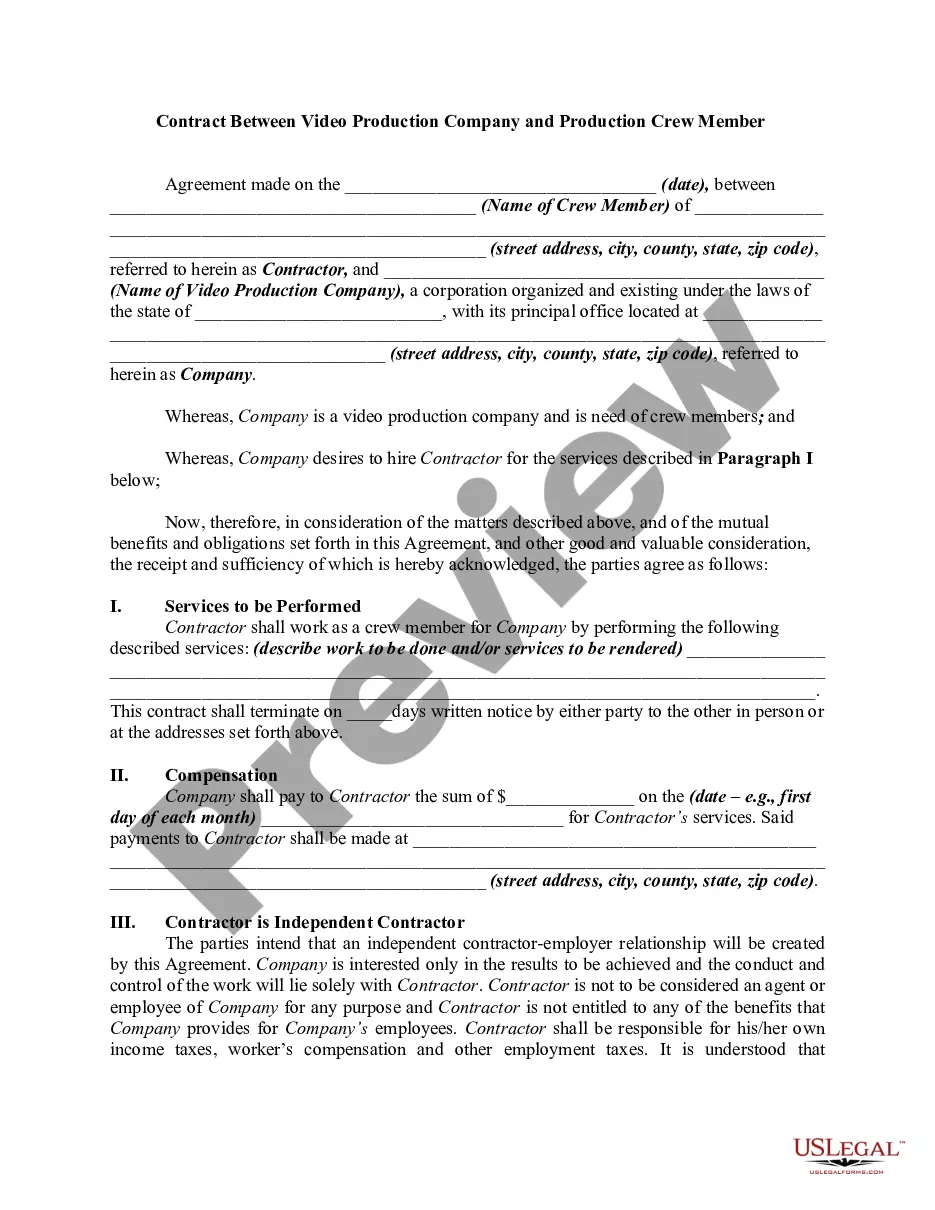
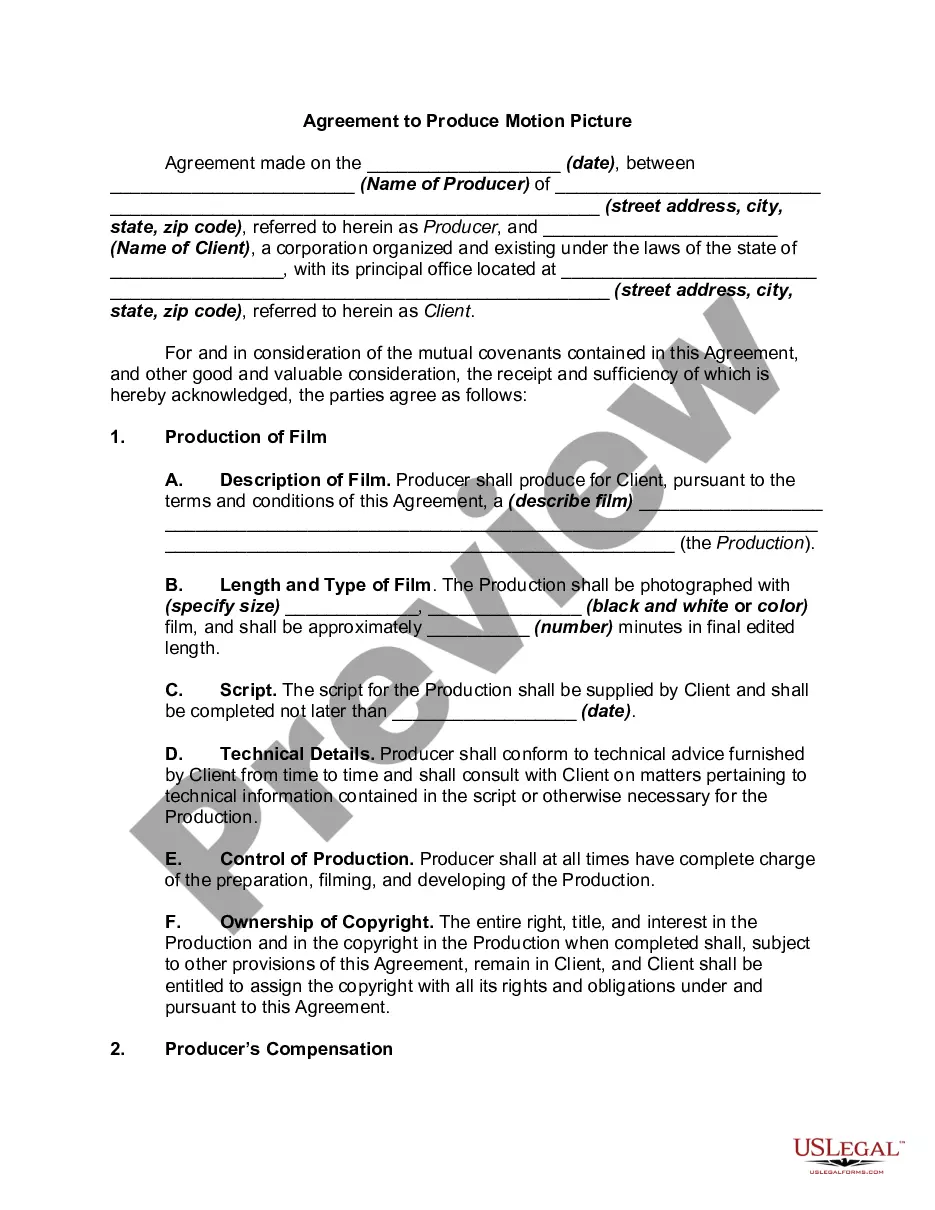
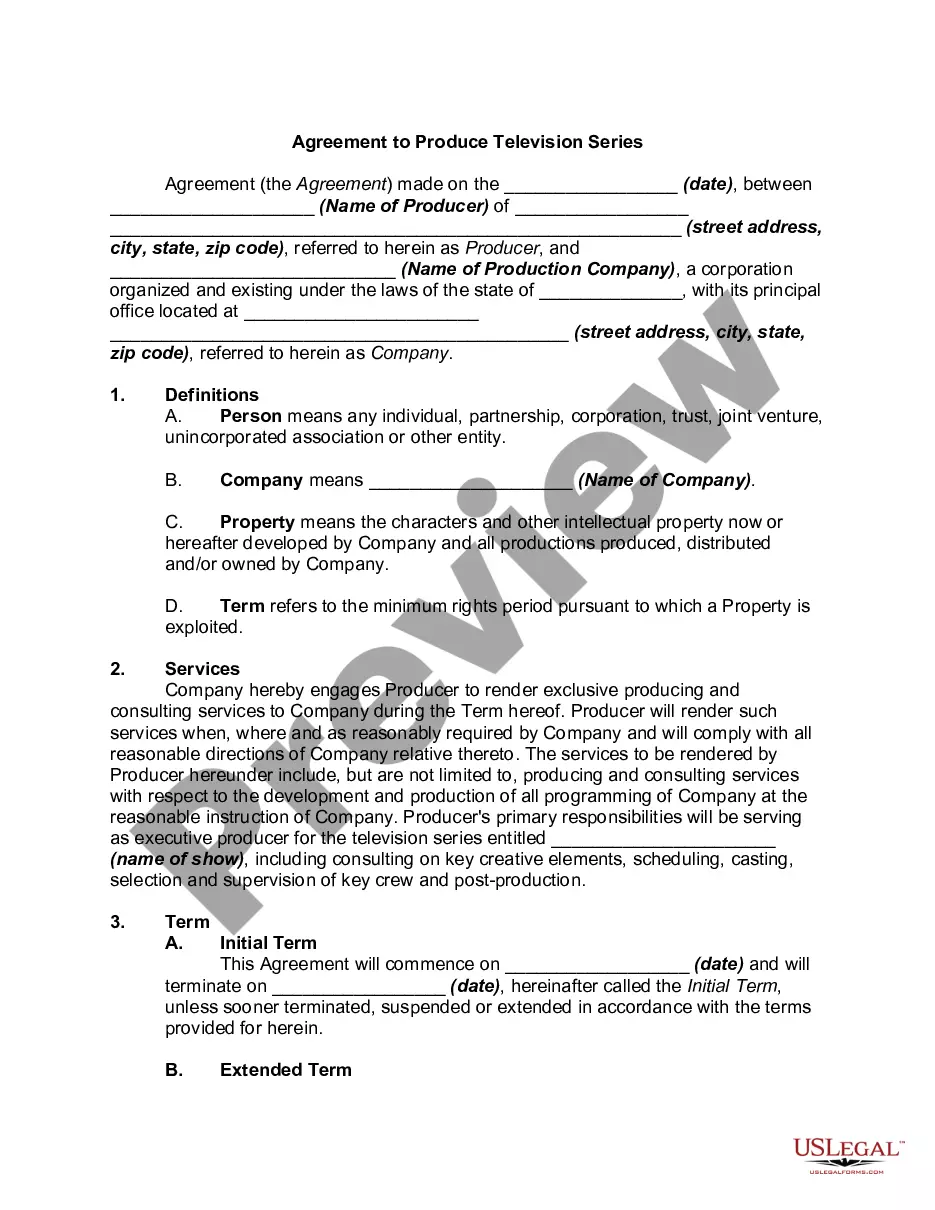
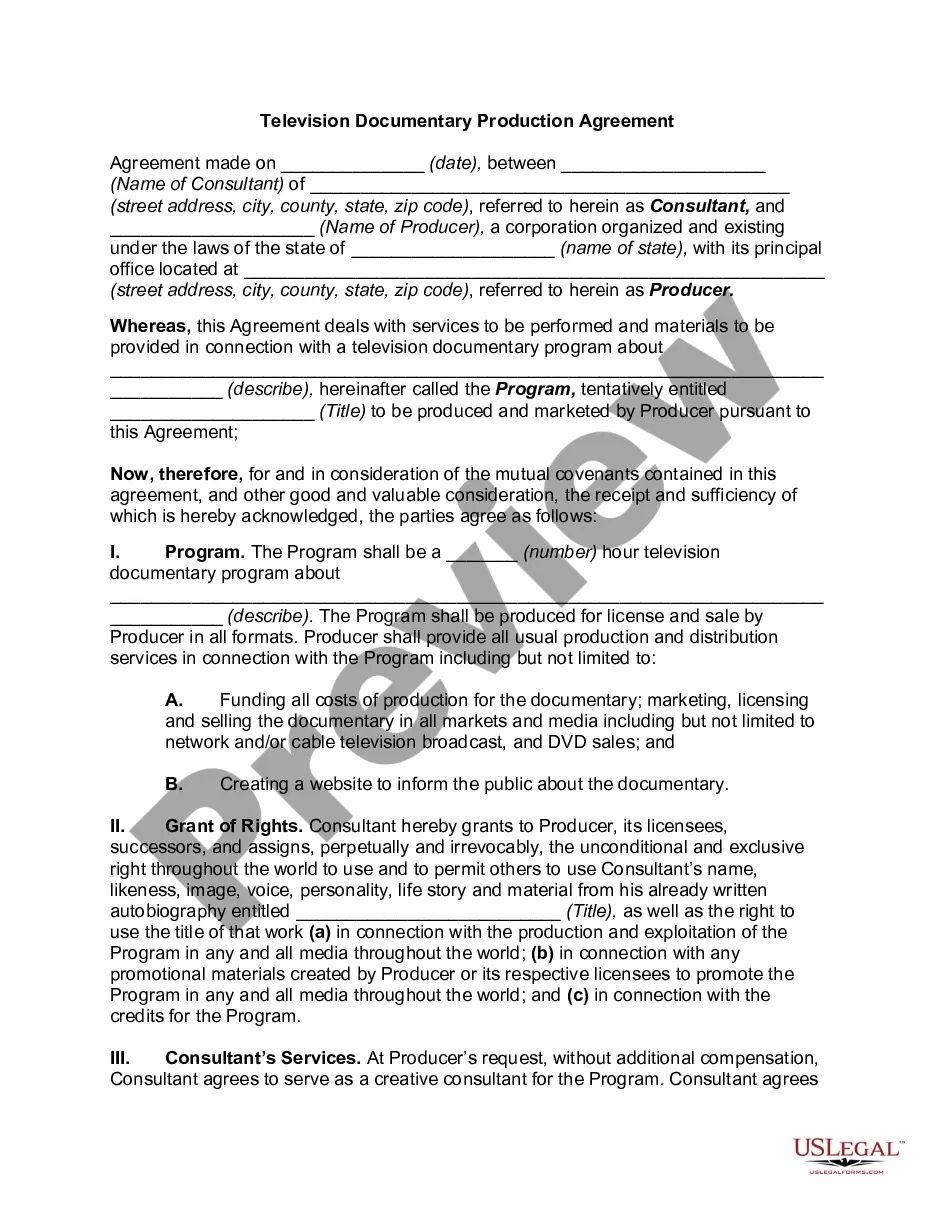
Get your form ready online
Our built-in tools help you complete, sign, share, and store your documents in one place.
Make edits, fill in missing information, and update formatting in US Legal Forms—just like you would in MS Word.
Download a copy, print it, send it by email, or mail it via USPS—whatever works best for your next step.
Sign and collect signatures with our SignNow integration. Send to multiple recipients, set reminders, and more. Go Premium to unlock E-Sign.
If this form requires notarization, complete it online through a secure video call—no need to meet a notary in person or wait for an appointment.
We protect your documents and personal data by following strict security and privacy standards.

Make edits, fill in missing information, and update formatting in US Legal Forms—just like you would in MS Word.

Download a copy, print it, send it by email, or mail it via USPS—whatever works best for your next step.

Sign and collect signatures with our SignNow integration. Send to multiple recipients, set reminders, and more. Go Premium to unlock E-Sign.

If this form requires notarization, complete it online through a secure video call—no need to meet a notary in person or wait for an appointment.

We protect your documents and personal data by following strict security and privacy standards.
Looking for another form?



Form popularity
FAQ
Generally, the producer acquires an exclusive right to lock in a script until the production of the movie begins. The conditions for termination of the above-mentioned rights will be specified in the agreement. All the remuneration and services provided to the writer is also agreed upon by the parties.
It is common in the entertainment industry for producers to have written agreements with the artists, writers, or directors they work with to ensure that all parties have a clear understanding of their respective obligations and rights.
Key points: 1) The Writer agrees to write the story, screenplay, and dialogues for the film exclusively for the Producer. 2) The Writer will develop the script and deliver drafts and a final script to the Producer's satisfaction.
There are two main opportunities for aspiring writers of film and television: a Writer completes a story or script and then pitches it to a production company; or, a Producer buys the rights to a piece of 'intellectual property' – a book, for instance – and then hires a writer to translate it into script format.
The production agreement sets forth the term between two or more producers, individuals, or companies, who together agree to produce a feature film based on an existing screenplay. The production agreement may include financing elements.
There are a variety of ways to finance films, including through debt financing, equity investment, grants, crowdfunding, and partnerships with studios and/or production companies. WIPO's research focuses on debt financing and identifies the key players and their economic motivations.
