Contract Manufacturing Agreement In India In Middlesex
Description

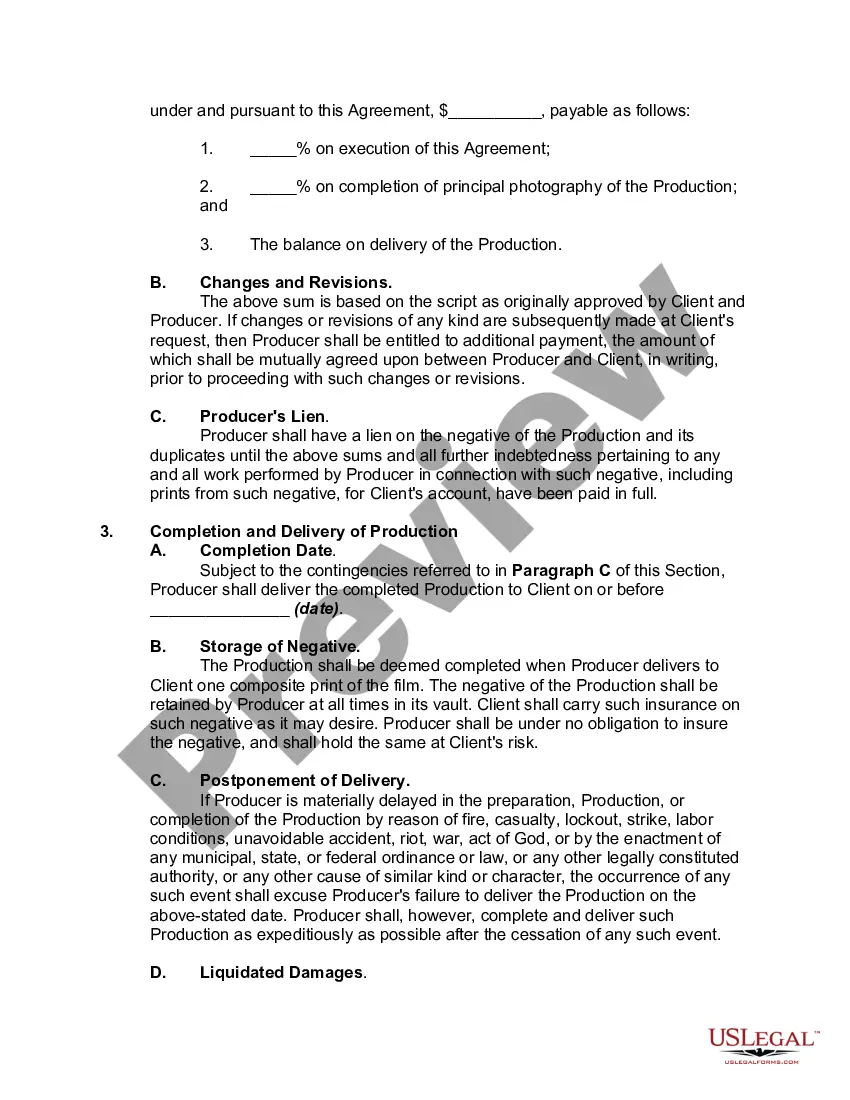
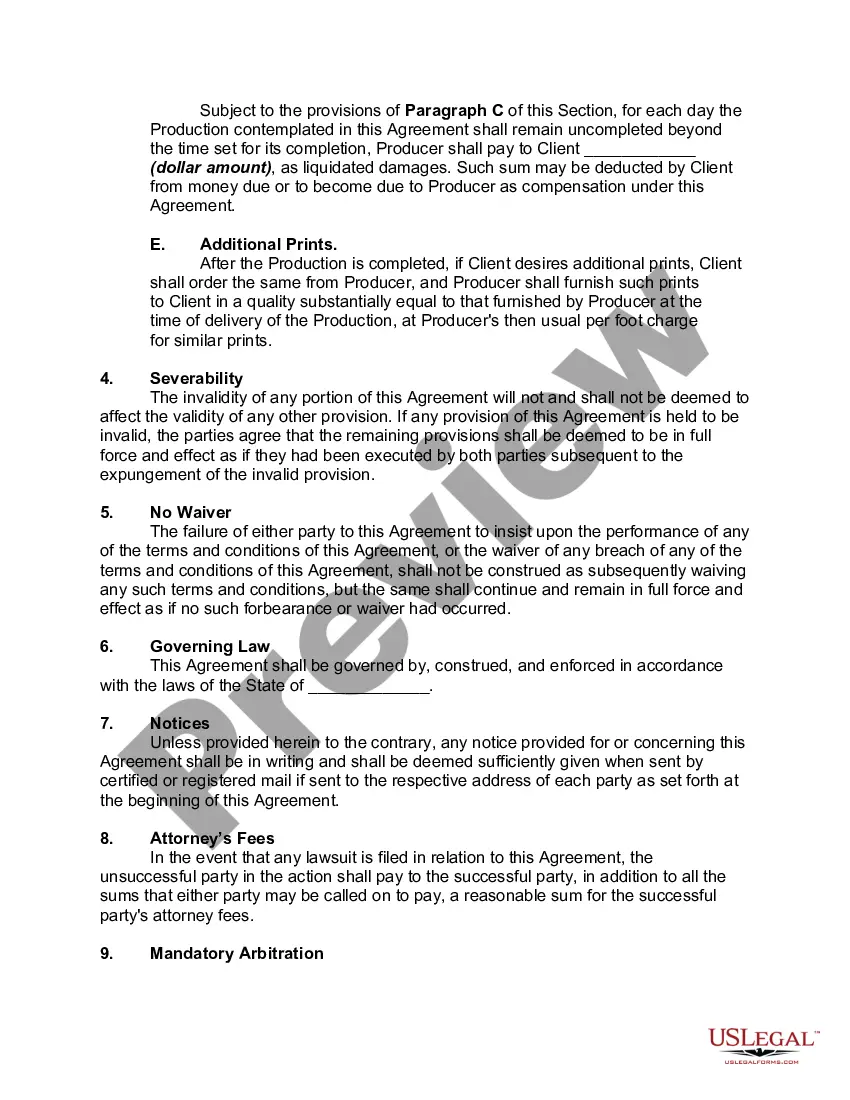
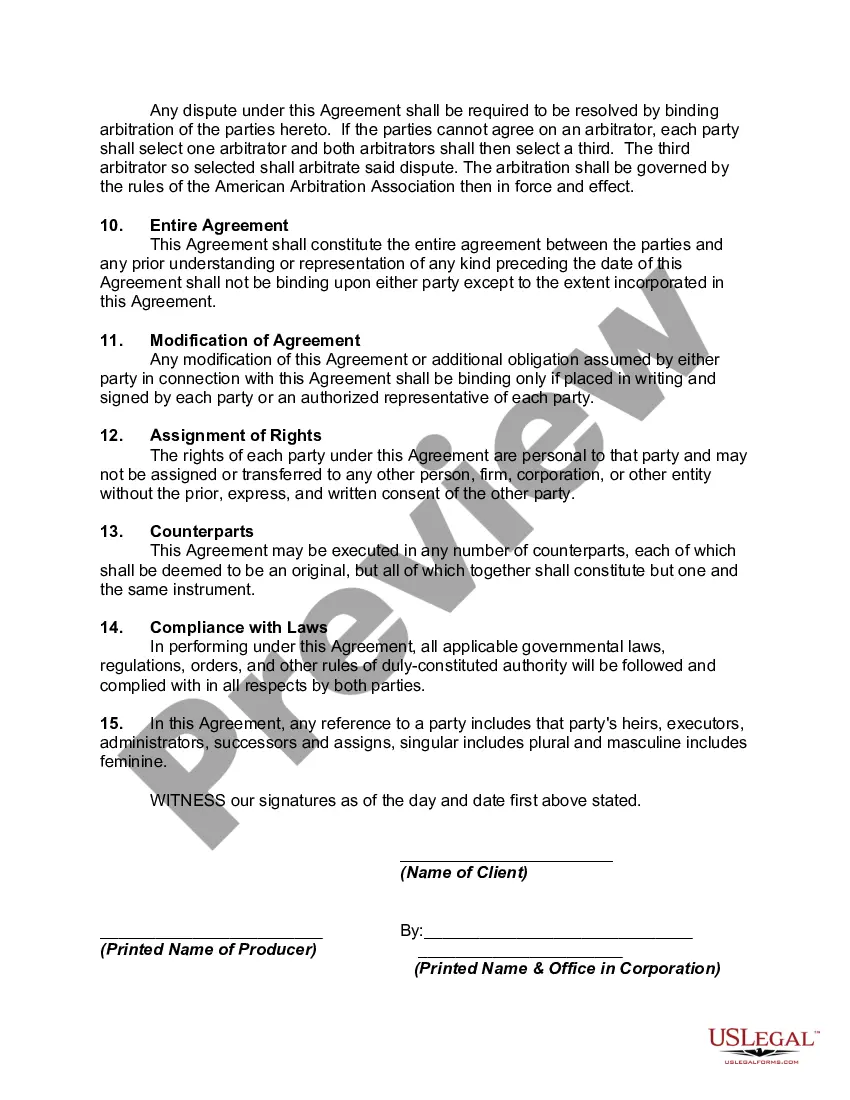
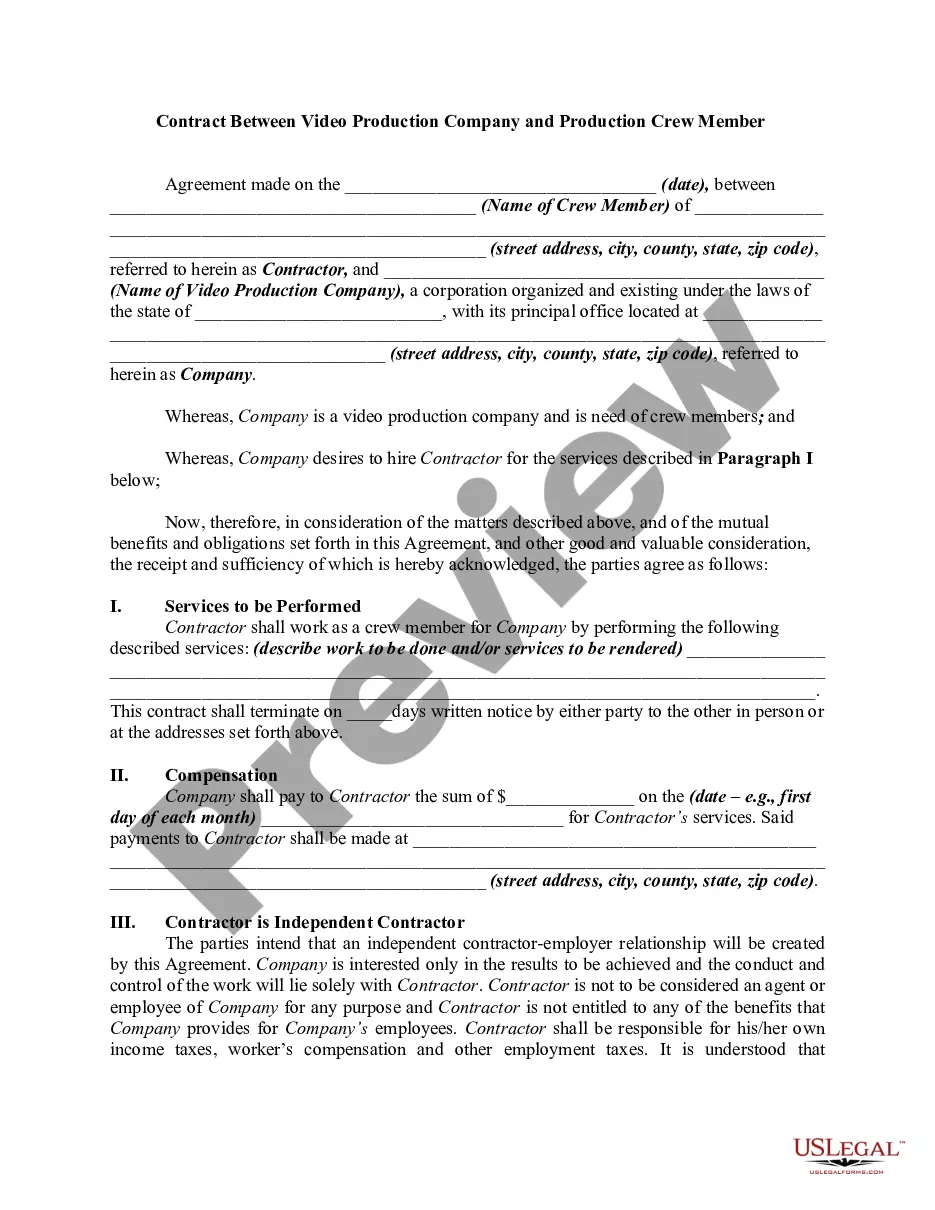
Get your form ready online
Our built-in tools help you complete, sign, share, and store your documents in one place.
Make edits, fill in missing information, and update formatting in US Legal Forms—just like you would in MS Word.
Download a copy, print it, send it by email, or mail it via USPS—whatever works best for your next step.
Sign and collect signatures with our SignNow integration. Send to multiple recipients, set reminders, and more. Go Premium to unlock E-Sign.
If this form requires notarization, complete it online through a secure video call—no need to meet a notary in person or wait for an appointment.
We protect your documents and personal data by following strict security and privacy standards.

Make edits, fill in missing information, and update formatting in US Legal Forms—just like you would in MS Word.

Download a copy, print it, send it by email, or mail it via USPS—whatever works best for your next step.

Sign and collect signatures with our SignNow integration. Send to multiple recipients, set reminders, and more. Go Premium to unlock E-Sign.

If this form requires notarization, complete it online through a secure video call—no need to meet a notary in person or wait for an appointment.

We protect your documents and personal data by following strict security and privacy standards.
Looking for another form?






Form popularity
FAQ
Contract manufacturing typically falls into three categories: component manufacturing, which involves producing individual parts; sub-assembly manufacturing, which focuses on creating semi-finished components; and complete product manufacturing, where the manufacturer produces a fully finished product ready for the ...
The decision between CM and OEM depends on several factors, including: Product Complexity: CM is well-suited for complex products with unique designs and specifications, while OEM is more suitable for products with established designs and standardized components.
Contract manufacturing is a type of outsourcing that companies use, which involves hiring a manufacturer to create products. A contract manufacturer may take part in various stages of production, including design, manufacturing and shipping, depending on the needs of their client.
For an agreement to be legally binding, it should have the following elements: Offer and Acceptance: One party must offer something, and the other party must accept it without any modifications. Legal Purpose: The agreement's purpose should be lawful.
Your manufacturing contract should include: intellectual property (since the contract manufacturer(s) will be producing your proprietary creation). an assessment of manufacturing costs. clearly-written obligations of both parties. liabilities. product quality standards (if a quality control clause is included).
Some contract manufacturing examples are as below. Pharmaceutical Industry: Drugs required to prepare medicines can be outsourced to other companies. Automobile Industry: Many automobile companies use parts produced by other companies and focus on assembling those parts to generate the final product.
While contract manufacturing offers many benefits, there are also some risks associated with it. One of the most significant risks is the risk of intellectual property theft. By outsourcing production to a third-party manufacturer, the company is essentially handing over control of its intellectual property.
Contract manufacturing, also known as outsourcing or third-party manufacturing, involves companies engaging a specialised manufacturing firms to produce goods on their behalf.
How to draft a contract between two parties: A step-by-step checklist Know your parties. Agree on the terms. Set clear boundaries. Spell out the consequences. Specify how you will resolve disputes. Cover confidentiality. Check the legality of the contract. Open it up to negotiation.
