Form In Film Examples In Michigan
Description

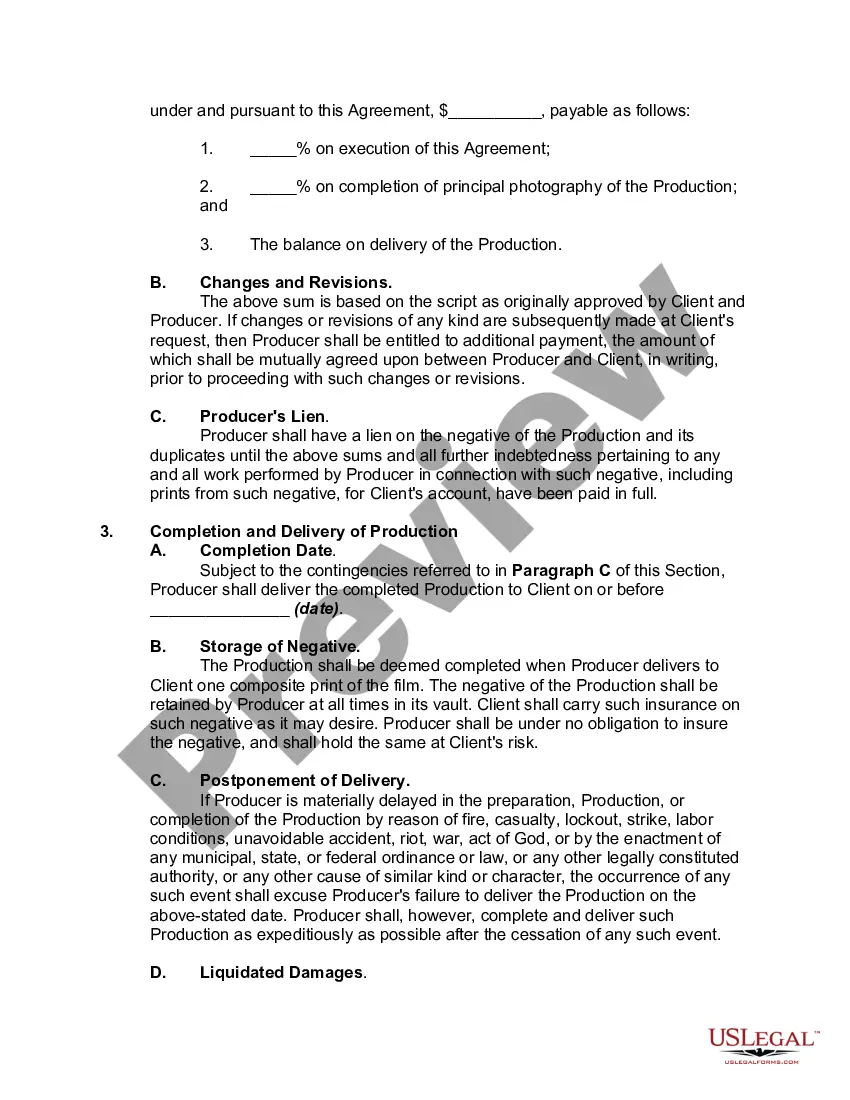
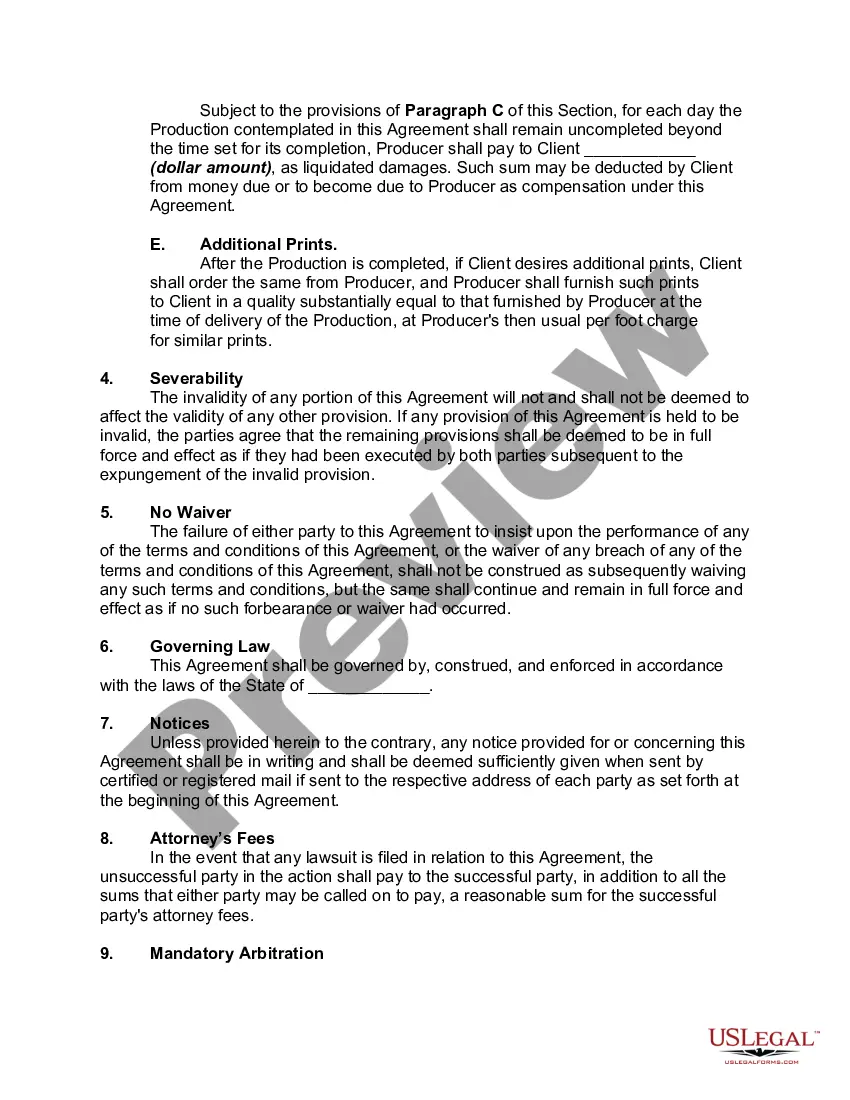
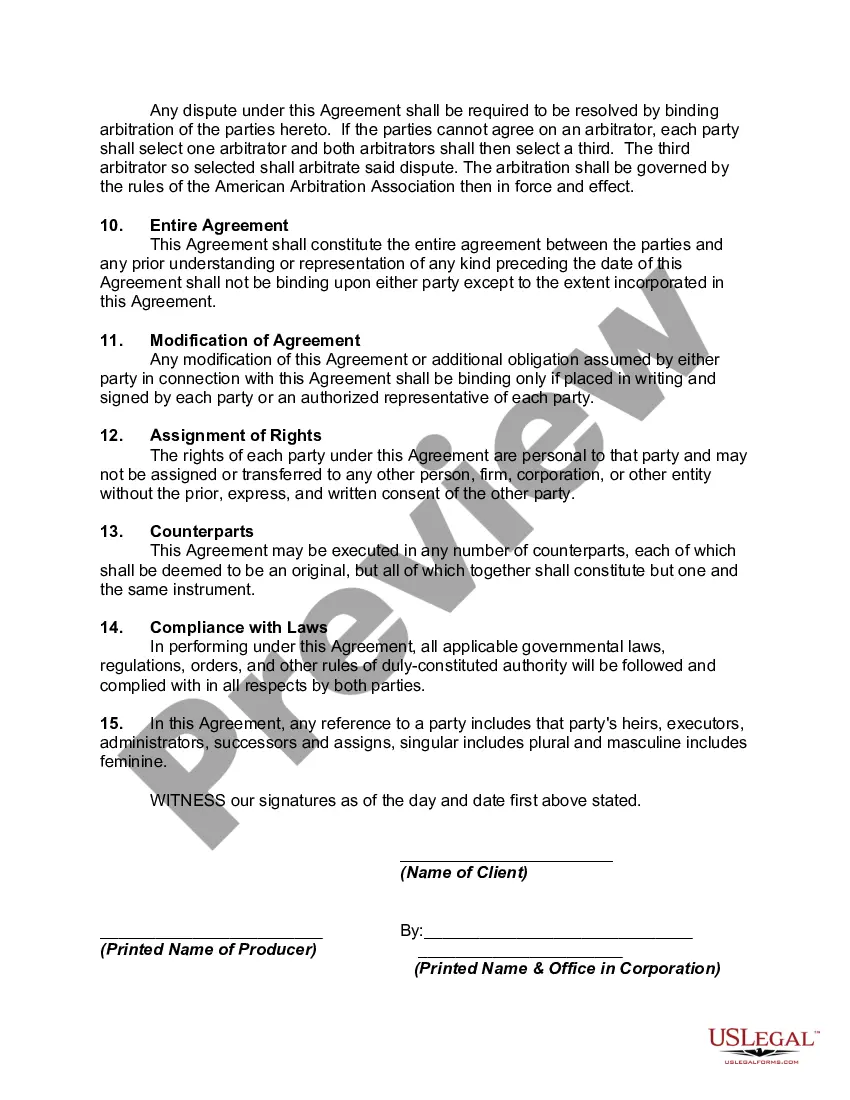
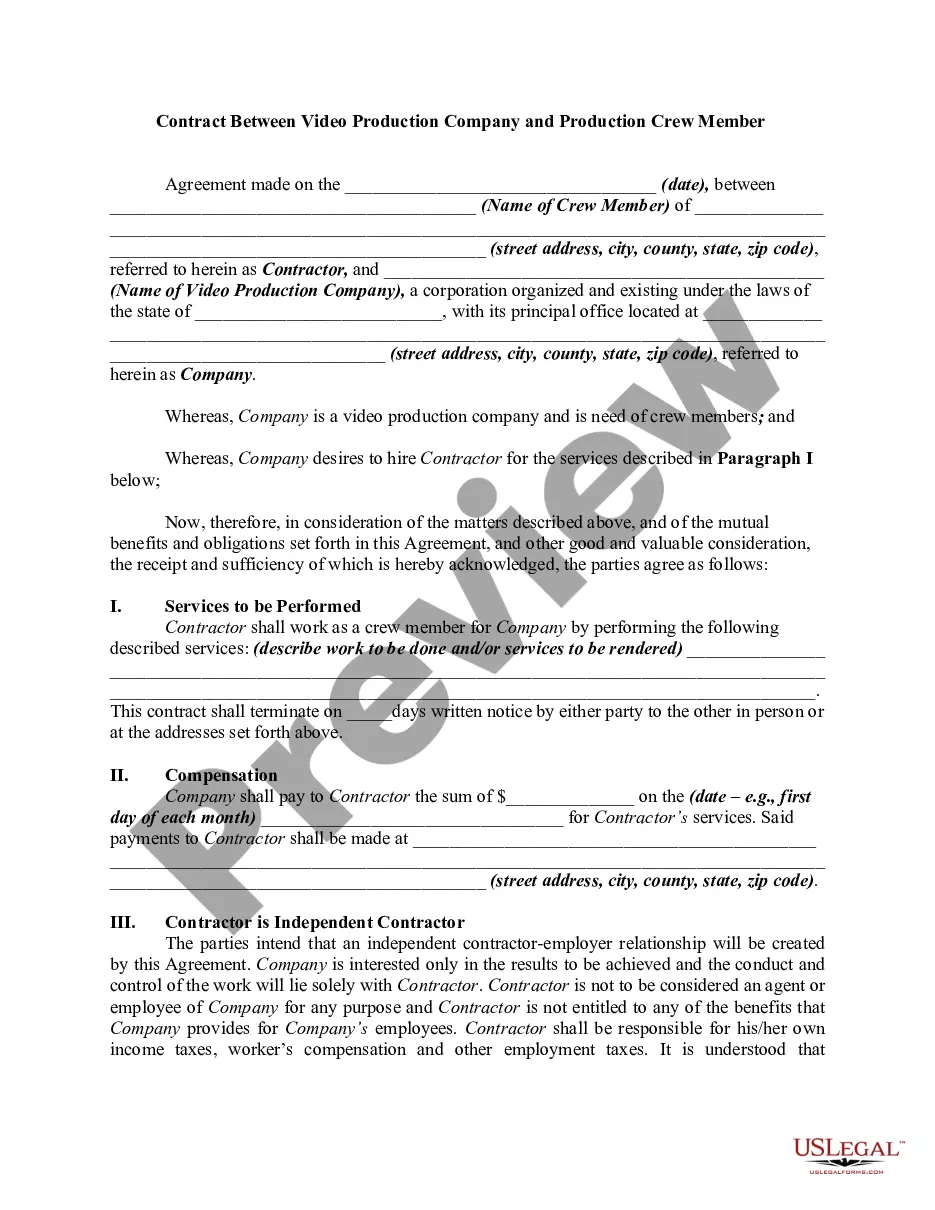
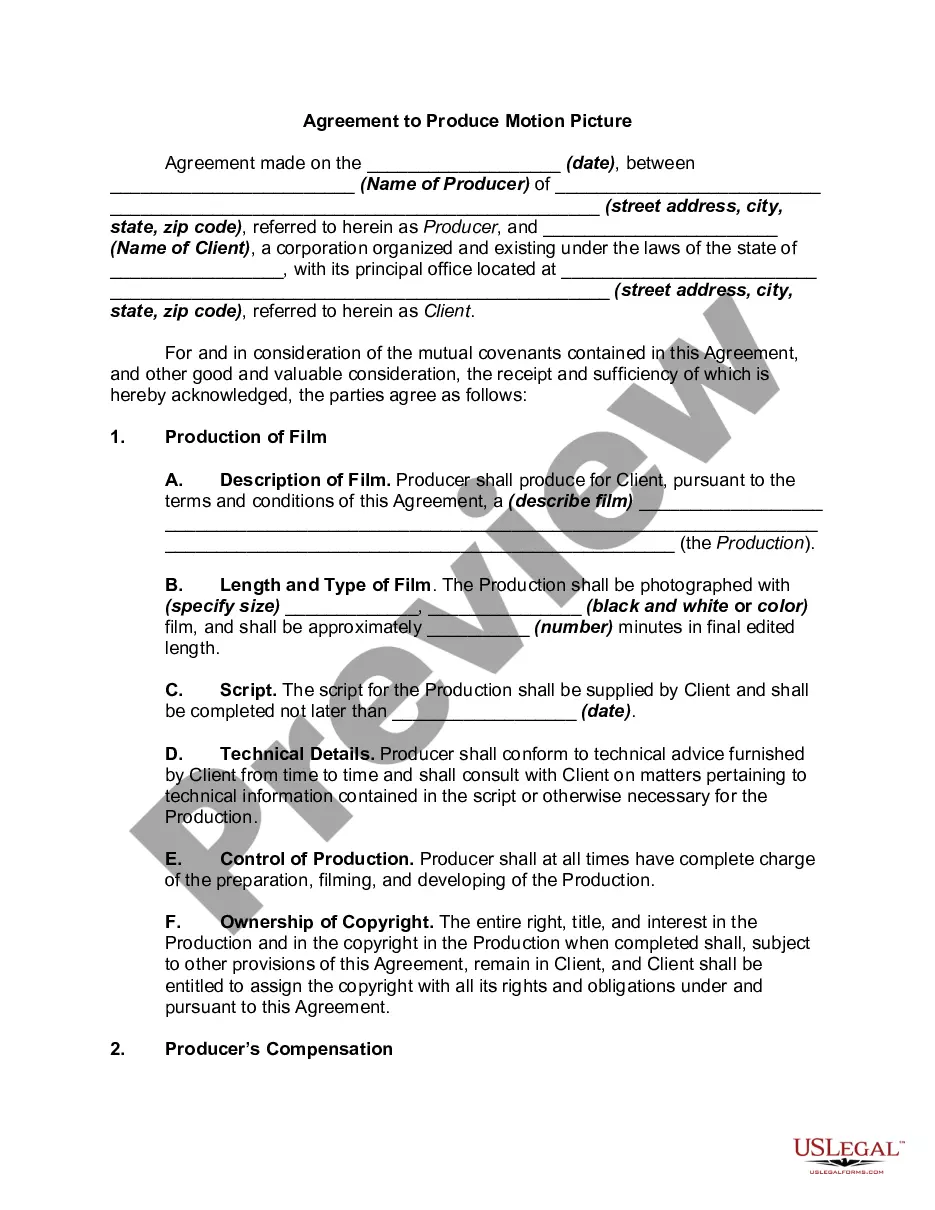
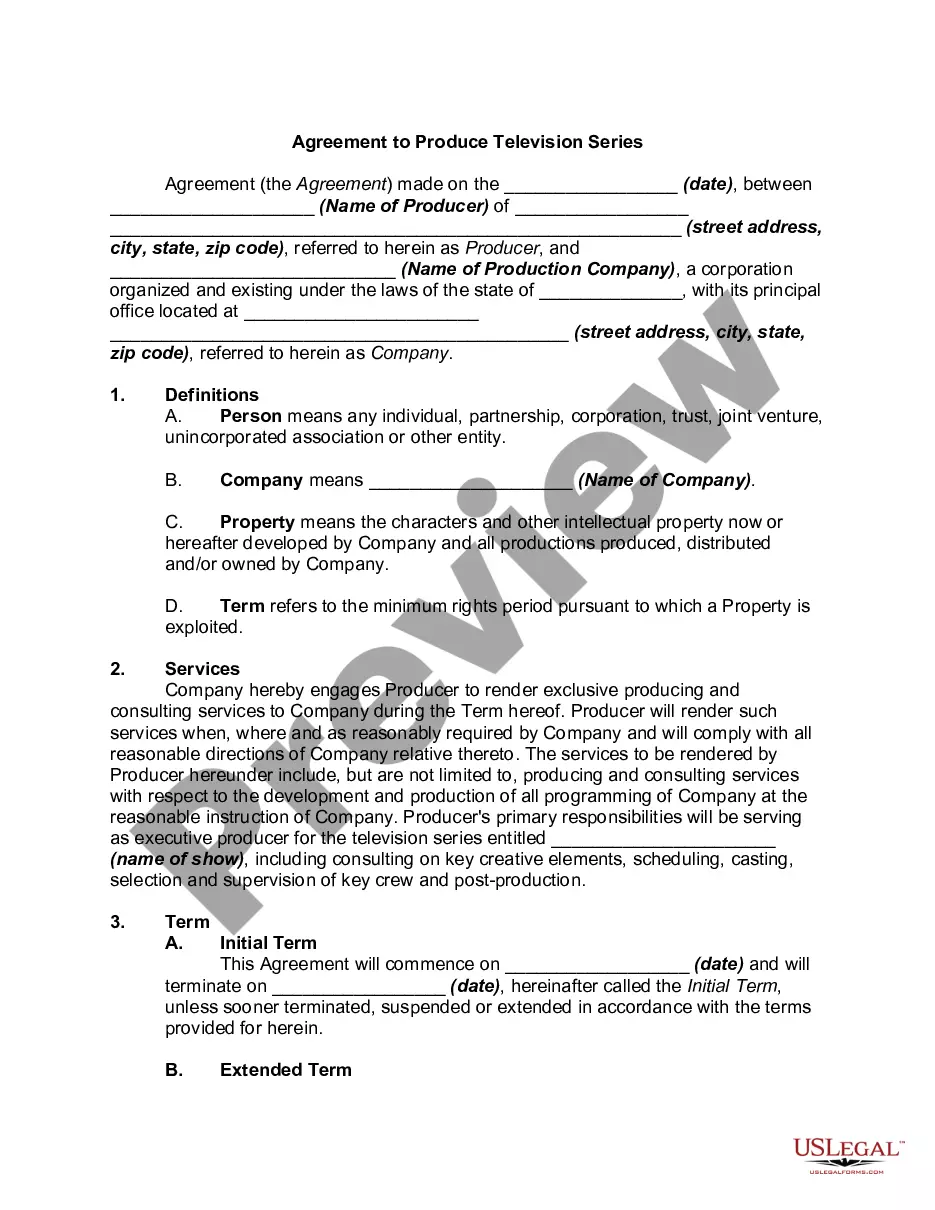
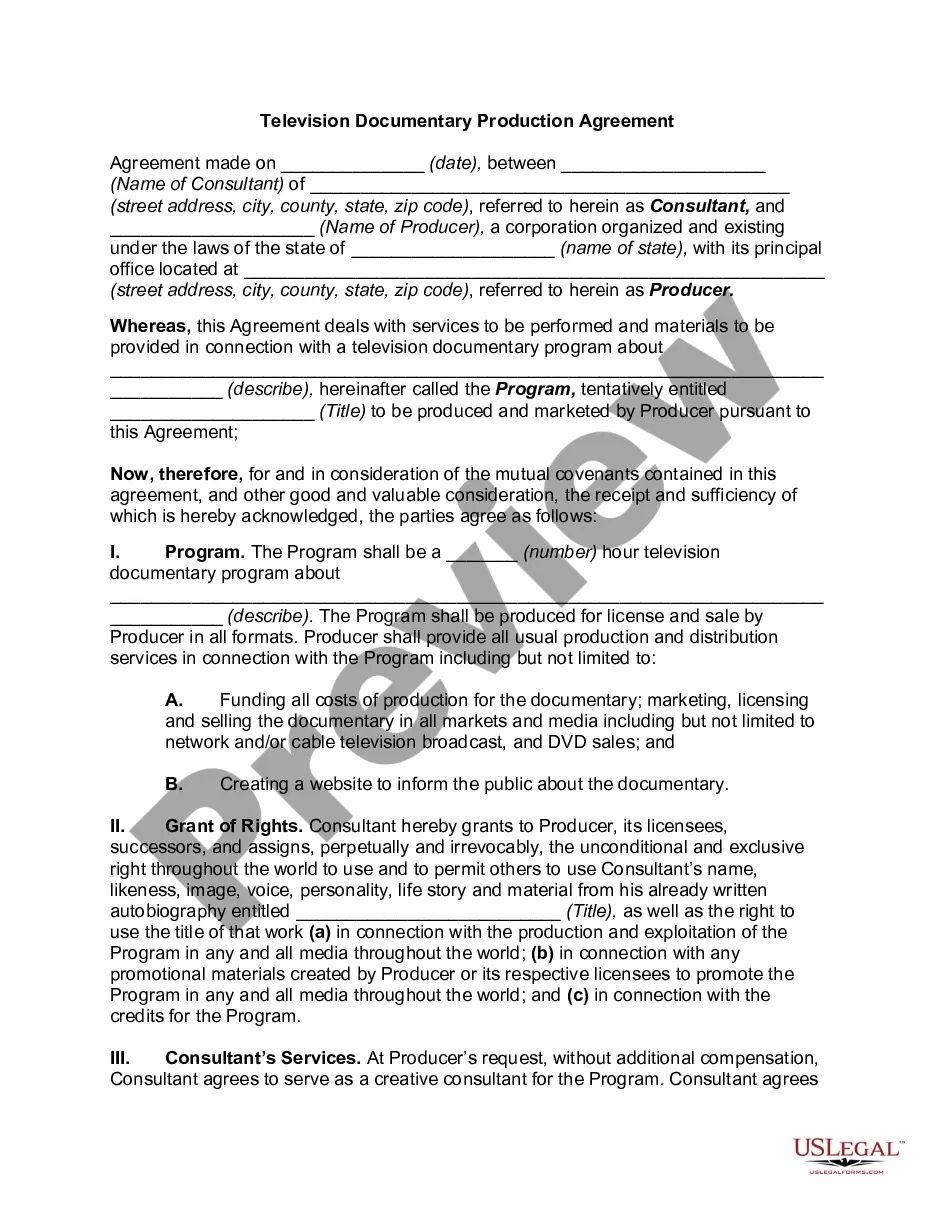
Get your form ready online
Our built-in tools help you complete, sign, share, and store your documents in one place.
Make edits, fill in missing information, and update formatting in US Legal Forms—just like you would in MS Word.
Download a copy, print it, send it by email, or mail it via USPS—whatever works best for your next step.
Sign and collect signatures with our SignNow integration. Send to multiple recipients, set reminders, and more. Go Premium to unlock E-Sign.
If this form requires notarization, complete it online through a secure video call—no need to meet a notary in person or wait for an appointment.
We protect your documents and personal data by following strict security and privacy standards.

Make edits, fill in missing information, and update formatting in US Legal Forms—just like you would in MS Word.

Download a copy, print it, send it by email, or mail it via USPS—whatever works best for your next step.

Sign and collect signatures with our SignNow integration. Send to multiple recipients, set reminders, and more. Go Premium to unlock E-Sign.

If this form requires notarization, complete it online through a secure video call—no need to meet a notary in person or wait for an appointment.

We protect your documents and personal data by following strict security and privacy standards.
Looking for another form?







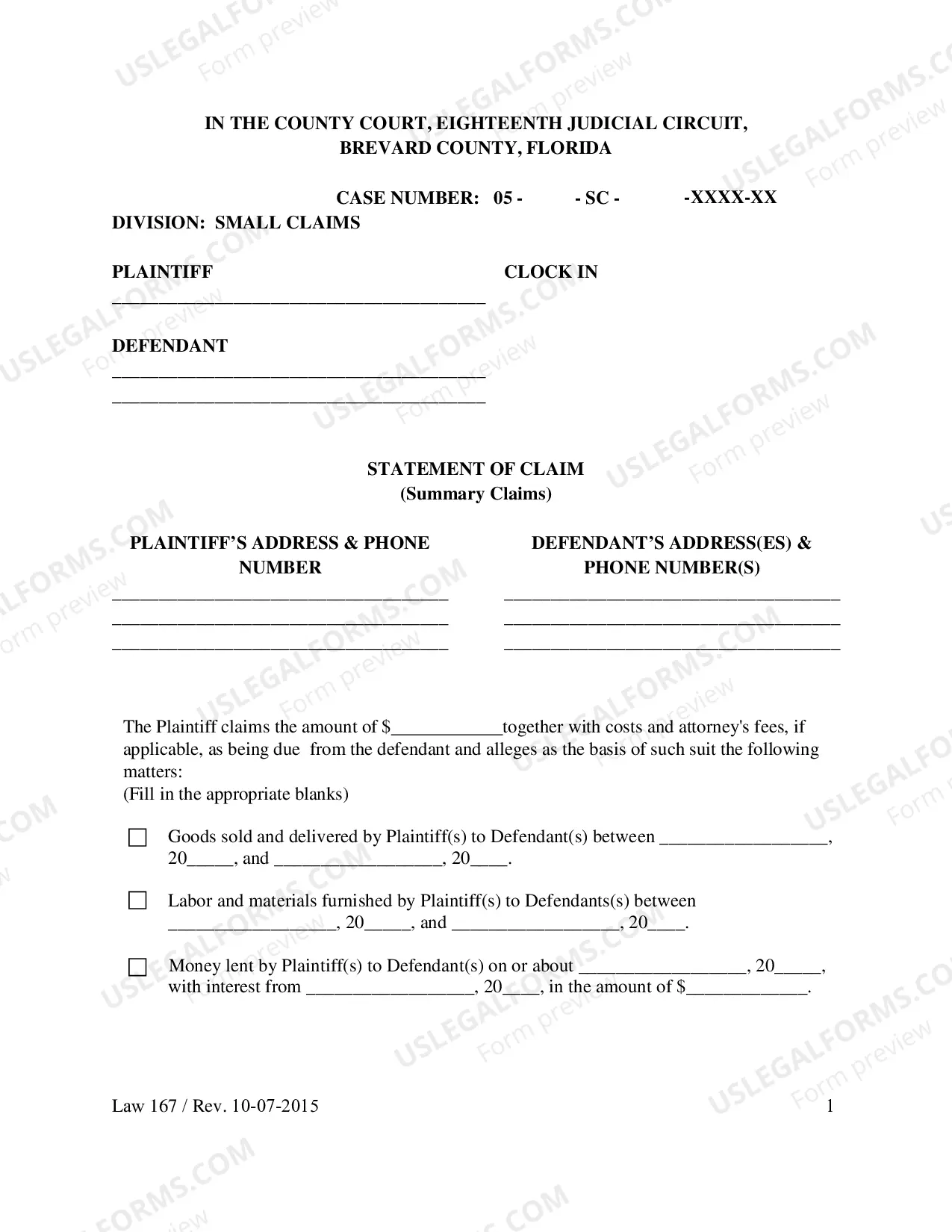
Form popularity
FAQ
This is typically established with a location release. Form where the owner consents to the relevantMoreThis is typically established with a location release. Form where the owner consents to the relevant details of the shoot.
When filming, videotaping, audio recording or photographing in a public space where people don't have a reasonable expectation of privacy there is no need to seek permission to capture images for news or archival purposes.
You must also obtain permission from the local government or film city authority. To do this, you will need to provide a proposal outlining your plans and submit the required paperwork. Additionally, you must provide proof of insurance or a bond to cover any potential damage or accidents during filming.
The State considers an approved, issued CFC film permit to be your legal approval to use the state locations and images in your project in perpetuity. The CFC film permit, in most instances, takes the place of a location agreement or signed release.
Permits will be required for production on state and county roads and highways. For city and township owned roadways please contact the local municipality for permits. Permits are required for sensitive areas such as state historical sites, military sites, and protected natural areas.
Portfolio Requirements : Most film schools require applicants to submit a portfolio showcasing their work, which can include short films, scripts, or other relevant projects. Academic Qualifications Letters of Recommendation Personal Statement Interviews Competition Diversity of Backgrounds
