Film Agreement Sample With Audio In Maricopa
Description

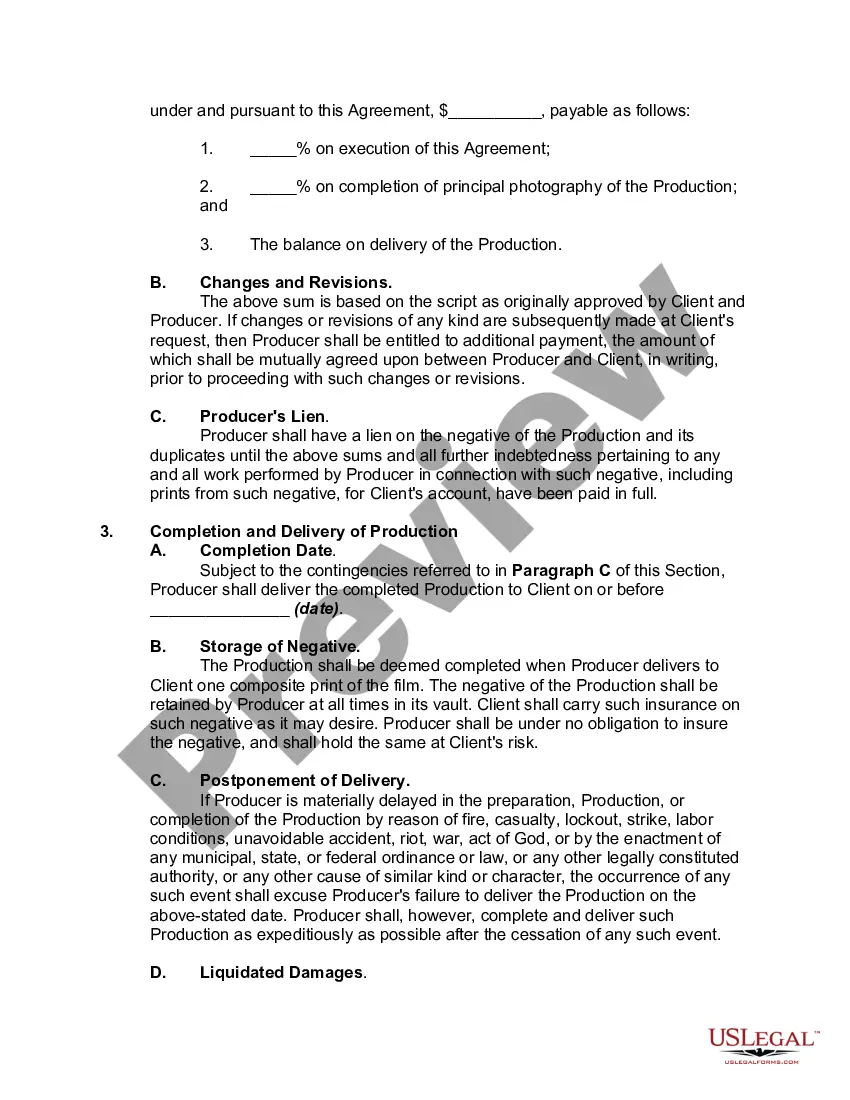
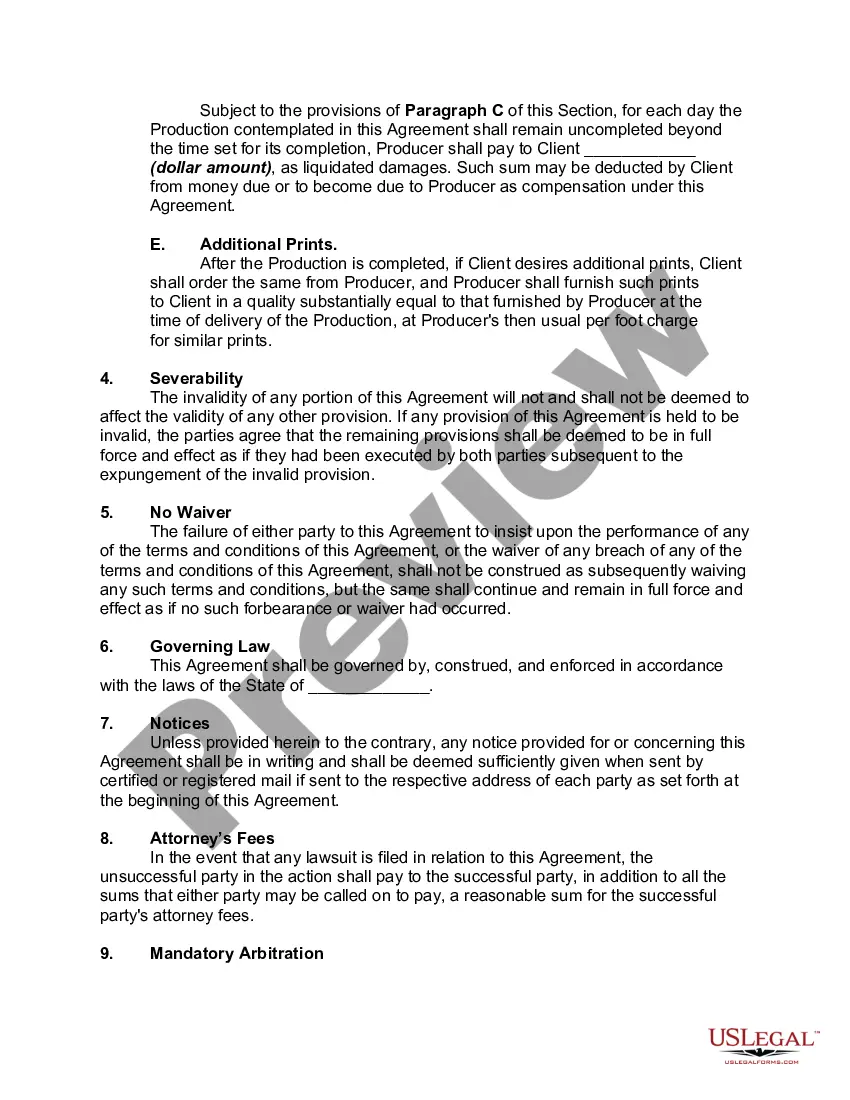
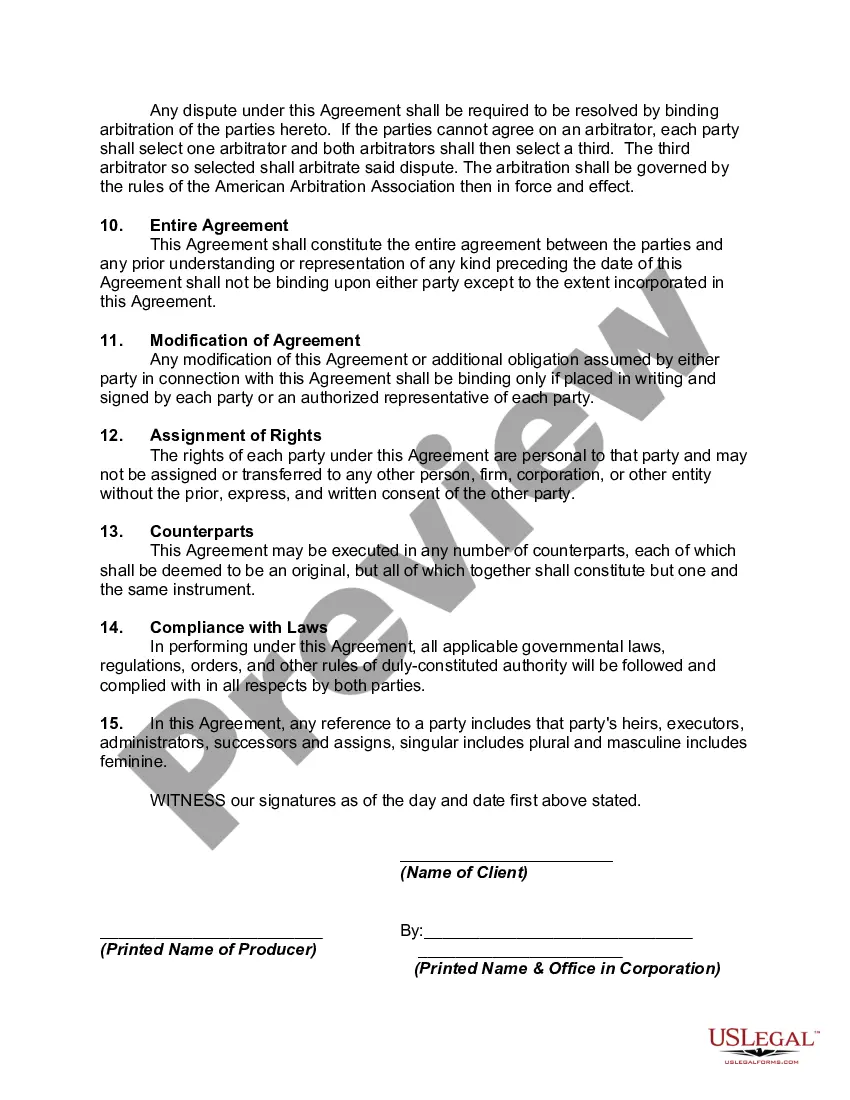
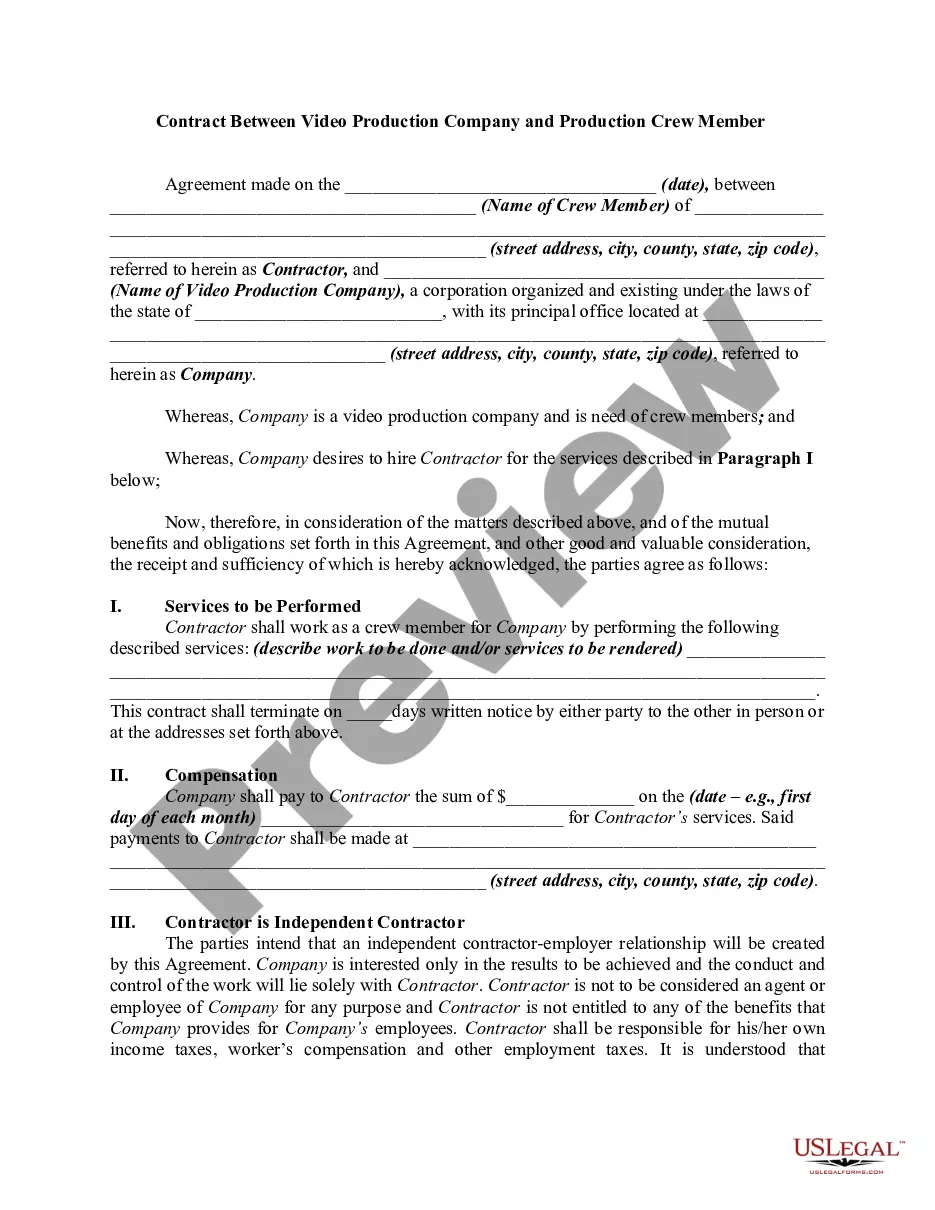
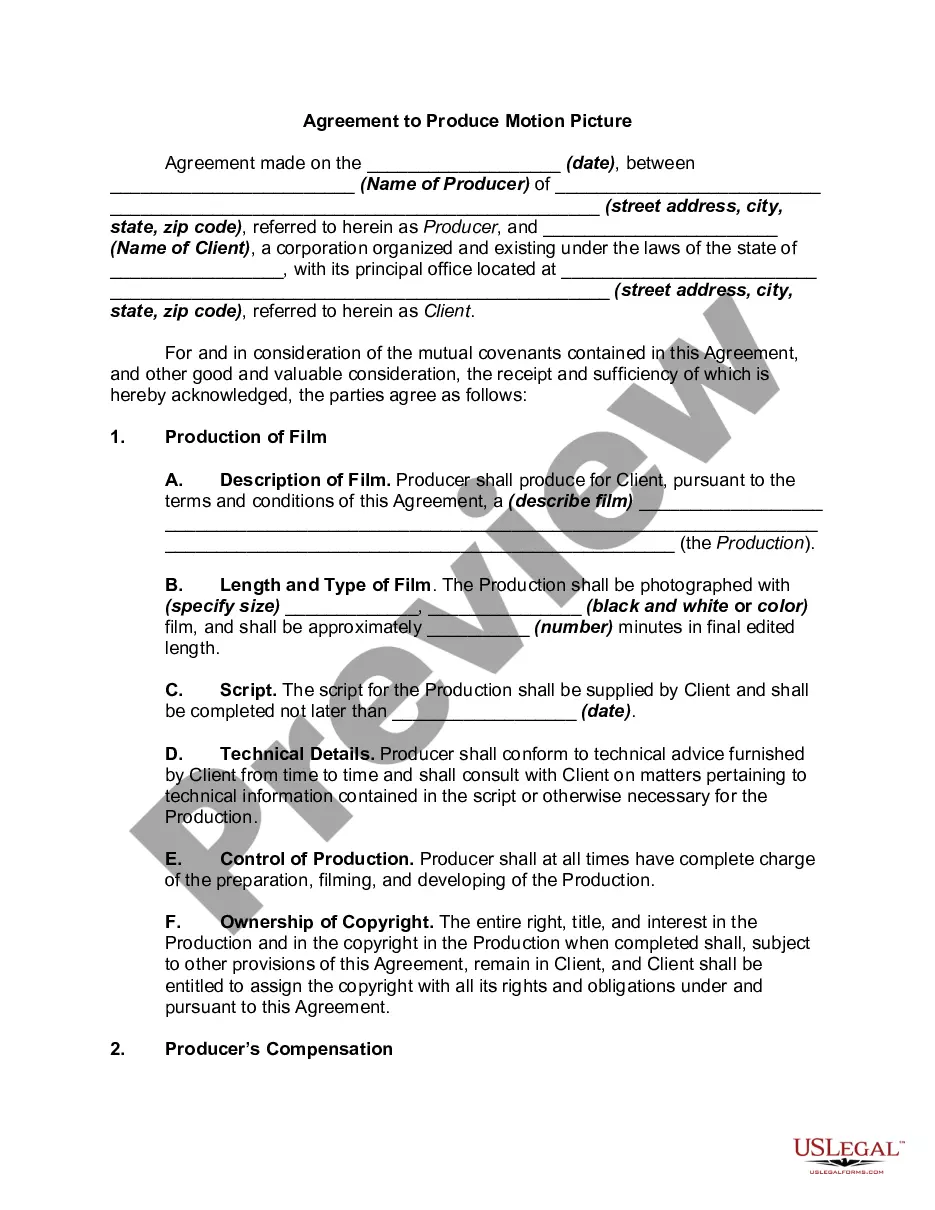
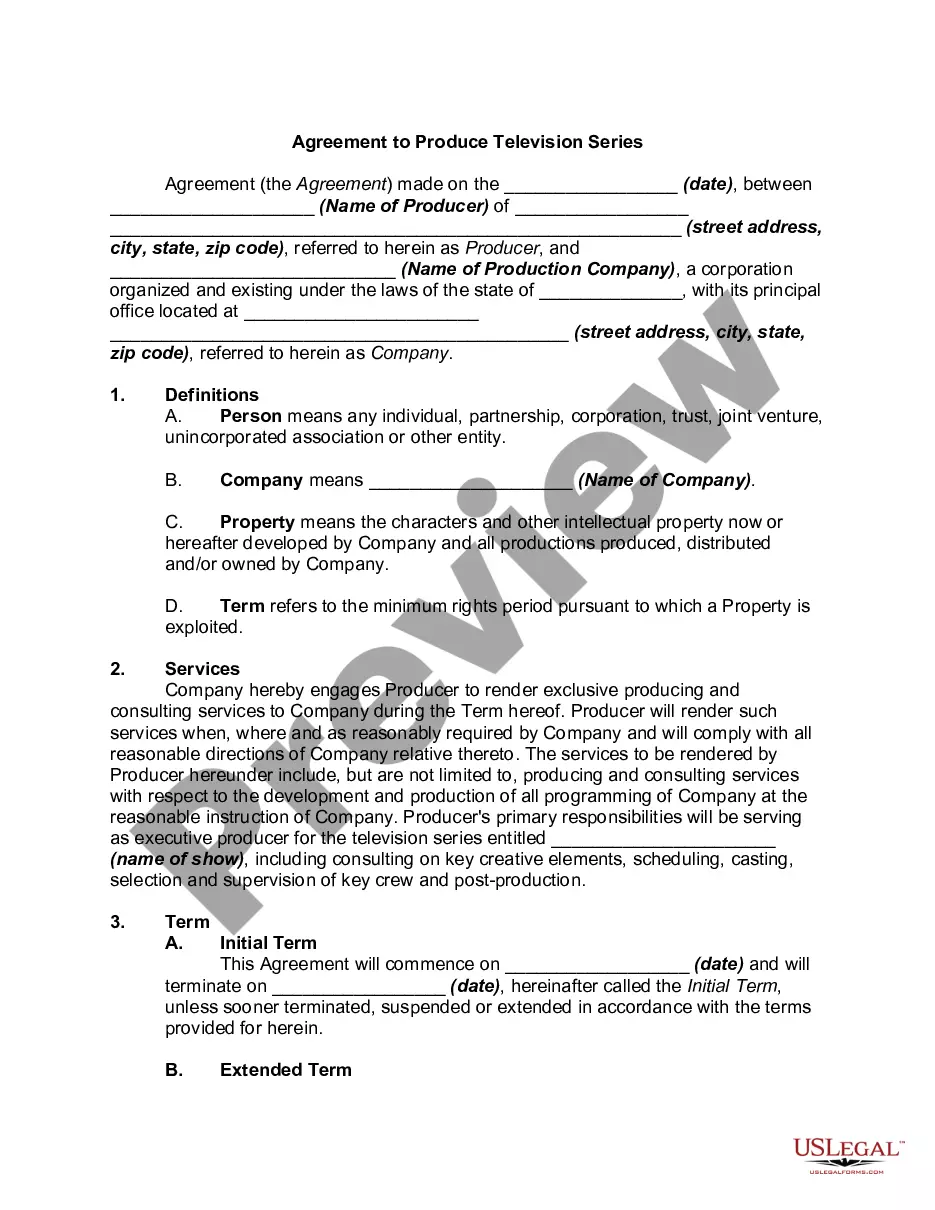
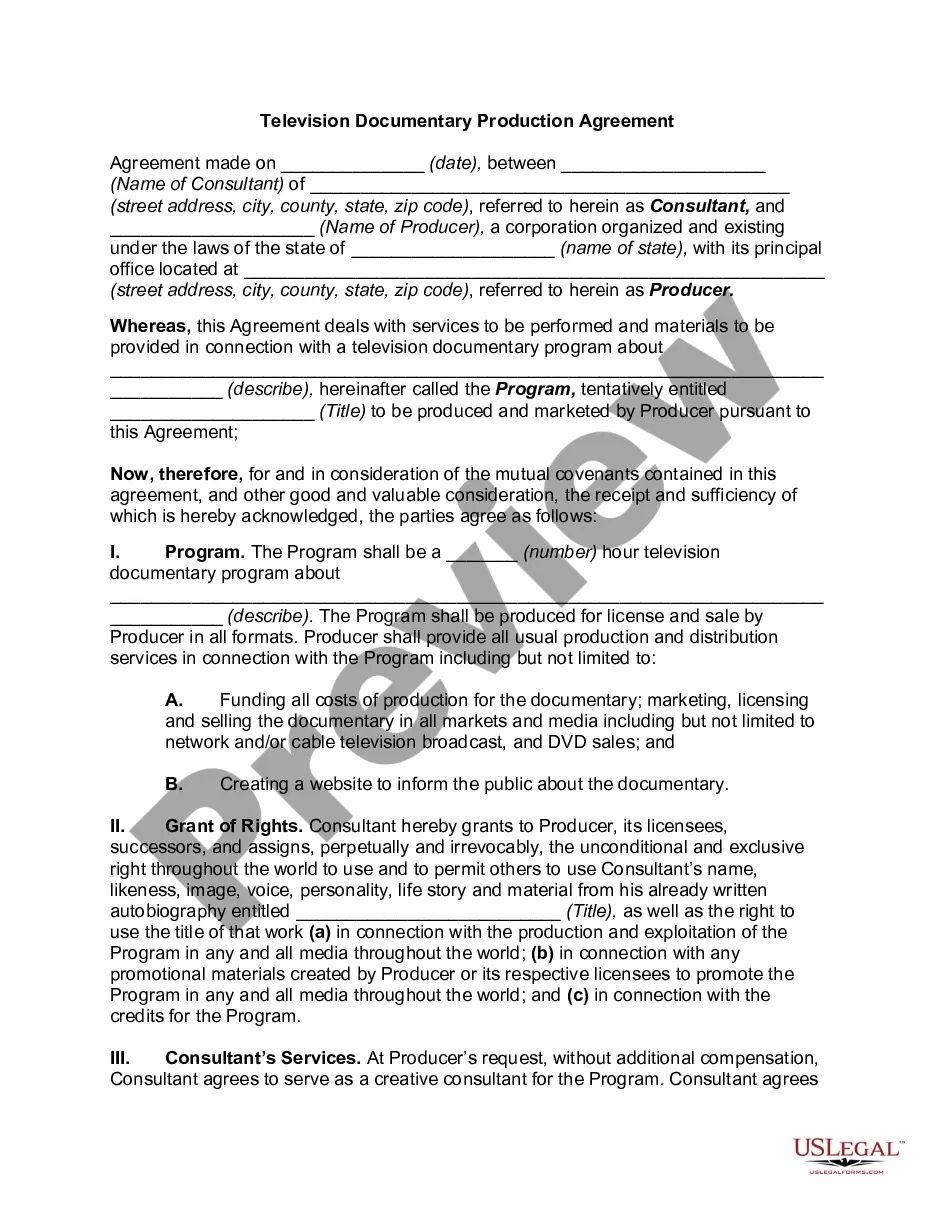
Get your form ready online
Our built-in tools help you complete, sign, share, and store your documents in one place.
Make edits, fill in missing information, and update formatting in US Legal Forms—just like you would in MS Word.
Download a copy, print it, send it by email, or mail it via USPS—whatever works best for your next step.
Sign and collect signatures with our SignNow integration. Send to multiple recipients, set reminders, and more. Go Premium to unlock E-Sign.
If this form requires notarization, complete it online through a secure video call—no need to meet a notary in person or wait for an appointment.
We protect your documents and personal data by following strict security and privacy standards.

Make edits, fill in missing information, and update formatting in US Legal Forms—just like you would in MS Word.

Download a copy, print it, send it by email, or mail it via USPS—whatever works best for your next step.

Sign and collect signatures with our SignNow integration. Send to multiple recipients, set reminders, and more. Go Premium to unlock E-Sign.

If this form requires notarization, complete it online through a secure video call—no need to meet a notary in person or wait for an appointment.

We protect your documents and personal data by following strict security and privacy standards.
Looking for another form?
Form popularity
FAQ
You can usually contact a producer or director through his/her agent or rep agency. You should also be aware that any such contact will be ``one way''-- do not expect any reply or response of any kind, to the contact you will make.
Copying requires permission unless a special exception applies. Sound recordings are also protected by copyright. This copyright is separate and additional to any copyrights in material on the recording.
No form of sampling is legal in the United States, ing to the Supreme Court. Any use of someone else's audio in your song, remix, or other audio creation is always outside of fair use. Assuming you are using the standard meaning of ``sampling'' as used in audio engineering or music production.
Comments Section Doesn't matter how old the movie is, it is copyrighted. To be able to legally use a sample from a film, you'd need to license the clip just like you'd license anything else: contact the copyright owner and negotiate terms of the use of the clip.
The most important ground rule: you cannot sample music without permission. So always make sure to clear the samples you use. In short, that means when you create a new track, you need to send it to the original rightsholders (both of the original sound recording and the original composition) for approval.
Copyright Ownership: Film audio, including dialogue, music, and sound effects, is protected by copyright. The rights are typically held by the film's producers or the studio. Permission: To use an audio excerpt legally, you generally need to obtain permission or a license from the copyright owner.
(4) Each co-producer shall be an owner on a joint basis of the physical copy of the original negative or other recording media in which the master co-production is made, not including any intellectual property rights that may be embodied in the said physical copy, except as is determined by the co-producers in the co- ...
Recording Requirements Each document must have original signatures or carbon copies of original signatures, except when otherwise provided by law. Each document must be no larger than 8 1/2 inches wide by 14 inches long, and shall have a print size no smaller than ten point type.
Filing a Will or Probate Case The Probate Filing Counter is located at 201 W. Jefferson in Phoenix, or at our Southeast location, 222 E. Javelina in Mesa, or at our Northwest Regional Court Center location at 14264 W.
(For standard documents, a scan must have a minimum width of 8.47 inches, maximum width of 8.53 inches, minimum length of 10.97 inches, and maximum length of 14.25 inches).
