Contract For Film Music In King
Description

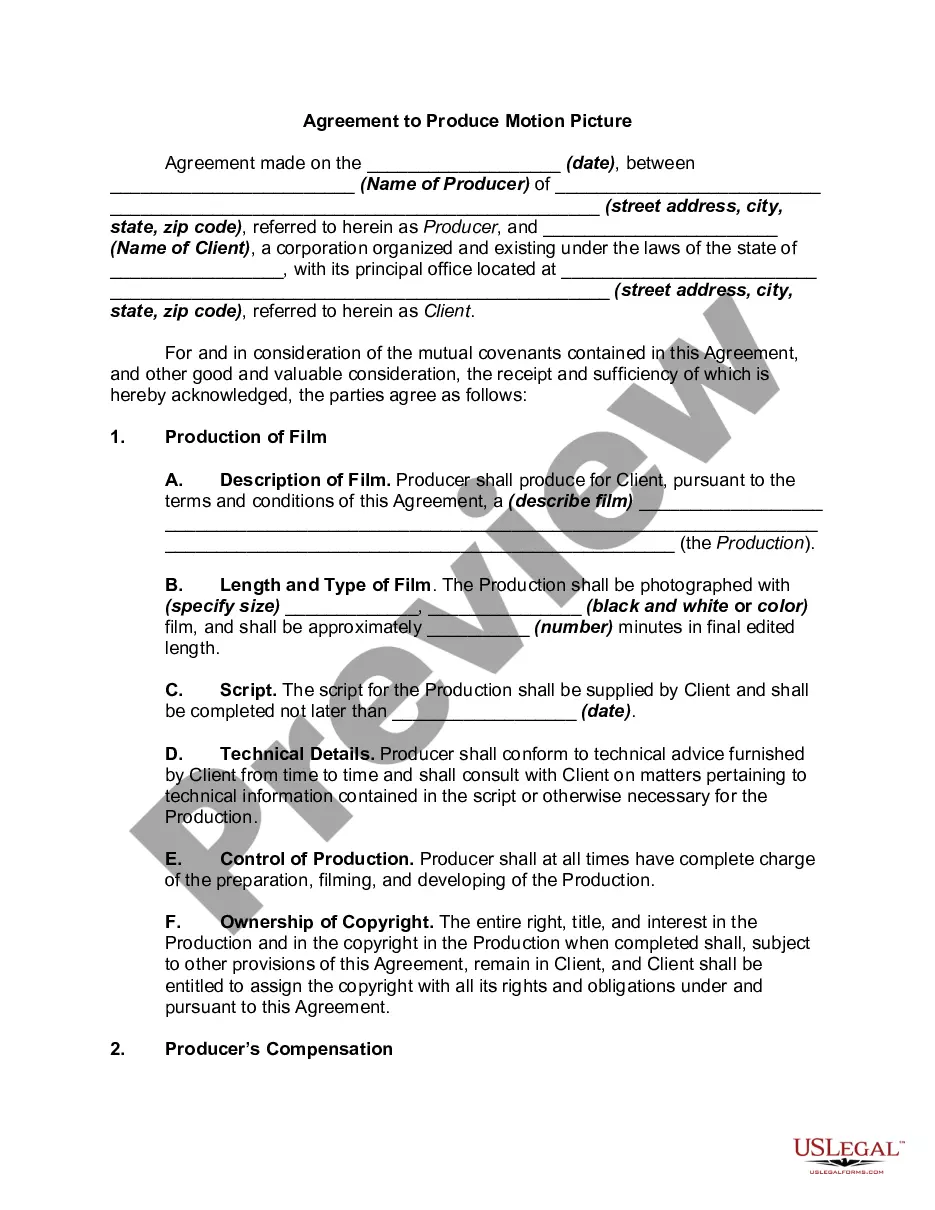
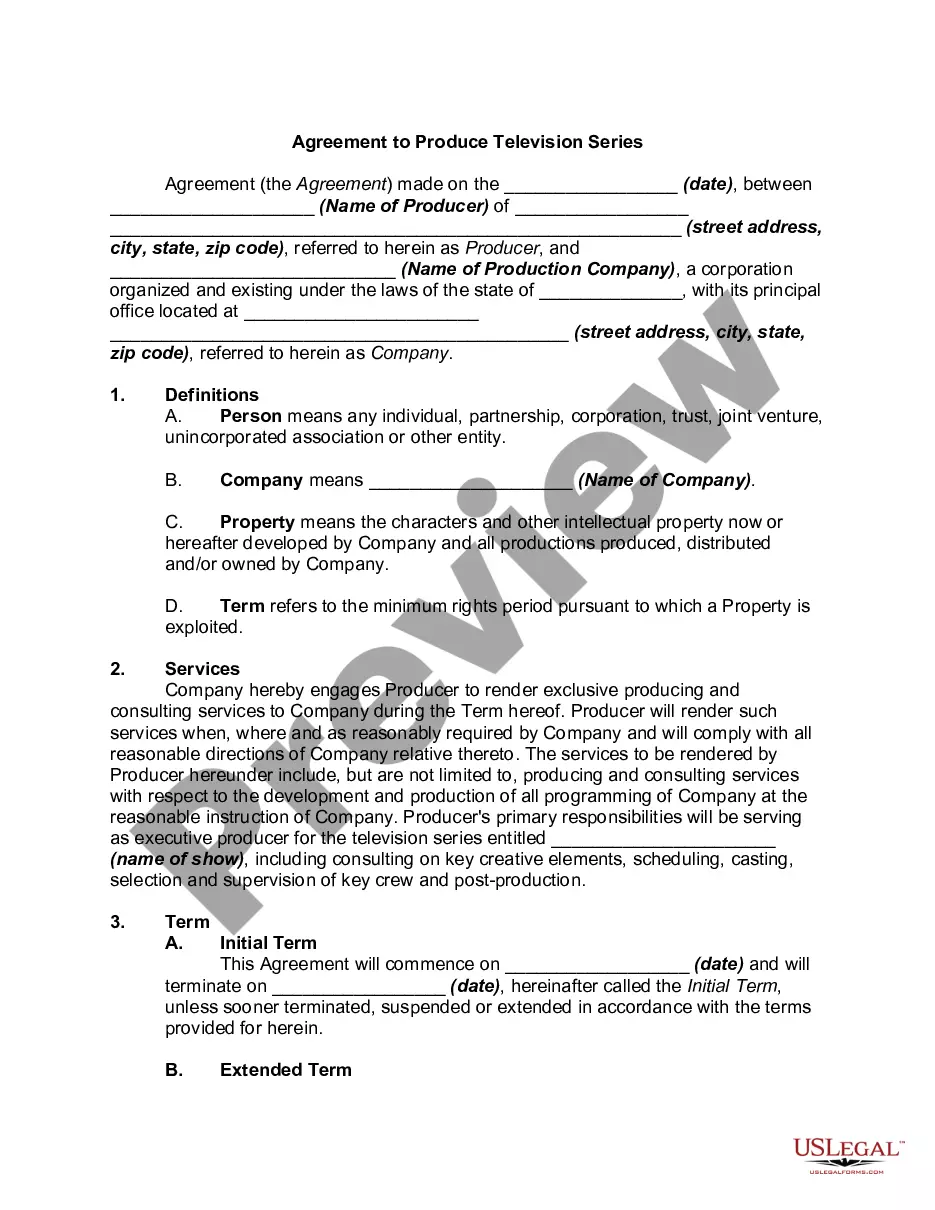
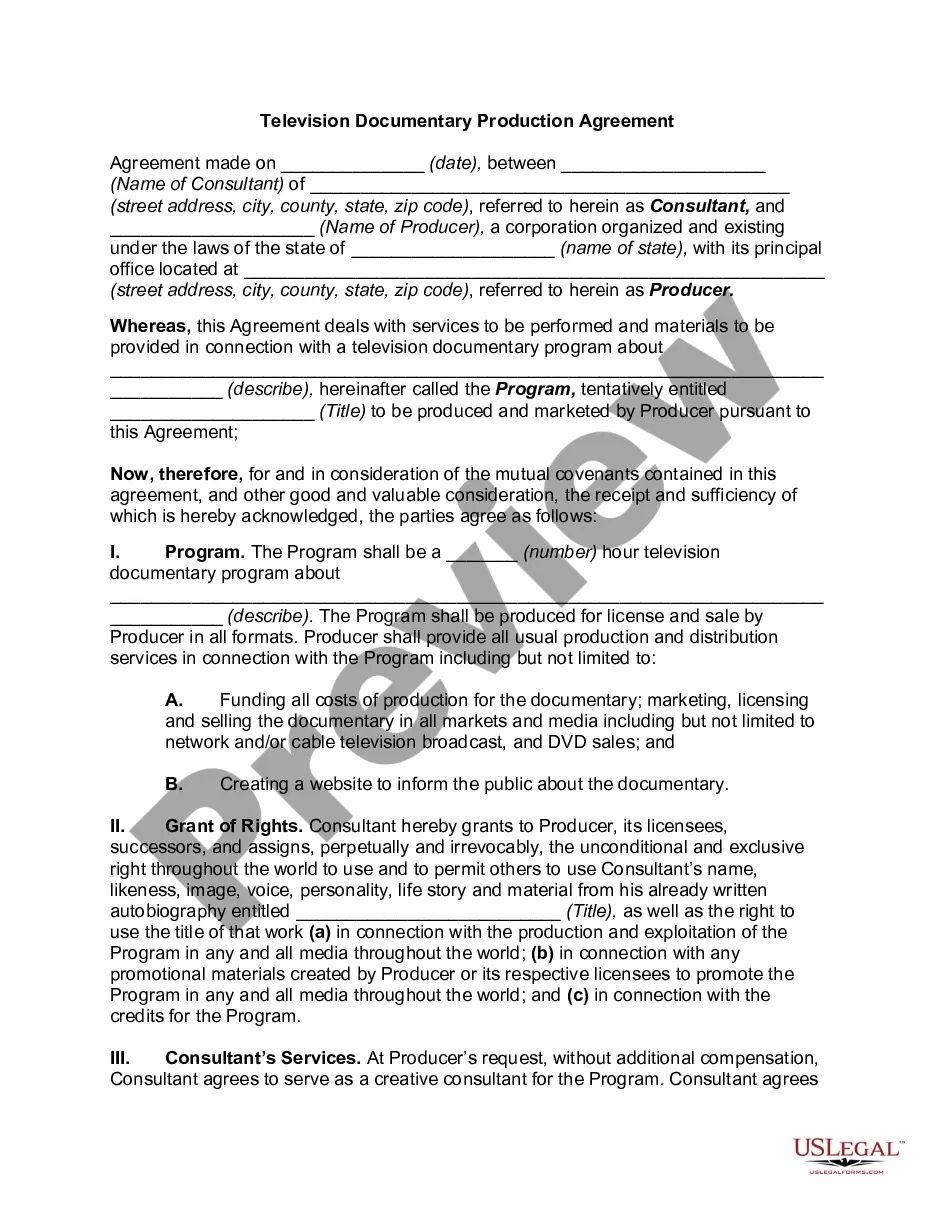
Get your form ready online
Our built-in tools help you complete, sign, share, and store your documents in one place.
Make edits, fill in missing information, and update formatting in US Legal Forms—just like you would in MS Word.
Download a copy, print it, send it by email, or mail it via USPS—whatever works best for your next step.
Sign and collect signatures with our SignNow integration. Send to multiple recipients, set reminders, and more. Go Premium to unlock E-Sign.
If this form requires notarization, complete it online through a secure video call—no need to meet a notary in person or wait for an appointment.
We protect your documents and personal data by following strict security and privacy standards.

Make edits, fill in missing information, and update formatting in US Legal Forms—just like you would in MS Word.

Download a copy, print it, send it by email, or mail it via USPS—whatever works best for your next step.

Sign and collect signatures with our SignNow integration. Send to multiple recipients, set reminders, and more. Go Premium to unlock E-Sign.

If this form requires notarization, complete it online through a secure video call—no need to meet a notary in person or wait for an appointment.

We protect your documents and personal data by following strict security and privacy standards.
Looking for another form?
Form popularity
FAQ
How to create a Music Recording Contract Step 1: Specify where you're creating the Music Recording Contract. Step 2: Provide the recording company's and artist's details. Step 3: Outline the production details. Step 4: Outline the recording details. Step 5: Decide if the contract will include an exclusive agreement clause.
Formal education in music or film scoring can be beneficial. Gain experience by scoring student films, indie projects, or creating music for commercials. Building a strong portfolio and networking with filmmakers, directors, and other composers is crucial. Moving to industry hubs like Los Angeles can also help.
You need to find an intermediary that will represent your songs, it can be a publisher, a licensing library, in independent agent/publicist...etc., someone or a company who has connections and can get songs to the ears of the right music supervisors at the right time. And it's not an easy job at all!
Formal Education: Consider enrolling in a music composition program, film scoring course, or music production degree at a university or conservatory. Online Courses: Platforms like Coursera, Berklee Online, or MasterClass offer courses in film scoring and music production.
Q: Who Owns The Film Score? A: Based on your negotiations with the film composer, your Composer Agreement will spell out who owns the film score (that is, who retains the publisher share of the music). This will either be the production company or the film composer.
Career Path Study a lot of music: not just film music. Develop a unique artistic voice. Think about what it should say with music and how to say it. Get practice by working on small projects. Research different Composers and look for opportunities to apprentice with them.
Typically, the film maker will want the work to be a work-for-hire so that the film maker will own the copyright to the music. An alternative could be joint ownership of a musical score, a so-called participation agreement.
A music release form is an agreement that permits a filmmaker or a media house to use an artist's music for a film or other production. This online form can serve as a legal basis for both parties, underlining their rights and obligations.
The master copyright covers the specific sound recording, or “master recording,” that contains a particular expression of the underlying musical composition created by performing or recording artists. This copyright is held by the performing artists and, typically, their label.
