Film Contract For Actors In Hennepin
Description

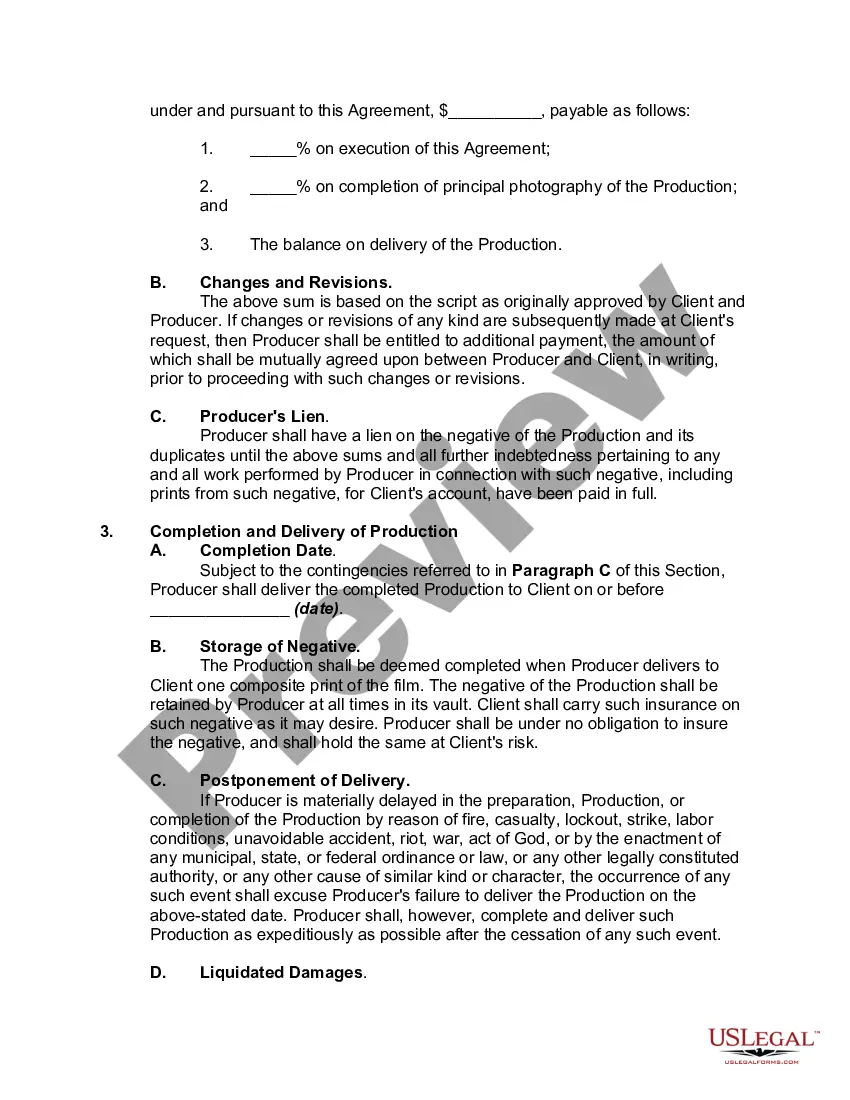
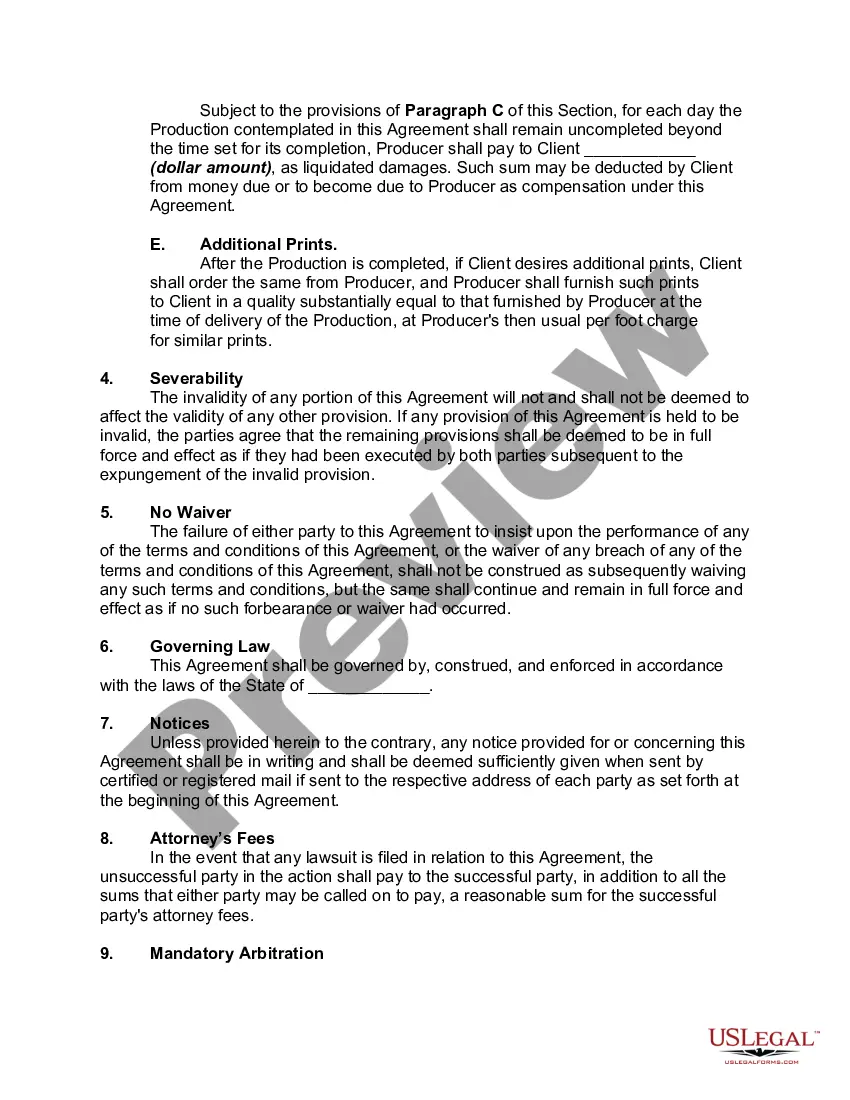
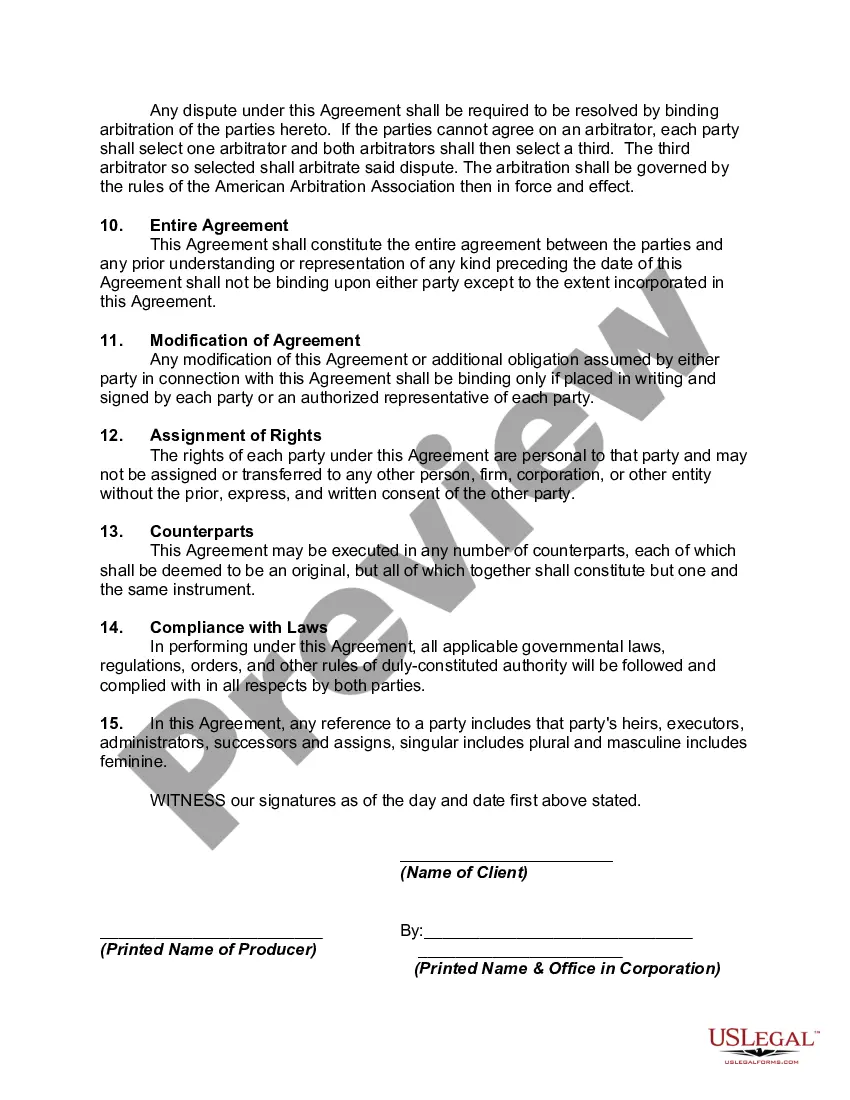
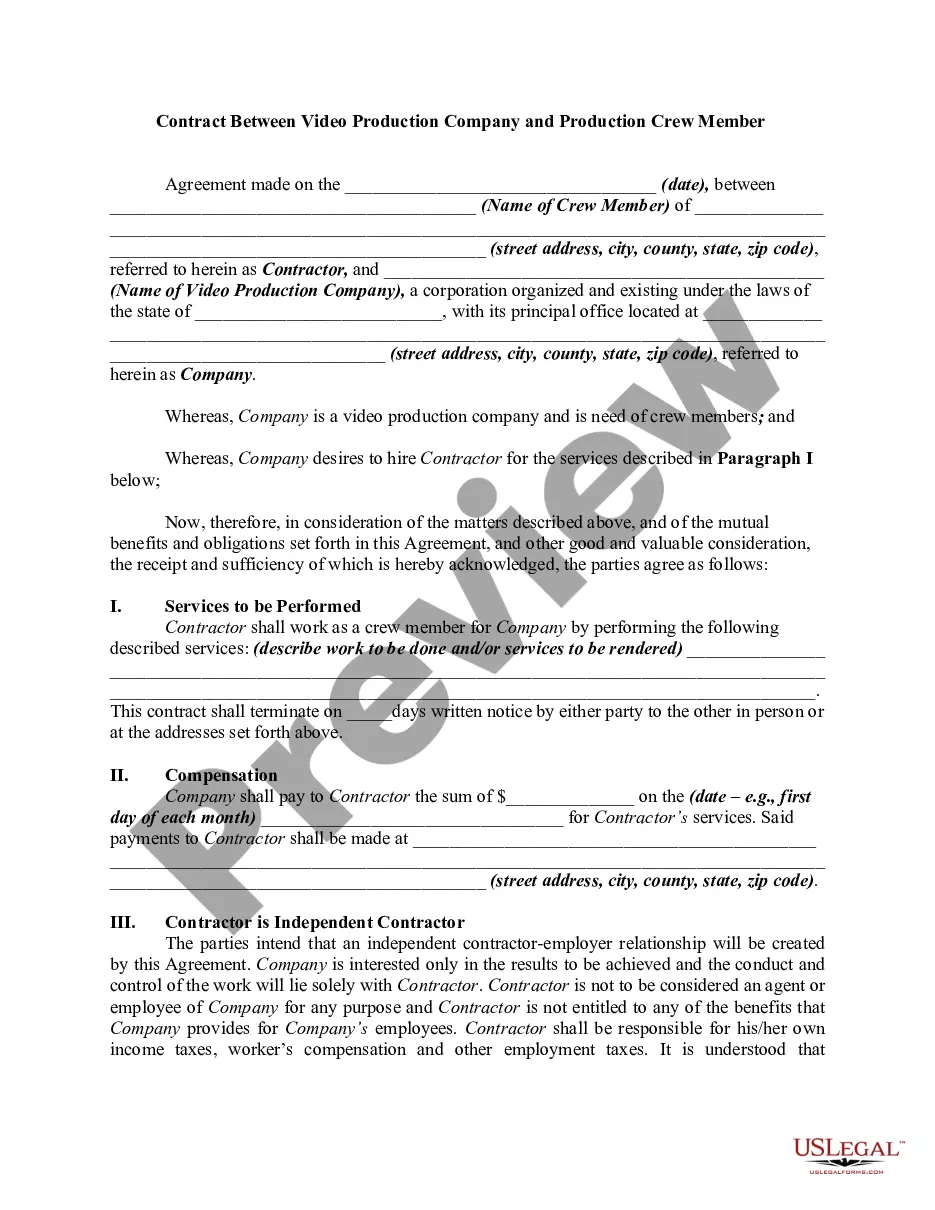
Get your form ready online
Our built-in tools help you complete, sign, share, and store your documents in one place.
Make edits, fill in missing information, and update formatting in US Legal Forms—just like you would in MS Word.
Download a copy, print it, send it by email, or mail it via USPS—whatever works best for your next step.
Sign and collect signatures with our SignNow integration. Send to multiple recipients, set reminders, and more. Go Premium to unlock E-Sign.
If this form requires notarization, complete it online through a secure video call—no need to meet a notary in person or wait for an appointment.
We protect your documents and personal data by following strict security and privacy standards.

Make edits, fill in missing information, and update formatting in US Legal Forms—just like you would in MS Word.

Download a copy, print it, send it by email, or mail it via USPS—whatever works best for your next step.

Sign and collect signatures with our SignNow integration. Send to multiple recipients, set reminders, and more. Go Premium to unlock E-Sign.

If this form requires notarization, complete it online through a secure video call—no need to meet a notary in person or wait for an appointment.

We protect your documents and personal data by following strict security and privacy standards.
Looking for another form?









Form popularity
FAQ
Contracts and agreements should clearly define the roles and expectations of both actors and their agents. By ensuring both parties are across and in agreement about the scope of representation, responsibilities, and objectives, misunderstandings regarding these can largely be avoided.
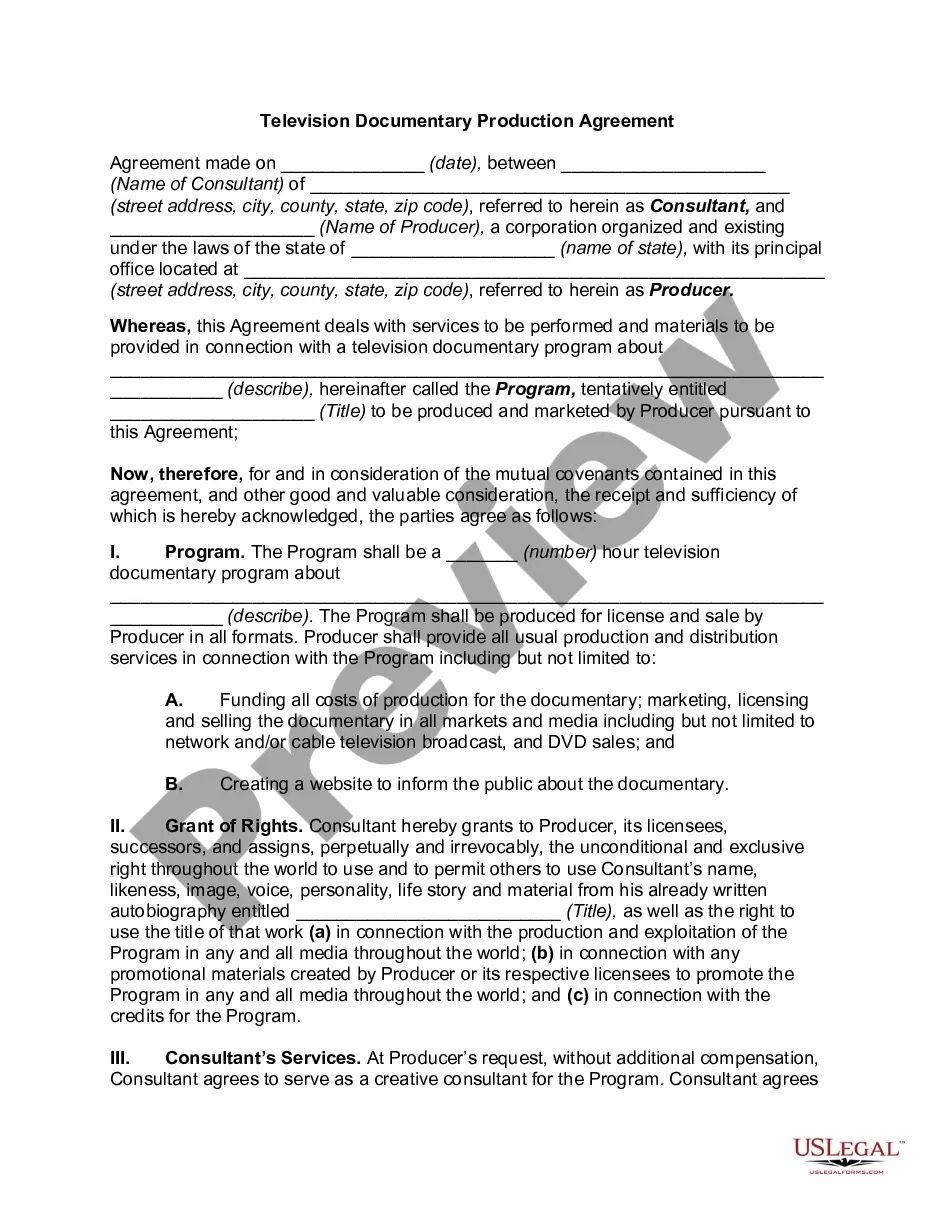
An actor contract is a legally binding agreement between an actor and a production company or director. It outlines the terms and conditions of the actor's engagement in a project, such as a film, television show or theatre production.
The Basic Agreement (BA) covers projects shot on film made under an agreement with the Association of Motion Picture and Television Producers (AMPTP). This contract applies to Directors, Assistant Directors and Unit Production Managers working in film and television.
The actor gives the producer all rights, including intellectual property rights. The producer has the right to use, reuse, display and sell any of the material that he owns. The actor will not have any rights to the production unless given written permission by the producer.
If an actor quits a project, they may face professional consequences. This could include damaging their reputation within the industry, losing future job opportunities, and possibly even facing legal ramifications if contractual obligations are not fulfilled.
Most actor contracts are between two and three pages long. The typical term for an actor contract is a certain a number of months after the film or play premieres, although some go on indefinitely. Term lengths can vary greatly! The typical term for an agent or manager contract for actors is about 12 to 18 months.
In film, everything the viewer sees needs to be arranged inside the frame. This creates meaningful relationships between the subjects. The points is to achieve a balanced, aesthetically pleasing, unified, harmonious whole. Don't put your subject in the middle.
Most actor contracts are between two and three pages long. The typical term for an actor contract is a certain a number of months after the film or play premieres, although some go on indefinitely. Term lengths can vary greatly! The typical term for an agent or manager contract for actors is about 12 to 18 months.
A Film Actor Contract is a written agreement between a Film Production Company or Independent Film Producer and an Actor to perform in a film. This Legal Contract can be for a feature-length film, short film, or otherwise. It is a non-union film contract.
