Form In Film Examples In Fairfax
Description

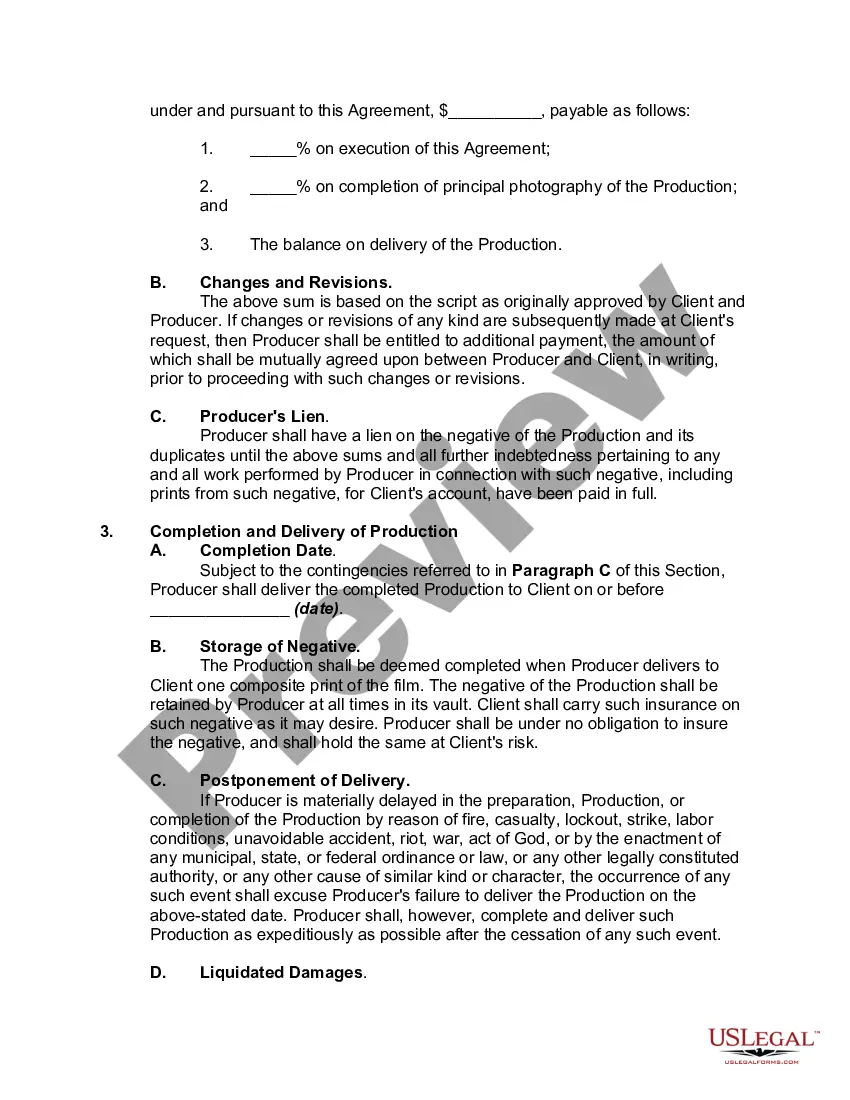
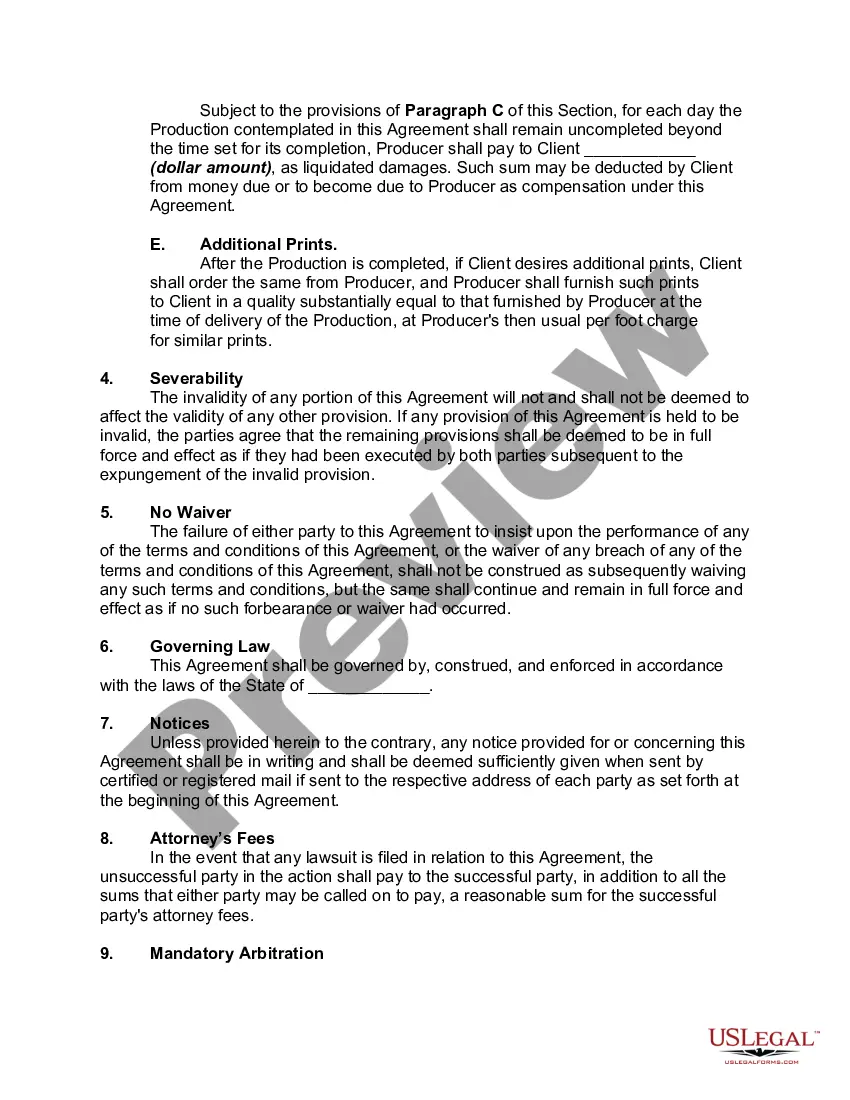
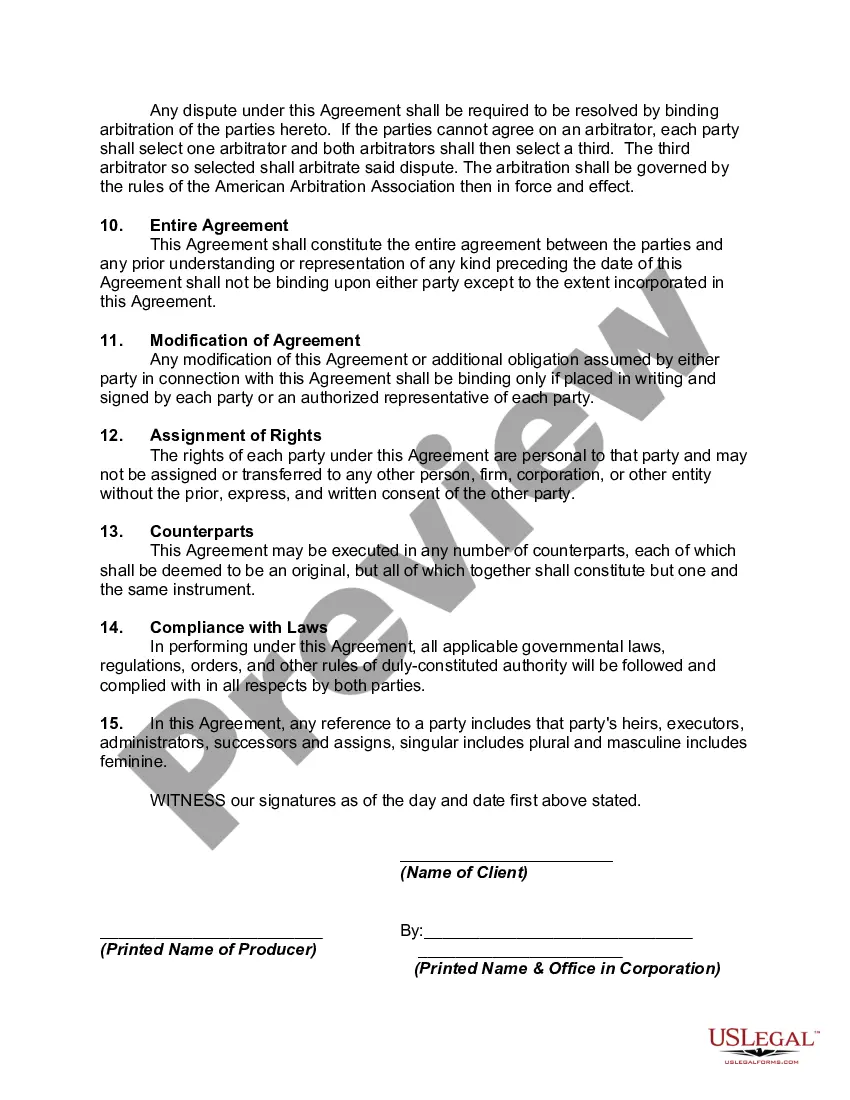
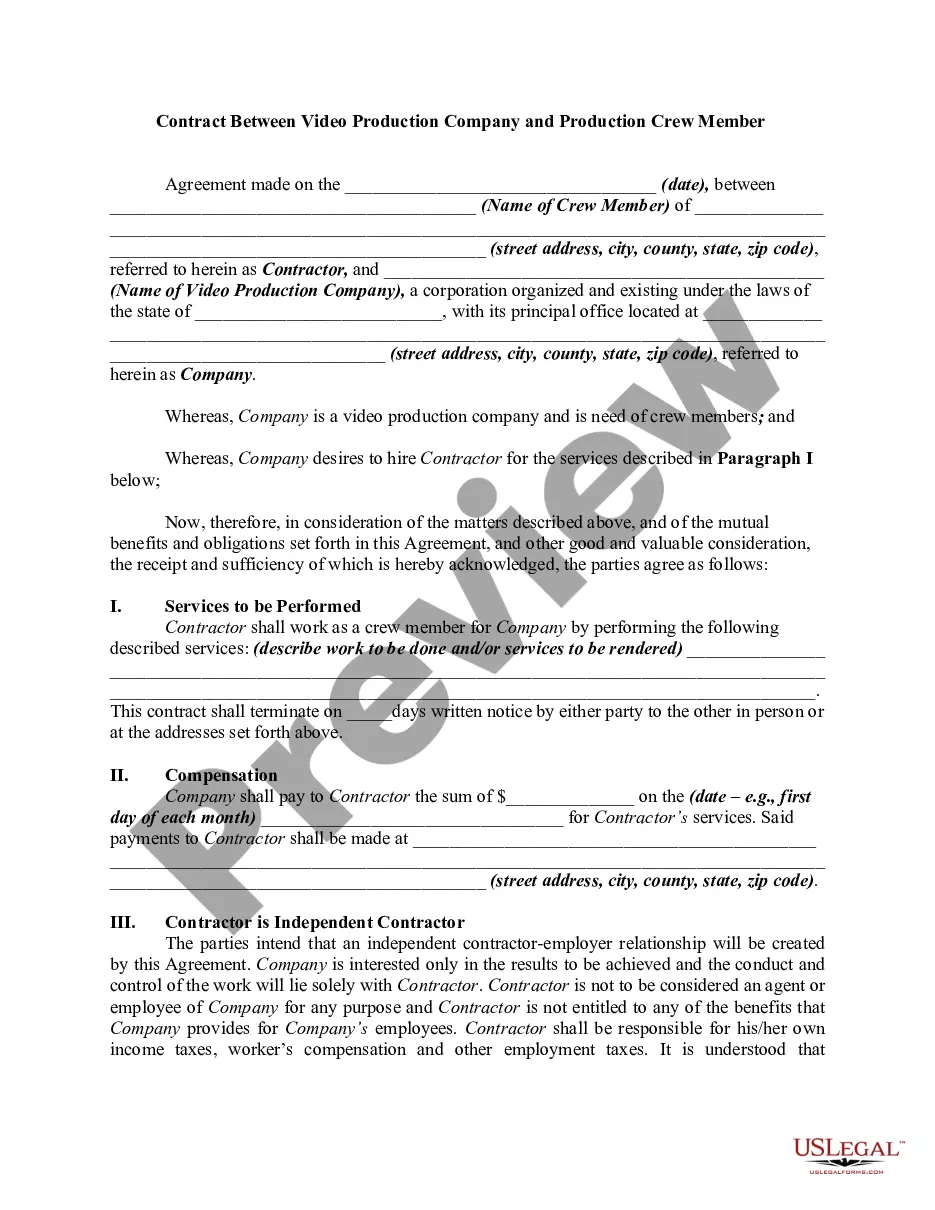
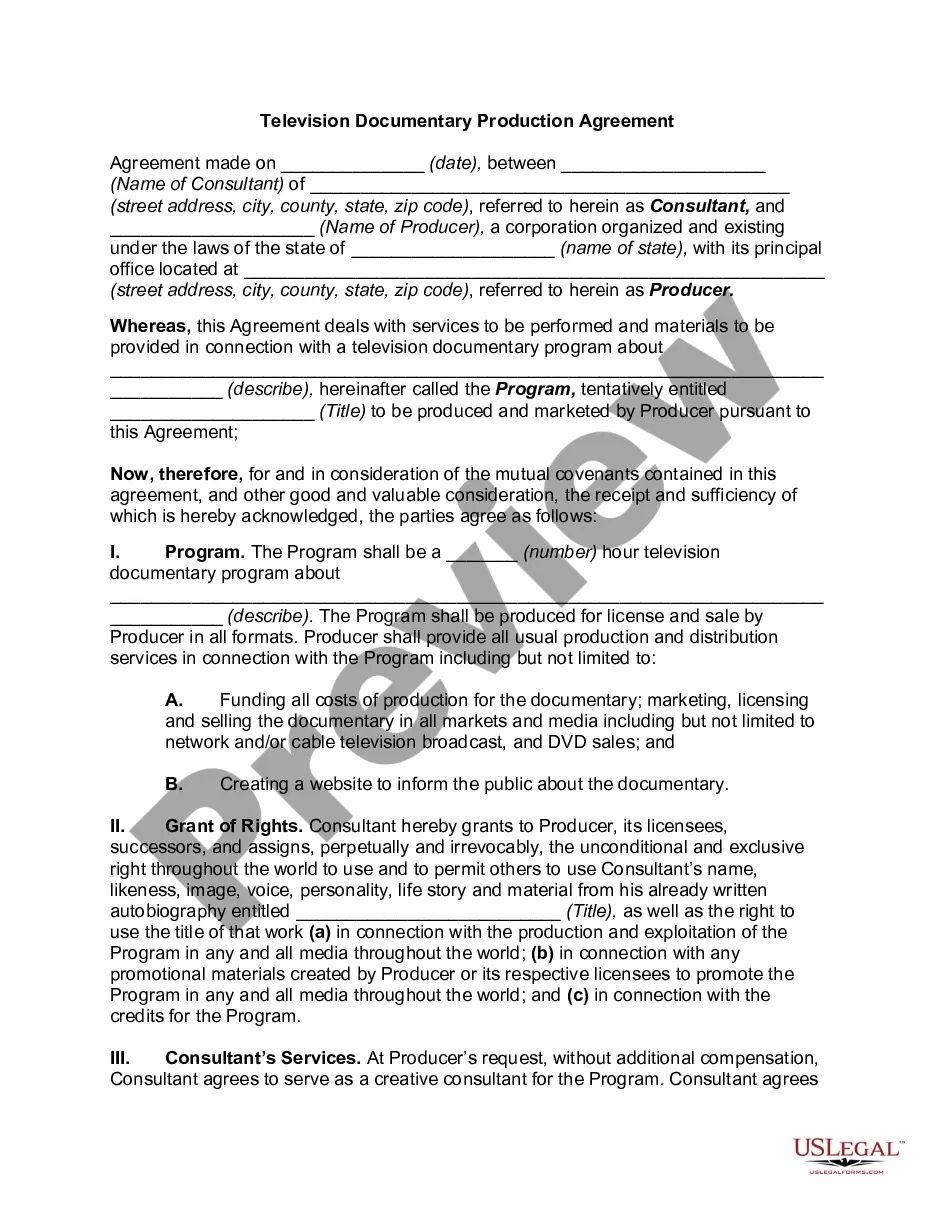
Get your form ready online
Our built-in tools help you complete, sign, share, and store your documents in one place.
Make edits, fill in missing information, and update formatting in US Legal Forms—just like you would in MS Word.
Download a copy, print it, send it by email, or mail it via USPS—whatever works best for your next step.
Sign and collect signatures with our SignNow integration. Send to multiple recipients, set reminders, and more. Go Premium to unlock E-Sign.
If this form requires notarization, complete it online through a secure video call—no need to meet a notary in person or wait for an appointment.
We protect your documents and personal data by following strict security and privacy standards.

Make edits, fill in missing information, and update formatting in US Legal Forms—just like you would in MS Word.

Download a copy, print it, send it by email, or mail it via USPS—whatever works best for your next step.

Sign and collect signatures with our SignNow integration. Send to multiple recipients, set reminders, and more. Go Premium to unlock E-Sign.

If this form requires notarization, complete it online through a secure video call—no need to meet a notary in person or wait for an appointment.

We protect your documents and personal data by following strict security and privacy standards.
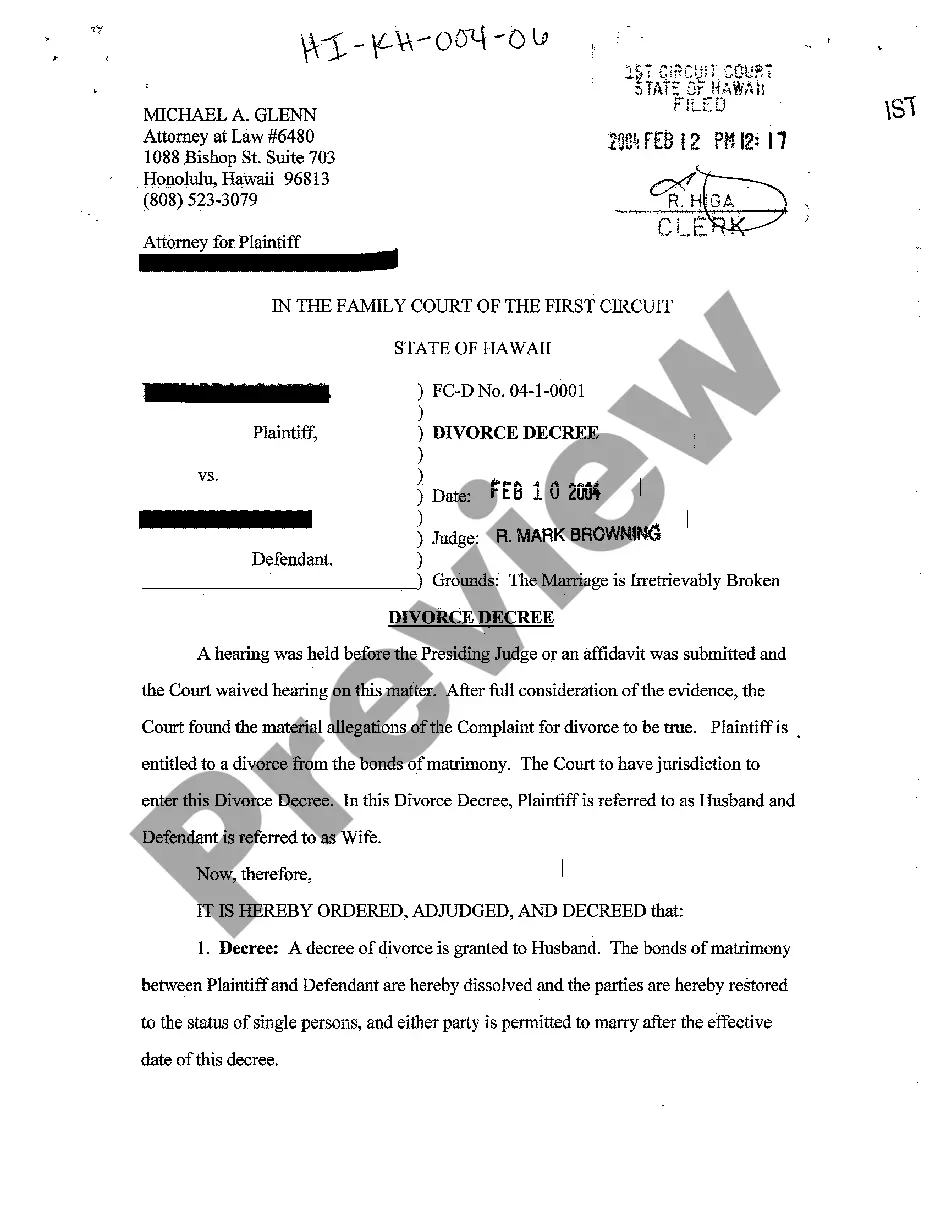
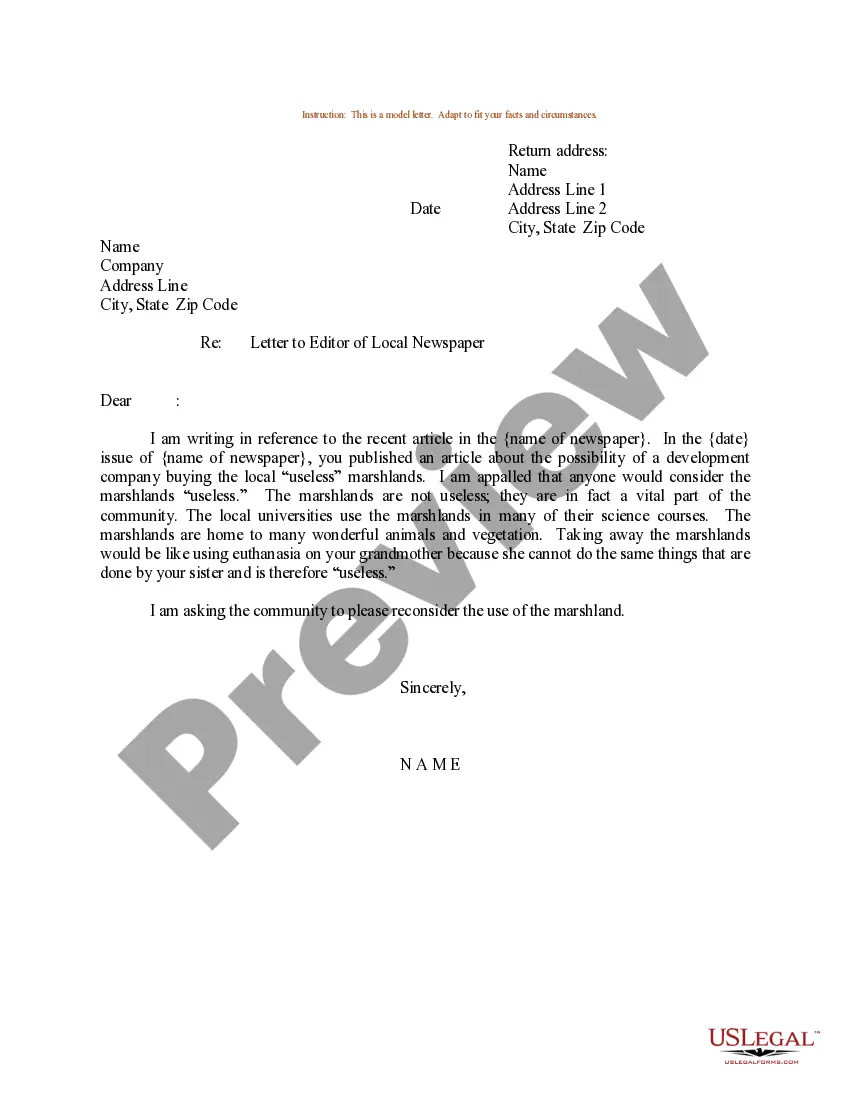
Looking for another form?


Form popularity
FAQ
Film Form can be described as the elements within a film and their relationship with one another. This includes the production and story elements such as camera, characters, and mies-en-scene, and the way these elements are used to create meaning.
Film form and style are essential components of cinematic storytelling. They encompass the visual and auditory elements that directors use to craft their narratives, including mise-en-scène, cinematography, editing, and sound design. These elements work together to create mood, convey meaning, and engage audiences.
Form refers to the techniques and elements used in filmmaking, such as cinematography, editing, sound, lighting, and mise-en-scène. These elements shape the overall aesthetic and style of the film. 2. Content, on the other hand, refers to the story, themes, characters, and messages depicted in the film.
The constituent elements of a film or films, fictional and non‐fictional, and the perceivable relationship between them. Form is a critical term referencing an established pattern of literary devices or, more broadly, signals the structure of design in a particular work.
Film form and style are essential components of cinematic storytelling. They encompass the visual and auditory elements that directors use to craft their narratives, including mise-en-scène, cinematography, editing, and sound design. These elements work together to create mood, convey meaning, and engage audiences.
What is a film style? A film's style refers to the techniques a director uses to create a movie, and it can include themes, sound, dialogue, cinematography and lighting. All the aspects of production that provide value to the film and help determine how the audience perceives it goes into its style.
The form of a piece of literature is its overall structure, for example: poem, short story, novel, etc. The style of the piece is the way the author puts together the words and phrases in it.
How much is an option worth? Options start at $500 and go up. In today's market, $5000 is excellent. It's impossible to offer an average because it depends on so many factors, the most important being how much the production company wants the work.
Seek Representation: - Look for a literary agent or manager who specializes in film. They can help you pitch your idea to directors and producers. Pitch Competitions: - Enter your idea into pitch competitions. These contests can provide exposure and the chance to meet industry professionals. Cold Outreach:
You can't sell an idea. You can only sell finished screenplays. If you cannot write one, you'll have to hire a writer because only well written and correctly formated screenplays will get past gate keepers.
