Film Contracts For Actors In Dallas
Description

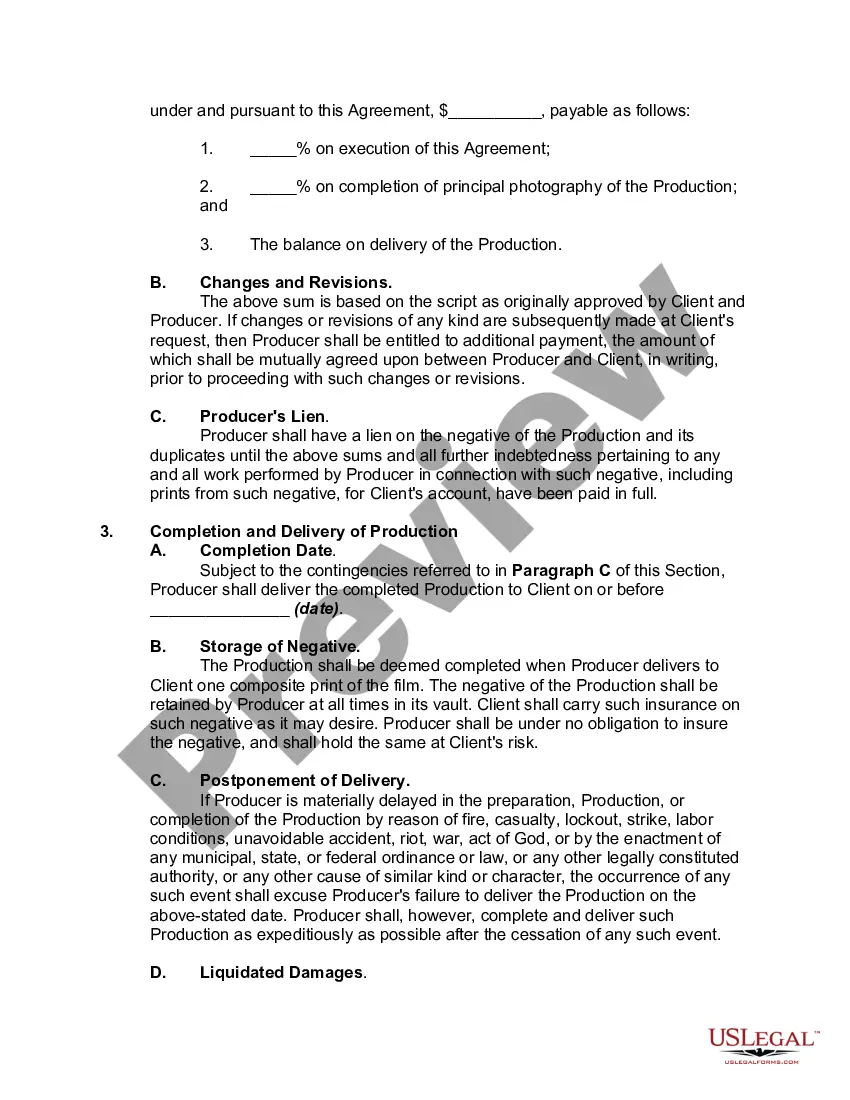
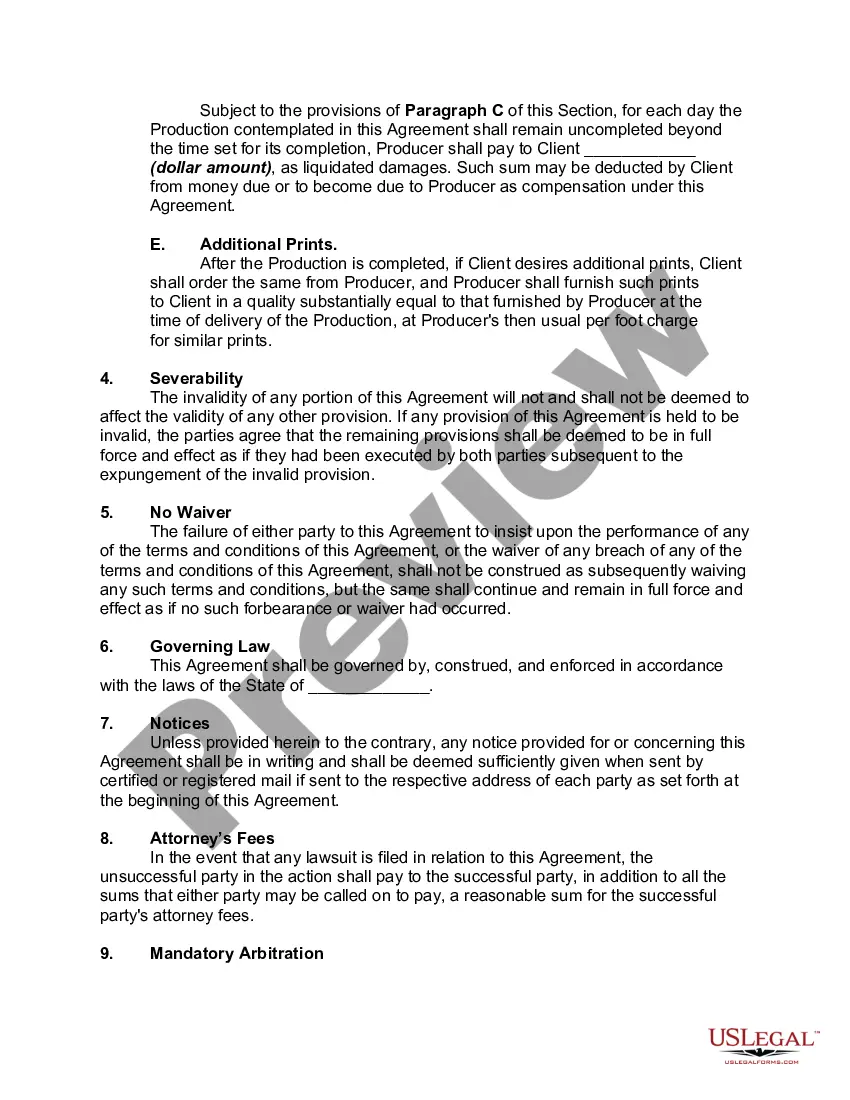
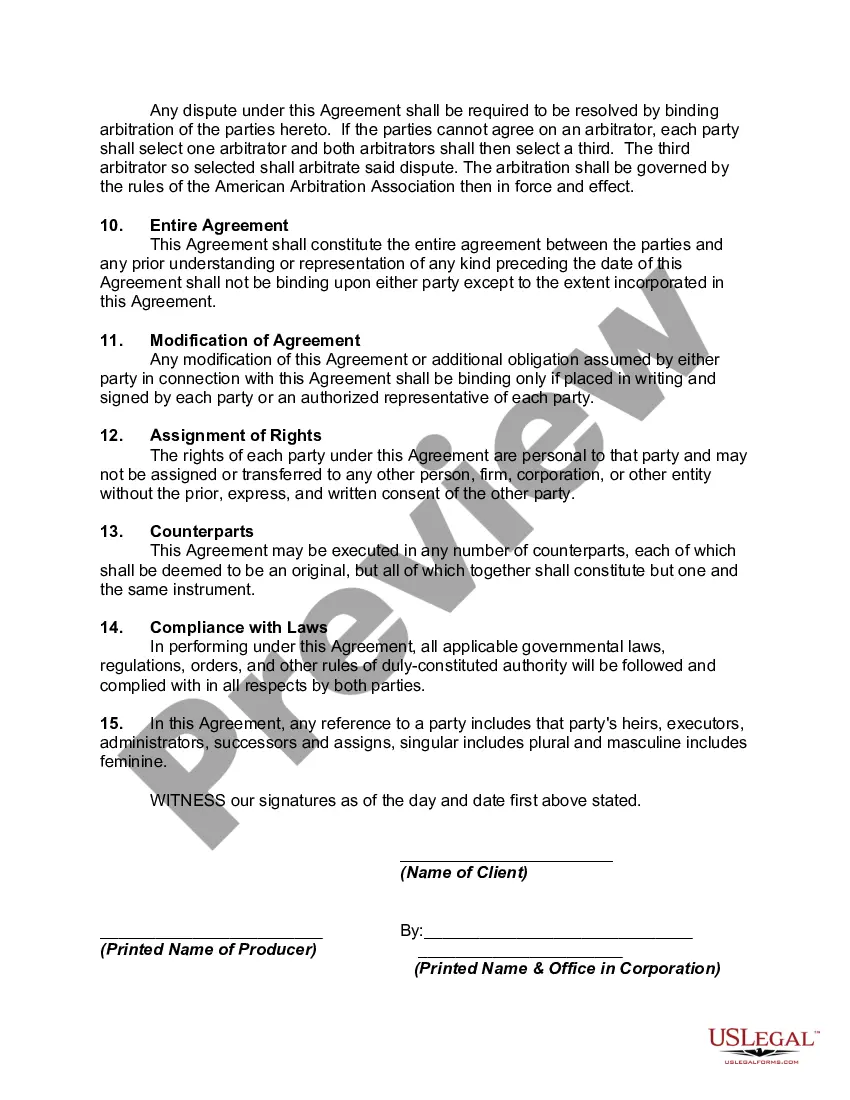
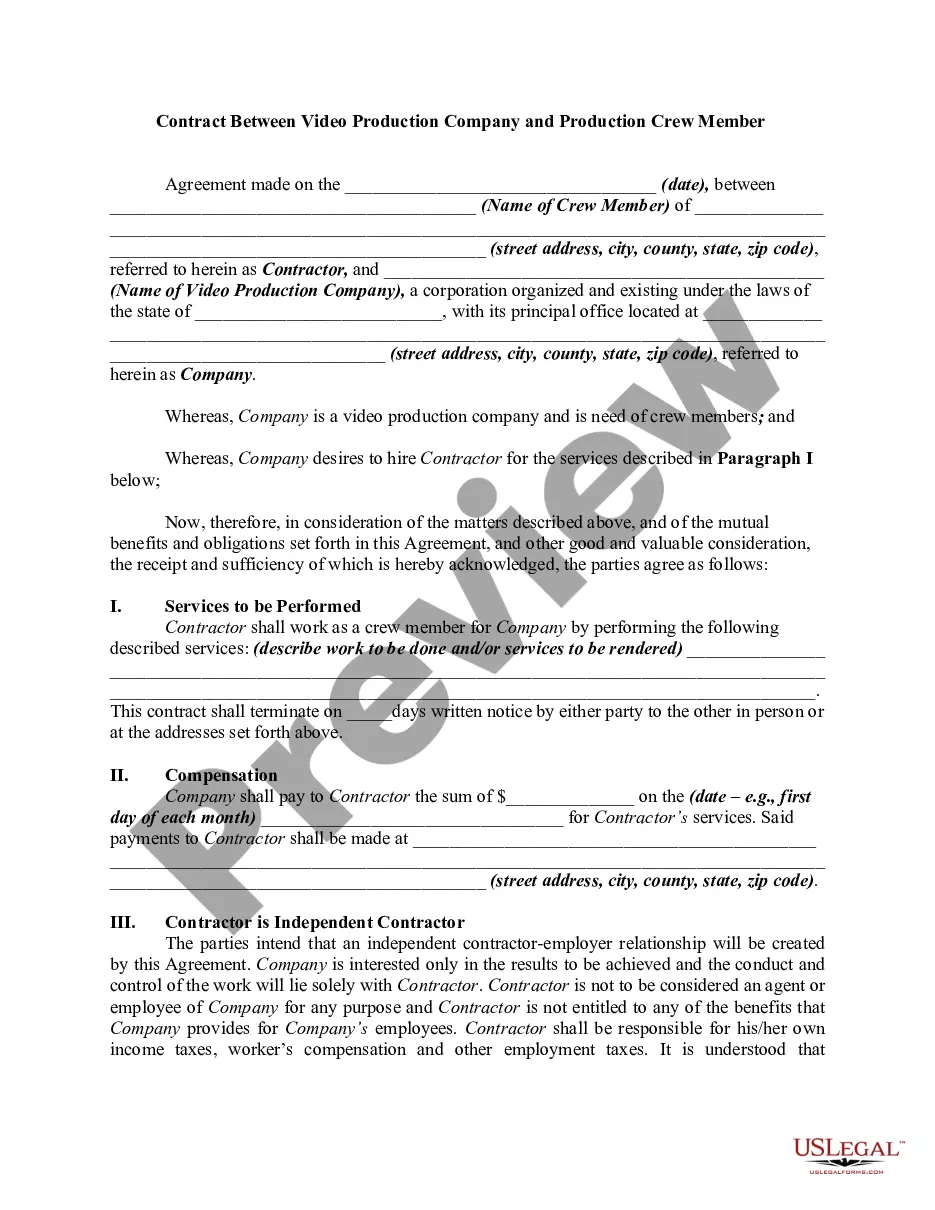
Get your form ready online
Our built-in tools help you complete, sign, share, and store your documents in one place.
Make edits, fill in missing information, and update formatting in US Legal Forms—just like you would in MS Word.
Download a copy, print it, send it by email, or mail it via USPS—whatever works best for your next step.
Sign and collect signatures with our SignNow integration. Send to multiple recipients, set reminders, and more. Go Premium to unlock E-Sign.
If this form requires notarization, complete it online through a secure video call—no need to meet a notary in person or wait for an appointment.
We protect your documents and personal data by following strict security and privacy standards.

Make edits, fill in missing information, and update formatting in US Legal Forms—just like you would in MS Word.

Download a copy, print it, send it by email, or mail it via USPS—whatever works best for your next step.

Sign and collect signatures with our SignNow integration. Send to multiple recipients, set reminders, and more. Go Premium to unlock E-Sign.

If this form requires notarization, complete it online through a secure video call—no need to meet a notary in person or wait for an appointment.

We protect your documents and personal data by following strict security and privacy standards.
Looking for another form?




Form popularity
FAQ
SAG-AFTRA negotiates contracts that cover the work of media professionals in front of a camera or behind a microphone. Below are links to contract information, rates, FAQs and resources that help members and producers navigate the media and entertainment industries.
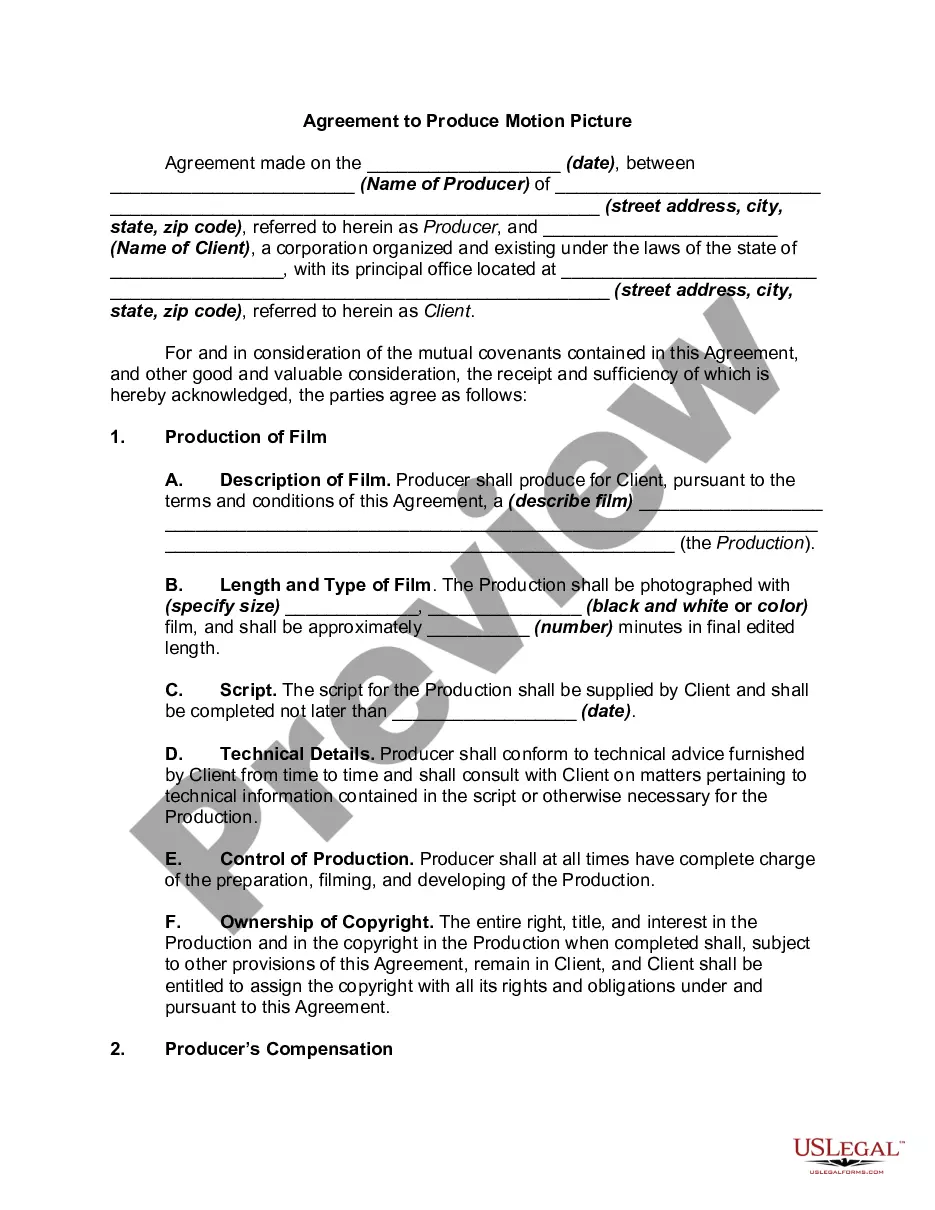
The contract should clearly outline the role the actor is expected to perform, including the character's name, description, and any specific obligations or requirements. This ensures both parties are on the same page regarding the actor's responsibilities.
An effective actor contract template should include the following sections: Personal details: Role specifics: Compensation: Duration: Termination clauses: Confidentiality: Health and safety: Intellectual property:
Most actor contracts are between two and three pages long. The typical term for an actor contract is a certain a number of months after the film or play premieres, although some go on indefinitely. Term lengths can vary greatly! The typical term for an agent or manager contract for actors is about 12 to 18 months.
An effective actor contract template should include the following sections: Personal details: Role specifics: Compensation: Duration: Termination clauses: Confidentiality: Health and safety: Intellectual property:
SAG Theatrical Performer Only Rate Table TierBudget RangeDaily Rate Basic Agreement >$2 MM $1,056 Low Budget (>80min) $700k - $2 MM $686 Modified Low Budget (>80min) $300k - $700k $370 Ultra Low <$250k (Including deferrals <$500K) $2112 more rows •
The contract should clearly outline the role the actor is expected to perform, including the character's name, description, and any specific obligations or requirements. This ensures both parties are on the same page regarding the actor's responsibilities.
Look for reputable acting schools or programs that offer comprehensive training in various acting techniques. As you gain experience, start building a portfolio that showcases your acting abilities. This can include footage from theater performances, monologues, and scenes filmed specifically for your portfolio.
Auditions: Most actors find roles by auditioning for parts. This can involve reading lines from a script (sides) in front of casting directors. Some auditions are open calls, while others are by invitation only. Casting Agents: Many actors work with talent agents who help them find auditions and negotiate contracts.
For most working actors, you start with agents and managers who specialize in getting less-experienced actors auditions for smaller jobs, and then you eventually work your way up to the higher-profile agents and managers, who can get you auditions for bigger jobs, he said.
