Mine Development And Production Agreement Format In California
Description

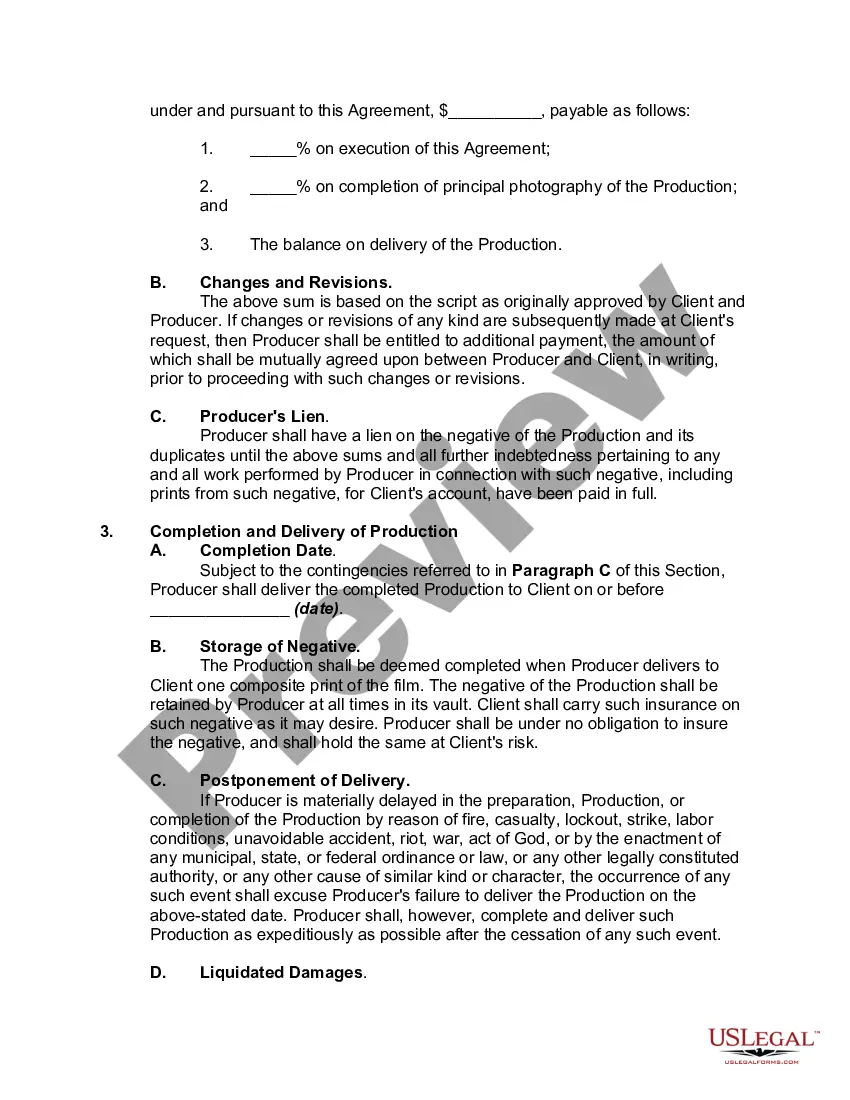
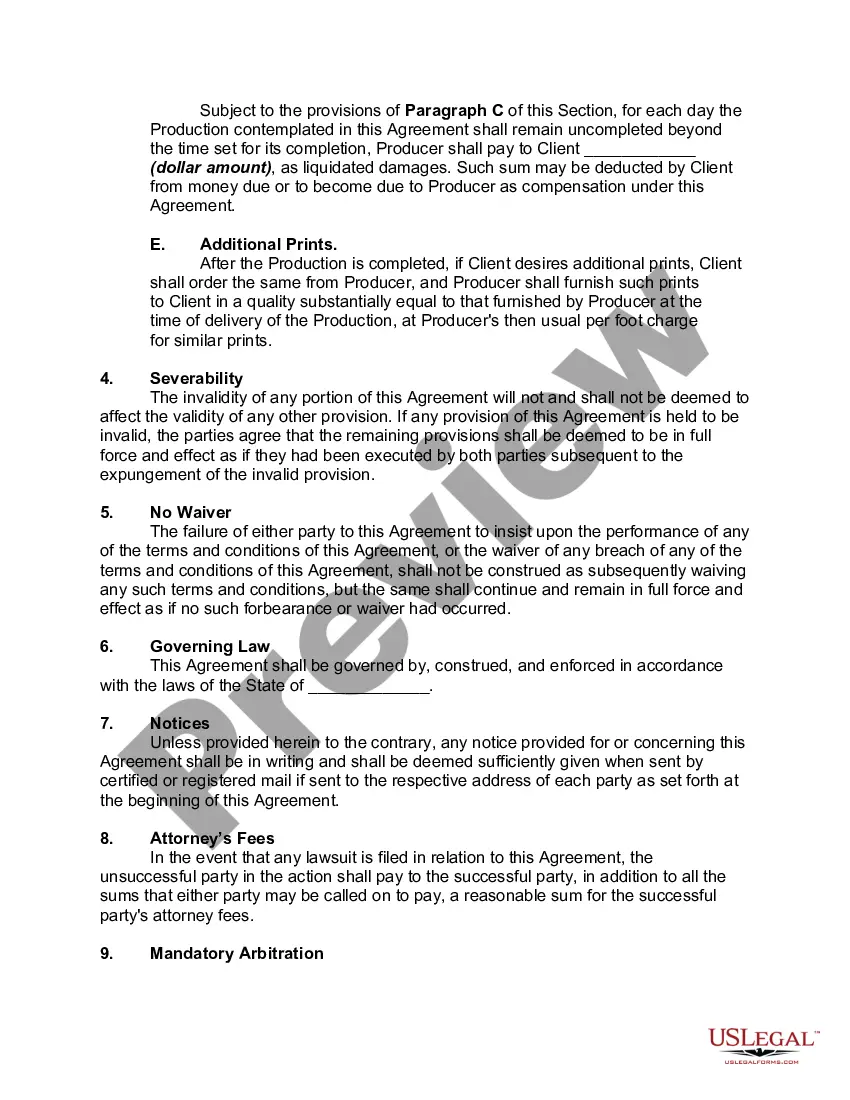
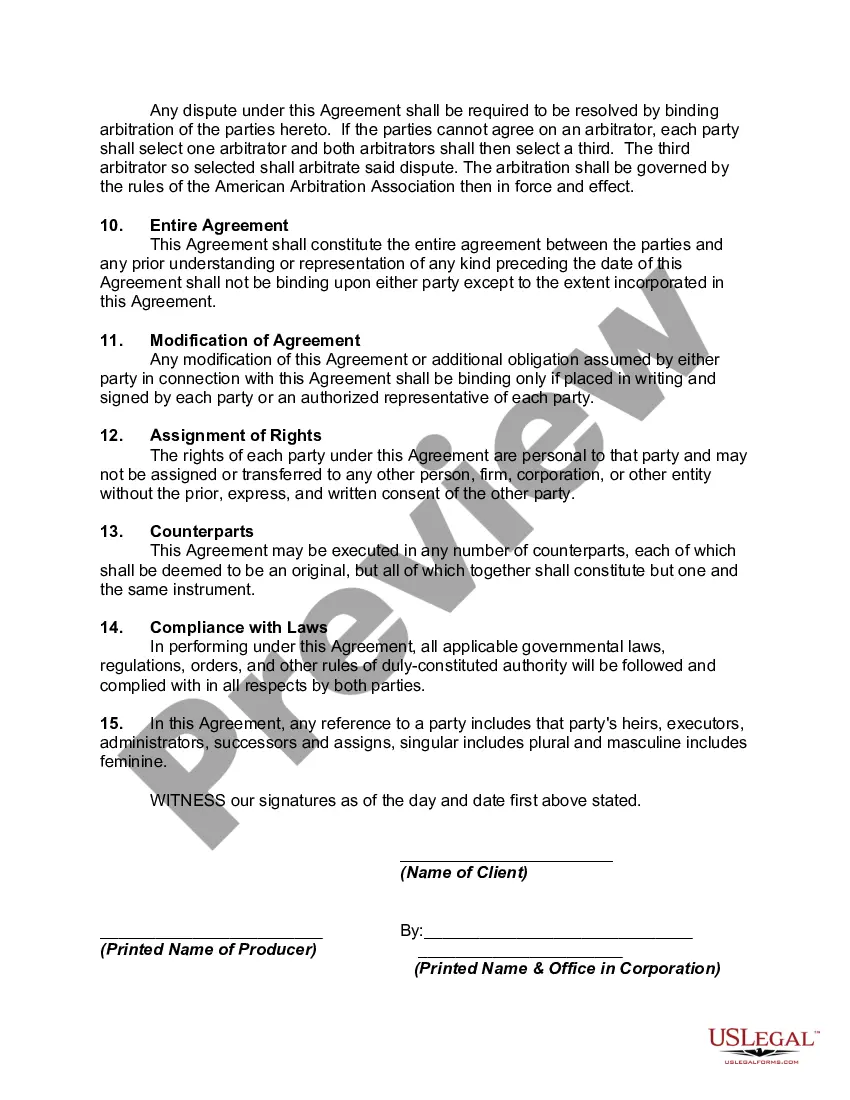
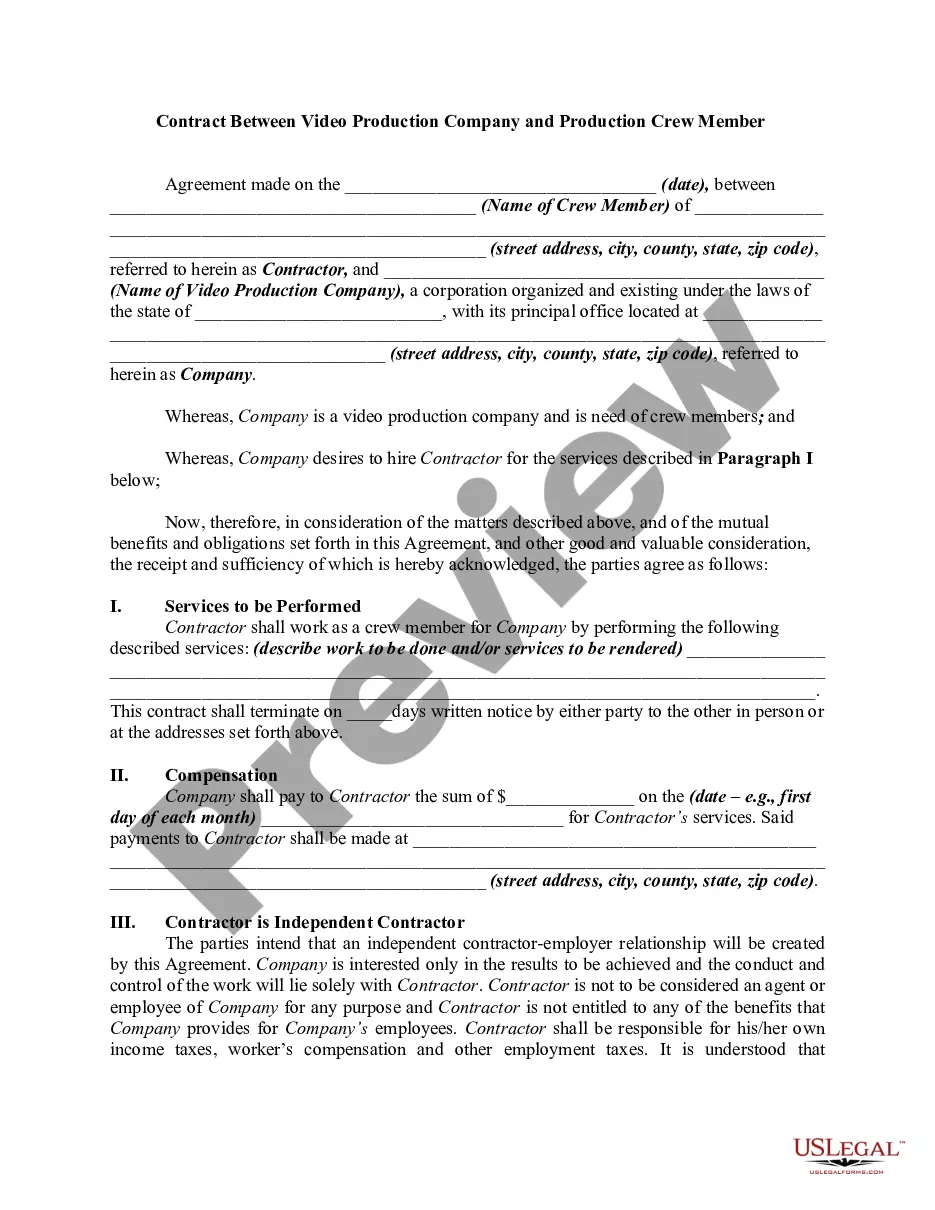
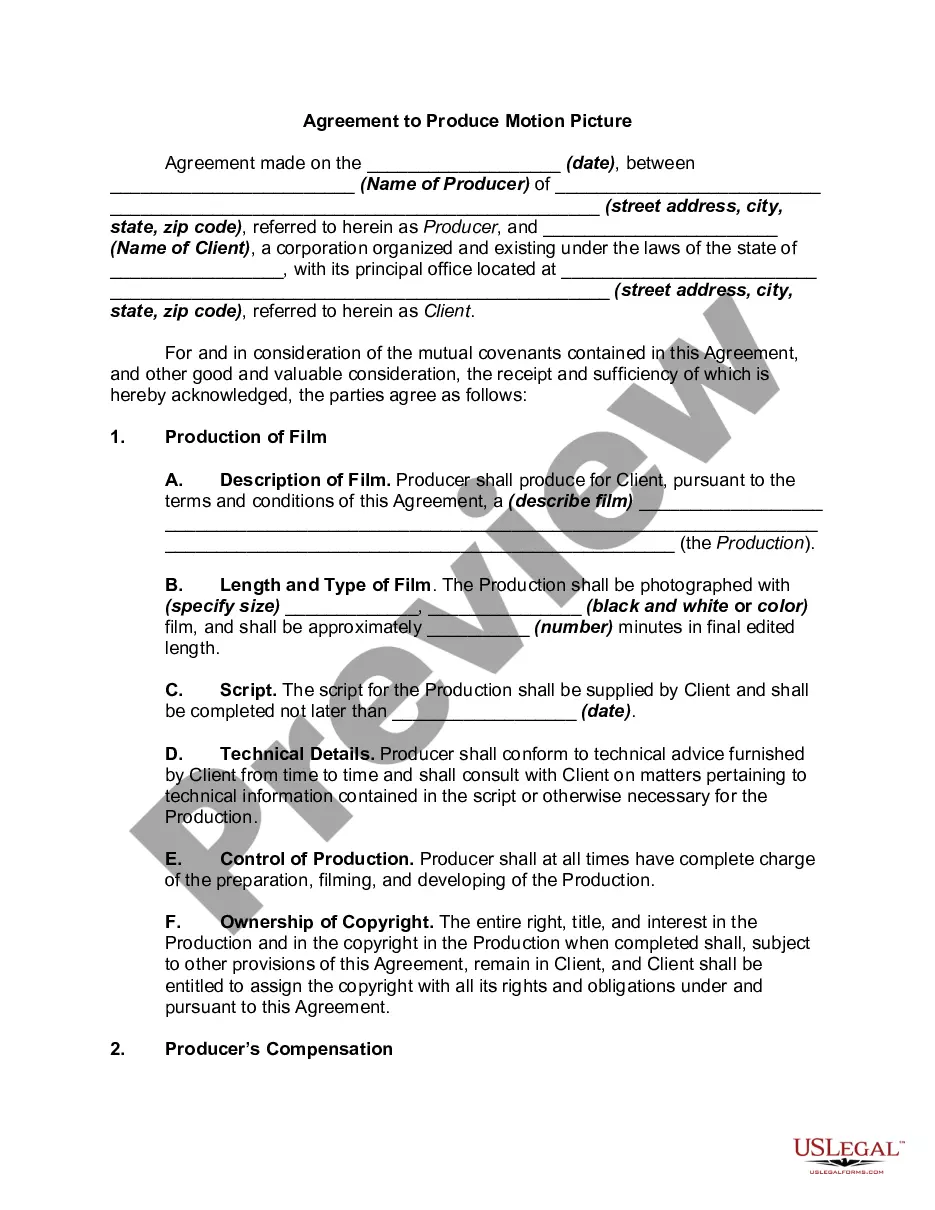
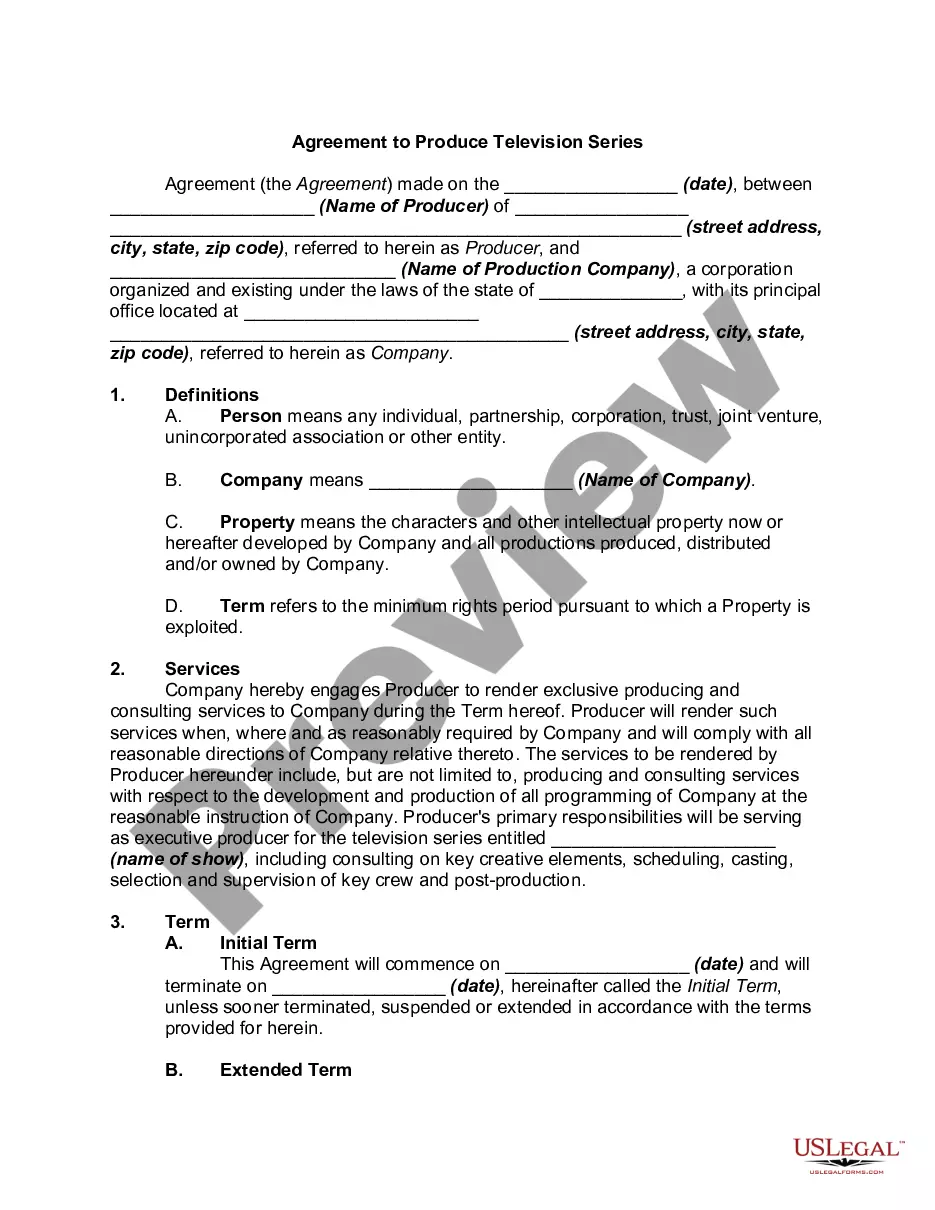
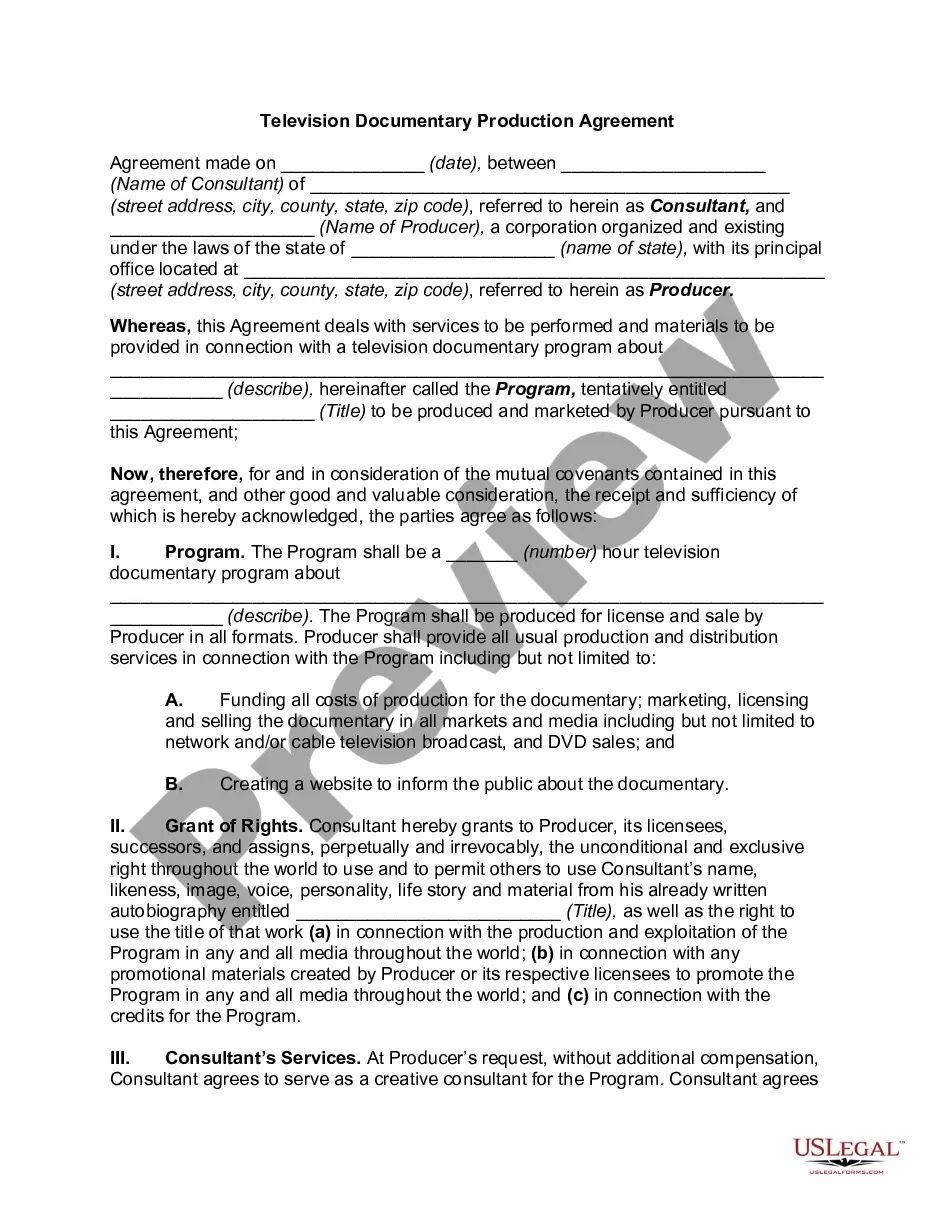
Get your form ready online
Our built-in tools help you complete, sign, share, and store your documents in one place.
Make edits, fill in missing information, and update formatting in US Legal Forms—just like you would in MS Word.
Download a copy, print it, send it by email, or mail it via USPS—whatever works best for your next step.
Sign and collect signatures with our SignNow integration. Send to multiple recipients, set reminders, and more. Go Premium to unlock E-Sign.
If this form requires notarization, complete it online through a secure video call—no need to meet a notary in person or wait for an appointment.
We protect your documents and personal data by following strict security and privacy standards.

Make edits, fill in missing information, and update formatting in US Legal Forms—just like you would in MS Word.

Download a copy, print it, send it by email, or mail it via USPS—whatever works best for your next step.

Sign and collect signatures with our SignNow integration. Send to multiple recipients, set reminders, and more. Go Premium to unlock E-Sign.

If this form requires notarization, complete it online through a secure video call—no need to meet a notary in person or wait for an appointment.

We protect your documents and personal data by following strict security and privacy standards.
Looking for another form?


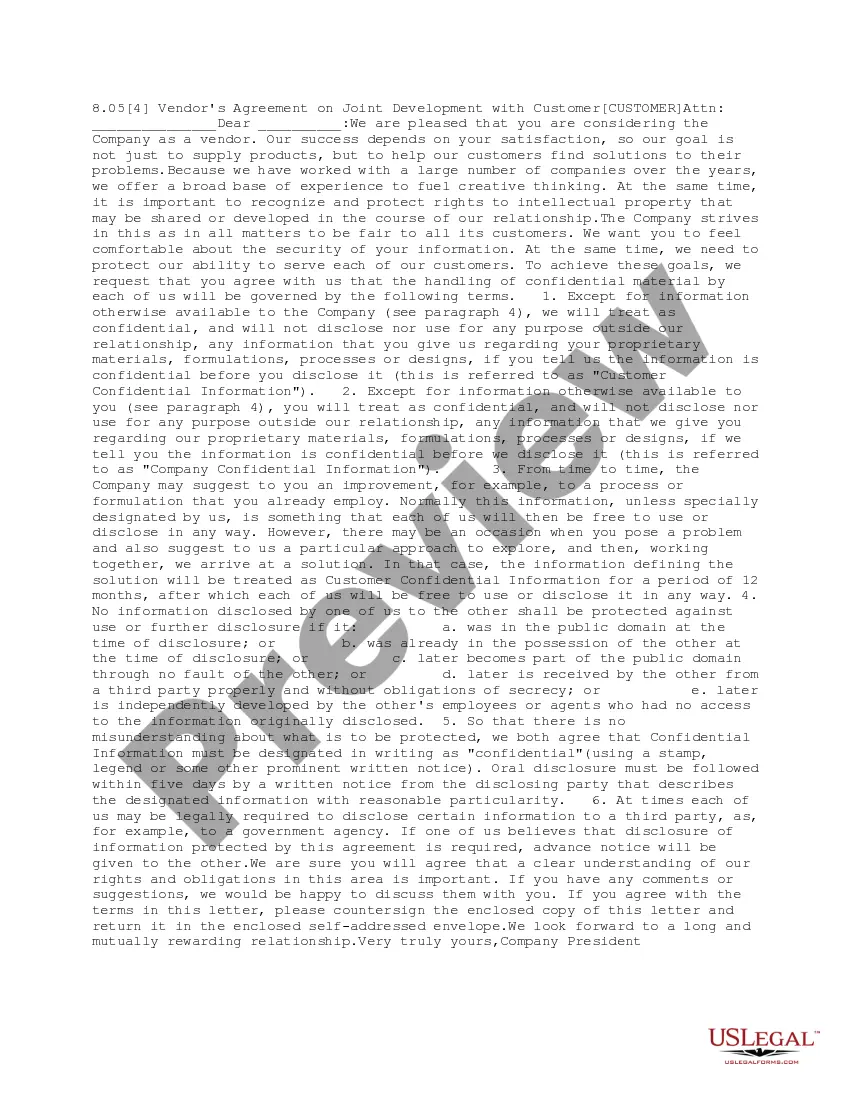

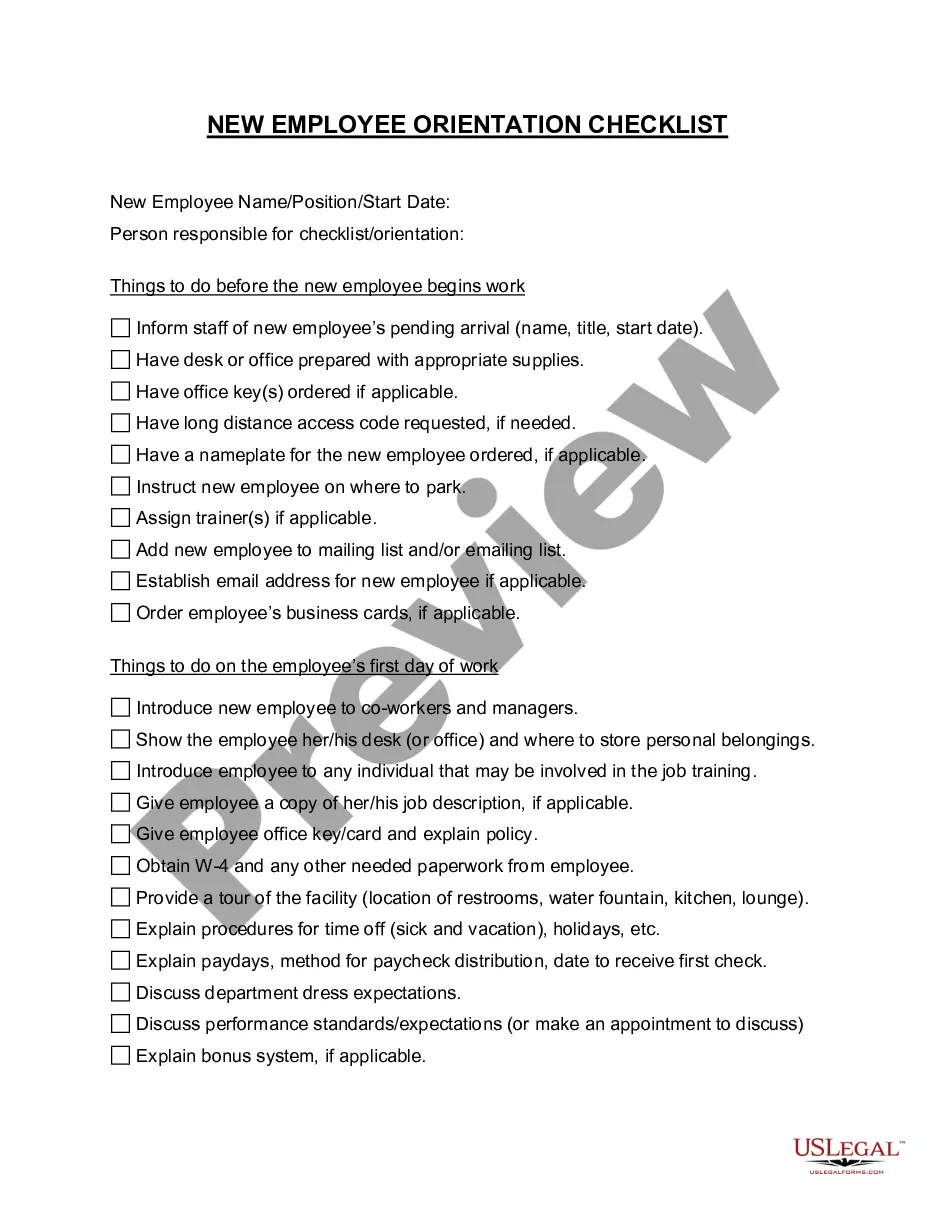
Form popularity
FAQ
Development agreements allow communities a degree of flexibility not otherwise available per existing regulations. Advantages include: Creation of a separate contract from the zoning code and other ordinances allows all parties to negotiate any aspects of the development.
Development agreements are contracts negotiated between project. proponents and public agencies that govern the land uses that may be. allowed in a particular project.1 Although subject to negotiation, allowable. land uses must be consistent with the local planning policies formulated by.
The purpose of the Development Phase is to convert the system design prototyped in the Design Phase into a working information system that addresses all documented system requirements. At the end of this phase, the working system will enter the Test Phase.
Support Agreements or MOA. Support agreements using a DD Form 1144, or civilian agency equivalents when necessary, are normally used when recurring or unquantifiable support is required over a period of time, often a 1-year duration, or longer.
A development agreement shall specify the duration of the agreement, the permitted uses of the property, the density or intensity of use, the maximum height and size of proposed buildings, and provisions for reservation or dedication of land for public purposes.
What does Project Agreement mean? The main agreement between the Authority and Project Co, under which the Project Co agrees to finance and operate (always) and design and construct (often) the project for the Authority over the life of the project.
Successful negotiation of development agreements often involves collaboration and building positive relationships with key stakeholders. Engage with municipal officials, planning departments, and relevant community groups to address concerns, gather input, and build support for the project.
