Contract For Film Music In Bronx
Description

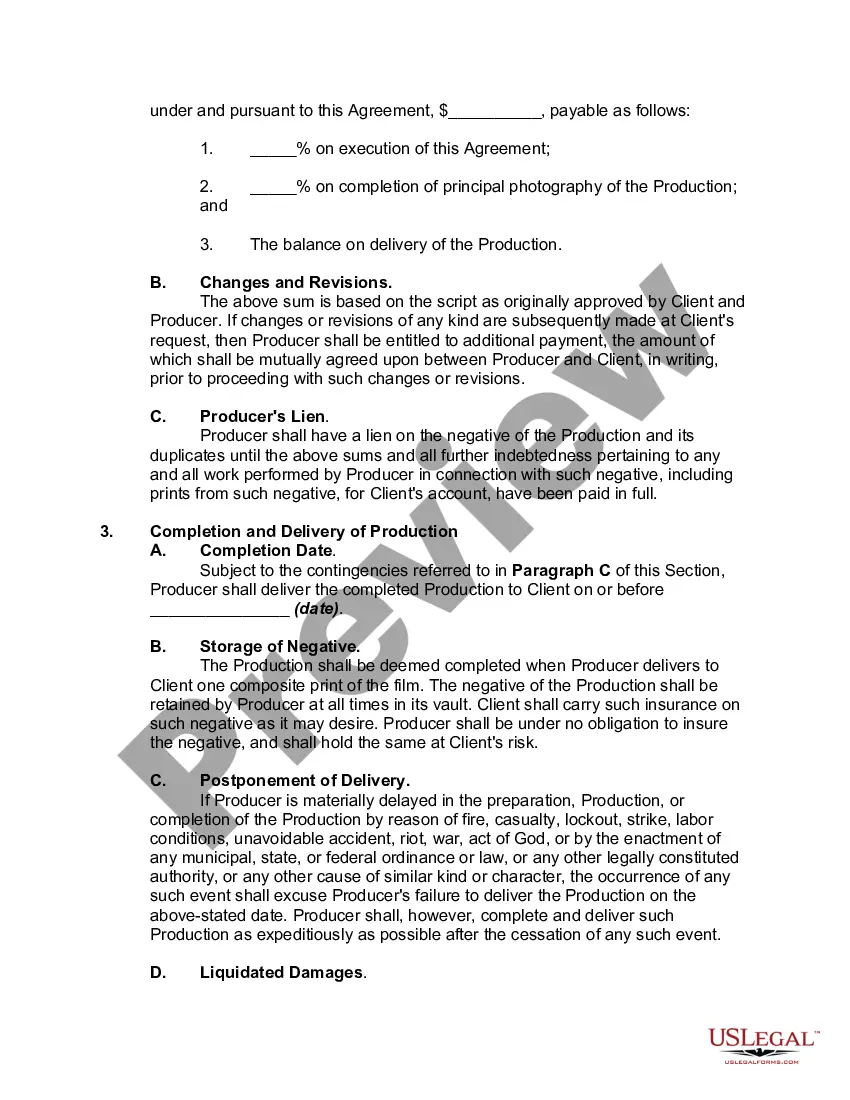
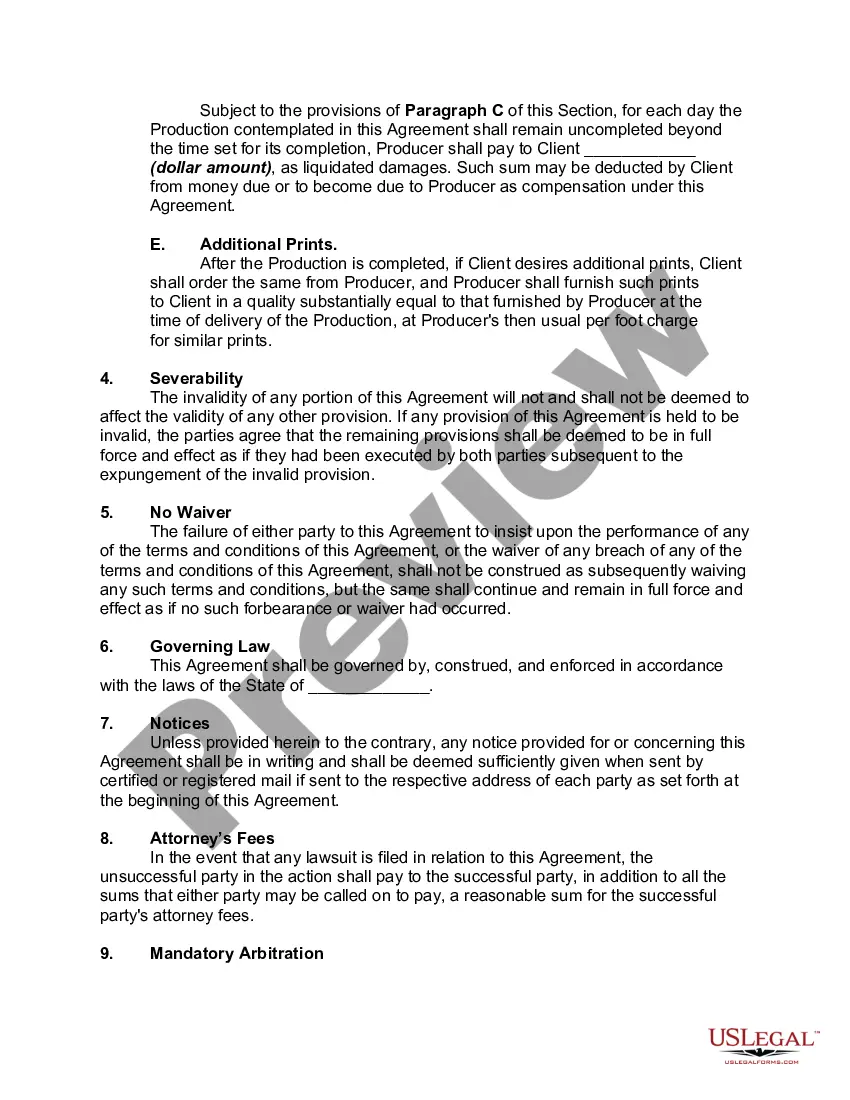
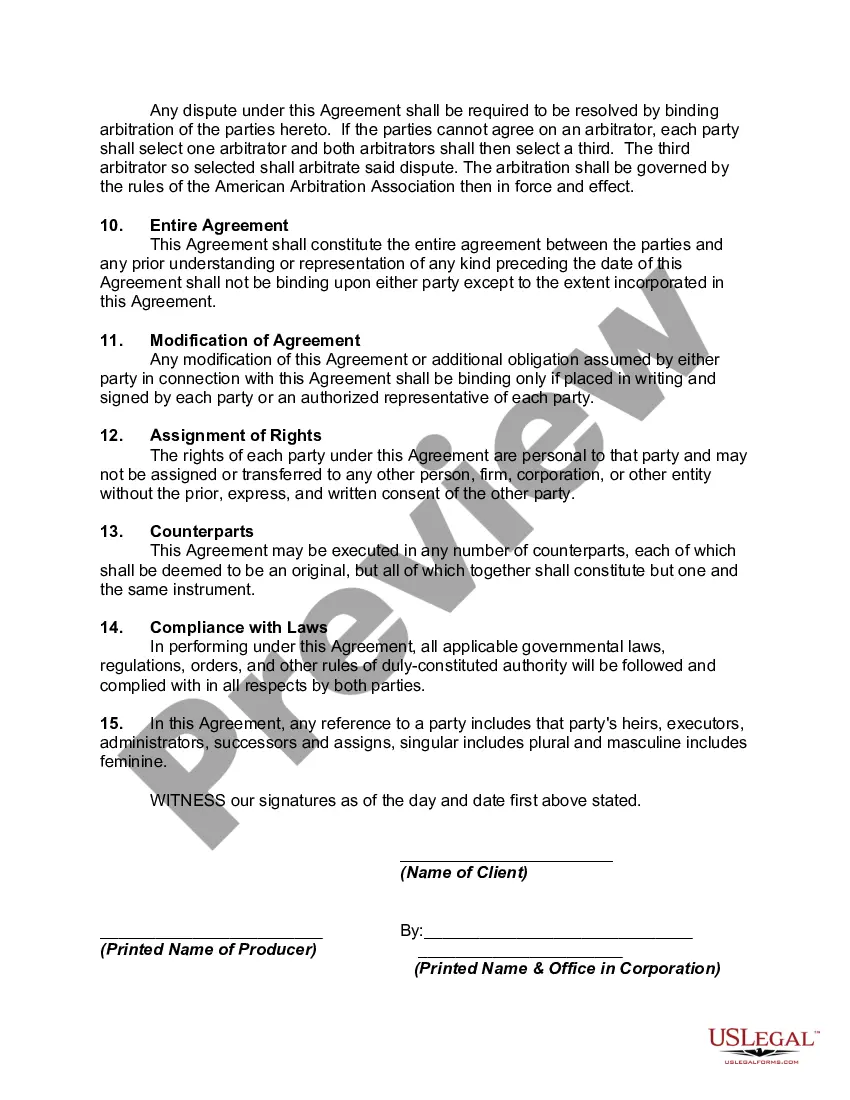
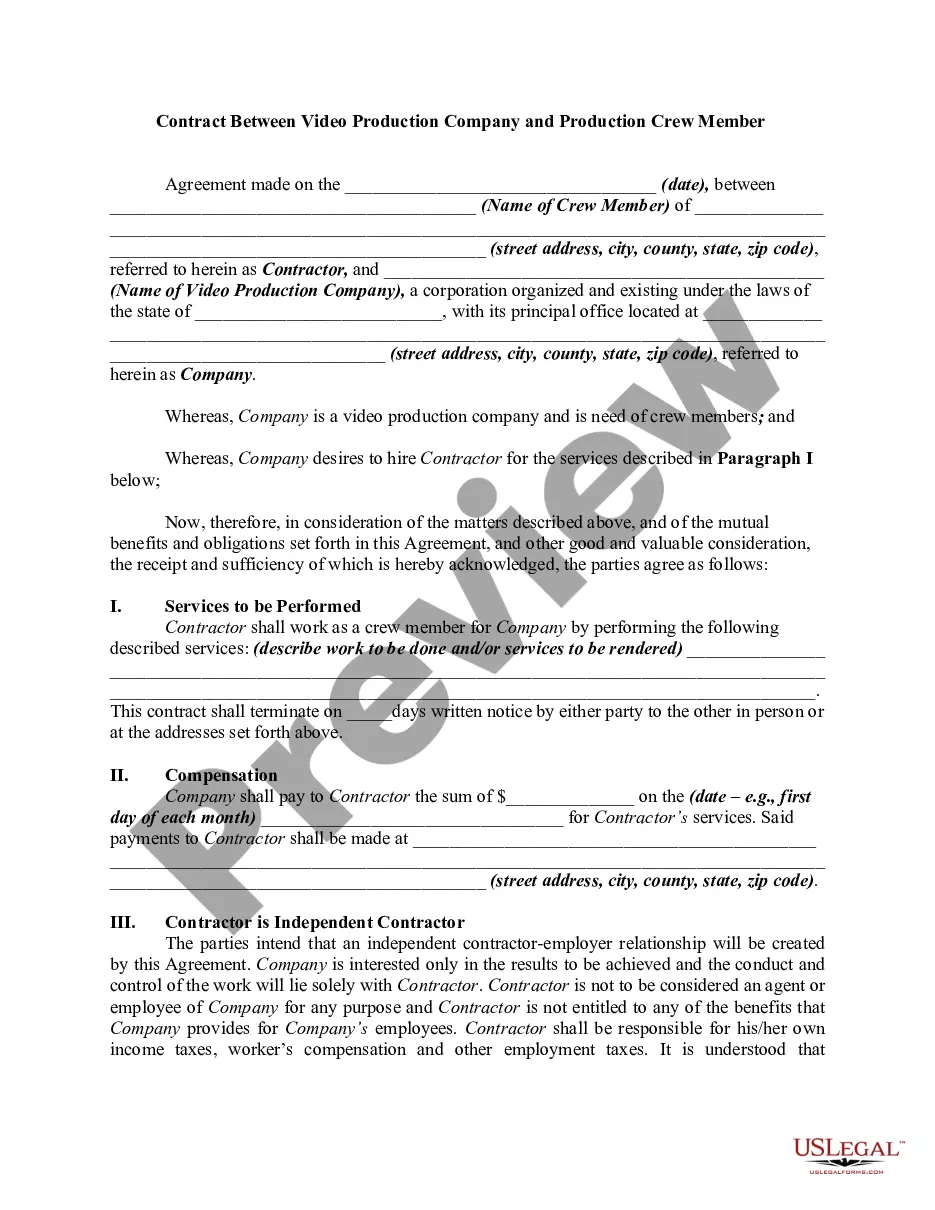
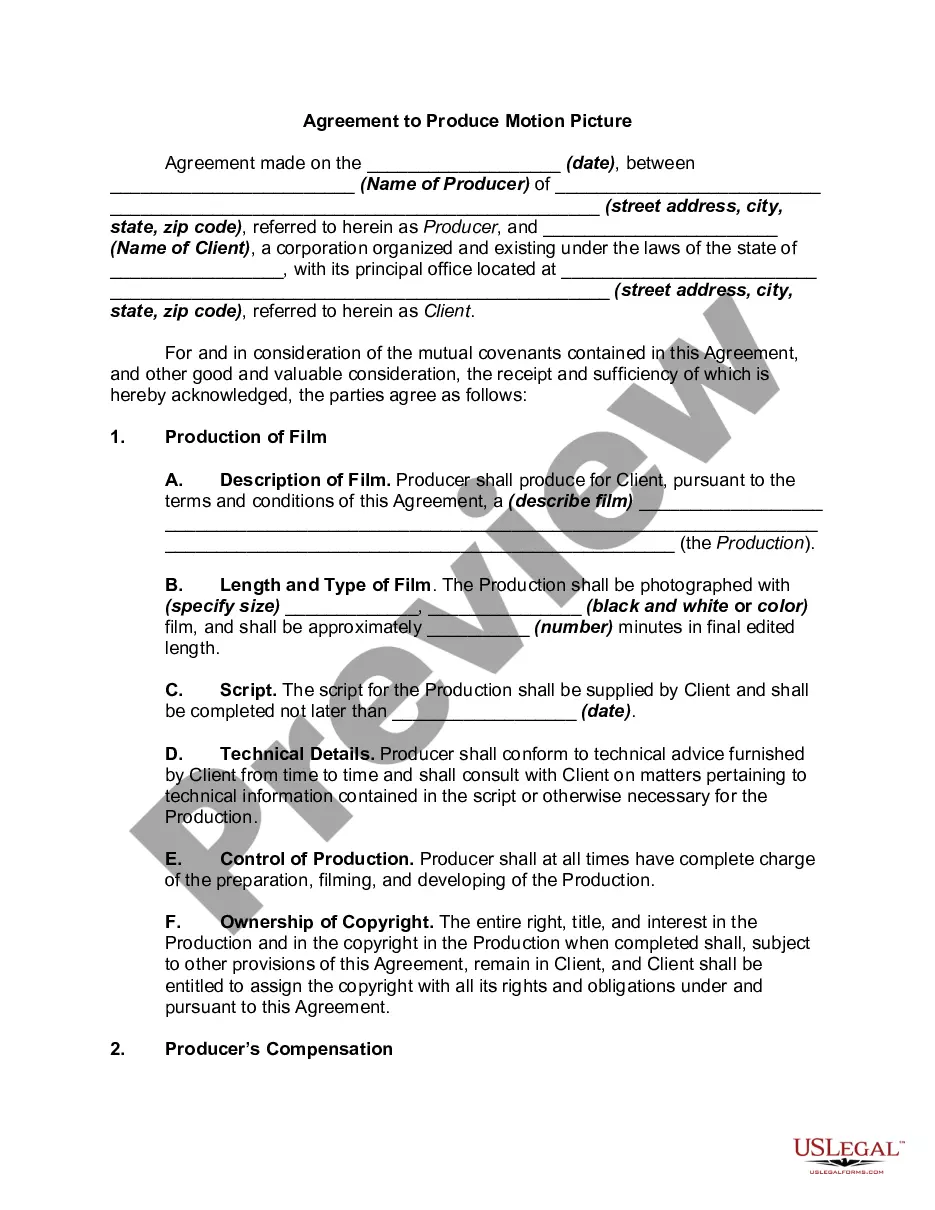
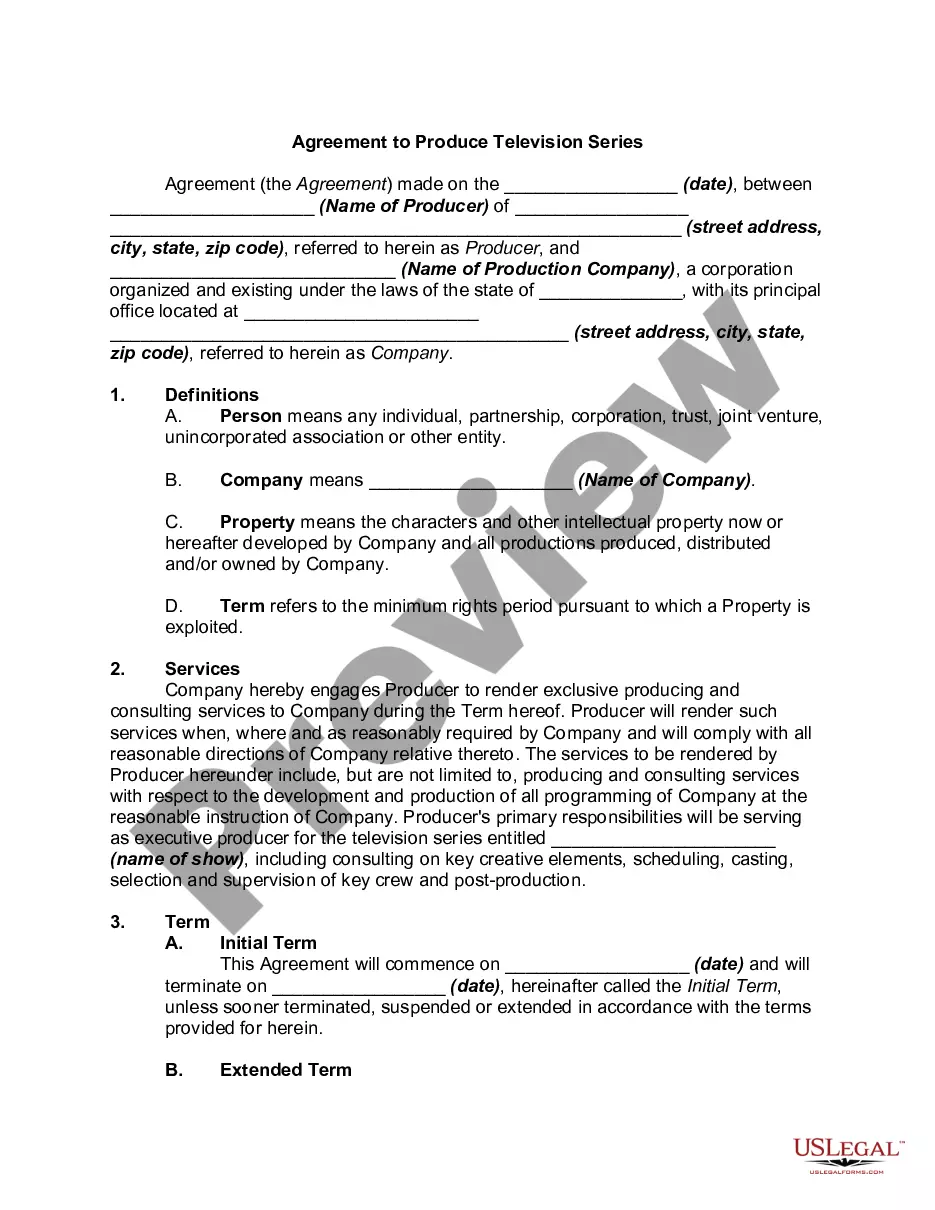
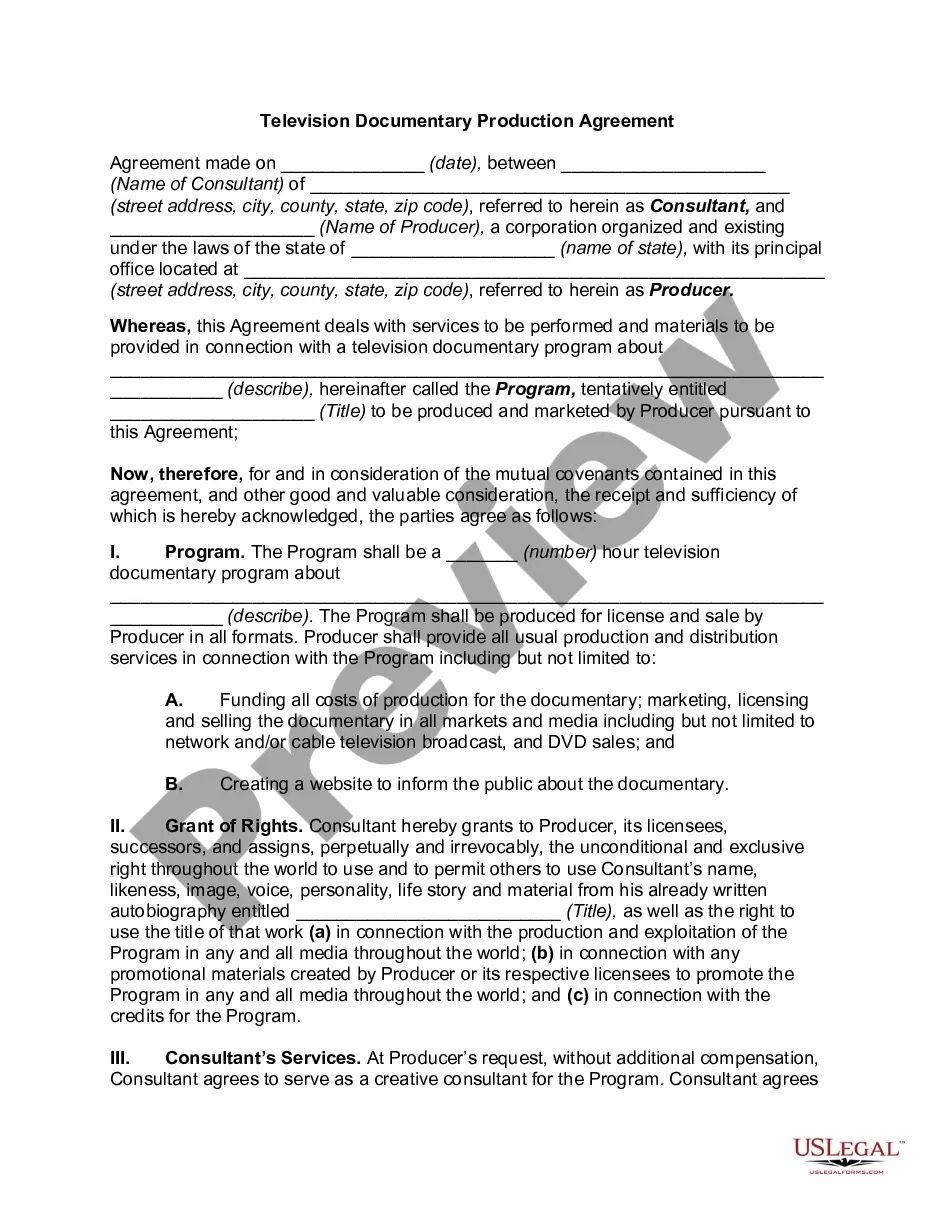
Get your form ready online
Our built-in tools help you complete, sign, share, and store your documents in one place.
Make edits, fill in missing information, and update formatting in US Legal Forms—just like you would in MS Word.
Download a copy, print it, send it by email, or mail it via USPS—whatever works best for your next step.
Sign and collect signatures with our SignNow integration. Send to multiple recipients, set reminders, and more. Go Premium to unlock E-Sign.
If this form requires notarization, complete it online through a secure video call—no need to meet a notary in person or wait for an appointment.
We protect your documents and personal data by following strict security and privacy standards.

Make edits, fill in missing information, and update formatting in US Legal Forms—just like you would in MS Word.

Download a copy, print it, send it by email, or mail it via USPS—whatever works best for your next step.

Sign and collect signatures with our SignNow integration. Send to multiple recipients, set reminders, and more. Go Premium to unlock E-Sign.

If this form requires notarization, complete it online through a secure video call—no need to meet a notary in person or wait for an appointment.

We protect your documents and personal data by following strict security and privacy standards.
Looking for another form?



Form popularity
FAQ
Formal education in music or film scoring can be beneficial. Gain experience by scoring student films, indie projects, or creating music for commercials. Building a strong portfolio and networking with filmmakers, directors, and other composers is crucial. Moving to industry hubs like Los Angeles can also help.
Royalties are shares of income, so a royalty split is who gets what percentage. When you sign a deal with a record label, they often take a majority of the royalty split. If you see “80/20 split” for example, that means the label takes 80% of earnings from that income stream, and the artist takes 20%.
Formal Education: Consider enrolling in a music composition program, film scoring course, or music production degree at a university or conservatory. Online Courses: Platforms like Coursera, Berklee Online, or MasterClass offer courses in film scoring and music production.
The industry standard is 50/50 , our's is 70/30 – that's 70% to Artist and only 30% to Company but when the Contract ends you retain 100%. We do not own anything. Q: On a Record and Distribution Contract, do I retain my Publishing rights and Copyrights?
Write the contract in six steps Start with a contract template. Open with the basic information. Describe in detail what you have agreed to. Include a description of how the contract will be ended. Write into the contract which laws apply and how disputes will be resolved. Include space for signatures.
How to create a Music Recording Contract Step 1: Specify where you're creating the Music Recording Contract. Step 2: Provide the recording company's and artist's details. Step 3: Outline the production details. Step 4: Outline the recording details. Step 5: Decide if the contract will include an exclusive agreement clause.
What should a music producer contract template include? Parties involved: Names and contact information of the artist, producer, and any relevant parties such as managers or record labels. Project scope: Detailed description of the work to be performed, including specific tracks or albums to be produced.
Your Music Recording Contract should cover details like: Compensation and royalties. Where and when the album will be recorded. The album's release date. Who has creative control over specific elements of the album. The termination clause. The exclusive agreement clause. Dispute resolution. Promotional appearances.
Direct Sales: Create your own website or use platforms like Bandcamp to sell your music directly to filmmakers. Sync Licensing: Reach out to filmmakers and content creators directly or use platforms that connect musicians with filmmakers. Demos: Create a demo reel showcasing your best work.
Online Presence: Use social media platforms and websites like LinkedIn to connect with industry professionals. Share your work on platforms like SoundCloud or YouTube. Formal Education: Consider pursuing a degree in music composition or film scoring from a university or conservatory.
