Wrongful Accusation Charges In Philadelphia
Description

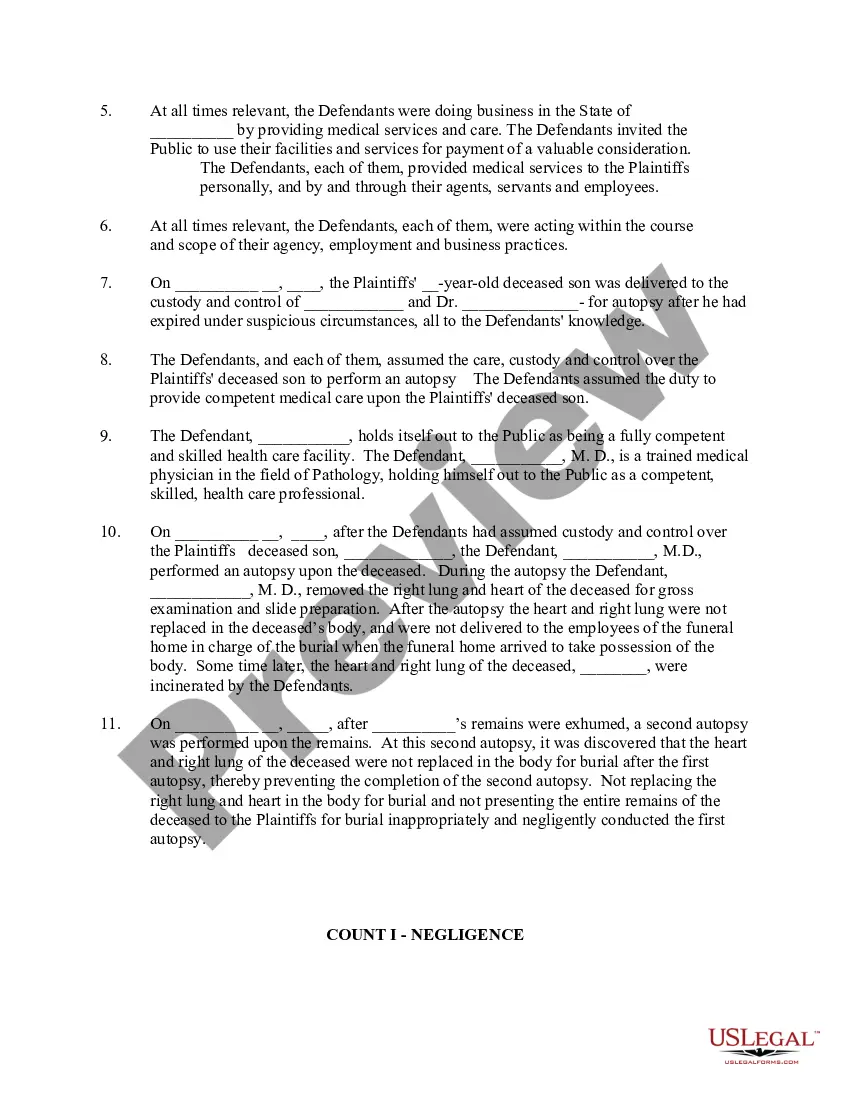
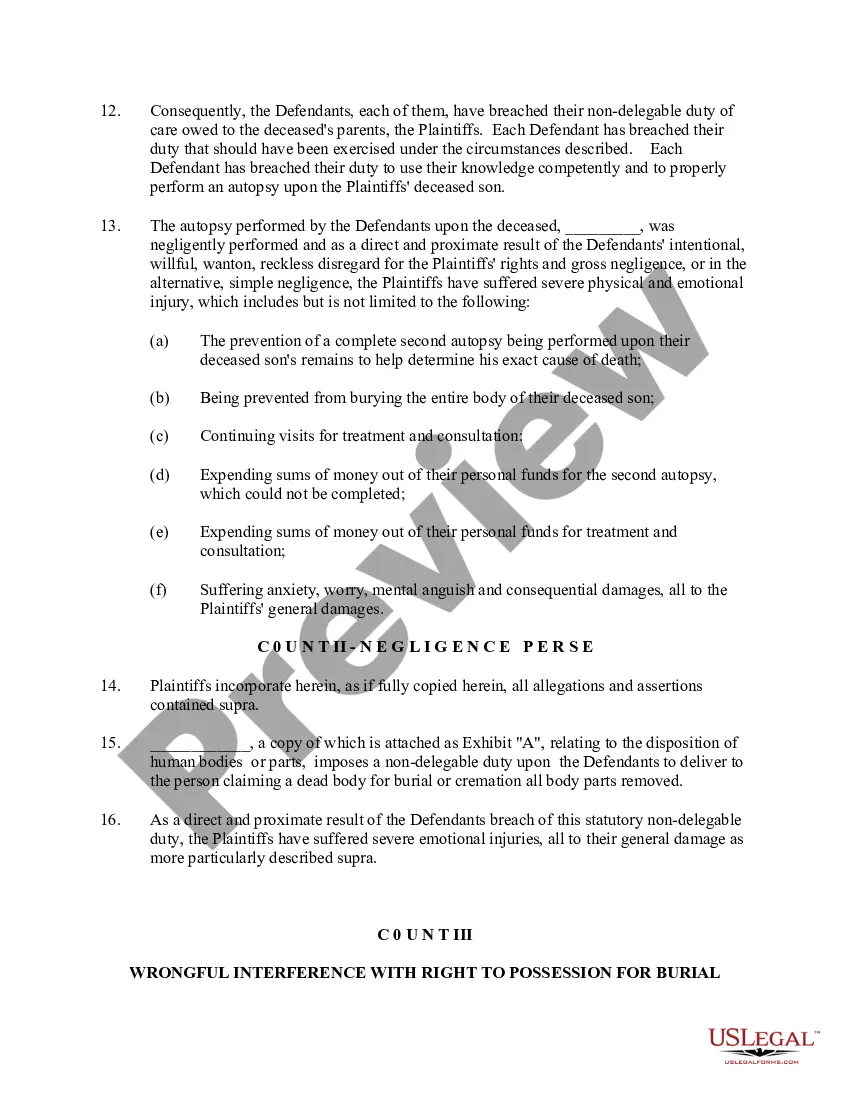
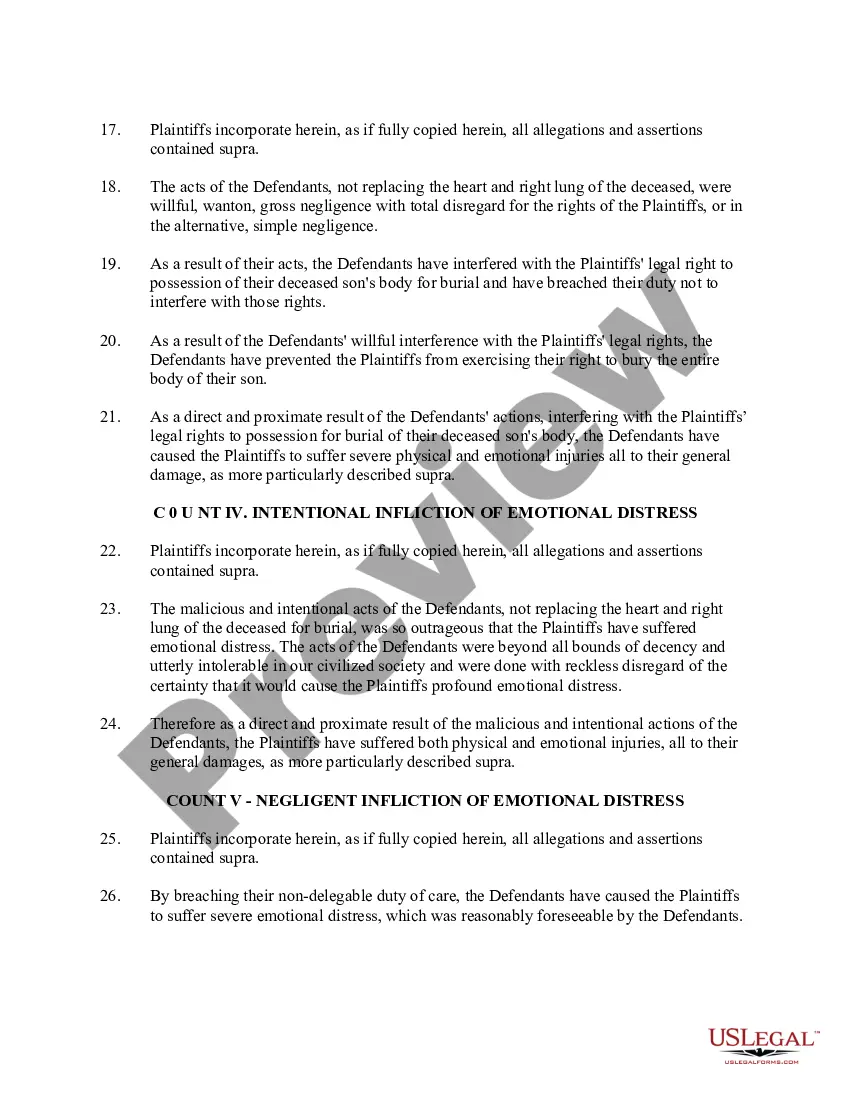
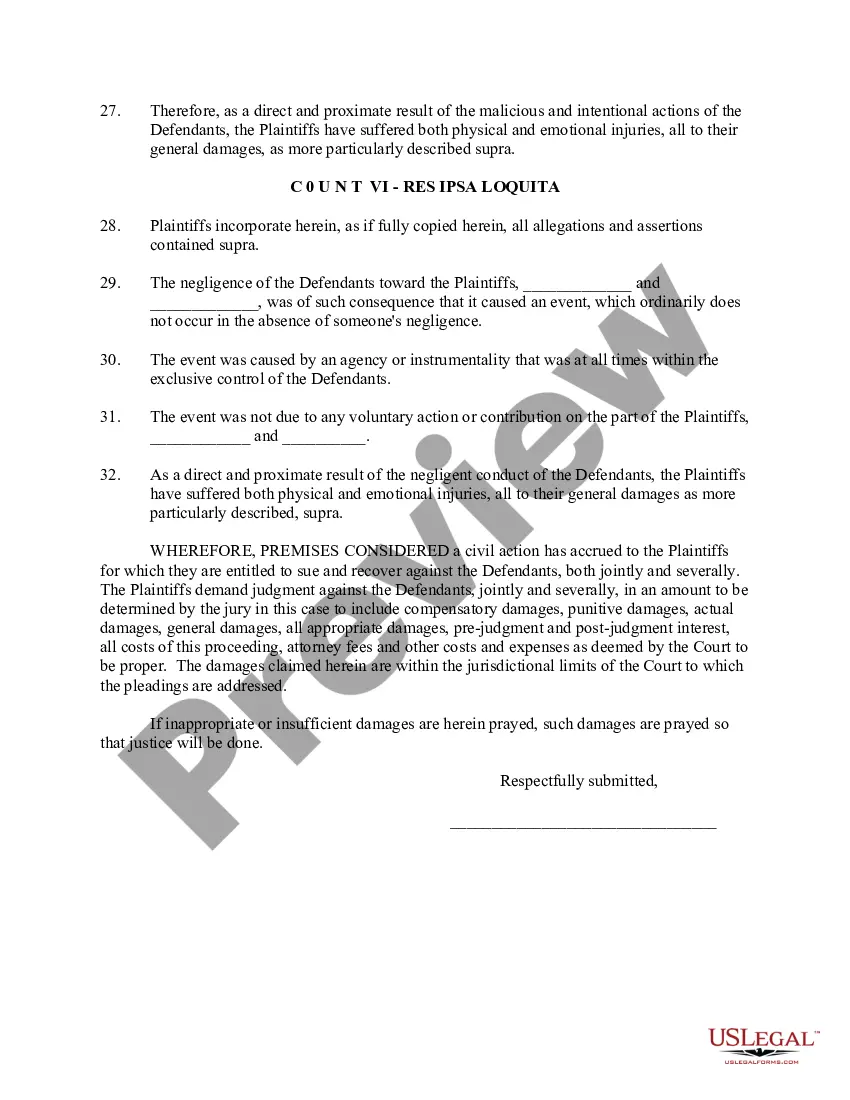

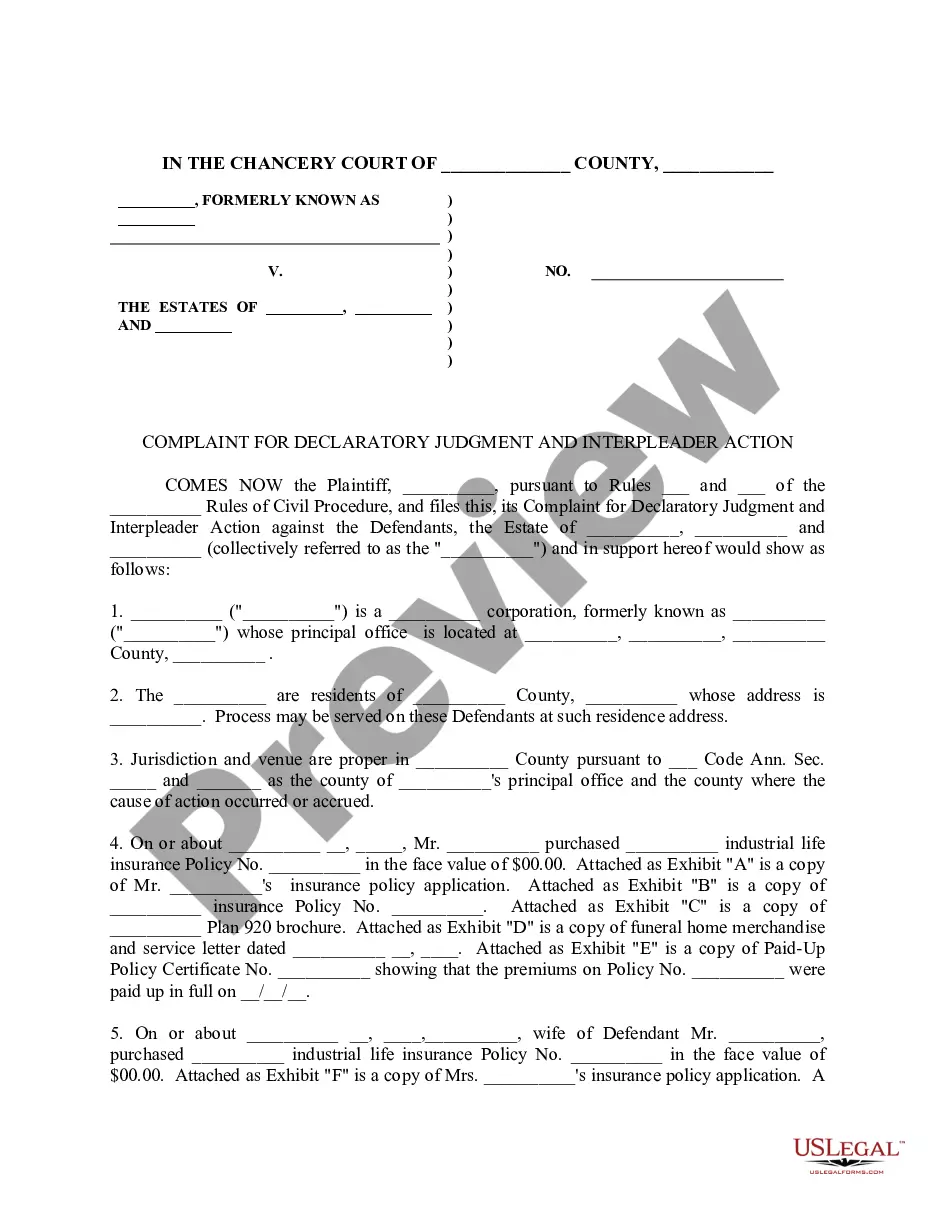
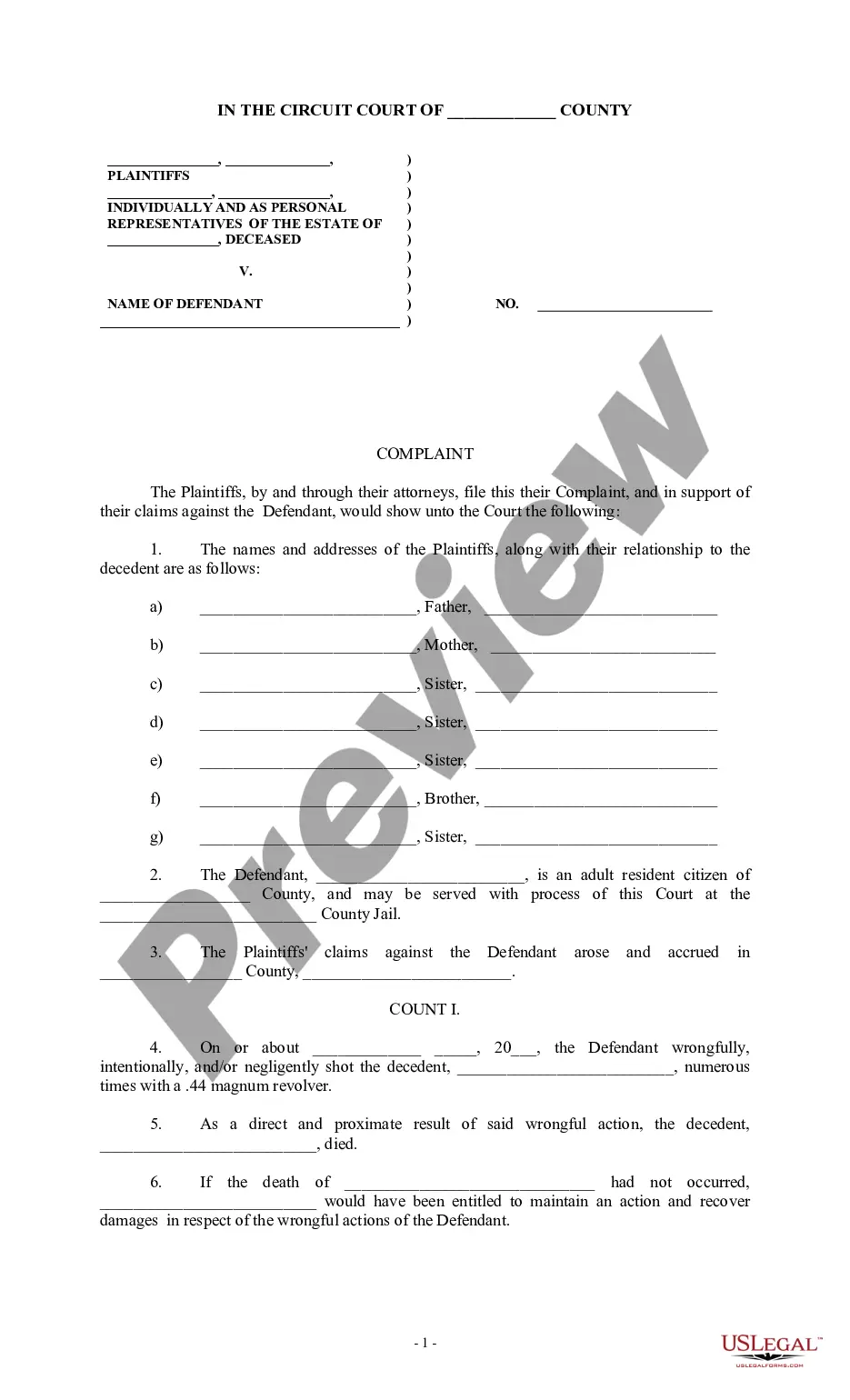
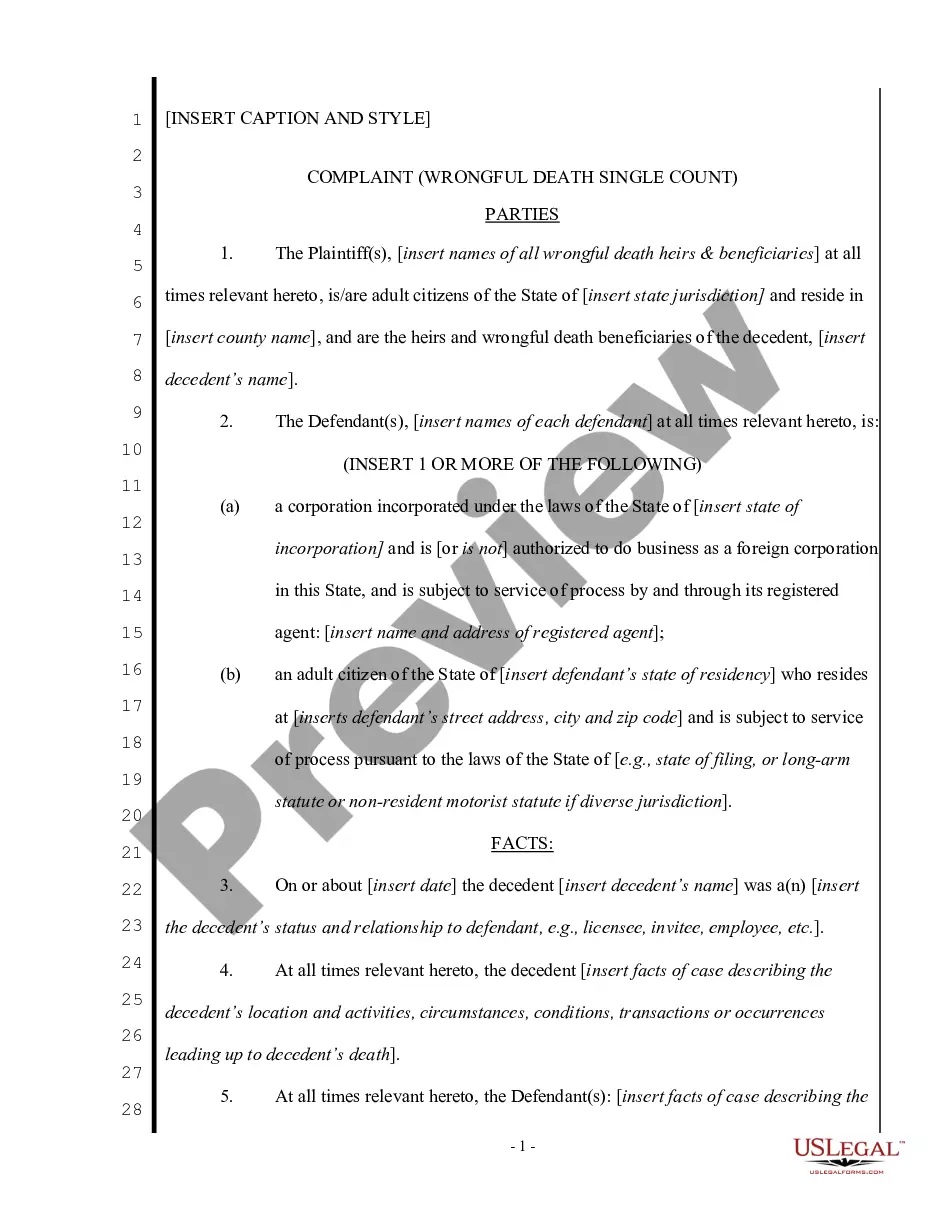
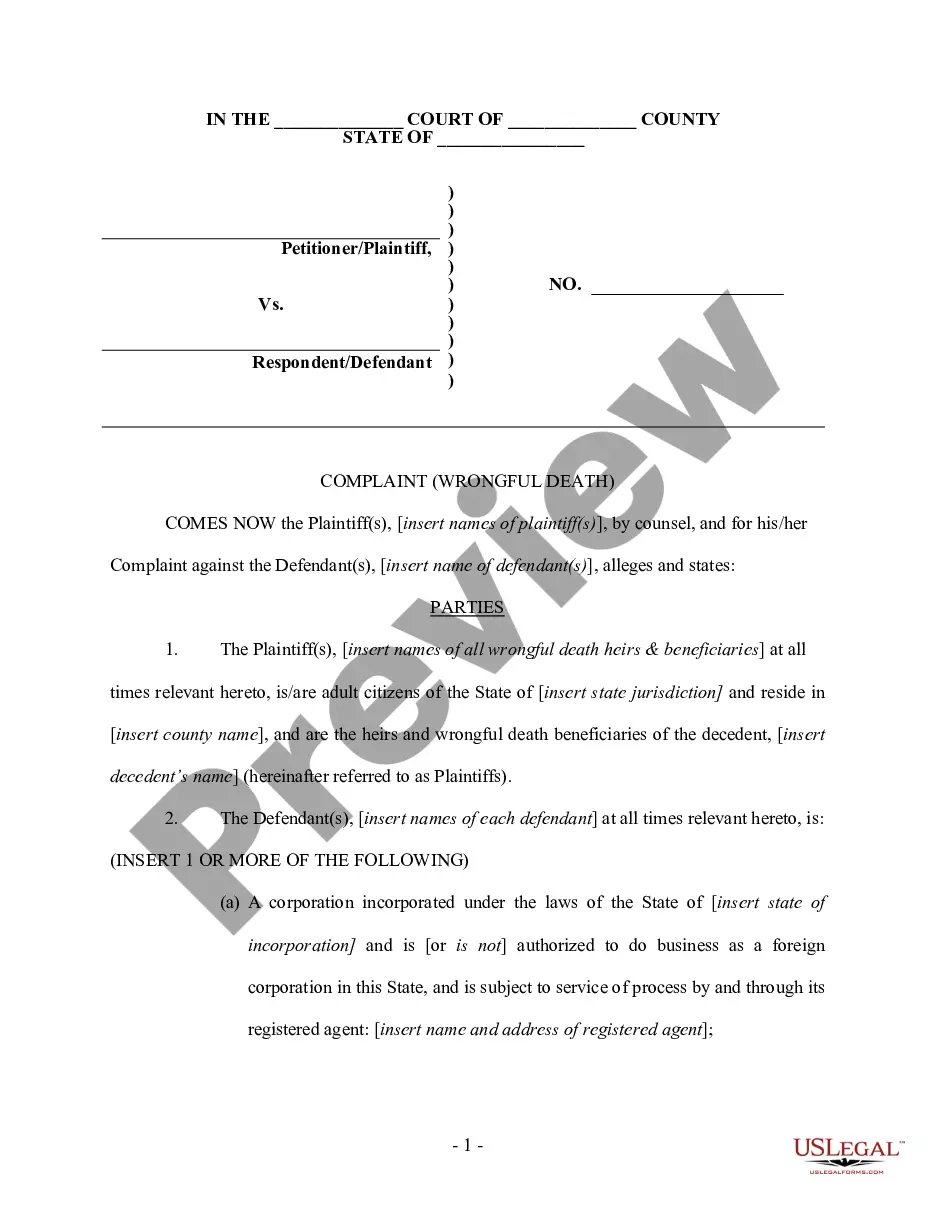
Get your form ready online
Our built-in tools help you complete, sign, share, and store your documents in one place.
Make edits, fill in missing information, and update formatting in US Legal Forms—just like you would in MS Word.
Download a copy, print it, send it by email, or mail it via USPS—whatever works best for your next step.
Sign and collect signatures with our SignNow integration. Send to multiple recipients, set reminders, and more. Go Premium to unlock E-Sign.
If this form requires notarization, complete it online through a secure video call—no need to meet a notary in person or wait for an appointment.
We protect your documents and personal data by following strict security and privacy standards.

Make edits, fill in missing information, and update formatting in US Legal Forms—just like you would in MS Word.

Download a copy, print it, send it by email, or mail it via USPS—whatever works best for your next step.

Sign and collect signatures with our SignNow integration. Send to multiple recipients, set reminders, and more. Go Premium to unlock E-Sign.

If this form requires notarization, complete it online through a secure video call—no need to meet a notary in person or wait for an appointment.

We protect your documents and personal data by following strict security and privacy standards.
Looking for another form?










Form popularity
FAQ
If convicted, penalties for false accusations could result in fines of up to $1,000, up to six months in county jail, or both. Additionally, individuals may face civil lawsuits for defamation or malicious prosecution if the false accusations harm another person's reputation or lead to wrongful legal actions.
False reports to law enforcement authorities. (a) Falsely incriminating another. --Except as provided in subsection (c), a person who knowingly gives false information to any law enforcement officer with intent to implicate another commits a misdemeanor of the second degree.
It's important to remember: not all false accusations automatically qualify for compensation. Defamation law is complex, and your case will depend on the circumstances. If you're unsure where you stand, speak to a legal professional who can guide you through your options and protect your reputation.
What to do if you have been falsely accused of a crime? Stay calm. It is natural to immediately feel angry and upset. Speak to a criminal lawyer. Retain your right to silence. Stay positive and maintain a good support network.
For the last five years, filmmaker and Rutgers University Professor John Hulme has documented the story of Tyree Wallace, a wrongfully incarcerated man serving a life sentence in Pennsylvania for a he didn't commit.
In the most serious cases, the person making false accusations could face up to seven years in state prison. If it is found that someone has made a false allegation, it's also possible that they could face further charges. They could be found to have broken defamation law and face charges relating to that.
Yes. In California, making false accusations is a crime and can lead to serious legal consequences.
False reports to law enforcement authorities. (a) Falsely incriminating another. --Except as provided in subsection (c), a person who knowingly gives false information to any law enforcement officer with intent to implicate another commits a misdemeanor of the second degree.
Emotional distress Being falsely accused can lead to intense emotions such as anger, frustration, and sadness. The individual may experience a range of negative feelings, including confusion and betrayal. The emotional toll can be particularly high if the accusations are severe or impact the person's reputation.
Defending Yourself Against False Accusations at Work Remain Calm and Be Professional. Talk to a Lawyer. Contact HR. Get the Details of the Complaint. Gather Evidence. Find Witnesses and Present Evidence. Be Honest and Cooperate with Any Investigations. Avoid Your Accuser.