Wrongful Possession Of Property In Palm Beach
Description


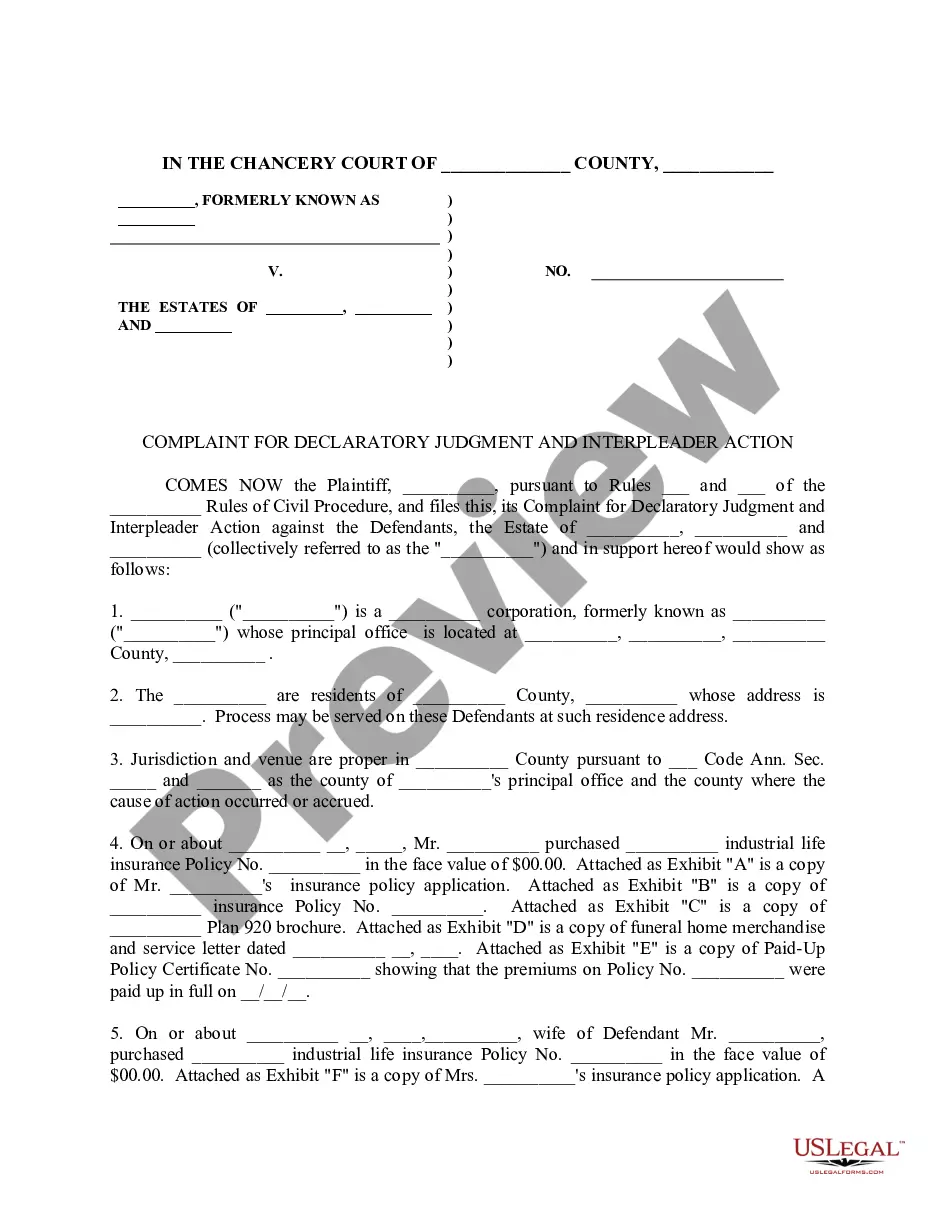
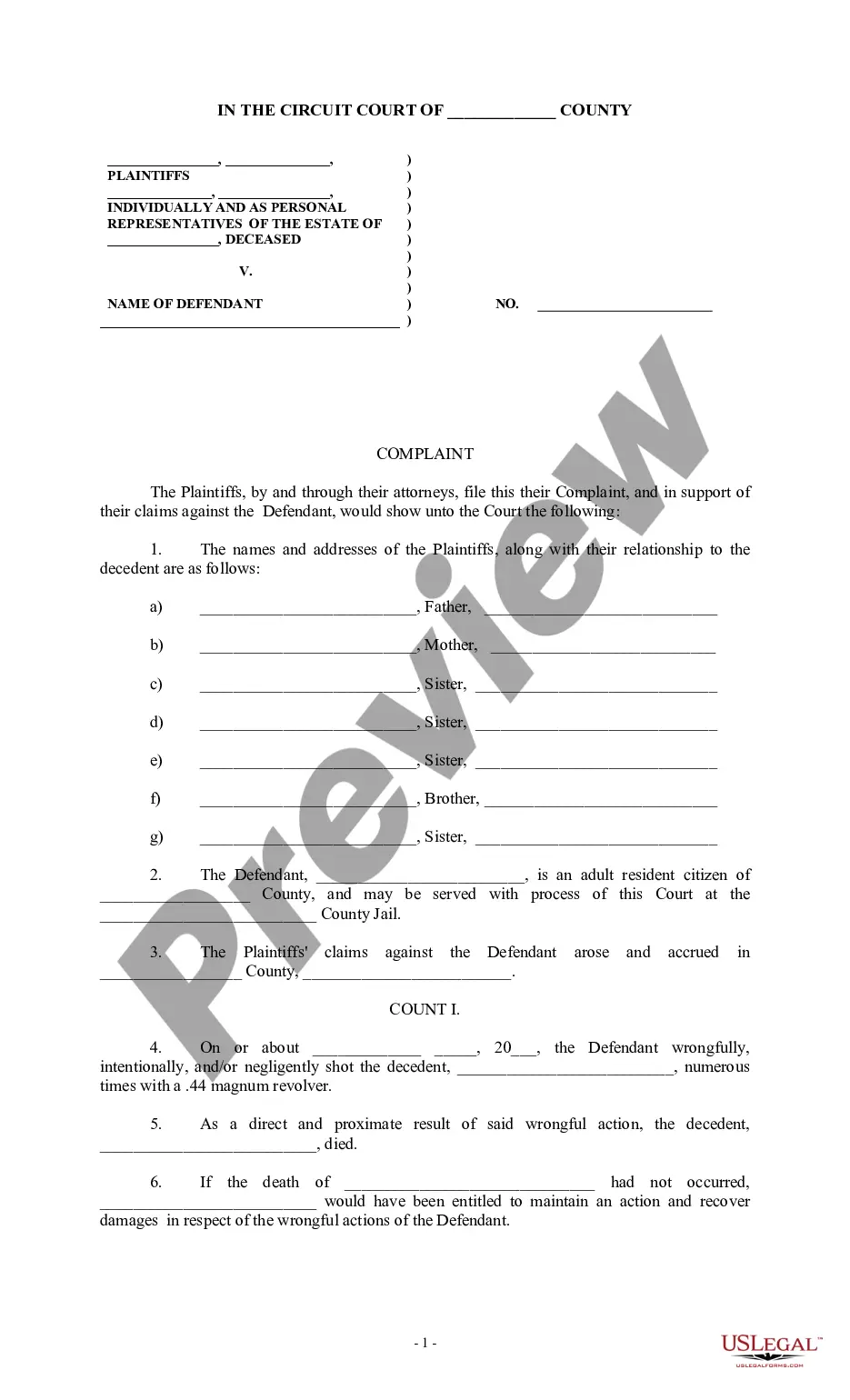
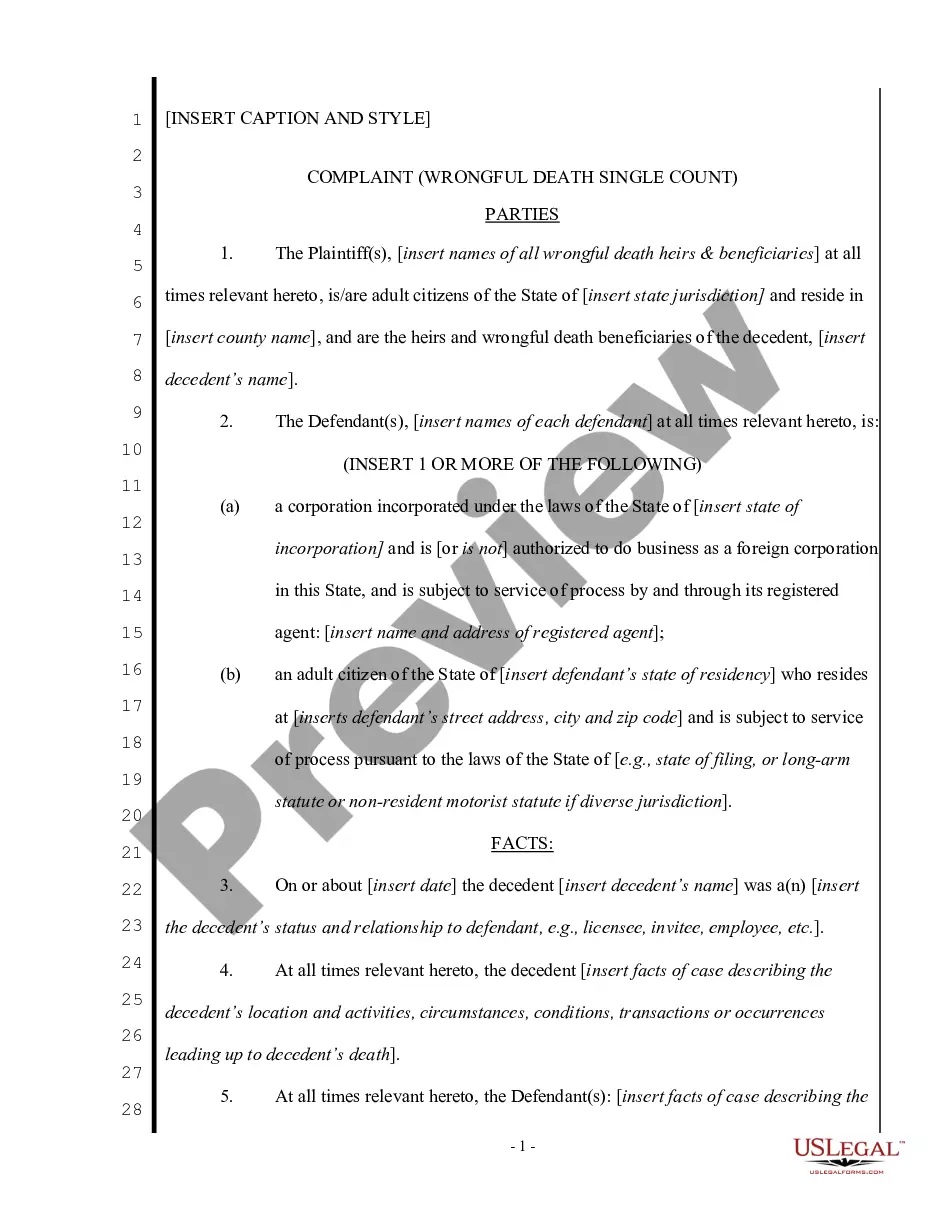
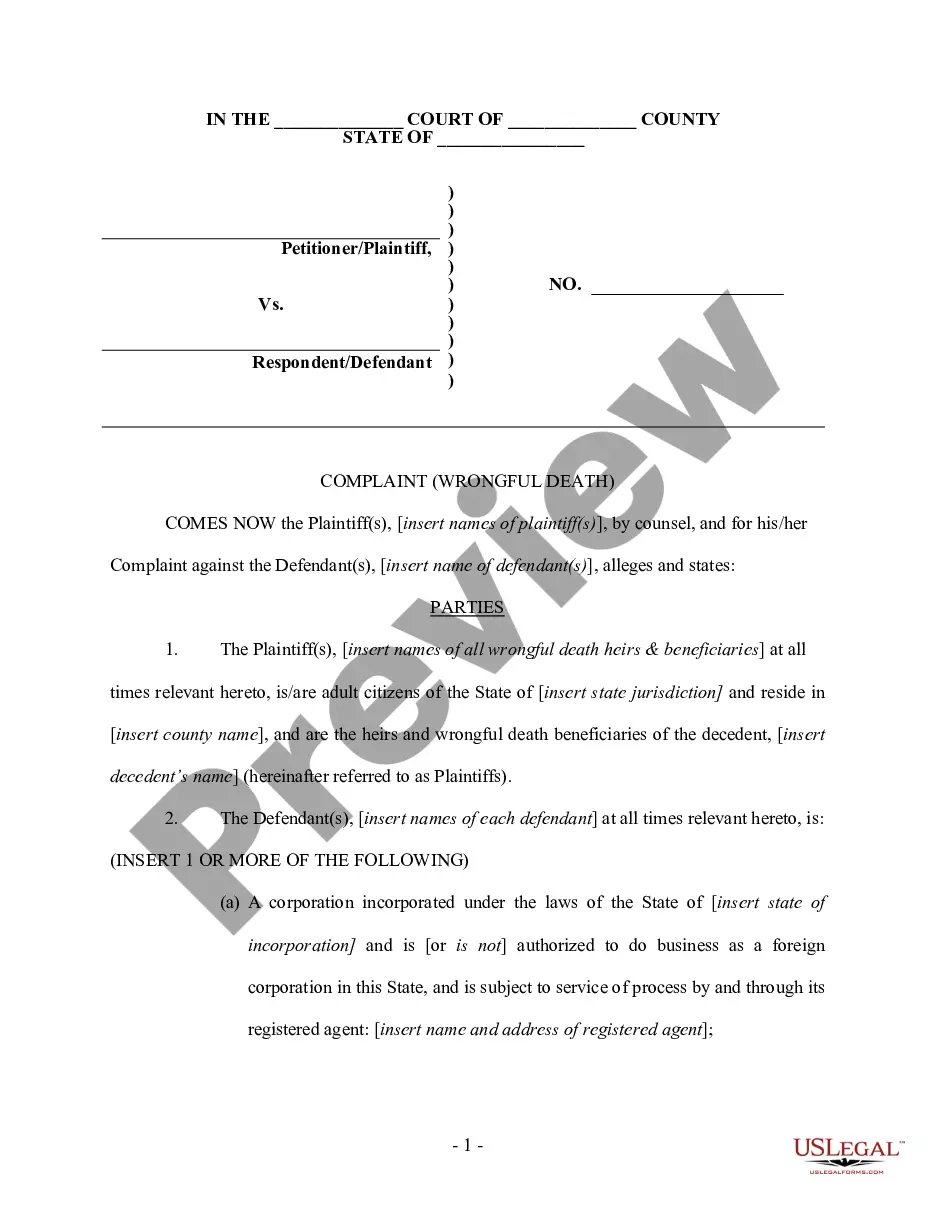
Get your form ready online
Our built-in tools help you complete, sign, share, and store your documents in one place.
Make edits, fill in missing information, and update formatting in US Legal Forms—just like you would in MS Word.
Download a copy, print it, send it by email, or mail it via USPS—whatever works best for your next step.
Sign and collect signatures with our SignNow integration. Send to multiple recipients, set reminders, and more. Go Premium to unlock E-Sign.
If this form requires notarization, complete it online through a secure video call—no need to meet a notary in person or wait for an appointment.
We protect your documents and personal data by following strict security and privacy standards.

Make edits, fill in missing information, and update formatting in US Legal Forms—just like you would in MS Word.

Download a copy, print it, send it by email, or mail it via USPS—whatever works best for your next step.

Sign and collect signatures with our SignNow integration. Send to multiple recipients, set reminders, and more. Go Premium to unlock E-Sign.

If this form requires notarization, complete it online through a secure video call—no need to meet a notary in person or wait for an appointment.

We protect your documents and personal data by following strict security and privacy standards.
Looking for another form?

Form popularity
FAQ
How long does an unlawful detainer take in Florida? The minimum amount of time for your unlawful detainer case to be resolved is approximately 4 weeks and likely will take longer. For that rare timeframe to occur, everything must be in the plaintiff's favor and the court must act swiftly.
Florida law allows for a legal action know as an Ejectment to remove a non-rent paying person living in your home, who has not signed a lease and has no title or interest in the property. Often times, this involves a person whom you have allowed to live in your home and who later refuses to leave when asked.
You may file your case with the Clerk of the Circuit Court & Comptroller's office online using the statewide E-Filing portal, or in person or by mail at any Clerk of the Circuit Court & Comptroller courthouse location.
In Florida, if a person continuously occupies a parcel of real property for seven consecutive years and does not possess a legal document to validate a claim to the property, the person may acquire ownership of the property via adverse possession.
If the judge grants the landlord possession of the property, you may ask the Clerk & Comptroller to issue a Writ of Possession. 5. How do I get a writ of possession? After the Judge has granted possession of the property, you may request the Clerk & Comptroller to prepare a writ of possession.
In California, the period required for adverse possession is five years. However, this period varies by state. For instance, in Texas, the period can be as short as three years if the claimant has color of title, or up to ten years without it. In New York, the period is ten years, while in Florida, it is seven years.
In Florida, if a person continuously occupies a parcel of real property for seven consecutive years and does not possess a legal document to validate a claim to the property, the person may acquire ownership of the property via adverse possession.
It is possible to acquire title to the property through a process know. As adverse possession. It requires the adverse possessor to openly and notoriously occupy the property which includes paying the real property taxes.
How long does an unlawful detainer take in Florida? The minimum amount of time for your unlawful detainer case to be resolved is approximately 4 weeks and likely will take longer. For that rare timeframe to occur, everything must be in the plaintiff's favor and the court must act swiftly.
Adverse possession without color of title Hostile. The possession must be without the true owner's permission, meaning the adverse possessor uses the property contrary to the true owner's rights. Actual. Exclusive. Open and notorious. Continuous for seven years. Substantial enclosure or improvement.
