Wrongful Interference With Goods In Allegheny
Description

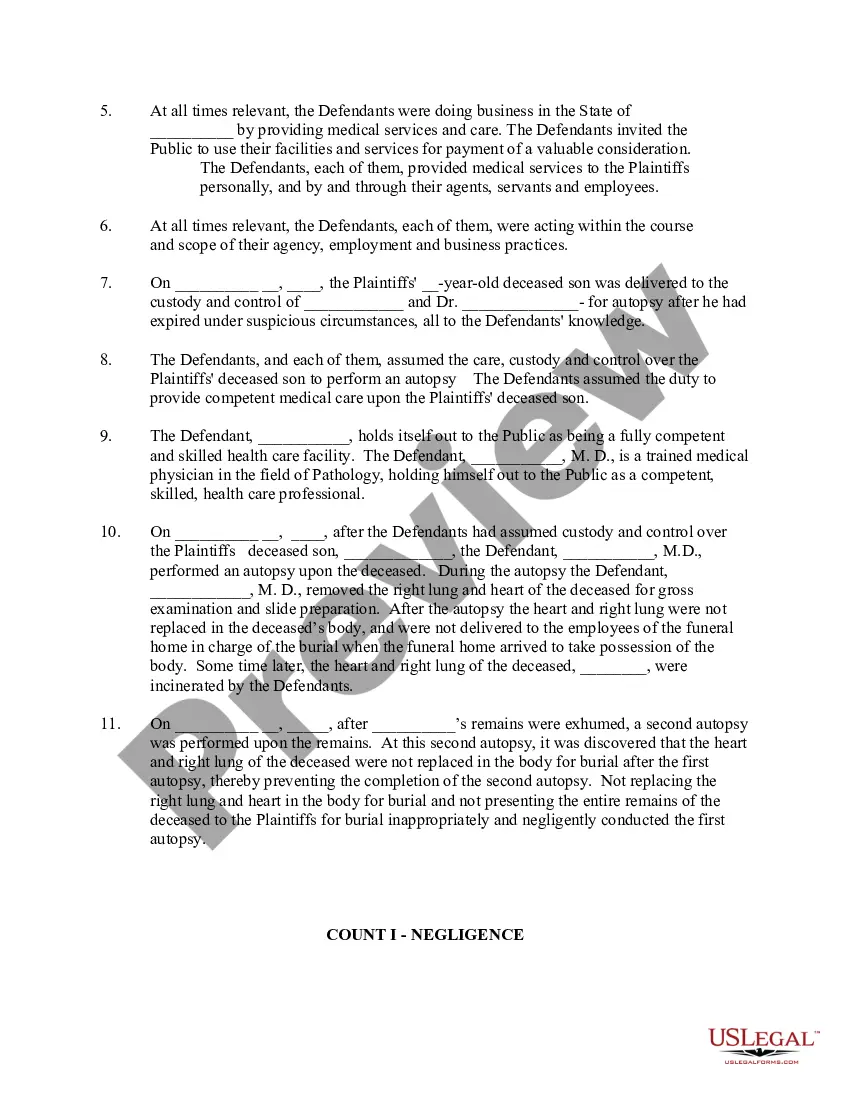
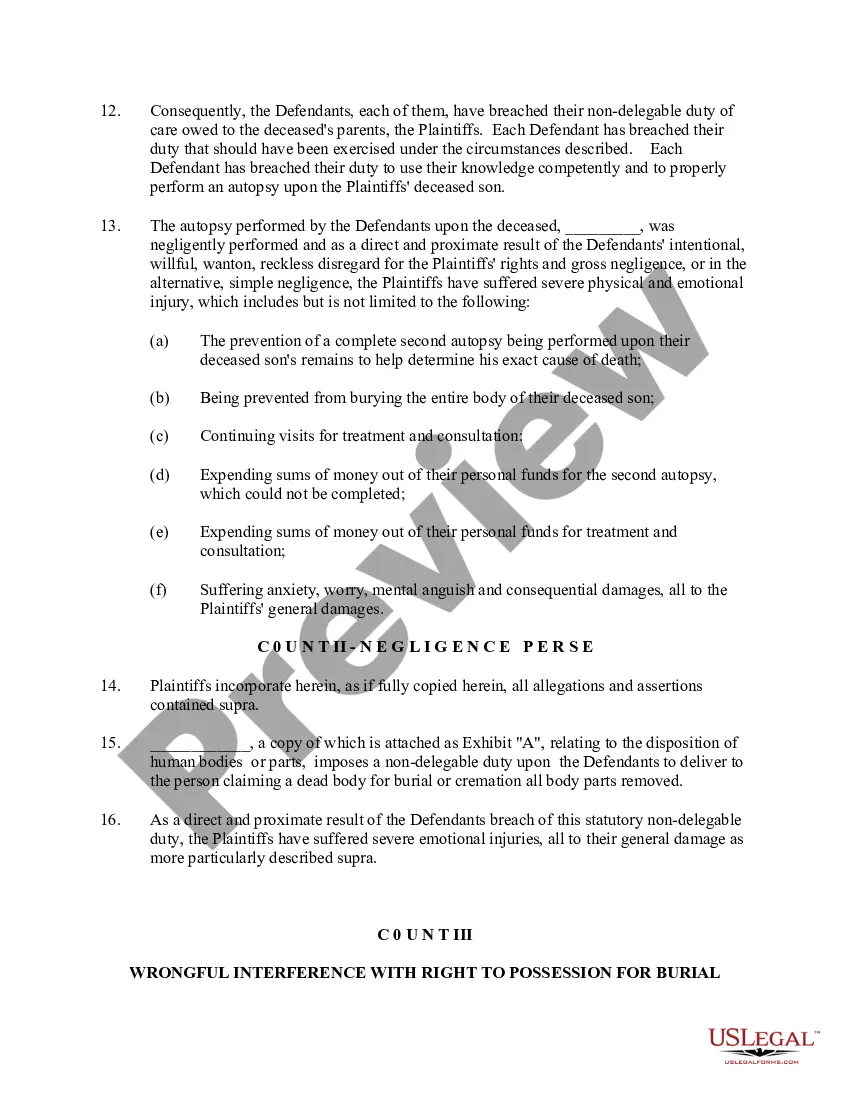
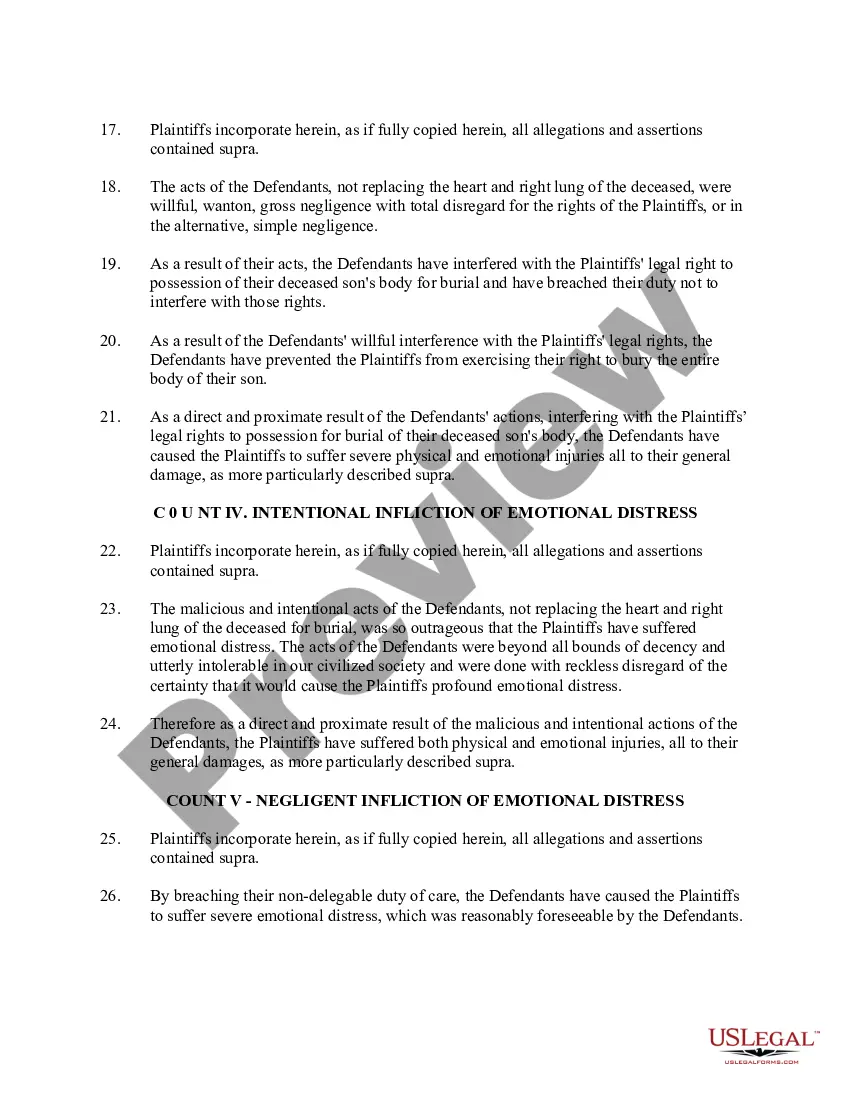
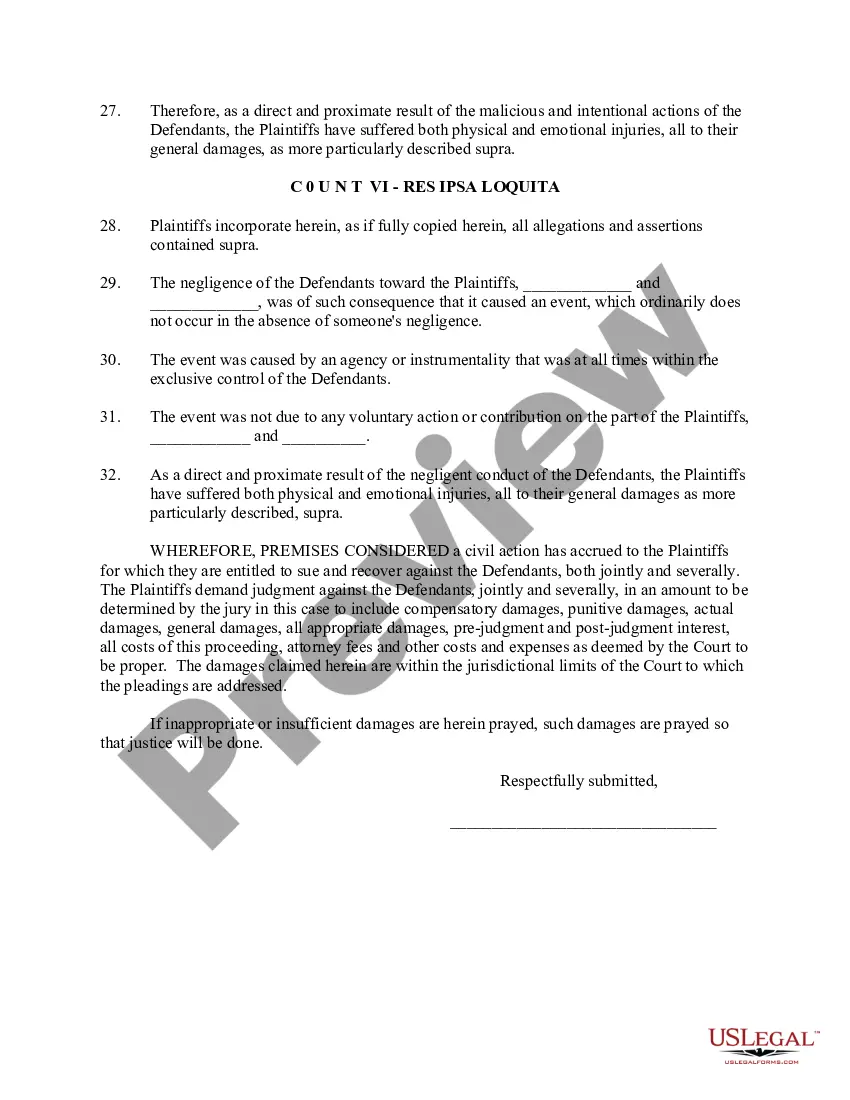

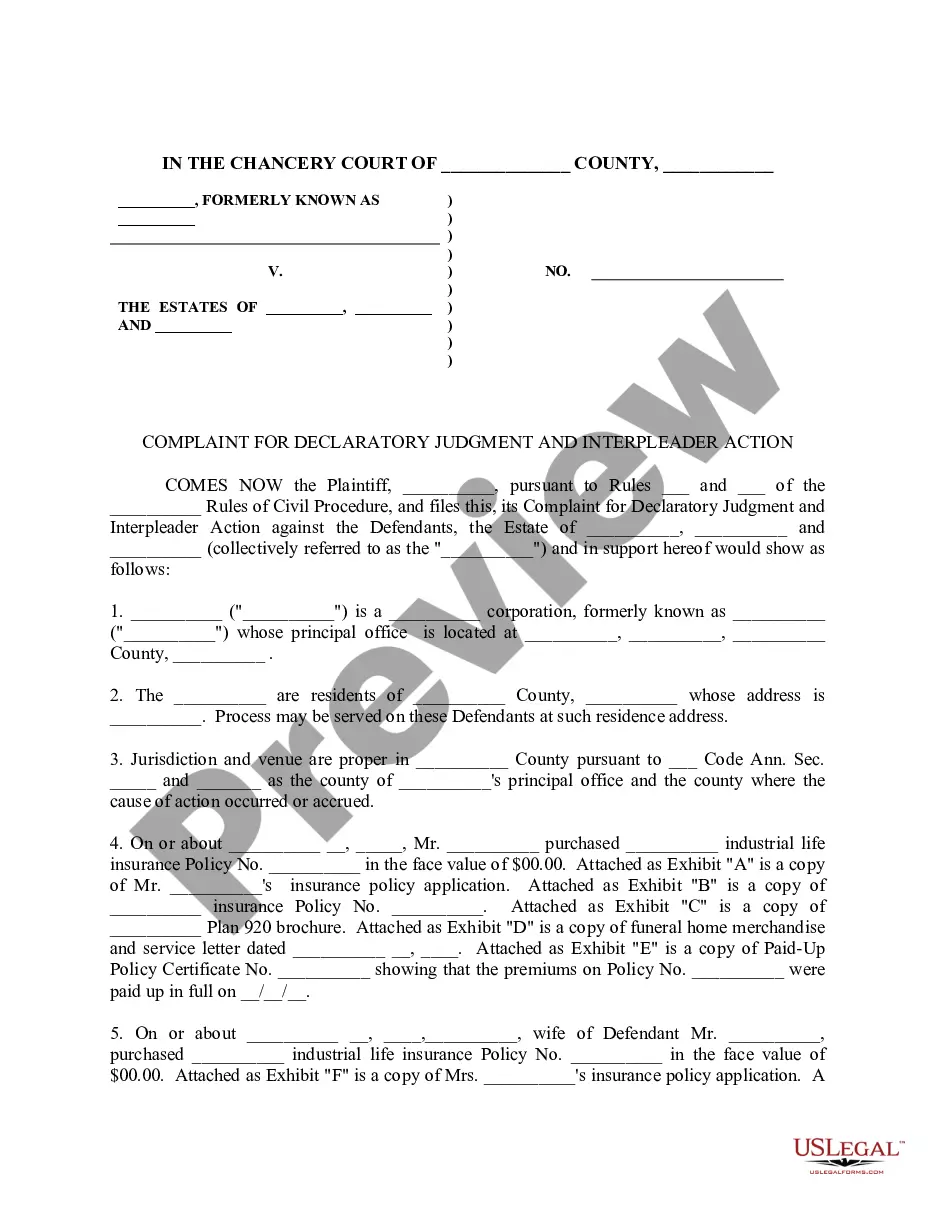
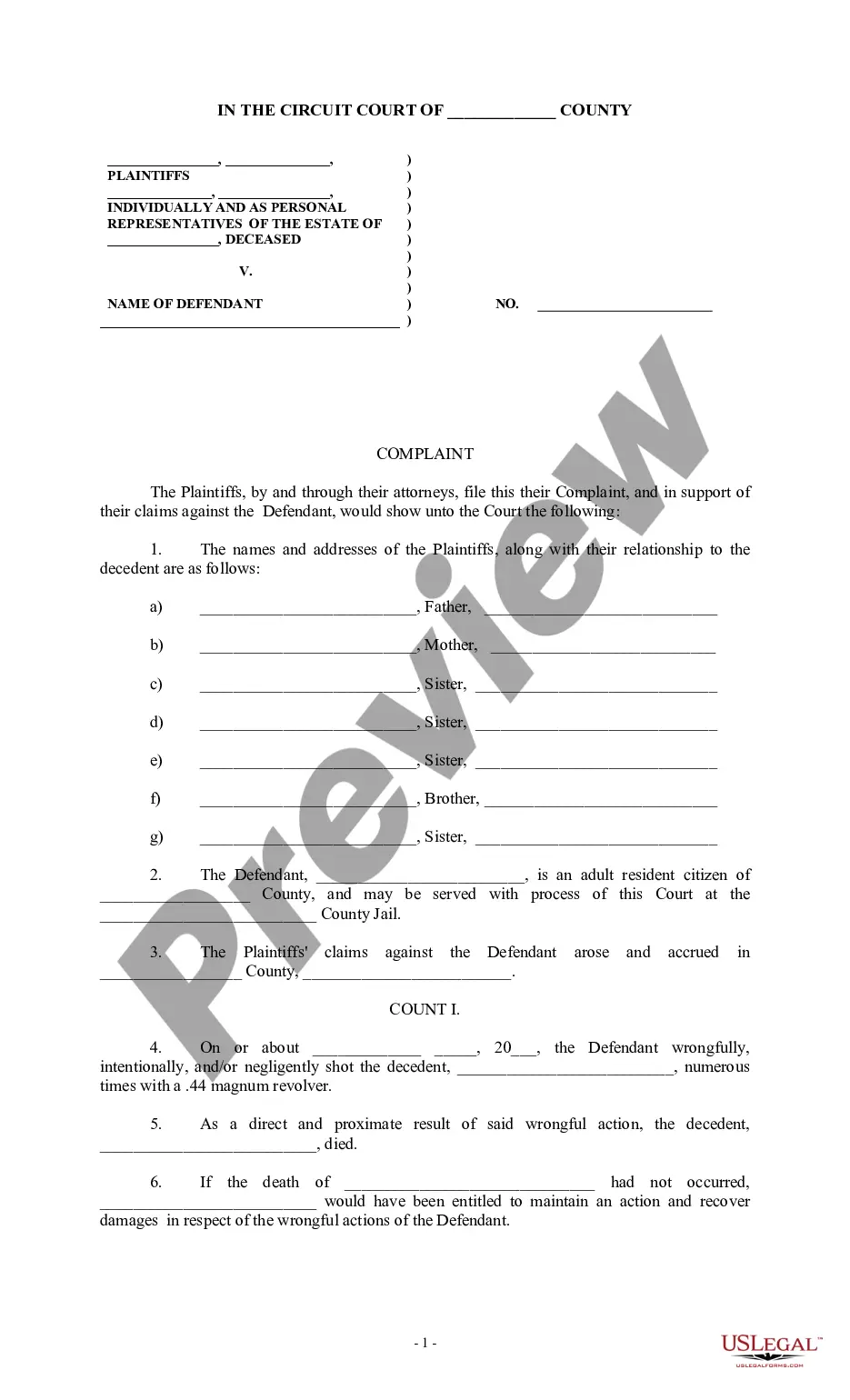
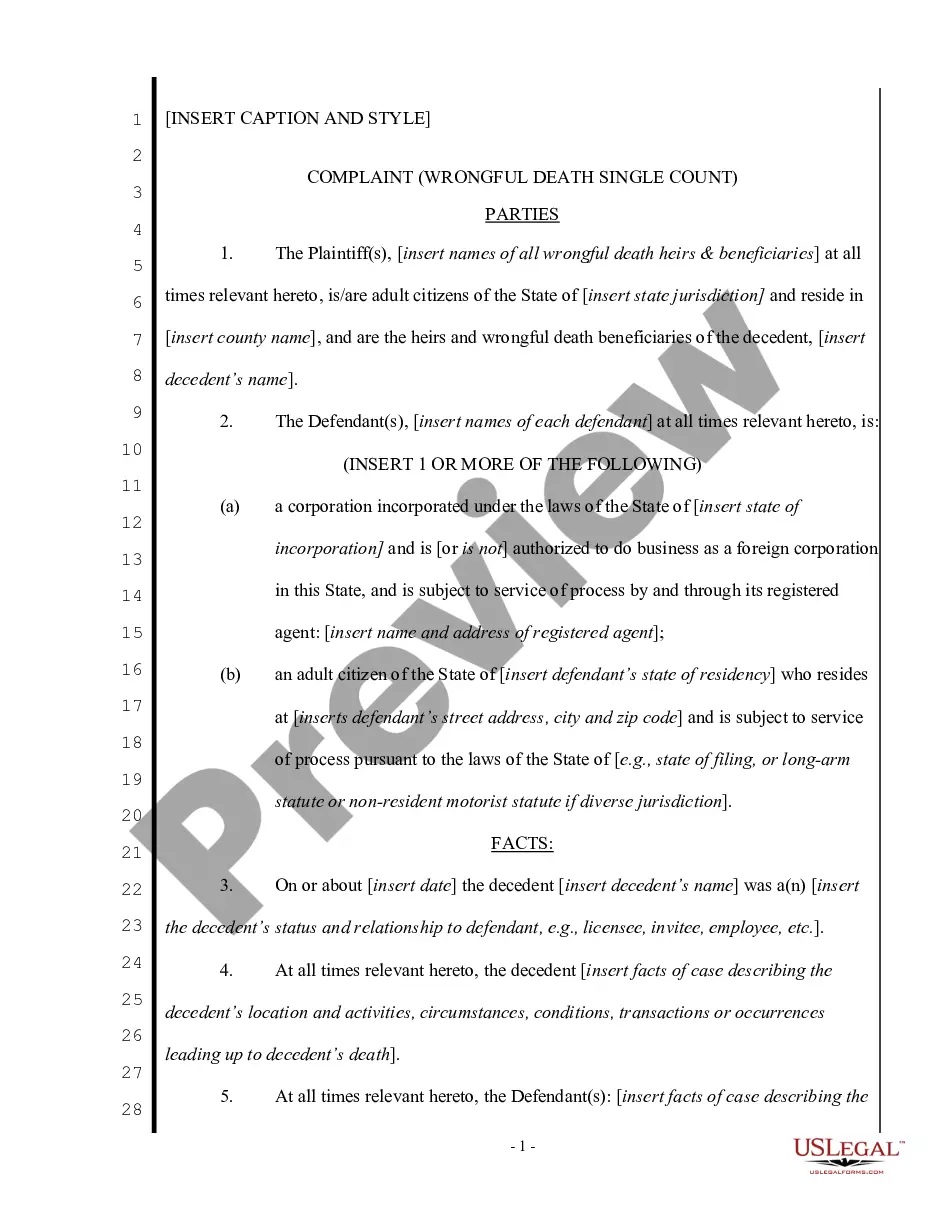
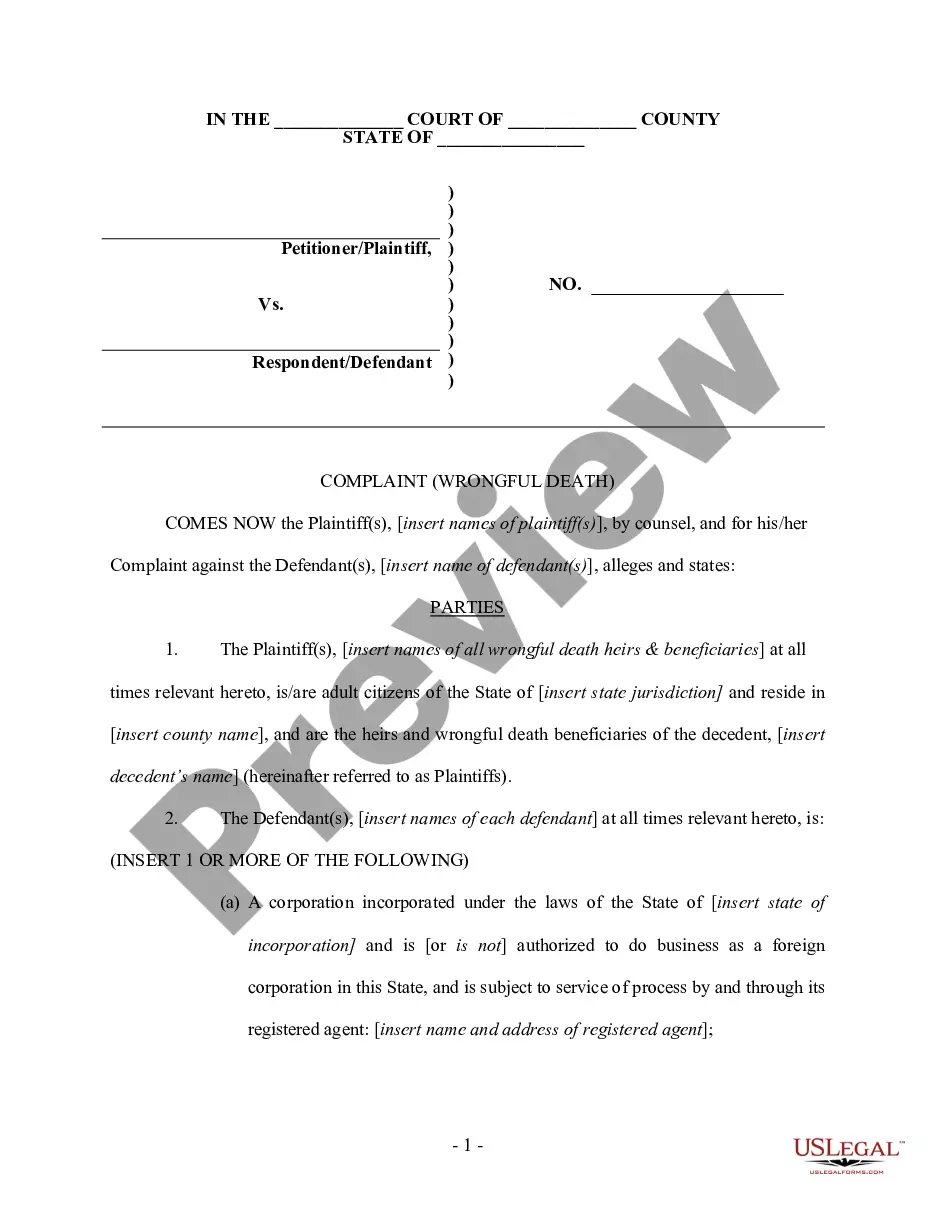
Get your form ready online
Our built-in tools help you complete, sign, share, and store your documents in one place.
Make edits, fill in missing information, and update formatting in US Legal Forms—just like you would in MS Word.
Download a copy, print it, send it by email, or mail it via USPS—whatever works best for your next step.
Sign and collect signatures with our SignNow integration. Send to multiple recipients, set reminders, and more. Go Premium to unlock E-Sign.
If this form requires notarization, complete it online through a secure video call—no need to meet a notary in person or wait for an appointment.
We protect your documents and personal data by following strict security and privacy standards.

Make edits, fill in missing information, and update formatting in US Legal Forms—just like you would in MS Word.

Download a copy, print it, send it by email, or mail it via USPS—whatever works best for your next step.

Sign and collect signatures with our SignNow integration. Send to multiple recipients, set reminders, and more. Go Premium to unlock E-Sign.

If this form requires notarization, complete it online through a secure video call—no need to meet a notary in person or wait for an appointment.

We protect your documents and personal data by following strict security and privacy standards.
Looking for another form?








Form popularity
FAQ
Broadly speaking, interference in a legal setting is wrongful conduct that prevents or disturbs another in the performance of their usual activities, in the conduct of their business or contractual relations, or in the enjoyment of their full legal rights.
The Torts (Interference with Goods) Act 1977 introduces a collective description ' wrongful interference with goods' to cover conversion, trespass to goods, negligence resulting in damage to goods or to an interest in goods and any other tort in so far as it results in damage to goods or an interest in goods.
3 Form of judgment where goods are detained. (1)In proceedings for wrongful interference against a person who is in possession or in control of the goods relief may be given in ance with this section, so far as appropriate. (c)damages.
The Torts (Interference with Goods) Act 1977 introduces a collective description ' wrongful interference with goods' to cover conversion, trespass to goods, negligence resulting in damage to goods or to an interest in goods and any other tort in so far as it results in damage to goods or an interest in goods.
Tortious interference is a common law tort allowing a claim for damages against a defendant who wrongfully interferes with the plaintiff's contractual or business relationships. See also intentional interference with contractual relations.
Section 12 and schedule 1 of the TORTS (interference with goods act) 1977. the bailee can reasonably expect to be relieved of any duty to safeguard the goods on giving notice to the bailor, but is unable to trace or communicate with the bailor.
Rule 1304 - Conduct of Hearing. Generally (a) Except as otherwise prescribed by these rules, the board of arbitrators shall conduct the hearing in conformity with Rule 1038(a). A voluntary nonsuit may be taken by a plaintiff as permitted by Rule 230.
Rule 1038 - Trial Without Jury (a) Except as otherwise provided in this rule, the trial of an action by a judge sitting without a jury shall be conducted as nearly as may be as a trial by jury is conducted and the parties shall have like rights and privileges, including the right to move for nonsuit.
Rule 1301 - Scope (1) The following civil actions shall first be submitted to and heard by a Board of Arbitrators: (a) Civil actions, proceedings and appeals or issues therein where the demand is for $50,000 or less (exclusive of interest and costs); (b) Replevin without bond and replevin with bond once bond has been ...
Rule 1034 - Motion for Judgment on the Pleadings (a) After the relevant pleadings are closed, but within such time as not to unreasonably delay the trial, any party may move for judgment on the pleadings. (b) The court shall enter such judgment or order as shall be proper on the pleadings.
