Injunctive Relief Agreement Without Bond In Washington
Description


Get your form ready online
Our built-in tools help you complete, sign, share, and store your documents in one place.
Make edits, fill in missing information, and update formatting in US Legal Forms—just like you would in MS Word.
Download a copy, print it, send it by email, or mail it via USPS—whatever works best for your next step.
Sign and collect signatures with our SignNow integration. Send to multiple recipients, set reminders, and more. Go Premium to unlock E-Sign.
If this form requires notarization, complete it online through a secure video call—no need to meet a notary in person or wait for an appointment.
We protect your documents and personal data by following strict security and privacy standards.

Make edits, fill in missing information, and update formatting in US Legal Forms—just like you would in MS Word.

Download a copy, print it, send it by email, or mail it via USPS—whatever works best for your next step.

Sign and collect signatures with our SignNow integration. Send to multiple recipients, set reminders, and more. Go Premium to unlock E-Sign.

If this form requires notarization, complete it online through a secure video call—no need to meet a notary in person or wait for an appointment.

We protect your documents and personal data by following strict security and privacy standards.
Looking for another form?







Form popularity
FAQ
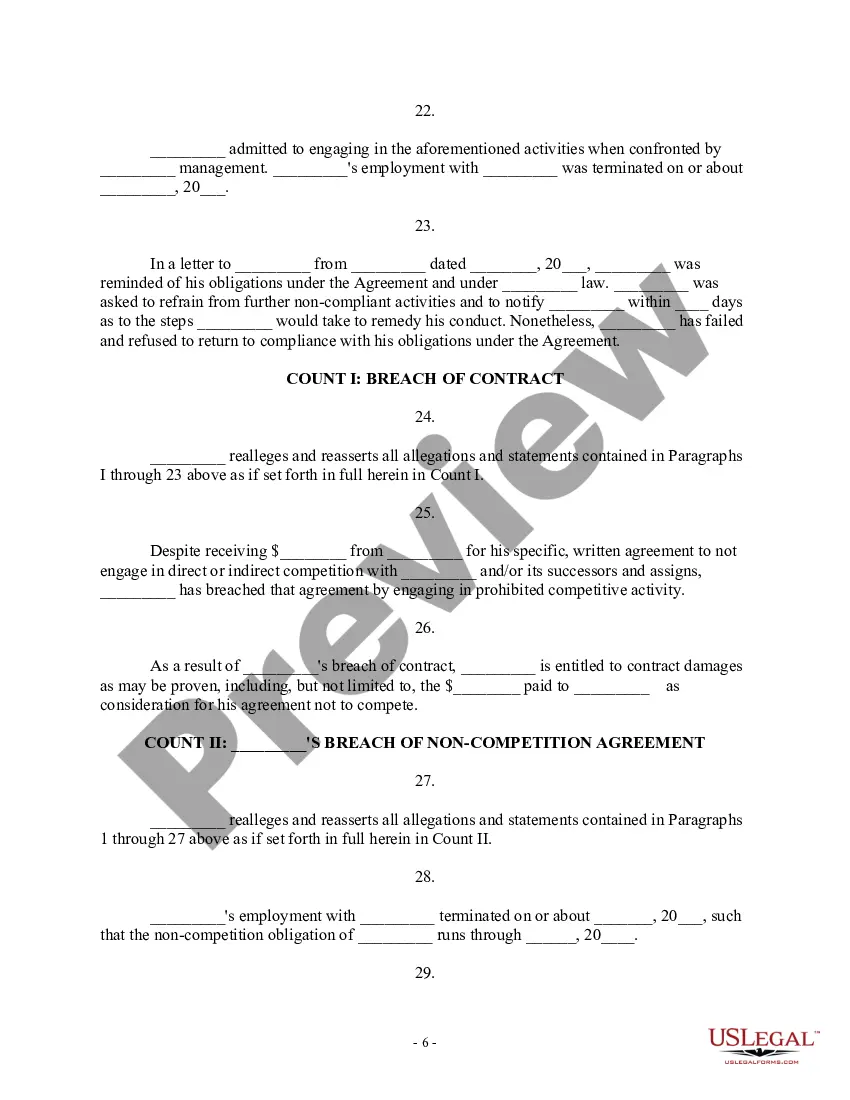
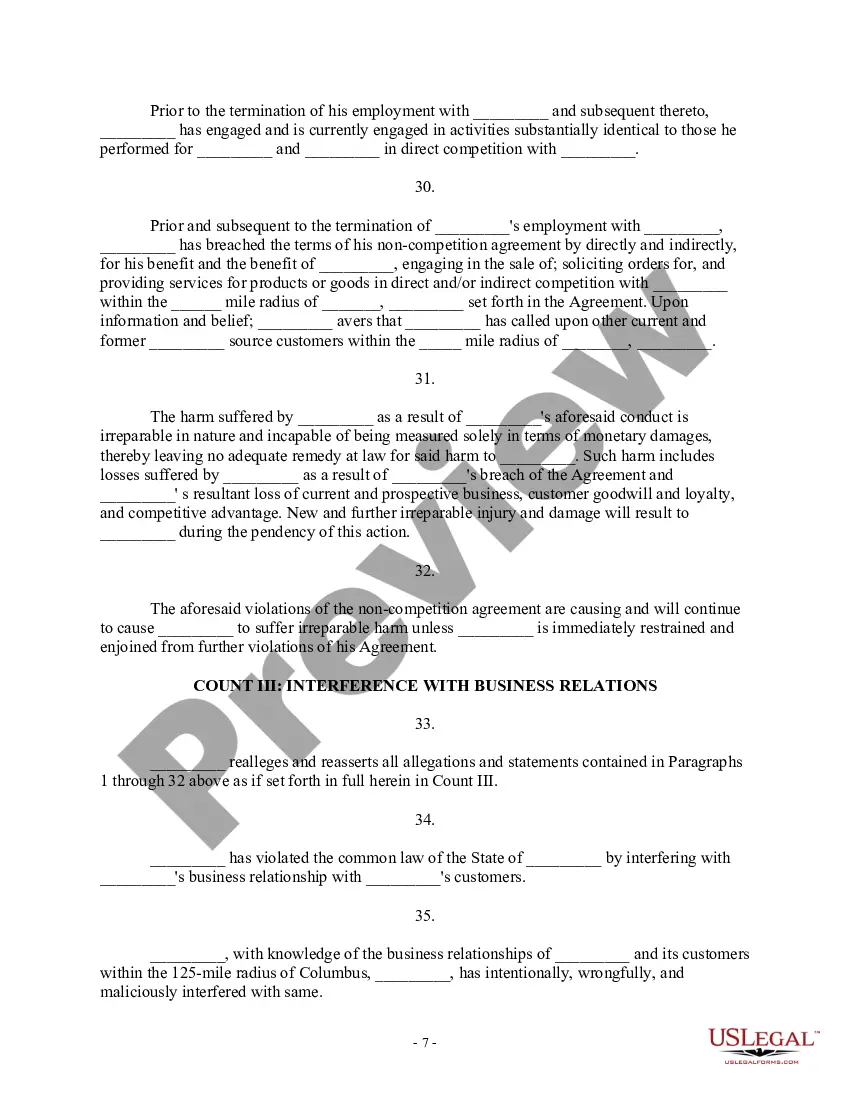
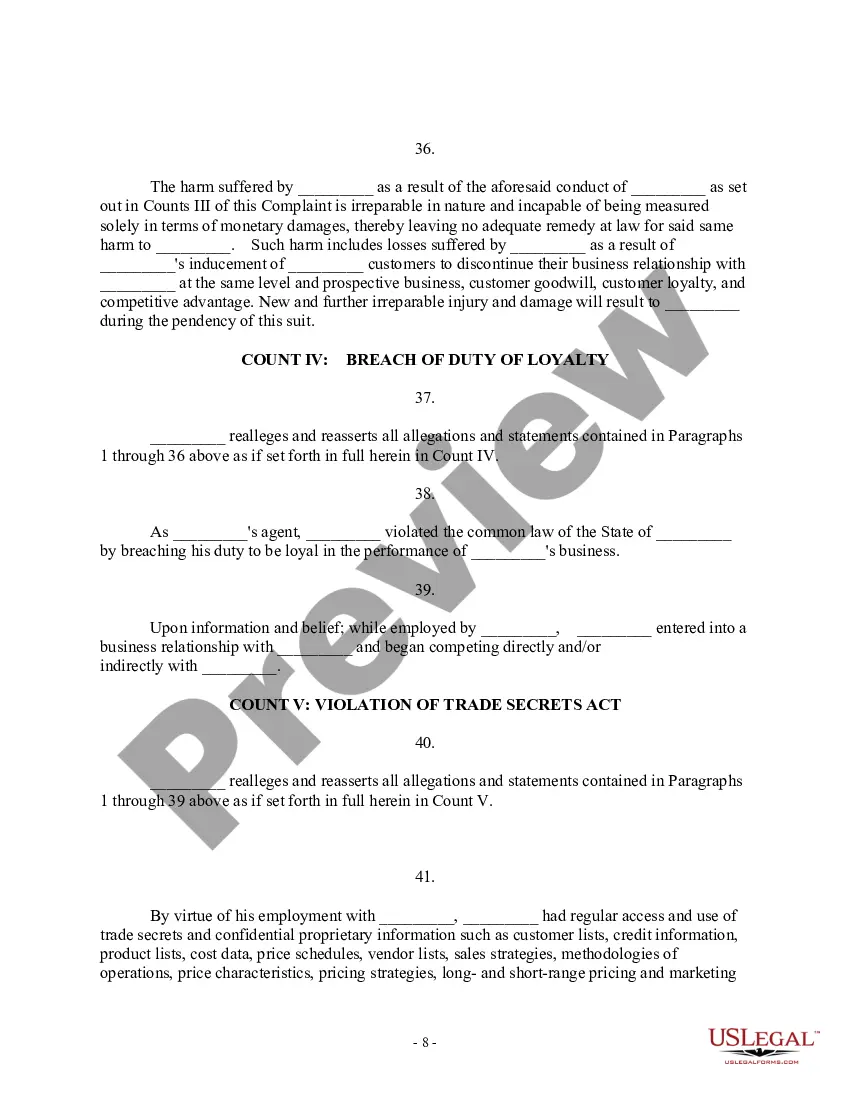
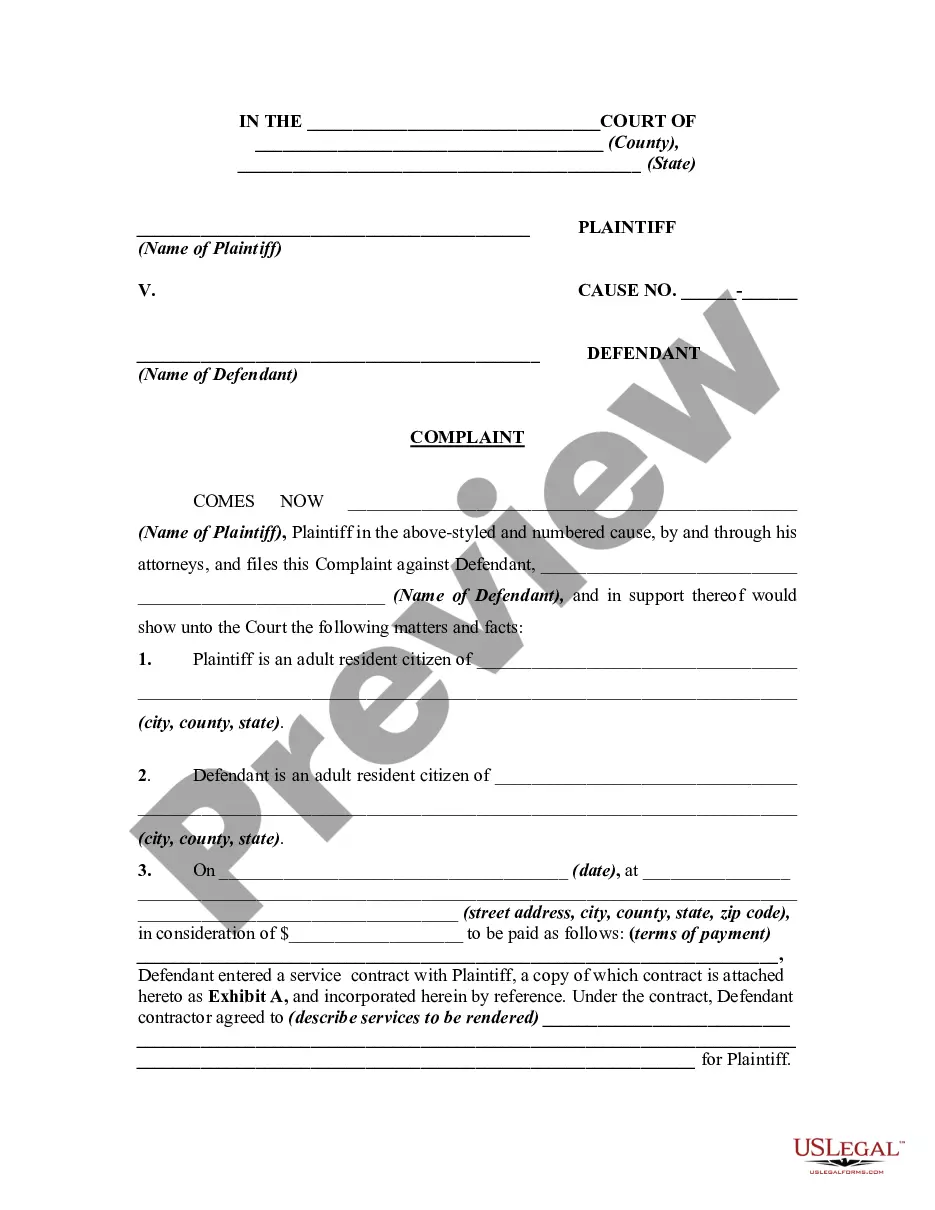
In Washington State, injunctions can be sought in various situations, including: Civil Cases: Injunctions can be issued in civil lawsuits to stop ongoing harm, such as restraining a person from contacting another or preventing a business from engaging in unfair competition.
For instance, if a new company wants to build overtop an old gravesite, the owner of the land could file an injunction against the company. The landowner would be the plaintiff and the company trying to build would be the defendant. An injunction would be appropriate in this case because it prevents irreparable harm.
Injunctions remain widely used to require government officials to comply with the Constitution, and they are also frequently used in private law disputes about intellectual property, real property, and contracts.
Injunctive relief. A court order to stop doing a particular act. Synonyms: Injunction.
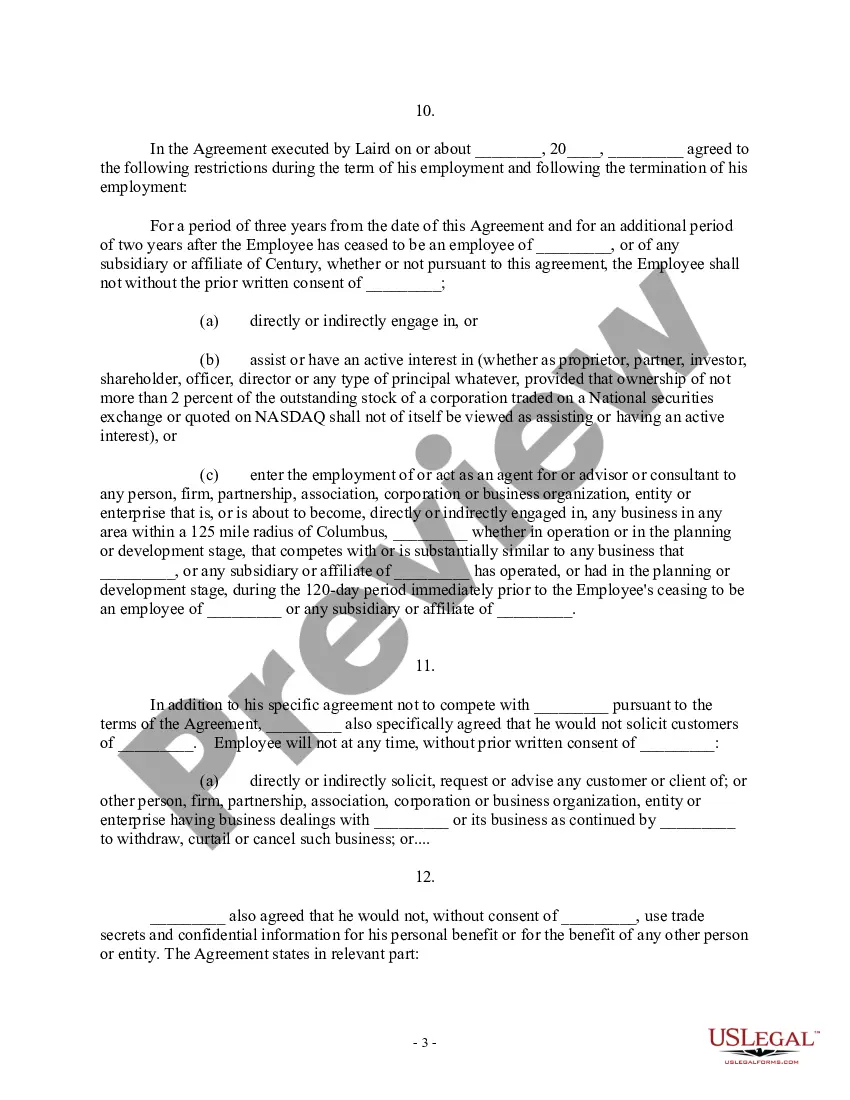
Some examples of cases where parties may seek injunctions include: Theft of clients: Former employees, partners who have left a company, or other parties to business contracts may violate non-compete agreements and attempt to lure clients away from the company.
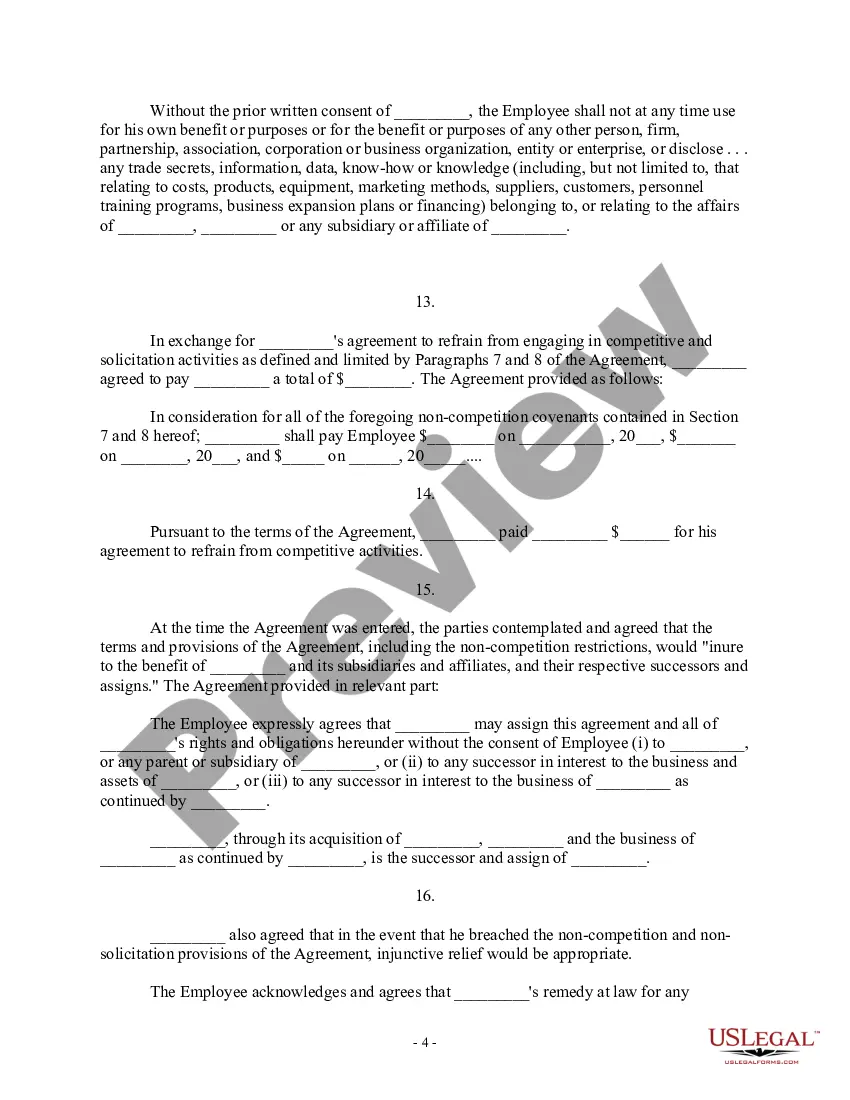
Injunctive relief is a legal remedy that can be awarded by a court to prevent a party from taking certain actions or to require them to take certain actions. It is a form of equitable remedy that is used when monetary damages are not sufficient to remedy a breach of contract.
Generally speaking, there are two kinds of relief available through an injunction: prohibitory and mandatory. A prohibitory injunction is the most common form of injunction, and directs a party to refrain from acting in a certain manner.
Missing deadlines: Failing to deliver products, services, or payments by the agreed-upon date. Non-payment: Not providing compensation for goods or services as outlined in the contract. Poor quality: Delivering work that falls below the standards specified in the agreement.
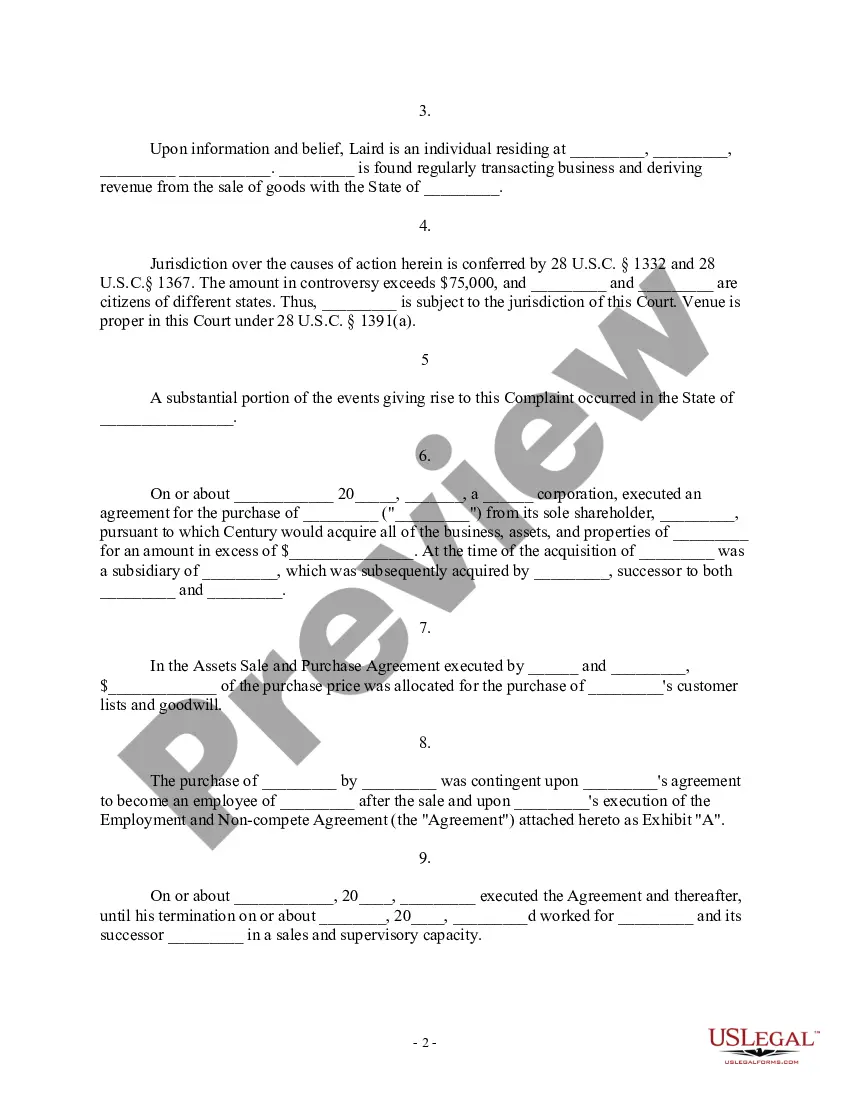
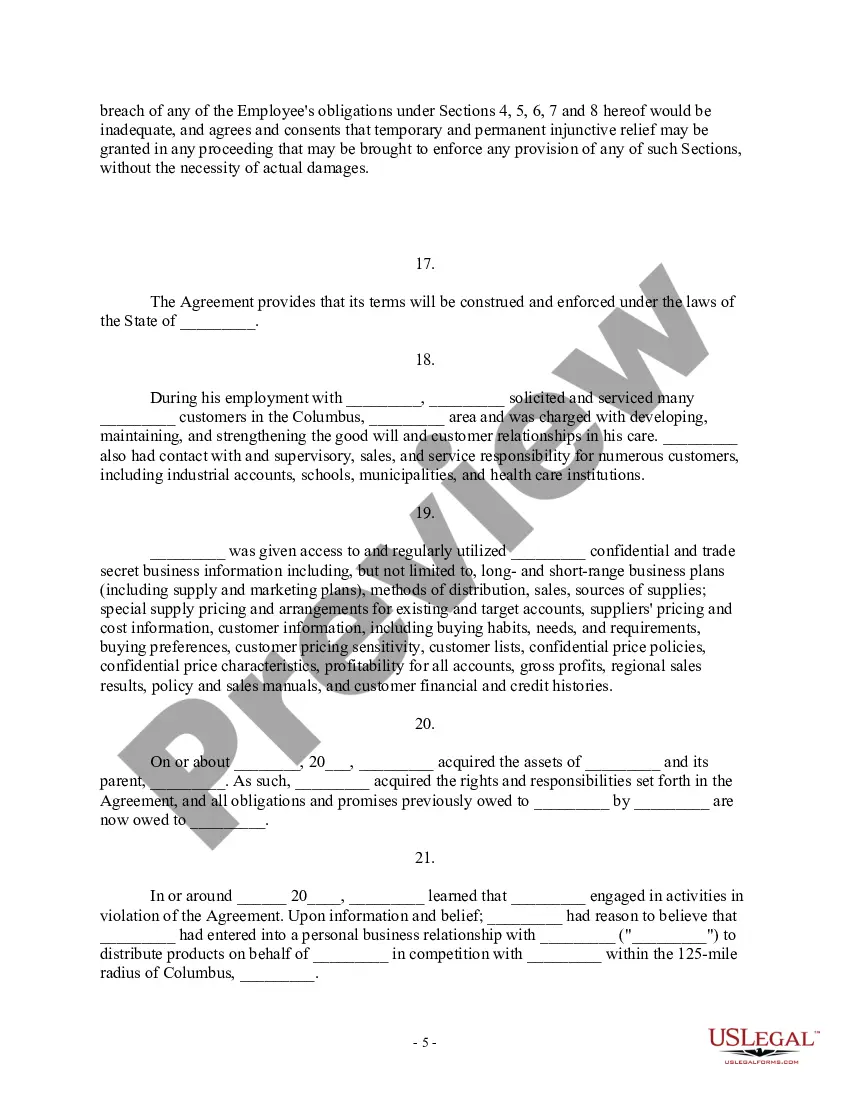
In many cases, a contract will include an injunctive relief clause stating that one or both parties are entitled to relief to prevent them from suffering harm due to a breach of contract.
The party seeking a preliminary injunction must demonstrate that they will suffer irreparable harm if the injunction is not granted. Irreparable harm means that the harm cannot be adequately compensated by monetary damages or any other remedy except an injunction.
