Complaint Relief With Contacts In Wake
Description

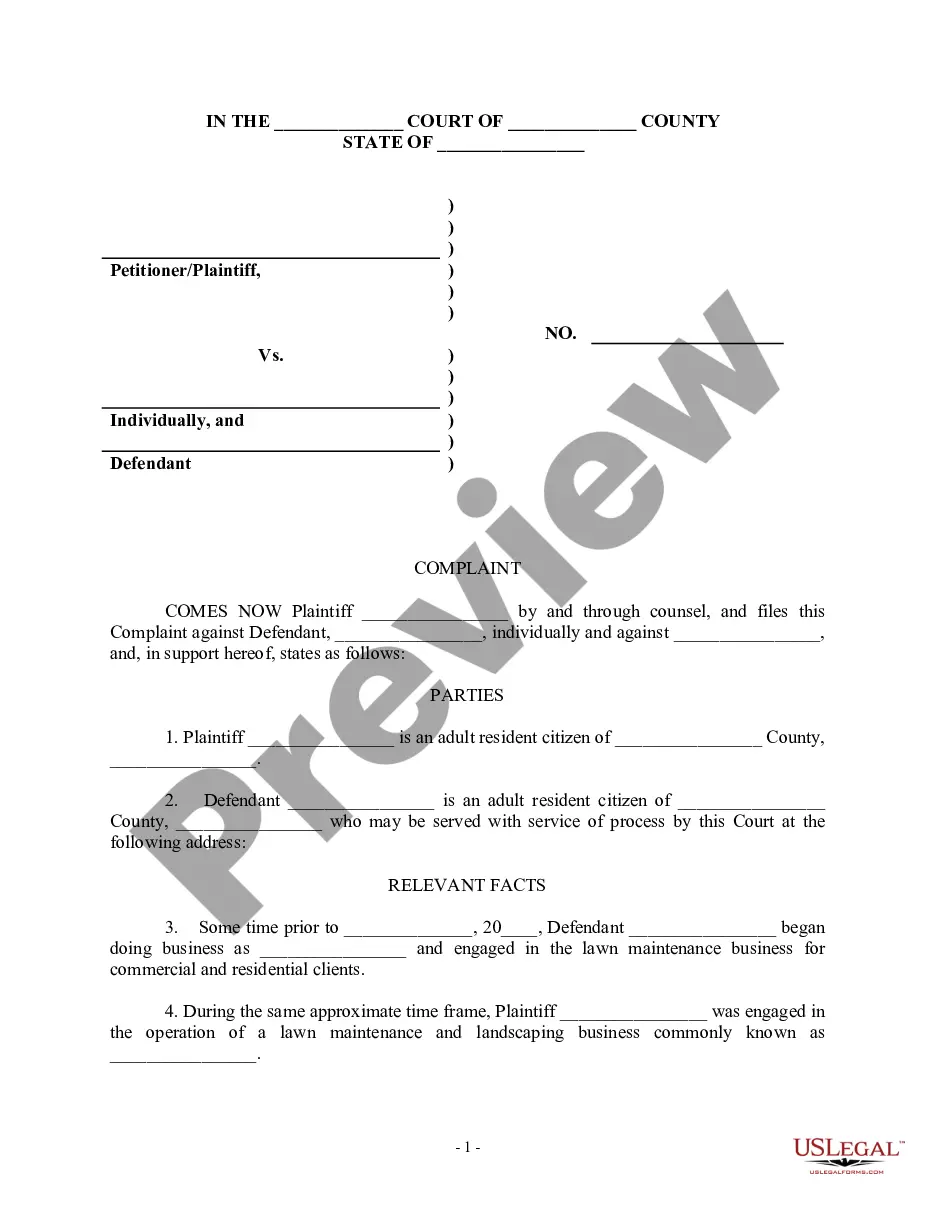
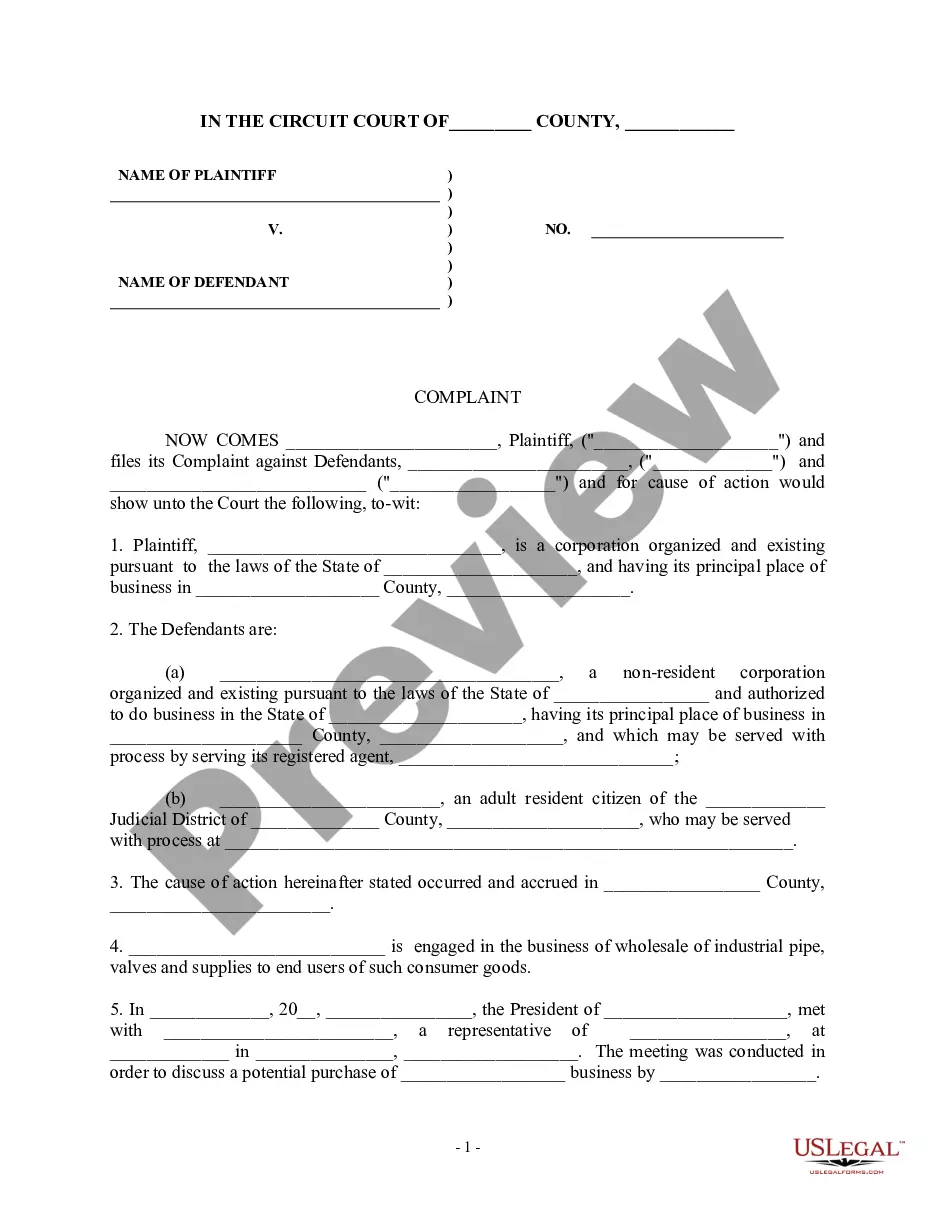

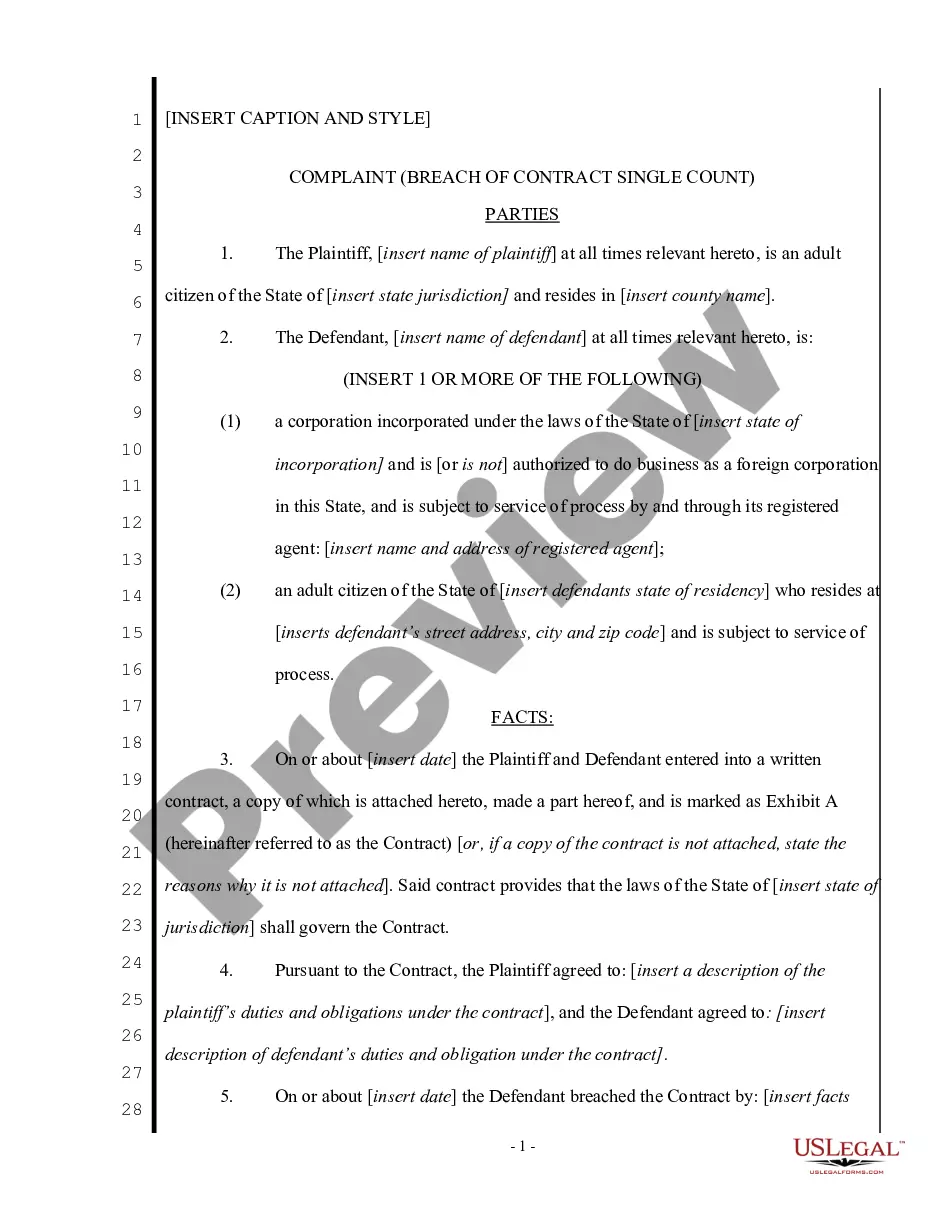
Get your form ready online
Our built-in tools help you complete, sign, share, and store your documents in one place.
Make edits, fill in missing information, and update formatting in US Legal Forms—just like you would in MS Word.
Download a copy, print it, send it by email, or mail it via USPS—whatever works best for your next step.
Sign and collect signatures with our SignNow integration. Send to multiple recipients, set reminders, and more. Go Premium to unlock E-Sign.
If this form requires notarization, complete it online through a secure video call—no need to meet a notary in person or wait for an appointment.
We protect your documents and personal data by following strict security and privacy standards.

Make edits, fill in missing information, and update formatting in US Legal Forms—just like you would in MS Word.

Download a copy, print it, send it by email, or mail it via USPS—whatever works best for your next step.

Sign and collect signatures with our SignNow integration. Send to multiple recipients, set reminders, and more. Go Premium to unlock E-Sign.

If this form requires notarization, complete it online through a secure video call—no need to meet a notary in person or wait for an appointment.

We protect your documents and personal data by following strict security and privacy standards.
Looking for another form?










Form popularity
FAQ
Although we are all probably guilty of taking a short nap in our contact lenses it is still strongly advised against. While it's true that wearing contacts during a short nap is less of a risk than a full sleep cycle, that doesn't mean there's no risk at all.
Many bacteria and microorganisms come into contact with our eyes. Wearing your contacts while you sleep or for extended periods of time can trap these bacteria in your eyes and lead to various infections.
Among eye doctors and technicians, sleeping in contact lenses and caring for them improperly is actually called “contact lens abuse.” And it turns out eye professionals can usually tell if you're an abuser, no matter what you say at your eye exam, because your cornea (the outermost surface of your eye) will actually ...
After sleeping in contact lenses, it's crucial to let your eyes breathe and rehydrate. This can be achieved by blinking, applying rewetting drops, and letting your eyes breathe. Rest your eyes. After removing contact lenses, avoid wearing them for 24 hours to recover from redness, dryness, and irritation.
Although we are all probably guilty of taking a short nap in our contact lenses it is still strongly advised against. While it's true that wearing contacts during a short nap is less of a risk than a full sleep cycle, that doesn't mean there's no risk at all.
Sleeping with your contacts in can also heighten your risk for corneal ulcers. These are when an open sore forms on your cornea. This painful condition can cause significant vision impairment or even permanent vision loss if not treated quickly and appropriately.
Is there any difference if you sleep for a short or long nap? Your contact lenses can dry up in your eye if you're asleep for a long time (1 hour or more), which can cause discomfort or even scratch your eye when you open them (not fun!).
The Centers for Disease Control and Prevention (CDC) warns that sleeping with your contacts in makes you six to eight times more likely to suffer from a corneal infection. Infections in the eye can be uncomfortable, and they can also cause permanent vision loss.
If the eyes are starved of oxygen for too long, such as overnight, they can become dry. Dry contacts can result in cloudy or blurred vision. AOA warns that long-term contact use can be a risk factor for dry eyes. An injury to the cornea can cause cloudy or foggy vision.
If you happen to sleep with your contacts overnight, here are the steps you should take. Allow your eyes to breathe and rehydrate. After sleeping in contact lenses, it's crucial to let your eyes breathe and rehydrate. This can be achieved by blinking, applying rewetting drops, and letting your eyes breathe.
