Injunctive Relief Agreement For Damages In Travis
Description

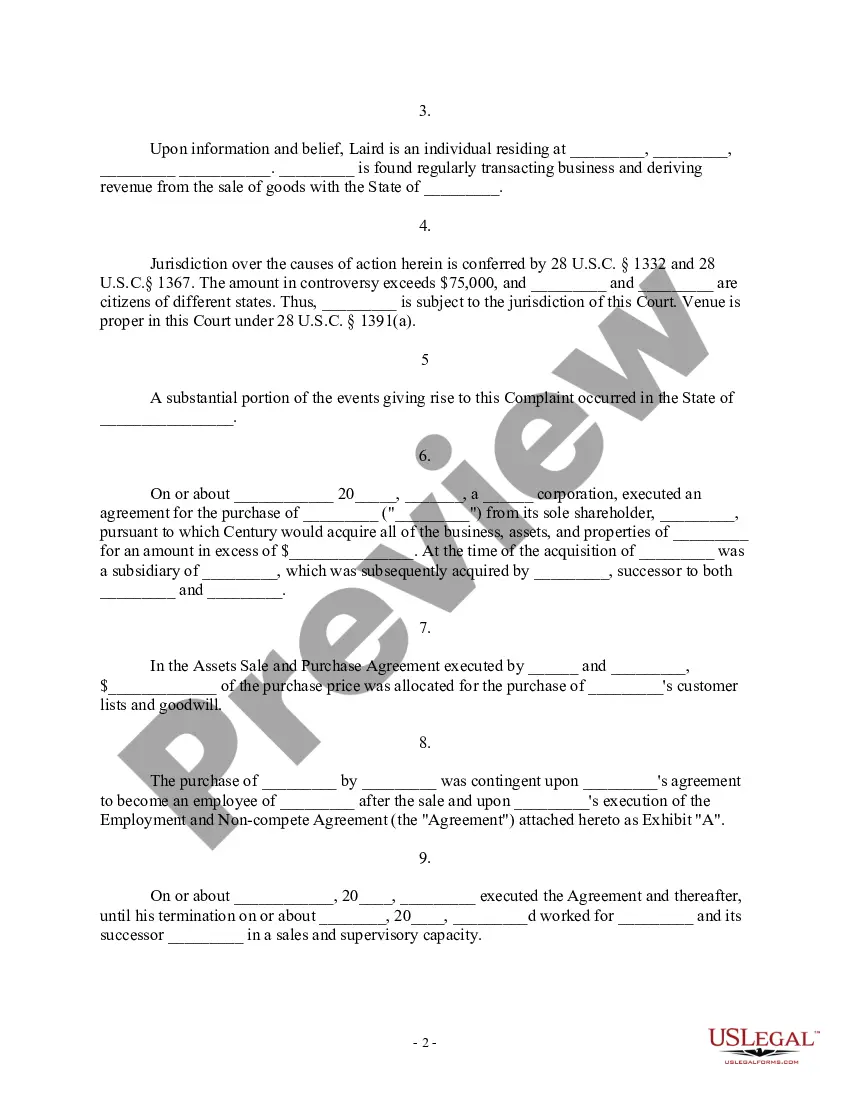
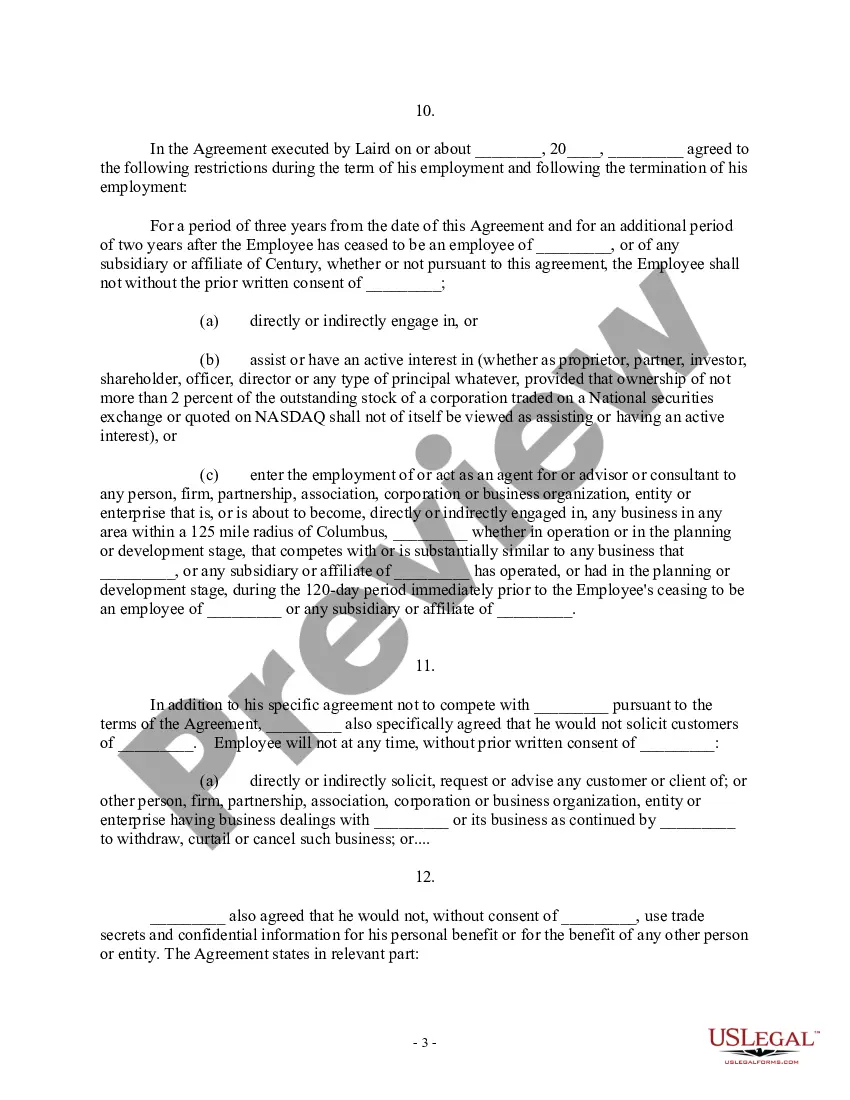
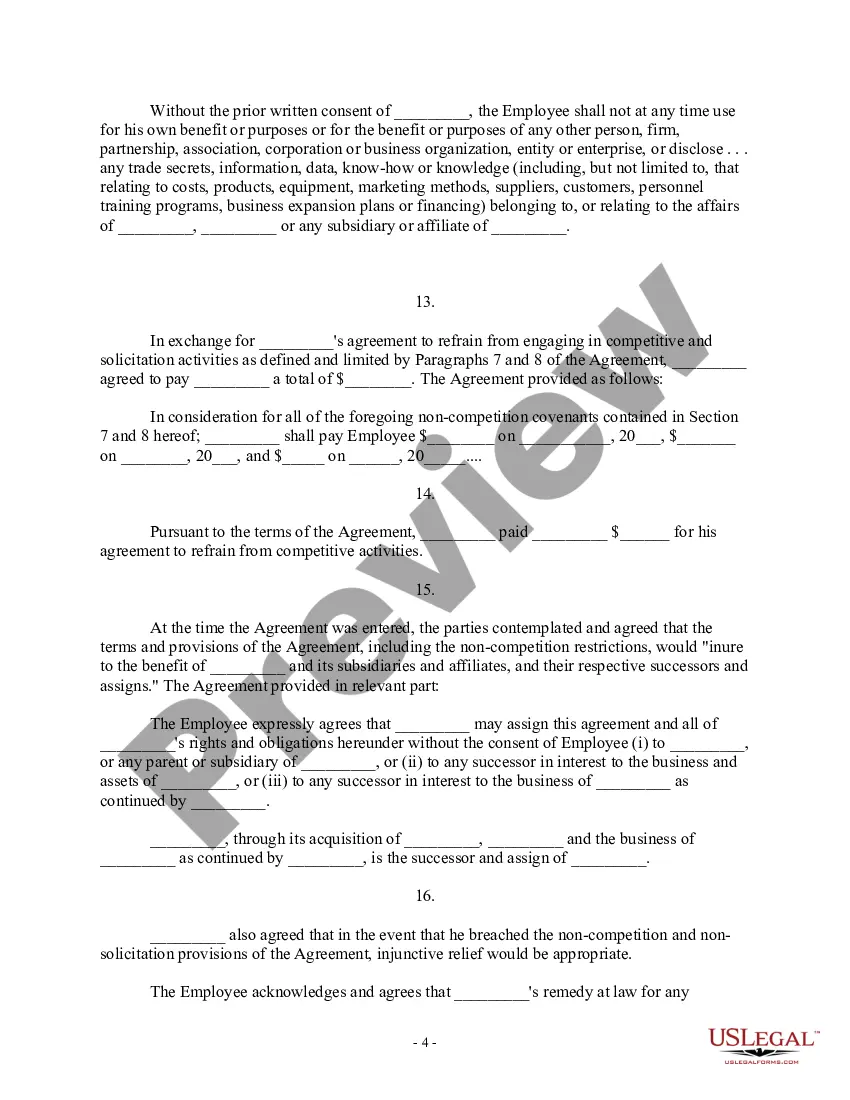
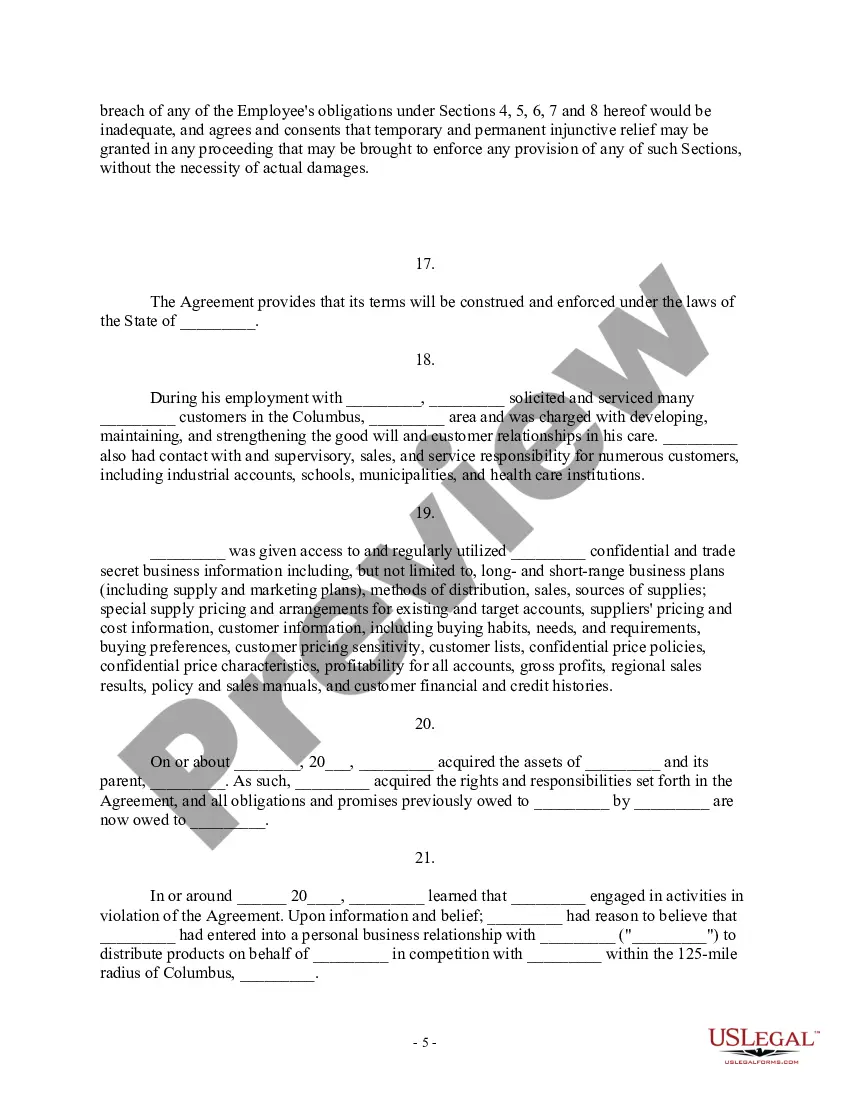
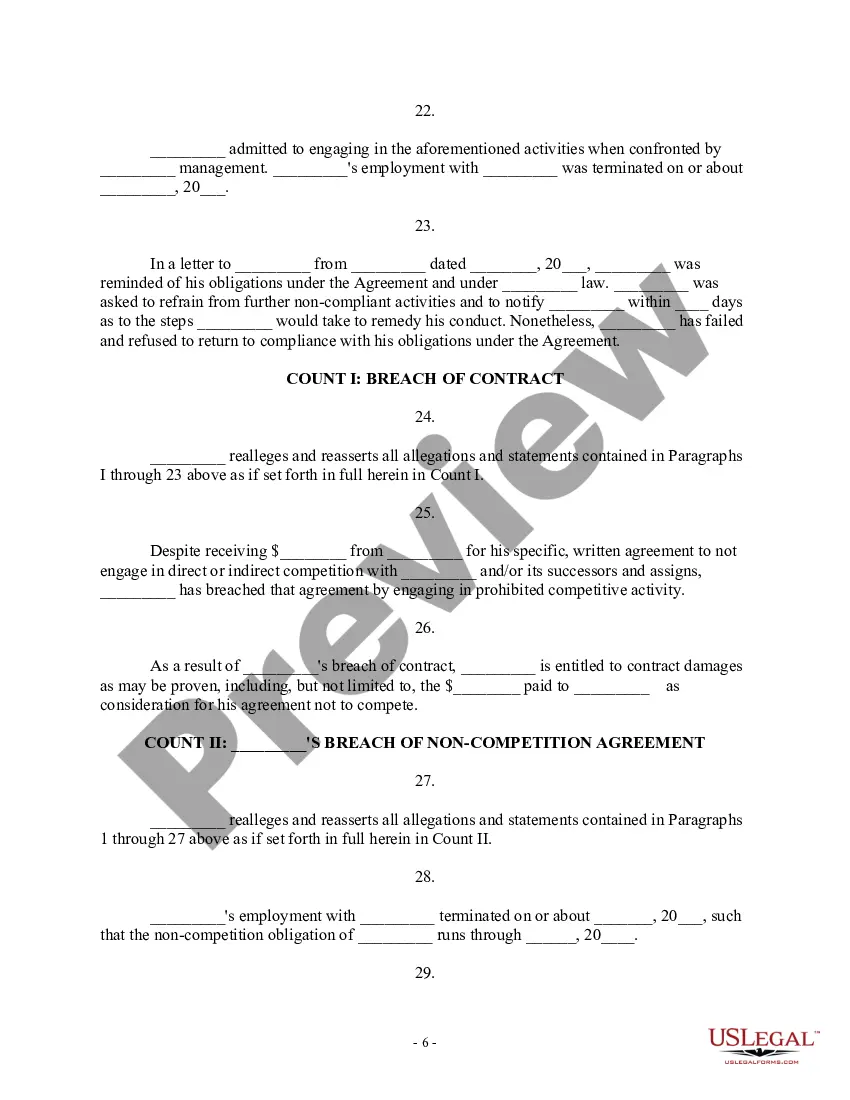
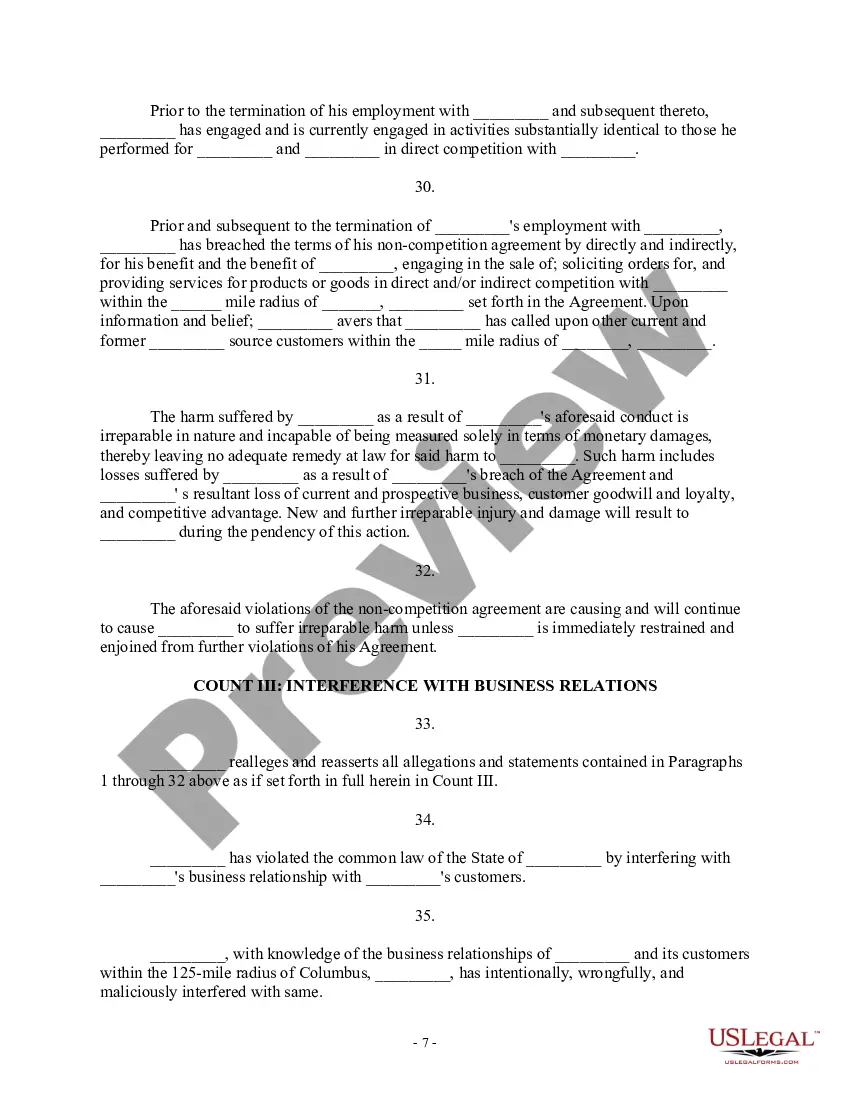
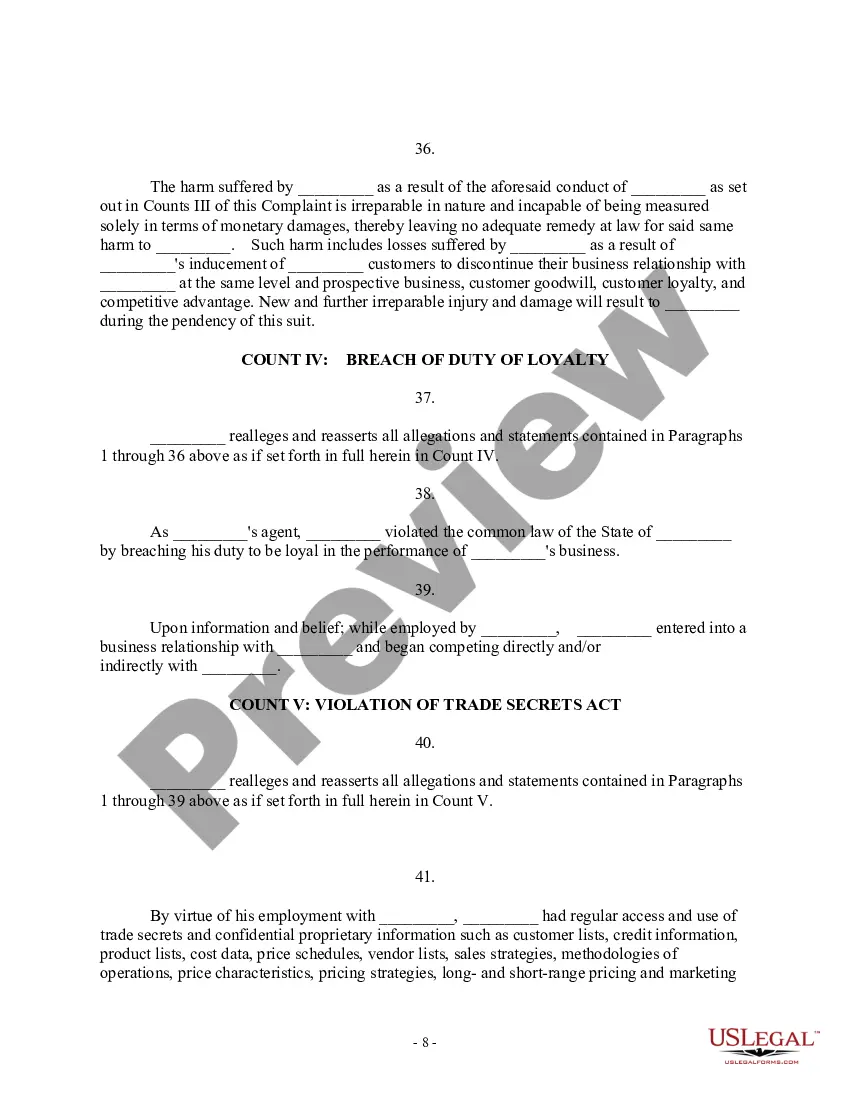
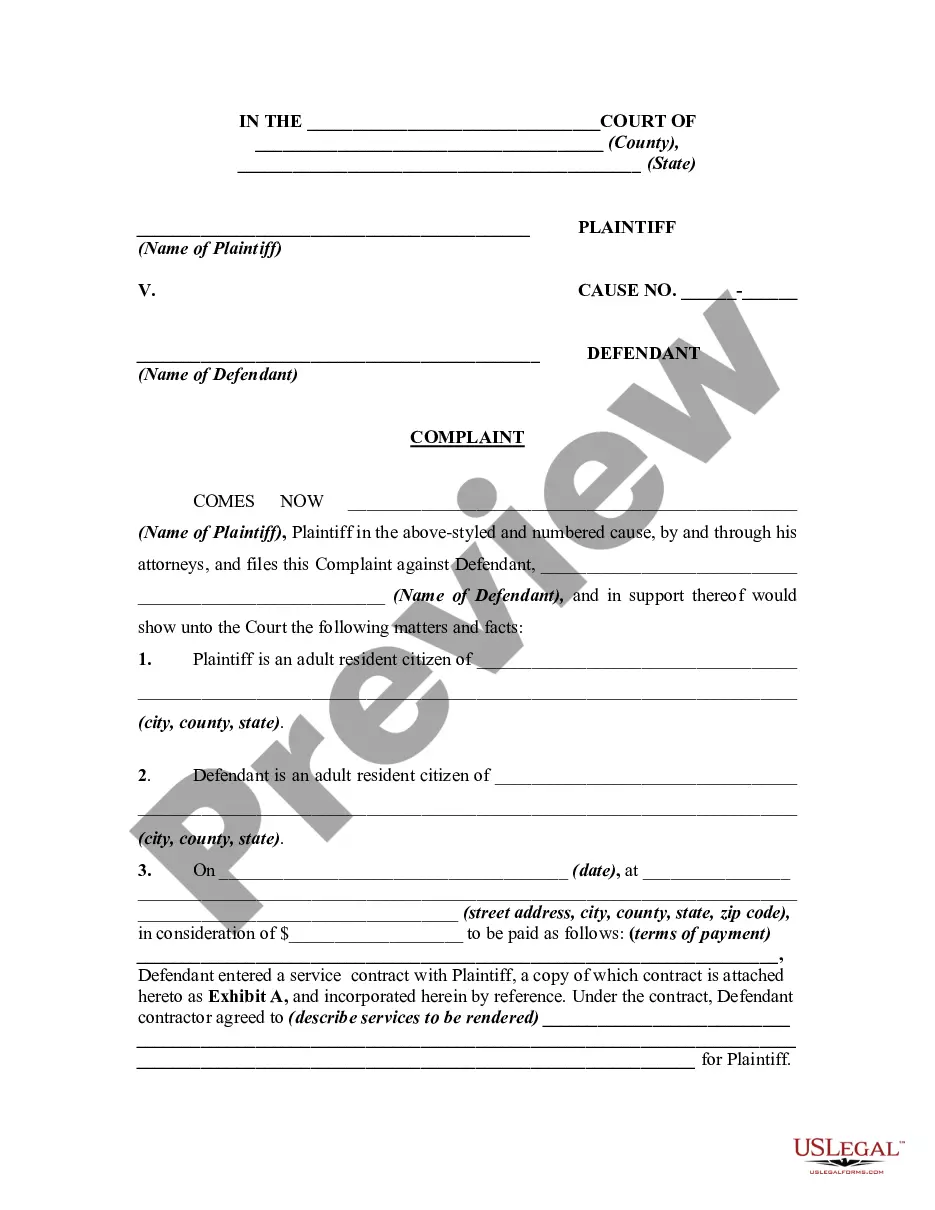

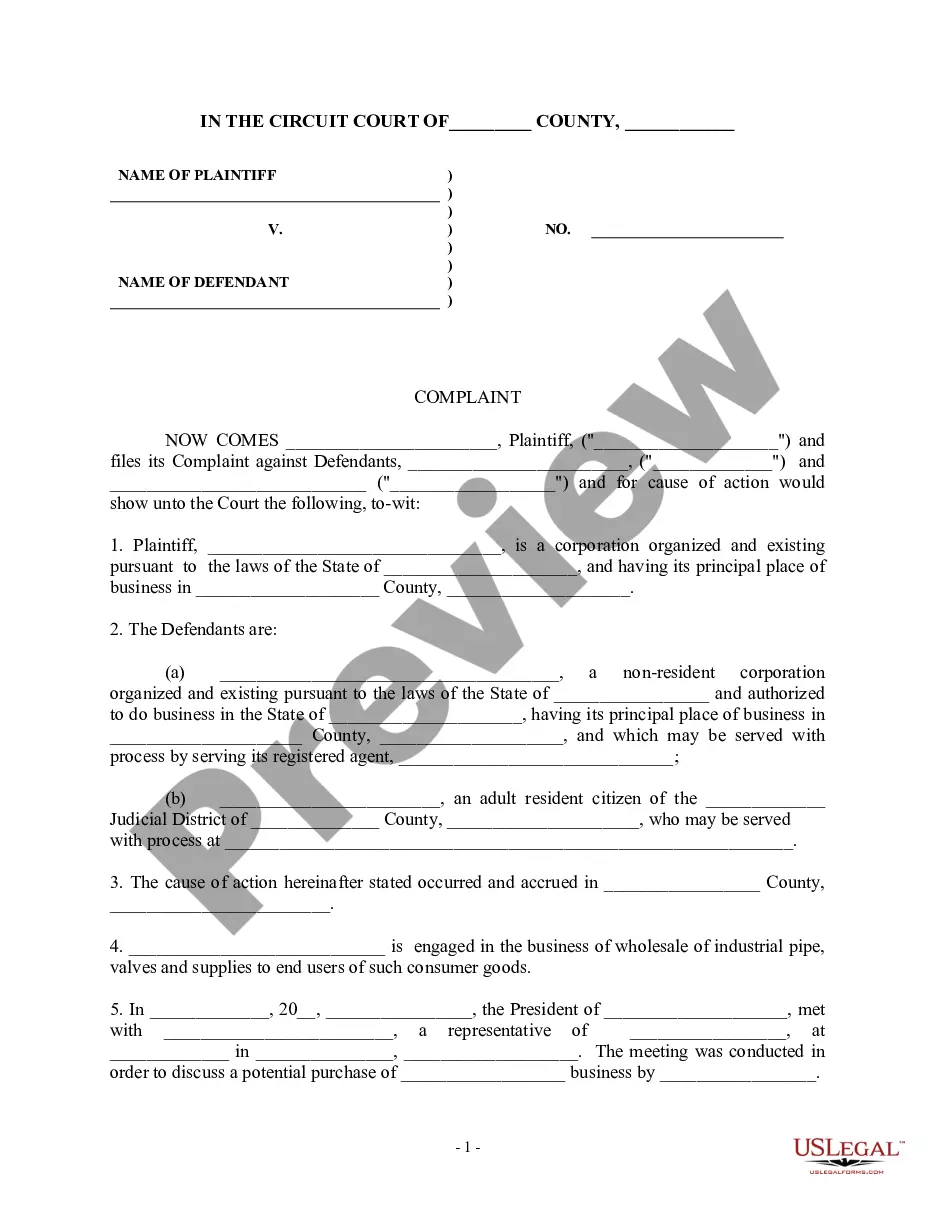

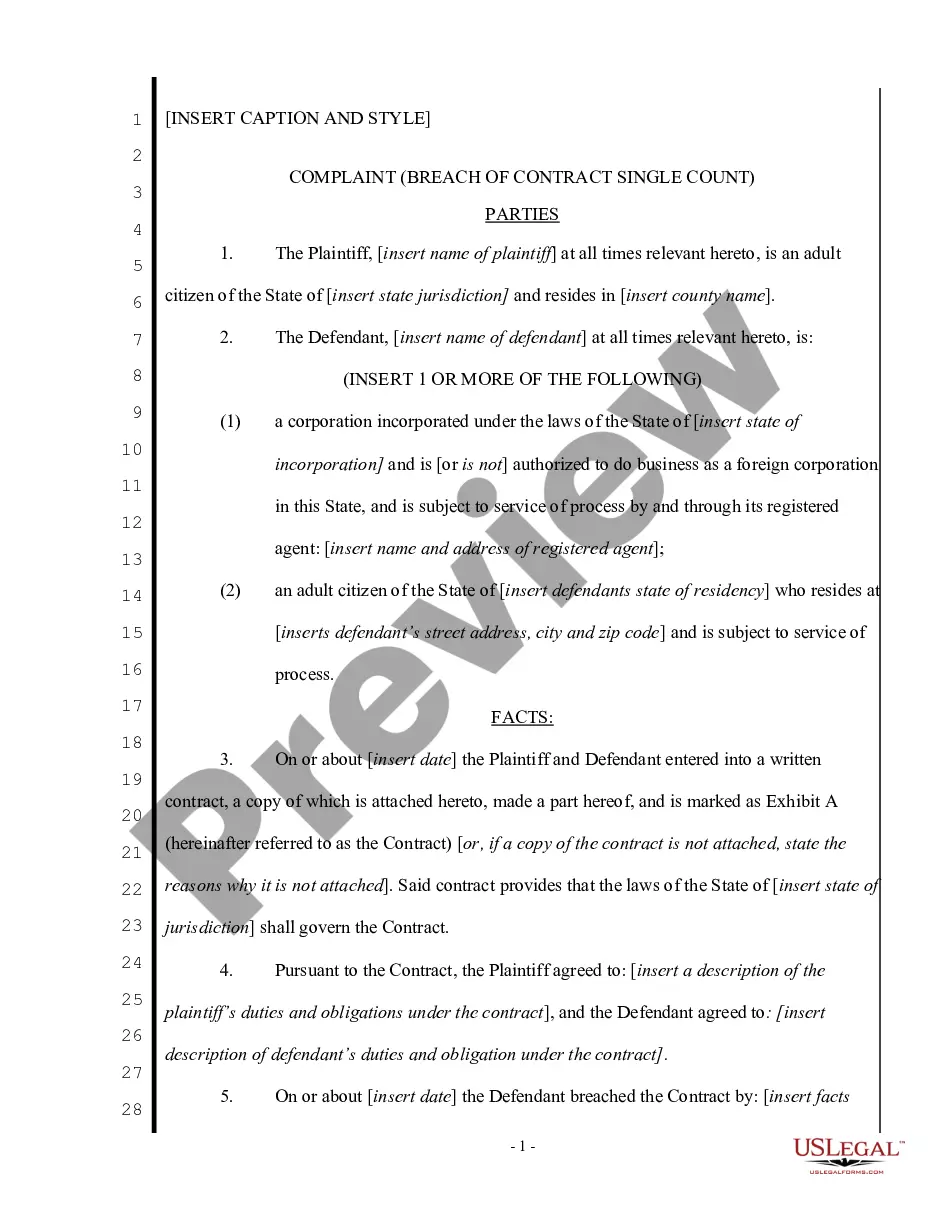
Get your form ready online
Our built-in tools help you complete, sign, share, and store your documents in one place.
Make edits, fill in missing information, and update formatting in US Legal Forms—just like you would in MS Word.
Download a copy, print it, send it by email, or mail it via USPS—whatever works best for your next step.
Sign and collect signatures with our SignNow integration. Send to multiple recipients, set reminders, and more. Go Premium to unlock E-Sign.
If this form requires notarization, complete it online through a secure video call—no need to meet a notary in person or wait for an appointment.
We protect your documents and personal data by following strict security and privacy standards.

Make edits, fill in missing information, and update formatting in US Legal Forms—just like you would in MS Word.

Download a copy, print it, send it by email, or mail it via USPS—whatever works best for your next step.

Sign and collect signatures with our SignNow integration. Send to multiple recipients, set reminders, and more. Go Premium to unlock E-Sign.

If this form requires notarization, complete it online through a secure video call—no need to meet a notary in person or wait for an appointment.

We protect your documents and personal data by following strict security and privacy standards.
Looking for another form?
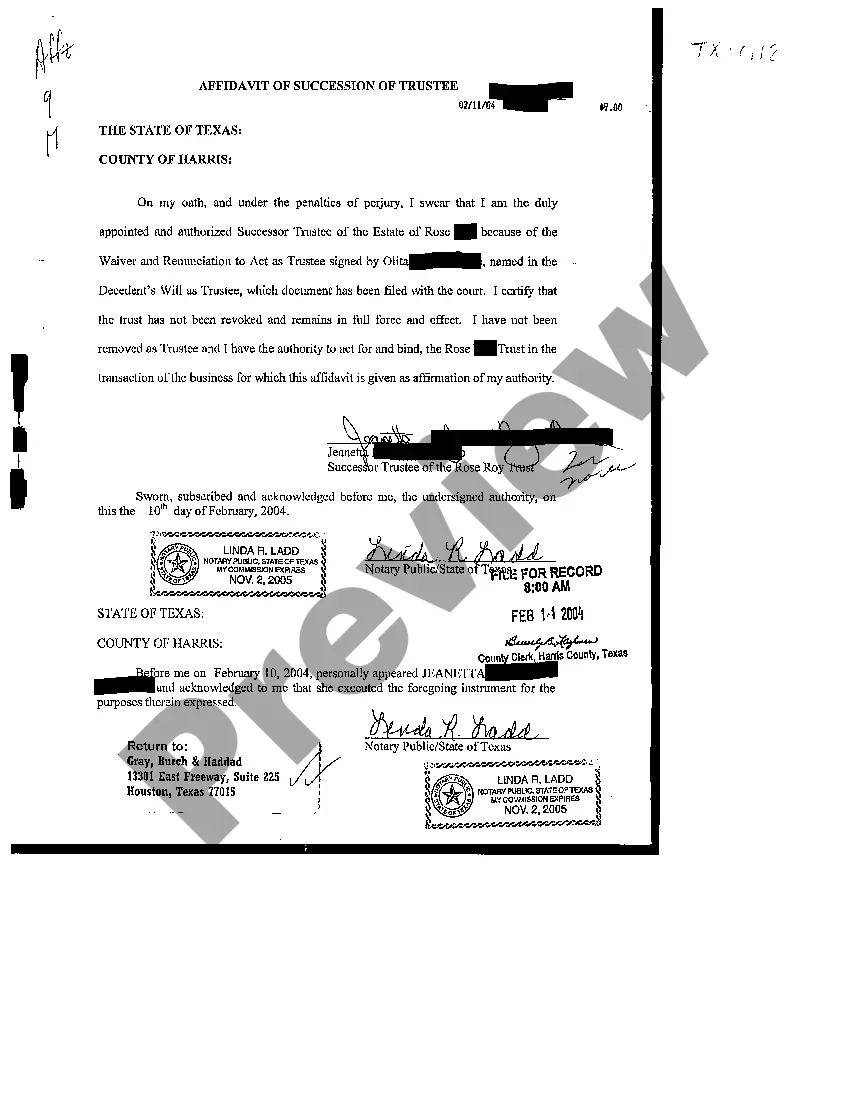




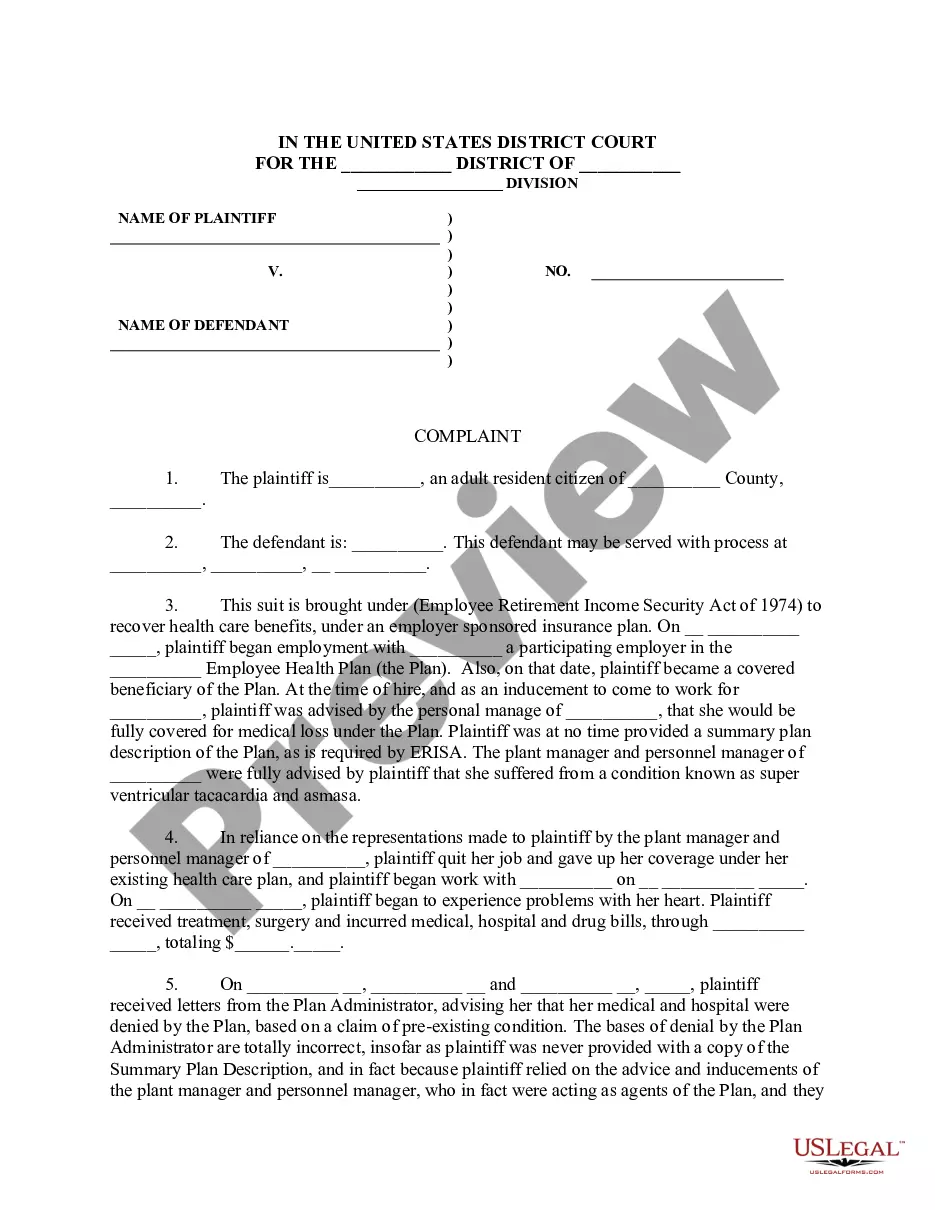



Form popularity
FAQ
To be entitled to a temporary injunction, the applicant must plead a cause of action and show a probable right to recover on that cause of action and a probable, imminent, and irreparable injury in the interim. “Imminent” means that the injury is relatively certain to occur rather than being remote and speculative.
To obtain a temporary injunction, the applicant must plead and prove three specific elements: (1) a cause of action against the defendant; (2) a probable right to the relief sought; and (3) a probable, imminent, and irreparable injury in the interim.
Steps to Obtain a TRO Show Cause: The petitioner must demonstrate why no other remedy is available to prevent the harm. Court Decision: The court will evaluate the urgency of the matter and decide whether to issue a TRO. It is usually granted within 72 hours if the court is convinced of the urgency.
In summary, an injunctive relief clause provides for urgent judicial enforcement of vital obligations that cannot await standard remedies or compensation without potentially irreparable harm.
Temporary Restraining Order The judge decides whether to grant the TRO based on the information presented in the accuser's application. The accuser must include information that convinces the judge they are in immediate danger of abuse, assault, or physical harm.
Adequacy of Damages This question is first considered from the Claimant's point of view. It is commonly found in business protection cases that damages will not be an adequate remedy. Firstly it is often impossible or extremely difficult to quantify loss in such cases.
Circumstances When a Temporary Injunction May Not Be Granted: Absence of Prima Facie Case: Order 39 Rule 1 of the Code of Civil Procedure (CPC): ing to this rule, a temporary injunction may not be granted if the applicant fails to establish a prima facie case.
It may be argued that injunctions justify some caution because, for example, they are more drastic and intrusive than damages which merely impinge upon the defendant's purse and not directly upon otherwise very desirable activities, the encouragement of which is for the greater public good.
The party asking for an injunctive relief must prove three things: 1) that there is a cause of action against the defendant; 2) that the party seeking the injunction has a right to the property in question; and 3) that the objects in question are in danger of “probable, imminent, and irreparable injury.” In the Strube ...
Injunctive relief is a legal remedy that can be awarded by a court to prevent a party from taking certain actions or to require them to take certain actions. It is a form of equitable remedy that is used when monetary damages are not sufficient to remedy a breach of contract.
