Injunctive Relief For Trademark In Texas
Description

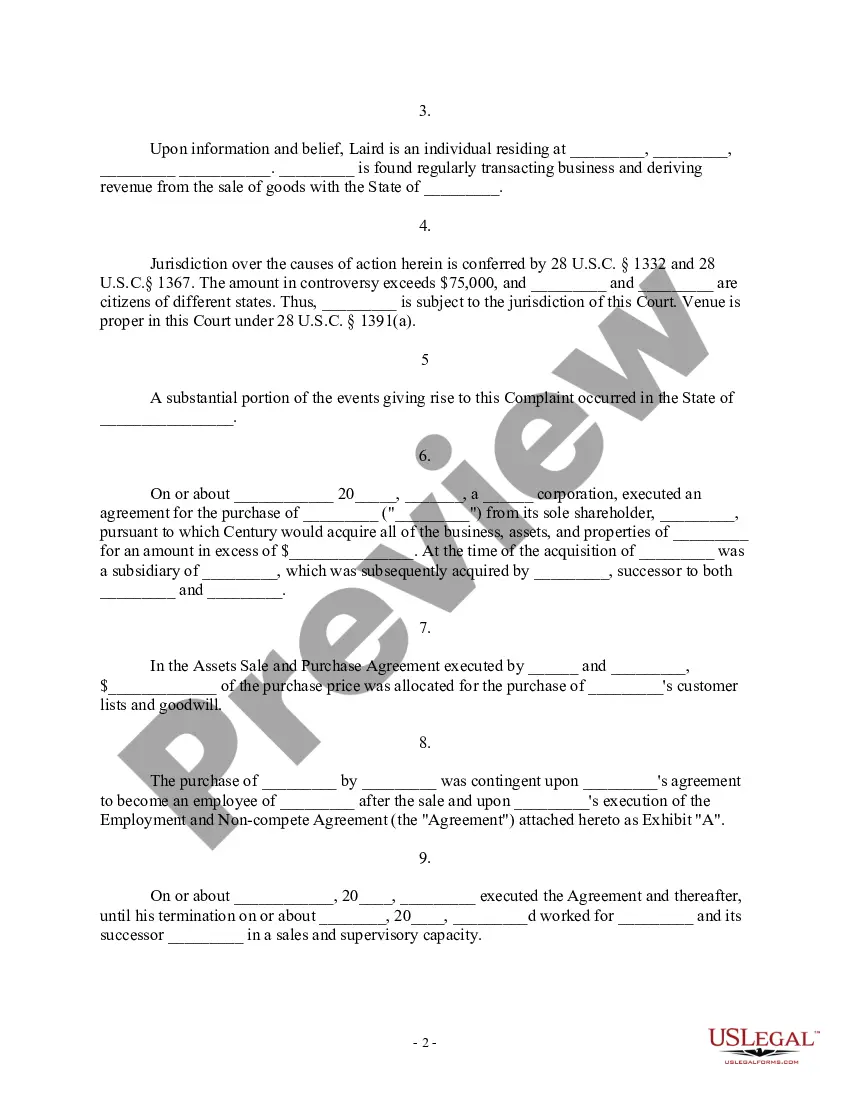
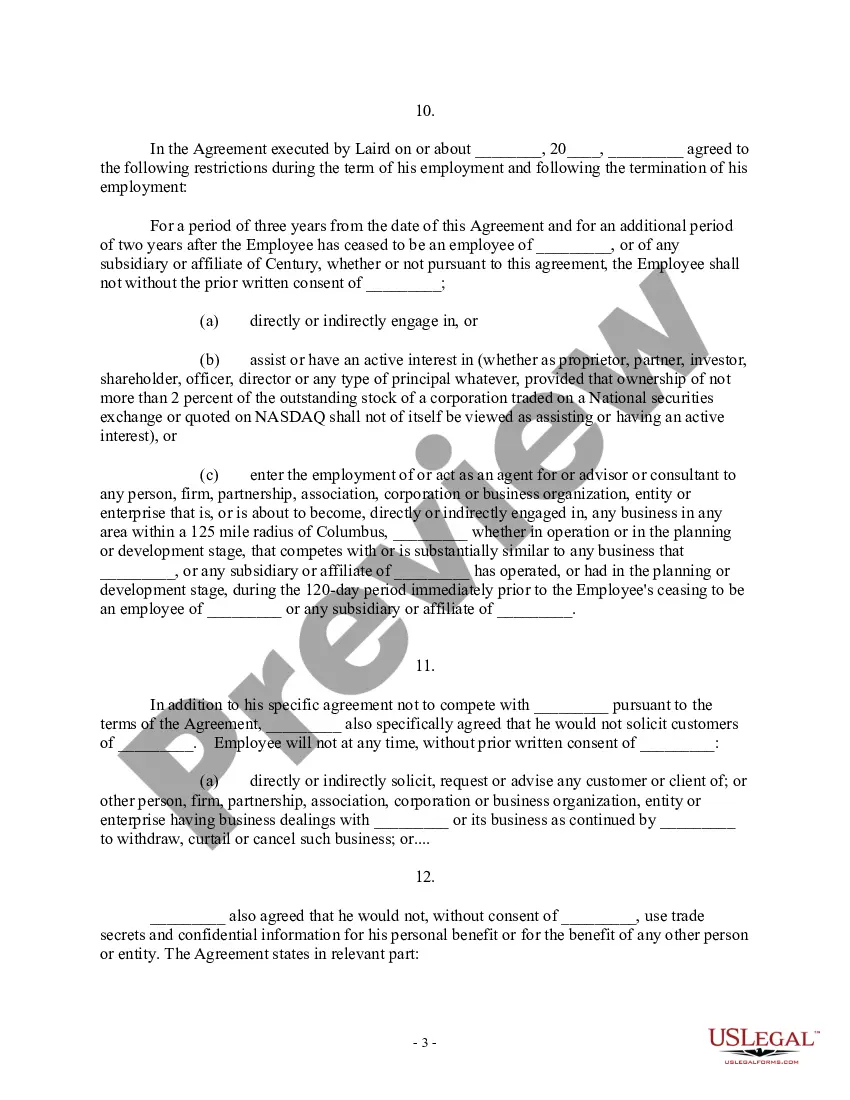
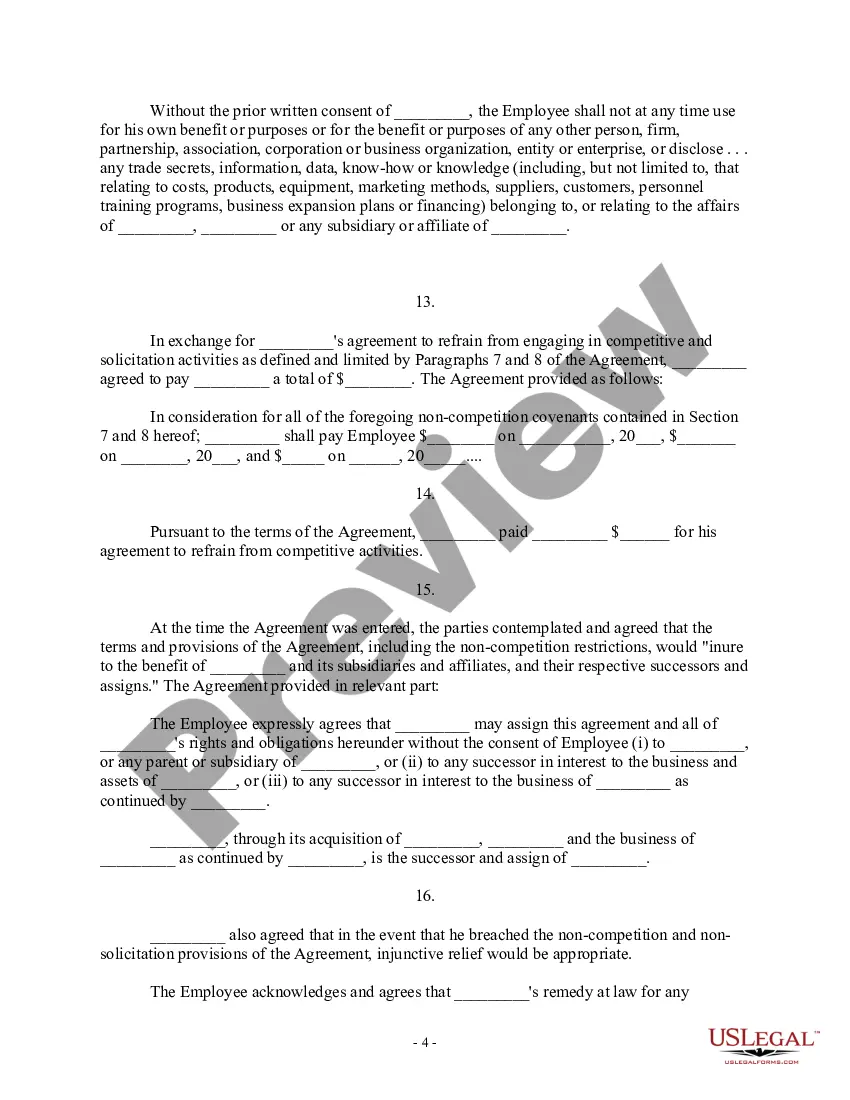
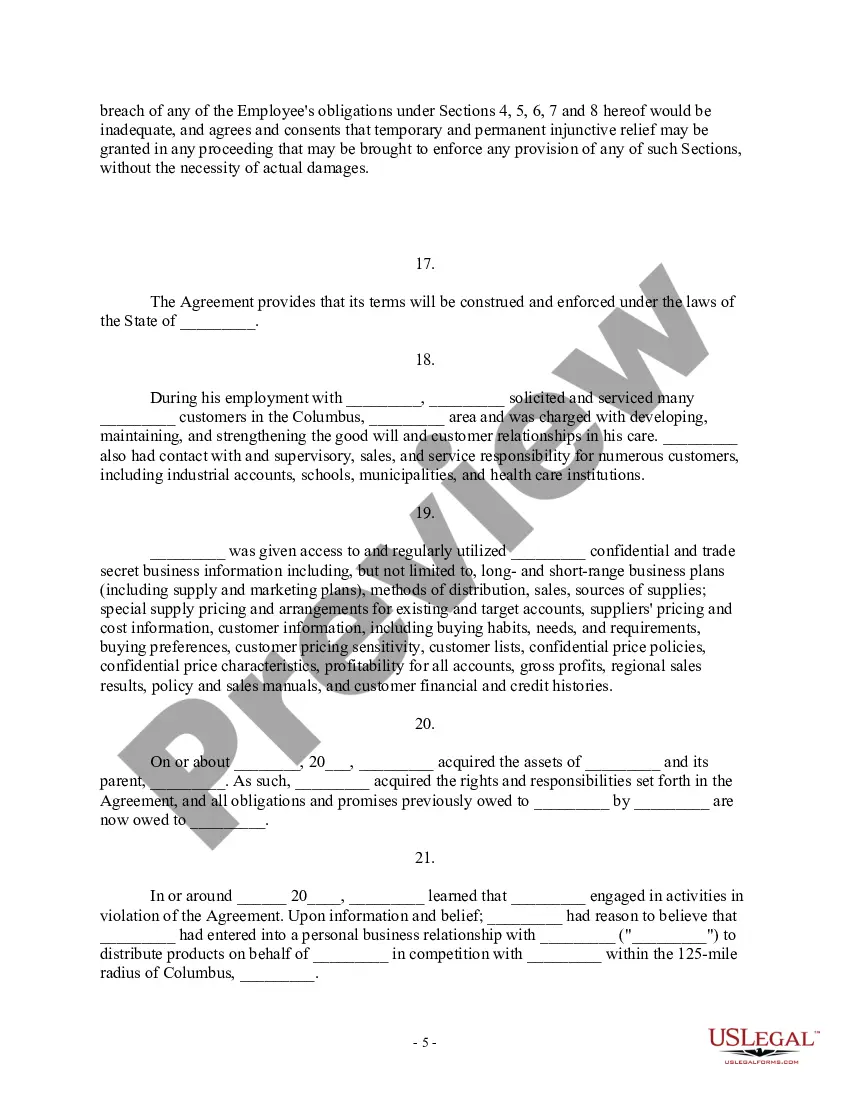




Get your form ready online
Our built-in tools help you complete, sign, share, and store your documents in one place.
Make edits, fill in missing information, and update formatting in US Legal Forms—just like you would in MS Word.
Download a copy, print it, send it by email, or mail it via USPS—whatever works best for your next step.
Sign and collect signatures with our SignNow integration. Send to multiple recipients, set reminders, and more. Go Premium to unlock E-Sign.
If this form requires notarization, complete it online through a secure video call—no need to meet a notary in person or wait for an appointment.
We protect your documents and personal data by following strict security and privacy standards.

Make edits, fill in missing information, and update formatting in US Legal Forms—just like you would in MS Word.

Download a copy, print it, send it by email, or mail it via USPS—whatever works best for your next step.

Sign and collect signatures with our SignNow integration. Send to multiple recipients, set reminders, and more. Go Premium to unlock E-Sign.

If this form requires notarization, complete it online through a secure video call—no need to meet a notary in person or wait for an appointment.

We protect your documents and personal data by following strict security and privacy standards.
Looking for another form?









Form popularity
FAQ
An injunction or temporary restraining order is an order from the court prohibiting a party from performing or ordering a specified act, either temporarily or permanently.
The party seeking a preliminary injunctive relief must demonstrate: (1) irreparable injury in the absence of such an order; (2) that the threatened injury to the moving party outweighs the harm to the opposing party resulting from the order; (3) that the injunction is not adverse to public interest; and (4) that the ...
The most common remedy for trademark infringement is injunctive relief. Injunctions are court orders commanding that the infringer immediately cease its unlawful activities. Injunctions address future conduct rather than past actions.
Natural Resources Defense Council, Inc., 555 U.S. 7 (2008), is applicable to all other litigants seeking preliminary injunctions, and requires that a party seeking a preliminary injunction must establish: (1) it is likely to succeed on the merits, (2) it is likely to suffer irreparable harm in the absence of ...
What Is an Example of Injunctive Relief? Theft of Clients: If a former employee poaches a company's clients, the innocent party may try to stop the former client from causing further damage. Breach of Contract: Injunctive relief is an effective way to stop an offending party from continuing to breach a contract.
There are four main trademark infringement defenses that may be available for a defendant against a claim of trademark infringement: Doctrine of laches; Estoppel; Unclean hands; and. Fair use doctrine or collateral use doctrine.
The party asking for an injunctive relief must prove three things: 1) that there is a cause of action against the defendant; 2) that the party seeking the injunction has a right to the property in question; and 3) that the objects in question are in danger of “probable, imminent, and irreparable injury.” In the Strube ...
To support a trademark infringement claim in court, a plaintiff must prove that it owns a valid mark, that it has priority (its rights in the mark(s) are "senior" to the defendant's), and that the defendant's mark is likely to cause confusion in the minds of consumers about the source or sponsorship of the goods or ...
Generally speaking, there are two kinds of relief available through an injunction: prohibitory and mandatory.
The party seeking a preliminary injunctive relief must demonstrate: (1) irreparable injury in the absence of such an order; (2) that the threatened injury to the moving party outweighs the harm to the opposing party resulting from the order; (3) that the injunction is not adverse to public interest; and (4) that the ...
