Injunctive Relief Agreement For Copyright Infringement In Suffolk
Description


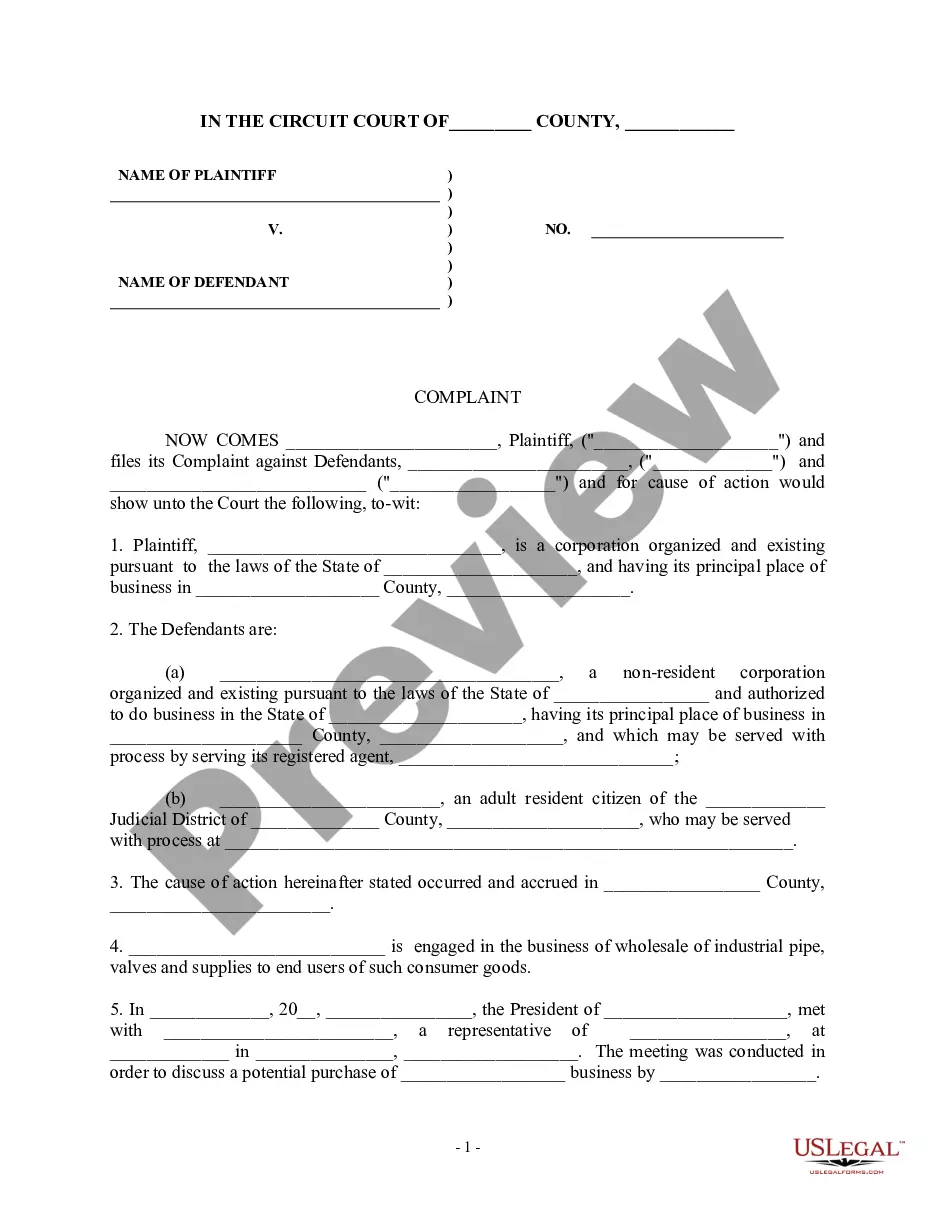

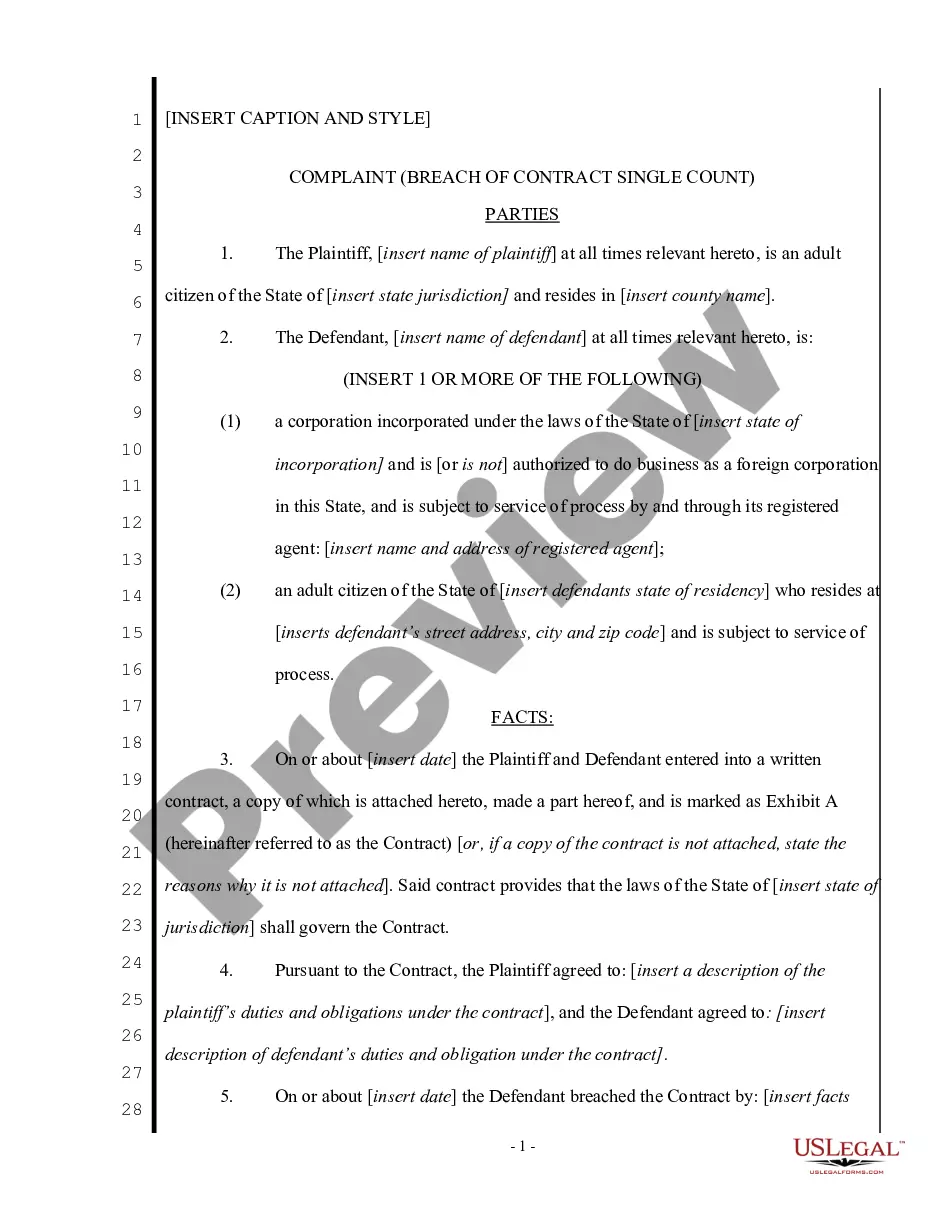
Get your form ready online
Our built-in tools help you complete, sign, share, and store your documents in one place.
Make edits, fill in missing information, and update formatting in US Legal Forms—just like you would in MS Word.
Download a copy, print it, send it by email, or mail it via USPS—whatever works best for your next step.
Sign and collect signatures with our SignNow integration. Send to multiple recipients, set reminders, and more. Go Premium to unlock E-Sign.
If this form requires notarization, complete it online through a secure video call—no need to meet a notary in person or wait for an appointment.
We protect your documents and personal data by following strict security and privacy standards.

Make edits, fill in missing information, and update formatting in US Legal Forms—just like you would in MS Word.

Download a copy, print it, send it by email, or mail it via USPS—whatever works best for your next step.

Sign and collect signatures with our SignNow integration. Send to multiple recipients, set reminders, and more. Go Premium to unlock E-Sign.

If this form requires notarization, complete it online through a secure video call—no need to meet a notary in person or wait for an appointment.

We protect your documents and personal data by following strict security and privacy standards.
Looking for another form?







Form popularity
FAQ
Specifically, pursuant to Uniform Rule 202.7 (f), upon an application for an order to show cause that seeks a temporary restraining order, the application must contain an affirmation demonstrating that there will be significant prejudice to the party seeking the restraining order by the giving of notice.
Actual damages can be very high, but they must be proved and can also be very low. 4) If you haven't registered your work before the infringement, and the value of the infringement is low, it may be best to seek a settlement before starting a lawsuit.
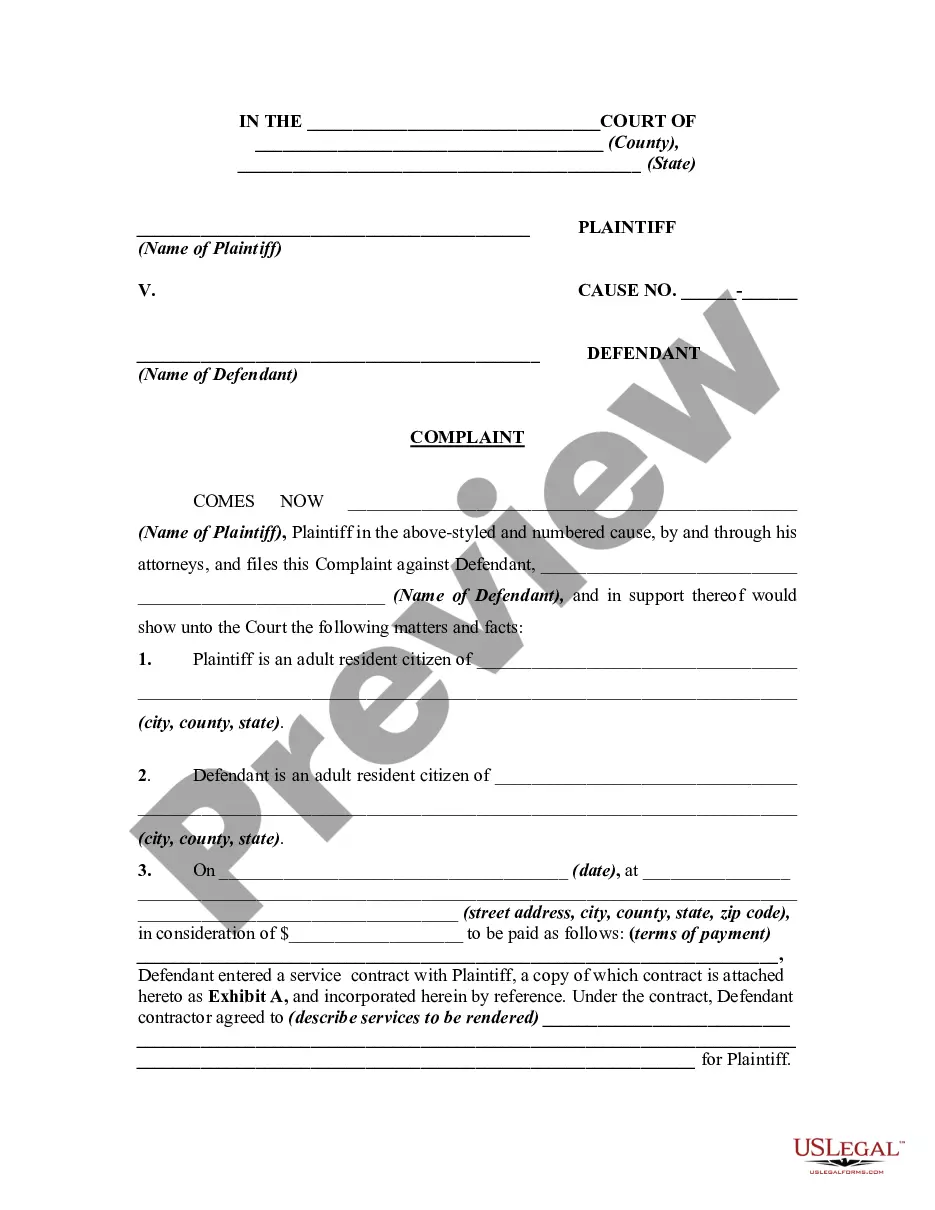
Your attorney will start the lawsuit by filing a complaint in the appropriate court and serving it on the infringer. They probably will file a response to the complaint, and then the case will move forward through the process of gathering evidence and preparing for a trial.
Once copyright infringement liability is established, the plaintiff may be entitled to several different remedies. One remedy is injunctive relief, which restrains the defendant from future copying of the work. A preliminary injunction can be sought early in the case to restrain copying during the lawsuit.
Your attorney will start the lawsuit by filing a complaint in the appropriate court and serving it on the infringer. They probably will file a response to the complaint, and then the case will move forward through the process of gathering evidence and preparing for a trial.
It is not necessary that the entire original work be copied for an infringement of the reproduction right to occur, nor that the copying be literal. All that is necessary is that the copying be substantial and material and that protected expression – not just ideas – were copied.
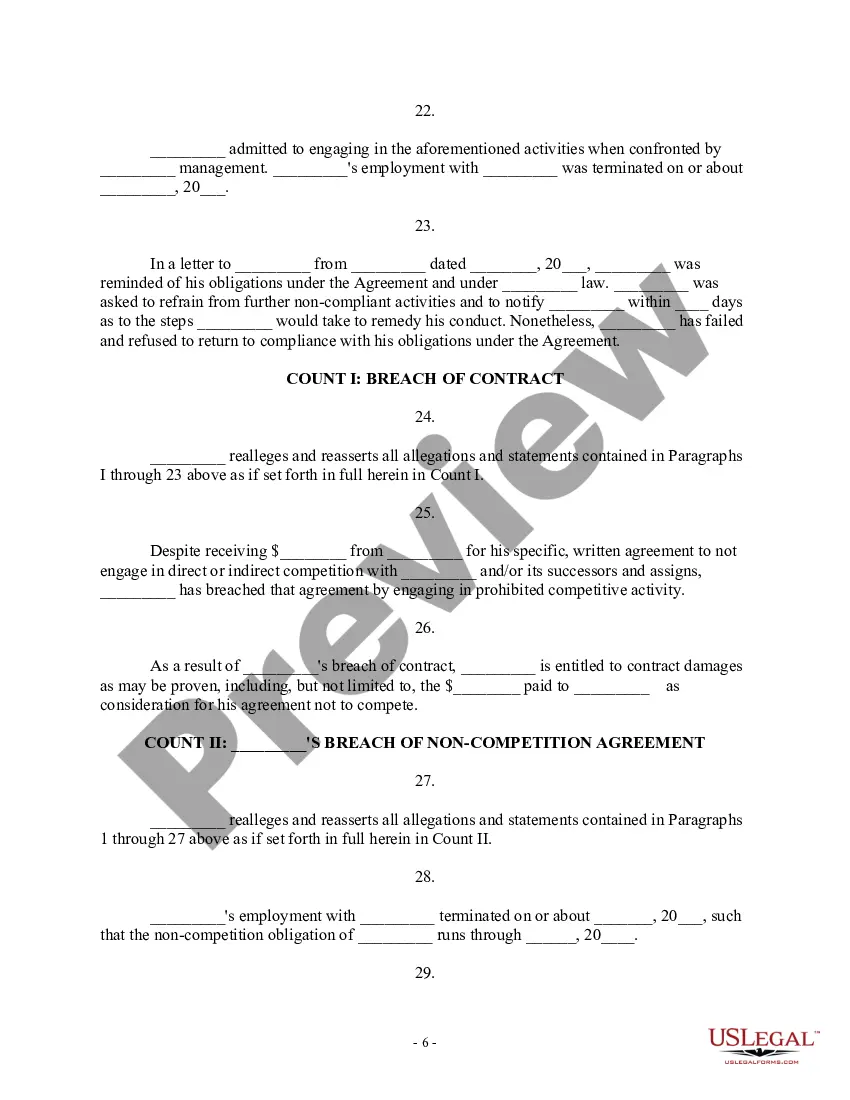
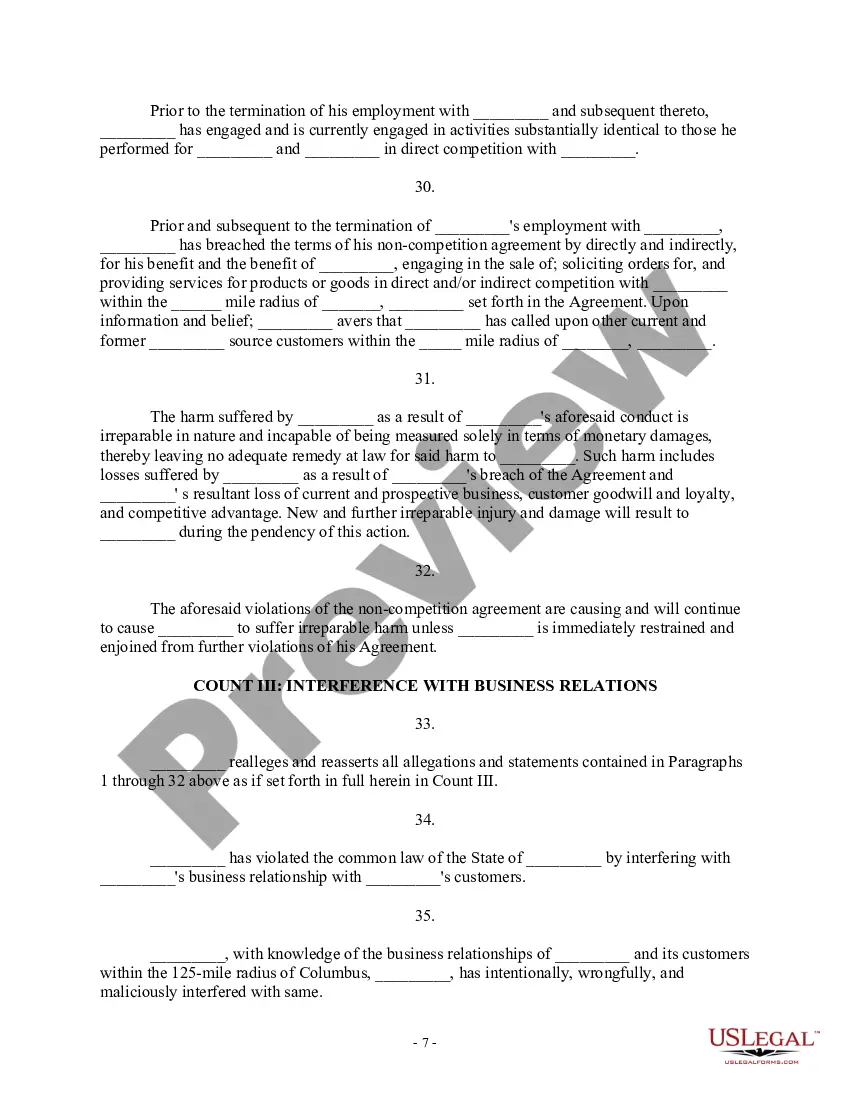
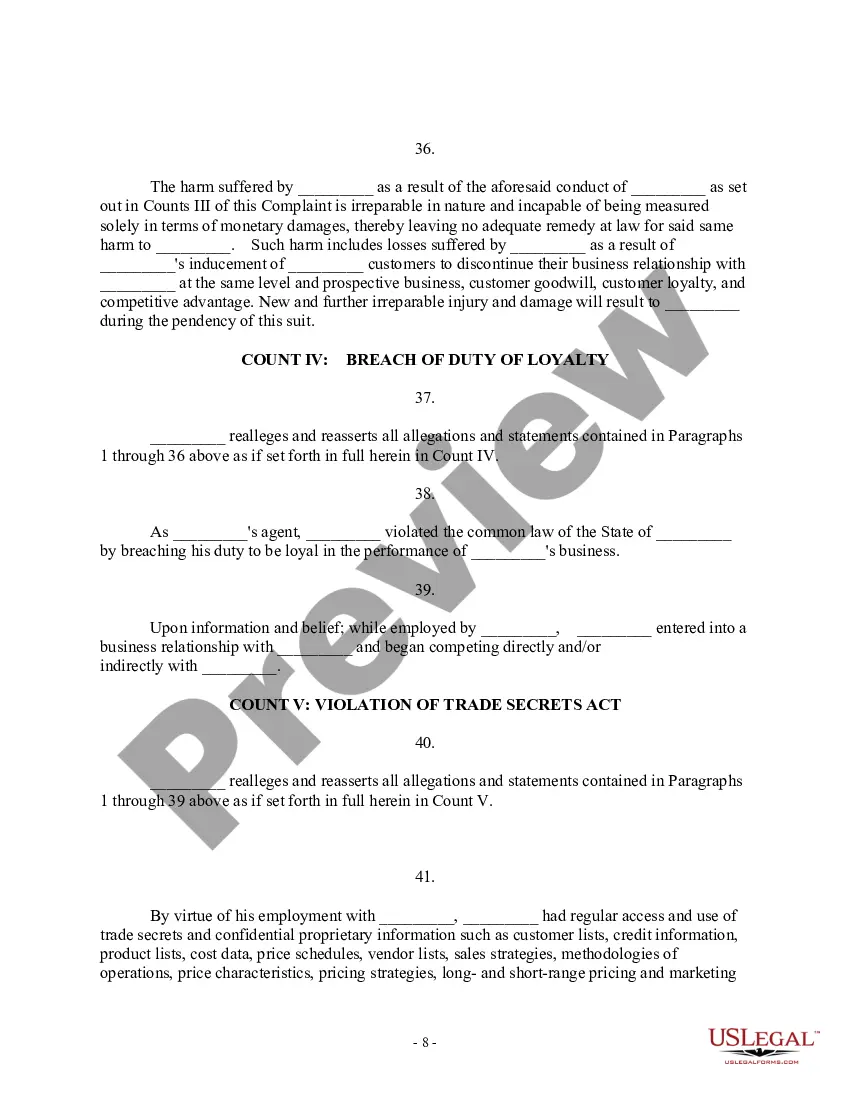
A preliminary injunction may be granted in any action where it appears that the defendant threatens or is about to do, or is doing or procuring or suffering to be done, an act in violation of the plaintiff's rights respecting the subject of the action, and tending to render the judgment ineffectual, or in any action ...
Natural Resources Defense Council, Inc., 555 U.S. 7 (2008), is applicable to all other litigants seeking preliminary injunctions, and requires that a party seeking a preliminary injunction must establish: (1) it is likely to succeed on the merits, (2) it is likely to suffer irreparable harm in the absence of ...
(11) A plaintiff seeking a preliminary injunction bears the burden of presenting facts which show a reasonable probability that he will succeed on the merits.
