Injunctive Relief Agreement With Insurance Company In Santa Clara
Description

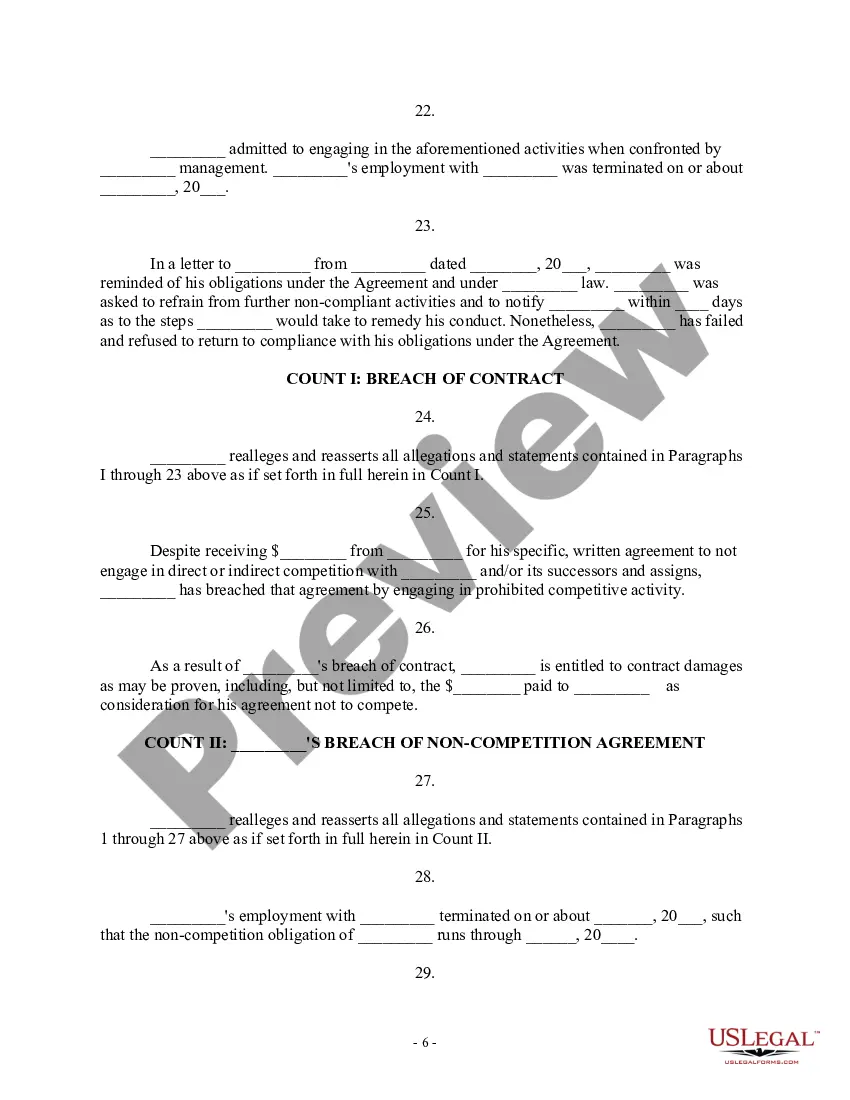
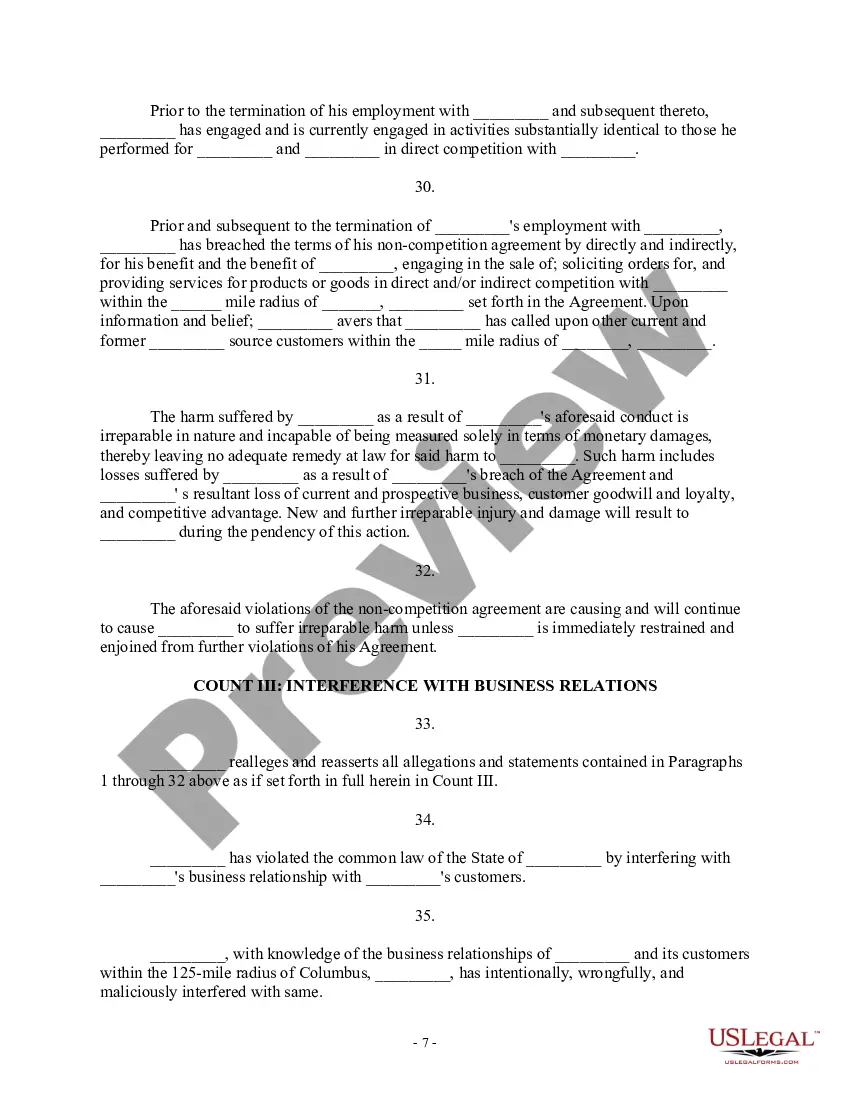
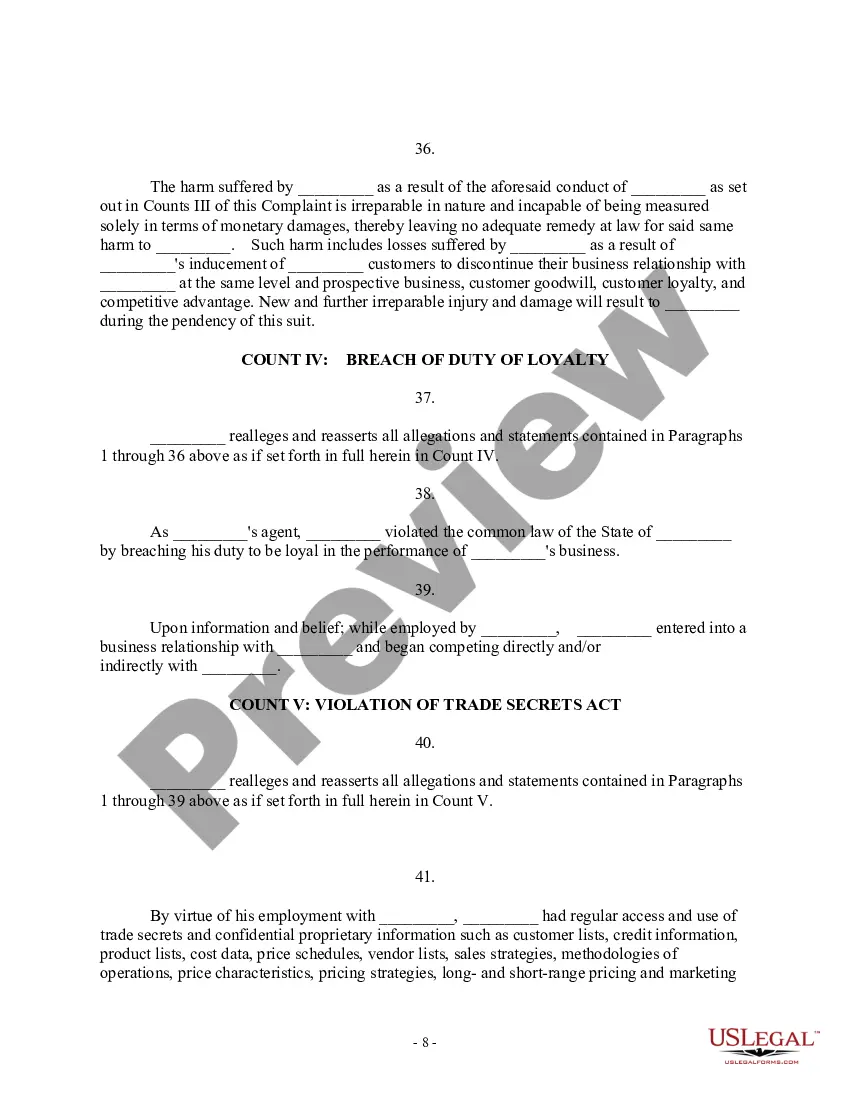
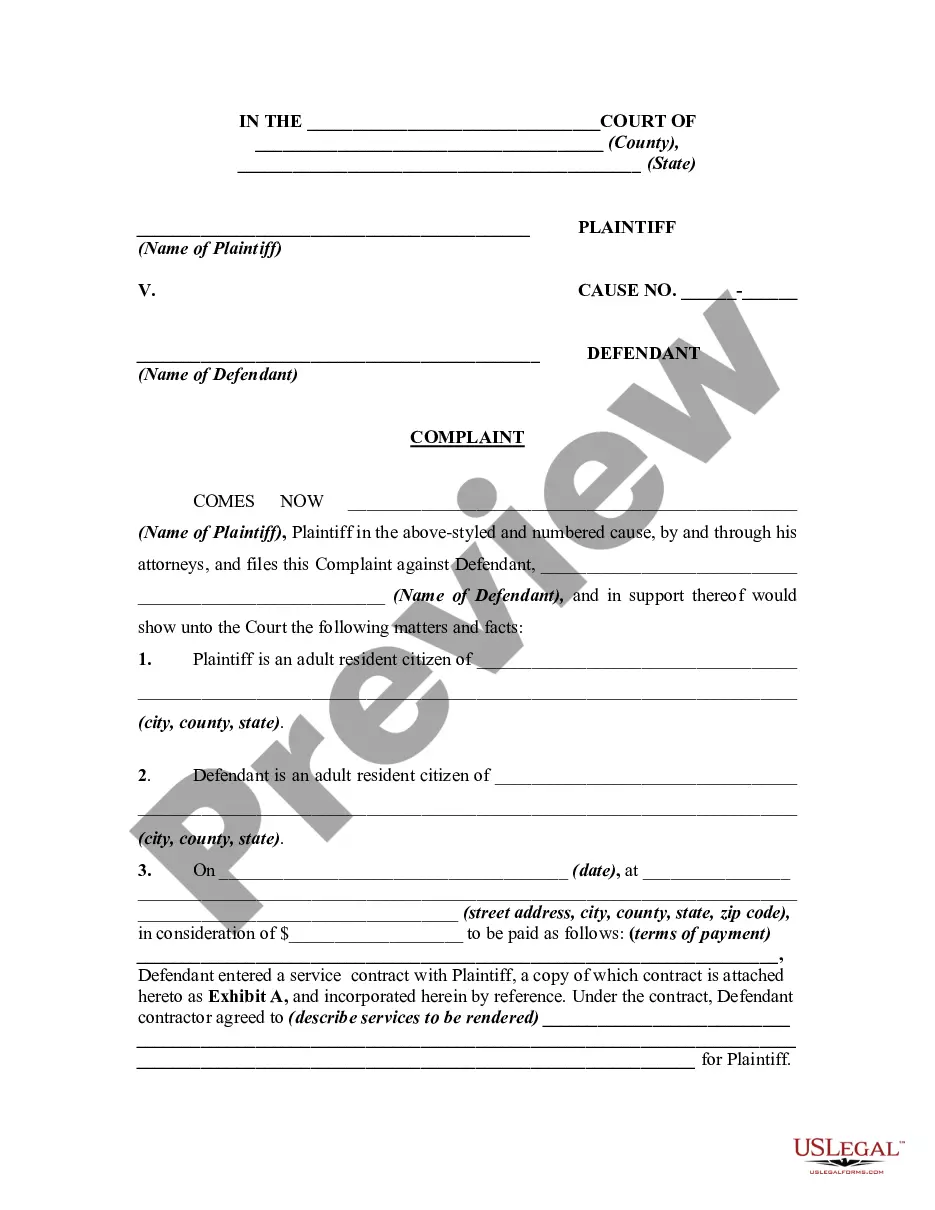

Get your form ready online
Our built-in tools help you complete, sign, share, and store your documents in one place.
Make edits, fill in missing information, and update formatting in US Legal Forms—just like you would in MS Word.
Download a copy, print it, send it by email, or mail it via USPS—whatever works best for your next step.
Sign and collect signatures with our SignNow integration. Send to multiple recipients, set reminders, and more. Go Premium to unlock E-Sign.
If this form requires notarization, complete it online through a secure video call—no need to meet a notary in person or wait for an appointment.
We protect your documents and personal data by following strict security and privacy standards.

Make edits, fill in missing information, and update formatting in US Legal Forms—just like you would in MS Word.

Download a copy, print it, send it by email, or mail it via USPS—whatever works best for your next step.

Sign and collect signatures with our SignNow integration. Send to multiple recipients, set reminders, and more. Go Premium to unlock E-Sign.

If this form requires notarization, complete it online through a secure video call—no need to meet a notary in person or wait for an appointment.

We protect your documents and personal data by following strict security and privacy standards.
Looking for another form?


Form popularity
FAQ
When a complaint includes a claim that could result in liability covered by the policy, the insurer must defend. The duty to defend is also triggered when facts outside the complaint suggest that the complaint could be amended to allege a covered claim.
Prohibitory Injunctions: These are the most common type and essentially tell the respondent what they cannot do. This could include anything from contacting a specific person (the petitioner) to coming near their home, workplace, or even a certain distance from their children's school.
Injunctive relief usually takes one of three forms: temporary restraining order (TRO), preliminary injunction, and permanent injunction.
What Is an Injunction and Why Is it Used? Injunction relief—also known as injunctive relief or simply as an injunction—is a court order that prohibits an organization or an individual from taking a specific action. Conversely, an injunction may also require an entity to take a certain action.
An injunction is a court order requiring a person to do or cease doing a specific action. There are three types of injunctions: Permanent injunctions , Temporary restraining orders and preliminary injunctions . Temporary restraining orders (TRO) and preliminary injunctions are equitable in nature.
An injunction is a court order requiring a person to do or cease doing a specific action. There are three types of injunctions: Permanent injunctions , Temporary restraining orders and preliminary injunctions . Temporary restraining orders (TRO) and preliminary injunctions are equitable in nature.
The party seeking a preliminary injunctive relief must demonstrate: (1) irreparable injury in the absence of such an order; (2) that the threatened injury to the moving party outweighs the harm to the opposing party resulting from the order; (3) that the injunction is not adverse to public interest; and (4) that the ...
In many cases, a contract will include an injunctive relief clause stating that one or both parties are entitled to relief to prevent them from suffering harm due to a breach of contract.
To seek a permanent injunction, the plaintiff must pass the four-step test: (1) that the plaintiff has suffered an irreparable injury; (2) that remedies available at law, such as monetary damages, are inadequate to compensate for the injury; (3) that the remedy in equity is warranted upon consideration of the balance ...
Injunctive relief - a court order prohibiting the defendant from continuing or repeating the tortious behavior.
