Complaint Prayer For Relief In San Jose
Description





Get your form ready online
Our built-in tools help you complete, sign, share, and store your documents in one place.
Make edits, fill in missing information, and update formatting in US Legal Forms—just like you would in MS Word.
Download a copy, print it, send it by email, or mail it via USPS—whatever works best for your next step.
Sign and collect signatures with our SignNow integration. Send to multiple recipients, set reminders, and more. Go Premium to unlock E-Sign.
If this form requires notarization, complete it online through a secure video call—no need to meet a notary in person or wait for an appointment.
We protect your documents and personal data by following strict security and privacy standards.

Make edits, fill in missing information, and update formatting in US Legal Forms—just like you would in MS Word.

Download a copy, print it, send it by email, or mail it via USPS—whatever works best for your next step.

Sign and collect signatures with our SignNow integration. Send to multiple recipients, set reminders, and more. Go Premium to unlock E-Sign.

If this form requires notarization, complete it online through a secure video call—no need to meet a notary in person or wait for an appointment.

We protect your documents and personal data by following strict security and privacy standards.
Looking for another form?








Form popularity
FAQ
You can contact the Santa Clara County Investigations Division District Office at (408) 942-2952 or file a complaint using their website.
If you know the person personally, ask God how you can help them in this situation. Pray for your mind. Pray that the Holy Spirit will poke you when your thoughts even start to move toward a complaint. Pray for the ability to catch it before it starts and truly pray instead of complain.
There are five easy ways to file a complaint: Online Complaint Form. Phone: (408) 794-6226. Email: ipa@sanjoseca. Mail: 96 N. Third St., Suite 150, San Jose, CA. In-Person: 96 N. Third St., Suite 150, San Jose, CA.
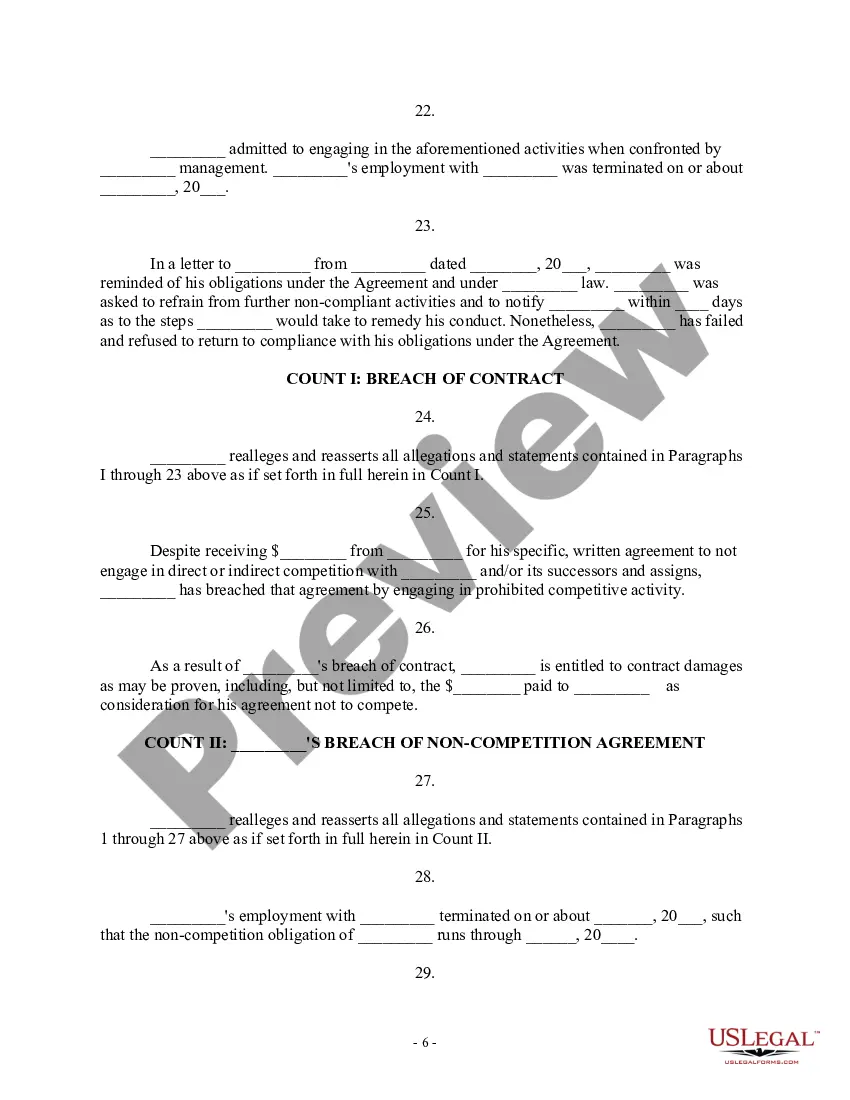
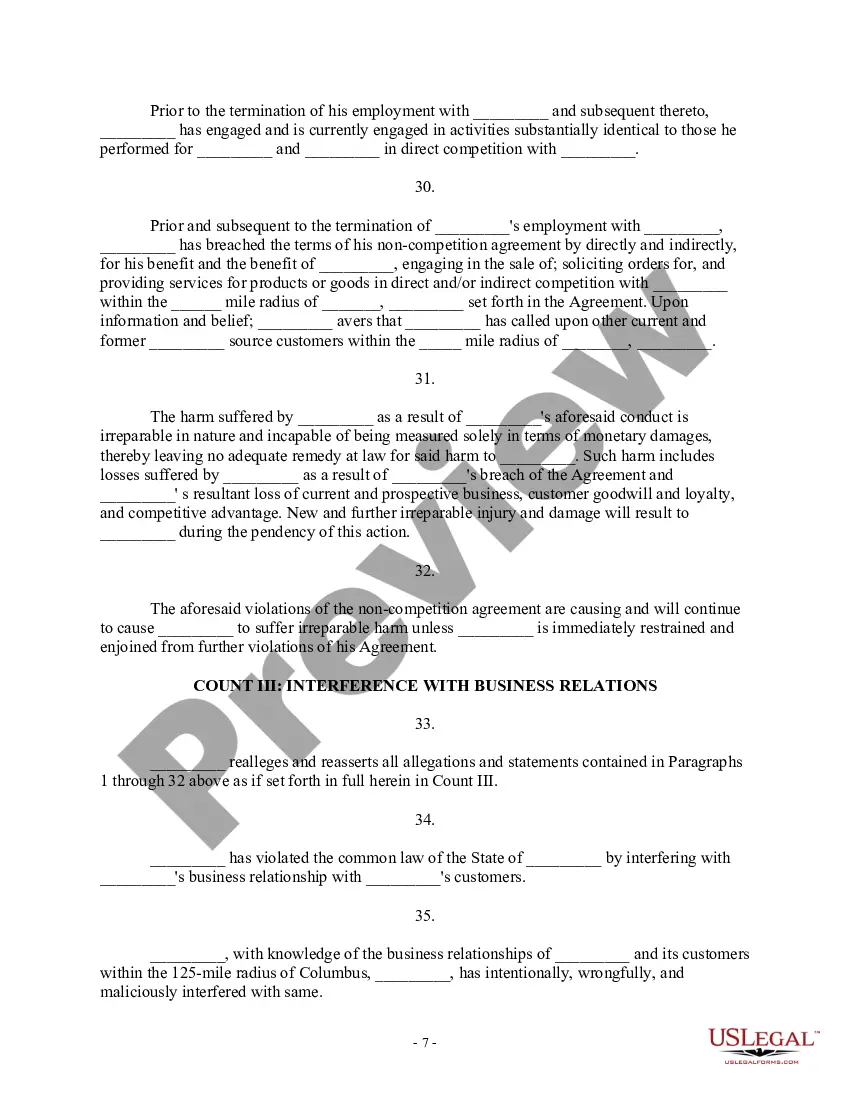
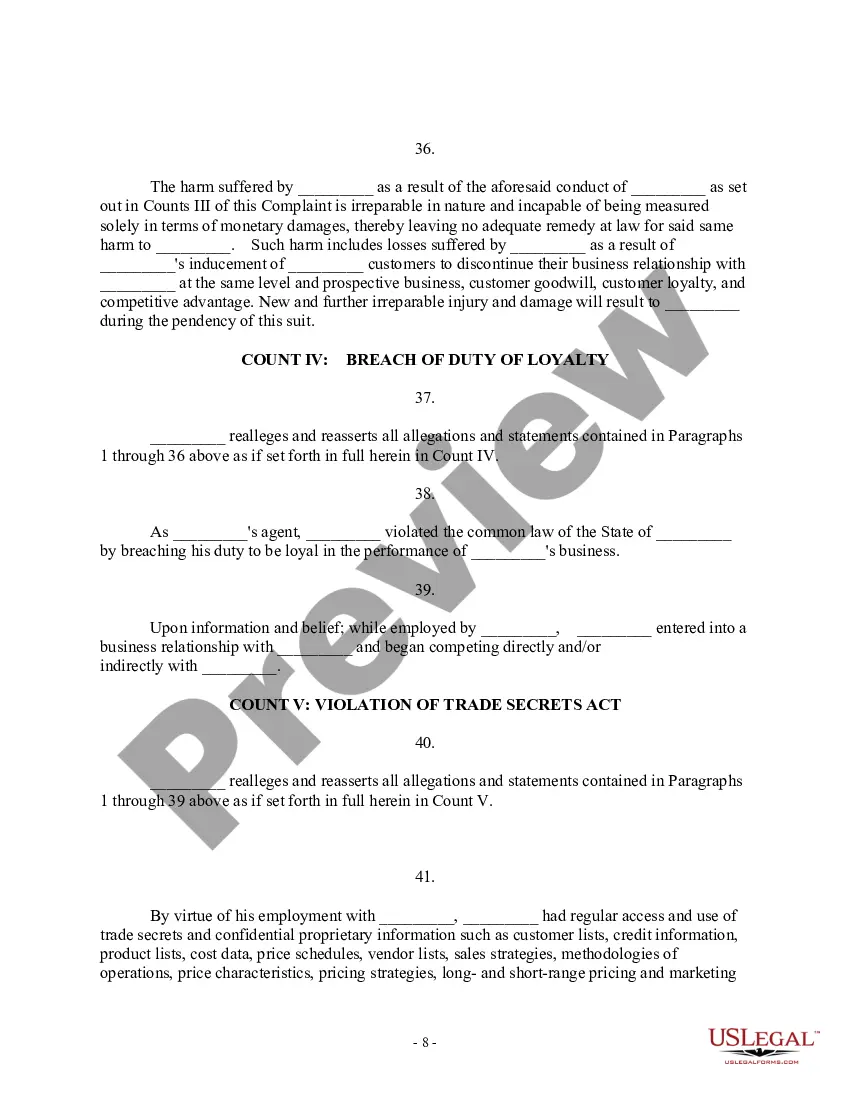
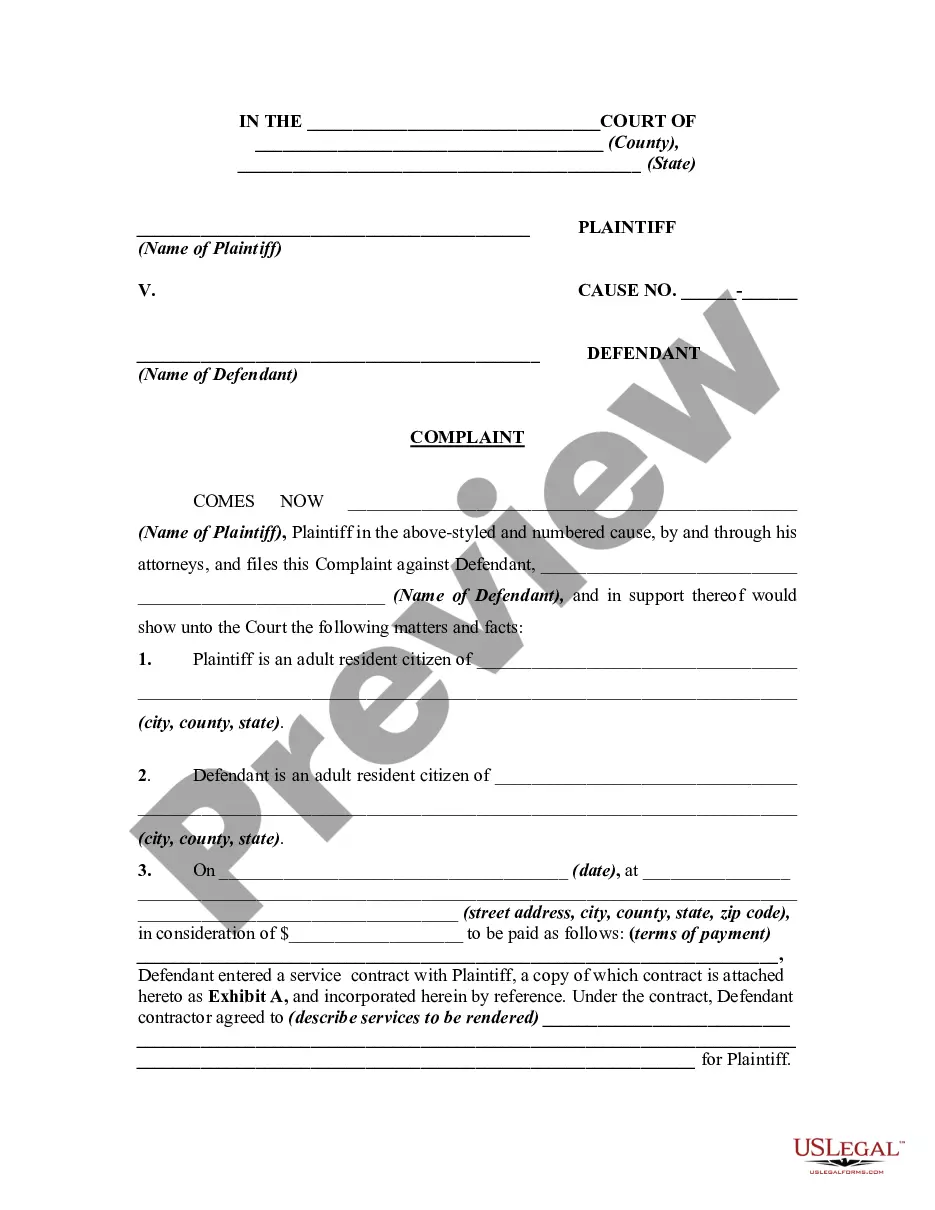
The prayer for relief is the part of complaint where a plaintiff states the damages or other remedies it is seeking from the court in a lawsuit. Federal Rules of Civil Procedure 8(a)(3) requires that a plaintiff's pleadings contains a prayer for relief. The prayer is often located at the end of the complaint.
The three forms of prayer are vocal prayer, meditation, and contemplation. These can be used interchangeably during our times of prayer. Let me briefly describe each type. Vocal prayer speaks to God, whether by mental or spoken words.
Prayer. n. the specific request for judgment, relief and/or damages at the conclusion of a complaint or petition.
Memorize this truth: "Do all things without complaining and disputing, that you may become blameless and harmless, children of God" (Philippians -15). Ask this question: Will you give God an opportunity to work on your behalf by trusting him, or miss out on his provision by complaining?
Your answer should include the court name, case name, case number, and your affirmative defenses. Print three copies of your answer. File one with the clerk's office and mail (or “serve”) one to the plaintiff or plaintiff's attorney. The plaintiff is the debt collector, creditor, or law firm suing you.
The prayer for relief is the part of complaint where a plaintiff states the damages or other remedies it is seeking from the court in a lawsuit. Federal Rules of Civil Procedure 8(a)(3) requires that a plaintiff's pleadings contains a prayer for relief. The prayer is often located at the end of the complaint.
I need to know that you care, that you love me, be my refuge from pain, replacing my distress with peace, and be my strength when I feel weak and find it hard to carry on. Help me not to fear the future but to boldly trust that you are in control when my emotions plunge me down, and when I am in despair.
