Injunctive Relief For Breach In San Antonio
Description










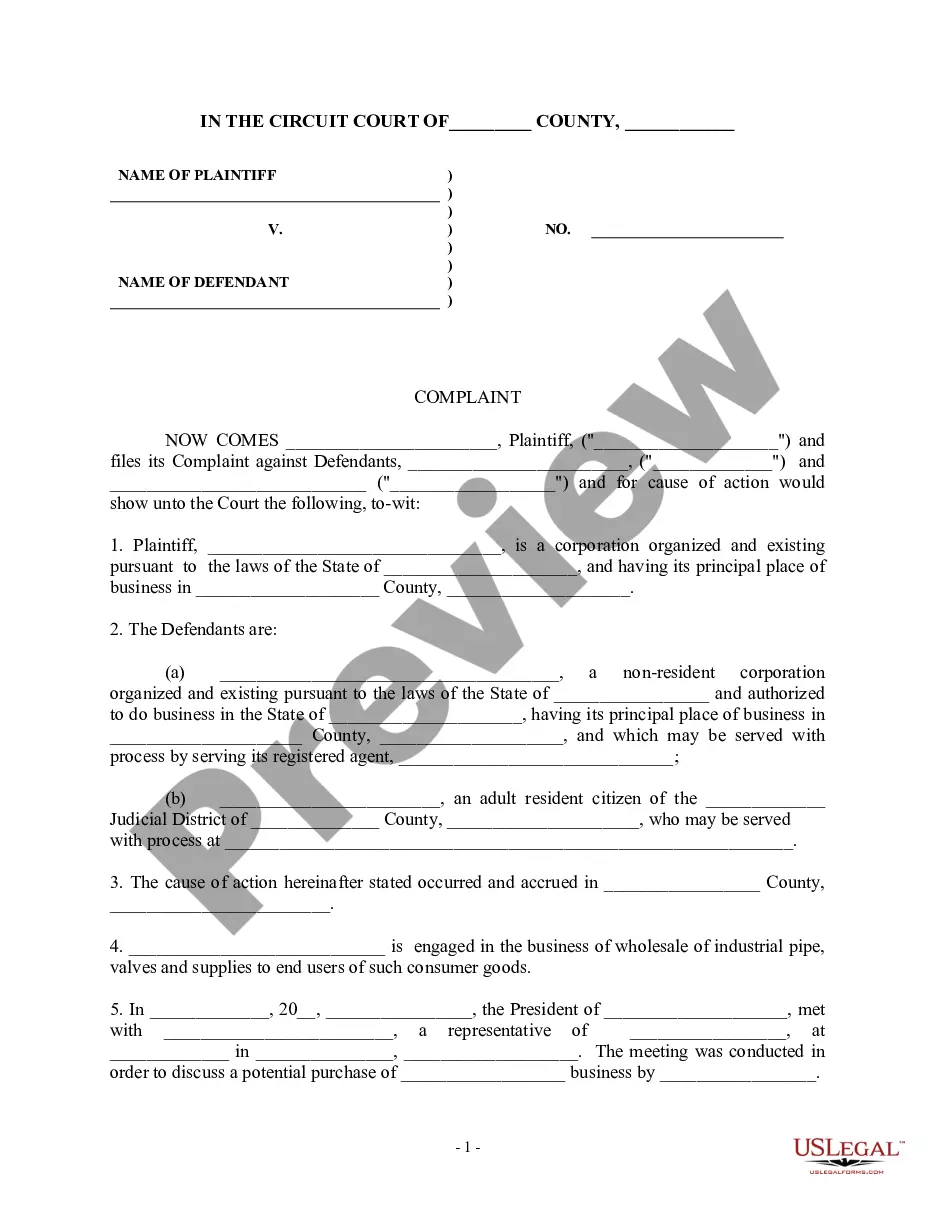


Get your form ready online
Our built-in tools help you complete, sign, share, and store your documents in one place.
Make edits, fill in missing information, and update formatting in US Legal Forms—just like you would in MS Word.
Download a copy, print it, send it by email, or mail it via USPS—whatever works best for your next step.
Sign and collect signatures with our SignNow integration. Send to multiple recipients, set reminders, and more. Go Premium to unlock E-Sign.
If this form requires notarization, complete it online through a secure video call—no need to meet a notary in person or wait for an appointment.
We protect your documents and personal data by following strict security and privacy standards.

Make edits, fill in missing information, and update formatting in US Legal Forms—just like you would in MS Word.

Download a copy, print it, send it by email, or mail it via USPS—whatever works best for your next step.

Sign and collect signatures with our SignNow integration. Send to multiple recipients, set reminders, and more. Go Premium to unlock E-Sign.

If this form requires notarization, complete it online through a secure video call—no need to meet a notary in person or wait for an appointment.

We protect your documents and personal data by following strict security and privacy standards.
Looking for another form?









Form popularity
FAQ
The majority of American jurisdictions do not allow punitive dam- ages for breach of contract unless the breach constitutes an independ- ent tort.
A final injunction is essentially a court order that requires or prohibits specific actions by a party after the main issues of the case have been resolved. It remains effective until the court issues a different order or a superseding order steps in.
Definition and Types Injunctive relief is a legal remedy that can be awarded by a court to prevent a party from taking certain actions or to require them to take certain actions. It is a form of equitable remedy that is used when monetary damages are not sufficient to remedy a breach of contract.
To obtain a temporary injunction, the applicant must plead and prove three specific elements: (1) a cause of action against the defendant; (2) a probable right to the relief sought; and (3) a probable, imminent, and irreparable injury in the interim.
Common Legal Remedies for Breach of Contract Damages. The most common remedies people seek after a breach of contract are damages. Specific Performance. Specific performance may be a legal remedy in some situations. Injunction. Rescission and Restitution. Contact Silicon Valley Business Attorneys at SAC Attorneys.
In summary, an injunctive relief clause provides for urgent judicial enforcement of vital obligations that cannot await standard remedies or compensation without potentially irreparable harm.
To be entitled to a temporary injunction, the applicant must plead a cause of action and show a probable right to recover on that cause of action and a probable, imminent, and irreparable injury in the interim. “Imminent” means that the injury is relatively certain to occur rather than being remote and speculative.
An injunction is a court order prohibiting a person from taking a particular action (a prohibitory injunction) or requiring them to take a particular action (a mandatory injunction). A party who breaches an injunction can be held in contempt of court, which can result in a fine or imprisonment.
Although the test for obtaining a TRO or PI may vary slightly across jurisdictions, generally a plaintiff seeking preliminary injunctive relief must satisfy a four-factor test: (1) that he or she is likely to succeed on the merits of his claims; (2) that he or she is likely to suffer irreparable harm without ...