Damages For Wrongful Injunction In Pennsylvania
Description

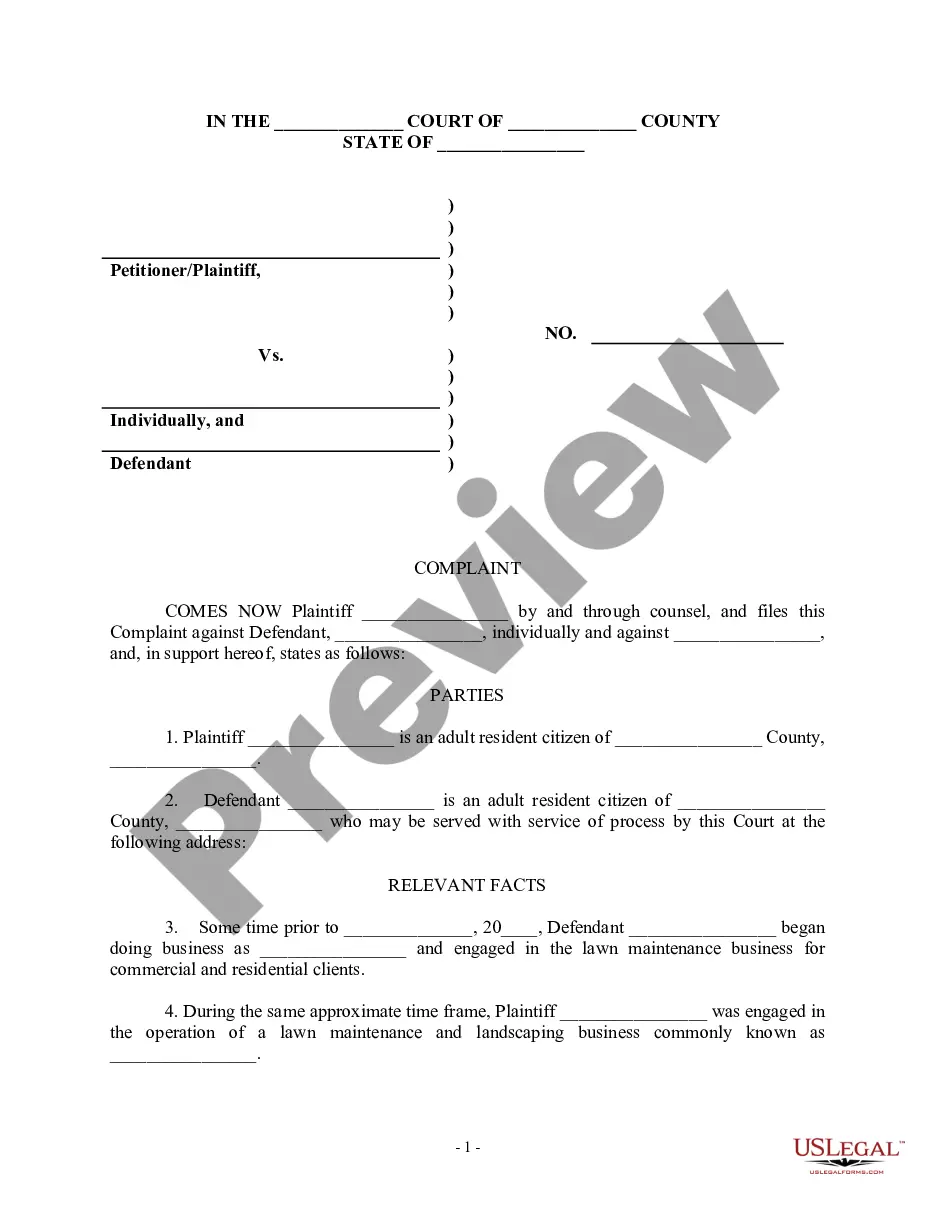

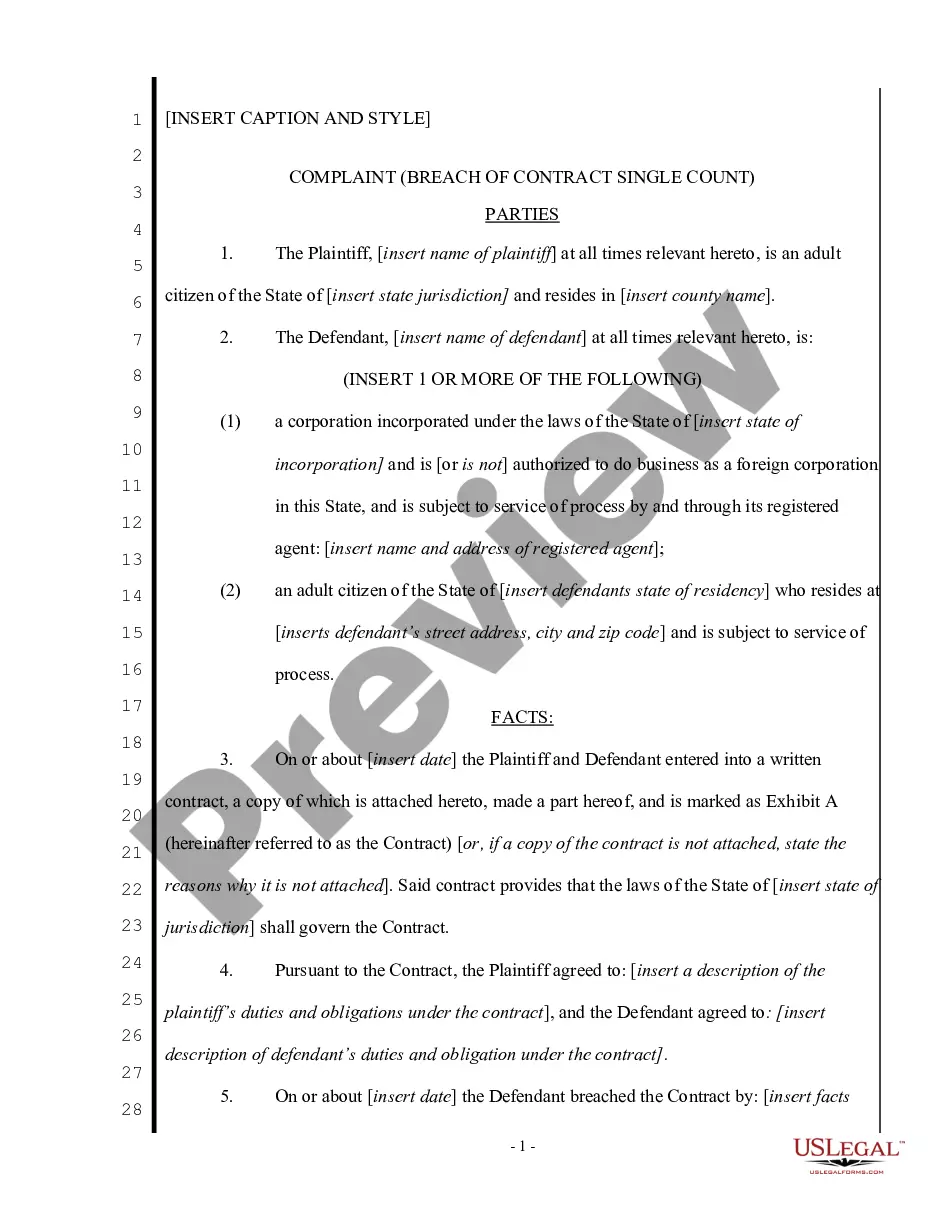
Get your form ready online
Our built-in tools help you complete, sign, share, and store your documents in one place.
Make edits, fill in missing information, and update formatting in US Legal Forms—just like you would in MS Word.
Download a copy, print it, send it by email, or mail it via USPS—whatever works best for your next step.
Sign and collect signatures with our SignNow integration. Send to multiple recipients, set reminders, and more. Go Premium to unlock E-Sign.
If this form requires notarization, complete it online through a secure video call—no need to meet a notary in person or wait for an appointment.
We protect your documents and personal data by following strict security and privacy standards.

Make edits, fill in missing information, and update formatting in US Legal Forms—just like you would in MS Word.

Download a copy, print it, send it by email, or mail it via USPS—whatever works best for your next step.

Sign and collect signatures with our SignNow integration. Send to multiple recipients, set reminders, and more. Go Premium to unlock E-Sign.

If this form requires notarization, complete it online through a secure video call—no need to meet a notary in person or wait for an appointment.

We protect your documents and personal data by following strict security and privacy standards.
Looking for another form?

Form popularity
FAQ
Punitive damages, also known as exemplary damages, are the damages awarded separately from the actual damages from an event. Courts generally award punitive damages only when it is determined that the defendant has acted in a particularly harmful way.
The purpose of an injunction is to prevent a party from committing an act or to compel them to perform an act, in order to rectify a wrong or prevent further harm. Injunctions are equitable remedies, meaning they are discretionary and are granted when monetary compensation (damages) is not an adequate remedy.
The plaintiff has the burden of proving that the defendant has breached the contract and that injunctive relief is necessary to prevent further harm. The plaintiff must also prove that the harm caused by the breach cannot be adequately compensated through monetary damages alone.
A driver going 80 mph in a 35 mph zone causes a devastating accident. Punitive damages would punish this extremely reckless behavior. A surgeon botches a surgery while under the influence of prescription drugs used recreationally. Punitive damages would punish their medical malpractice.
Punitive damages have a double aspect, corresponding to two senses of "'punitive. " Insofar as they pertain to the state's goal of imposing a punishment upon a defendant who merits deterrence or retribution, they have a criminal aspect.
Punitive damages - additional financial award to the plaintiff to deter the defendant from repeat offenses where the defendant acted with “malice” Injunctive relief - a court order prohibiting the defendant from continuing or repeating the tortious behavior.
The aim of a damages undertaking is to compensate any party that is harmed by an unfair injunction. For example, you could seek an injunction to stop a competing business from selling a certain product in Australia. That injunction is granted, but then overturned a year later when you lose the court case.
In the realm of personal injury law in Pennsylvania (PA), understanding compensatory damages is crucial for anyone who has suffered harm due to another's negligence. Compensatory damages represent the financial compensation awarded to plaintiffs in civil lawsuits to cover the losses incurred from an injury or damage.
Permanent injunctions are issued as a final judgment in a case, where monetary damages will not suffice. Failure to comply with an injunction may result in being held in contempt of court, which in turn may result in either criminal or civil liability.
An Injunction (also known as “equitable relief”) is a legal remedy that can be sought in a civil lawsuit in addition to, or in place of, monetary damages. Basically, injunctive relief means a court will issue an order for the defendant to stop committing one or more specified actions.