Injunctive Relief For Trademark In Palm Beach
Description

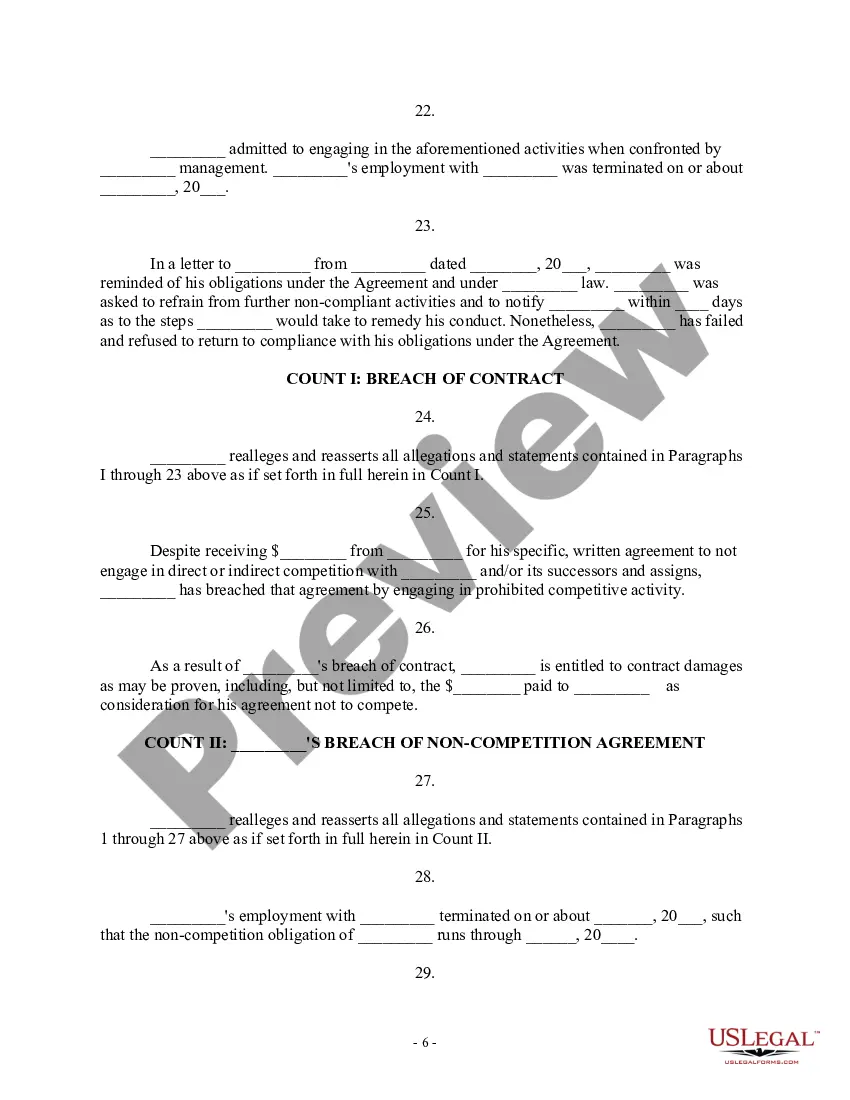
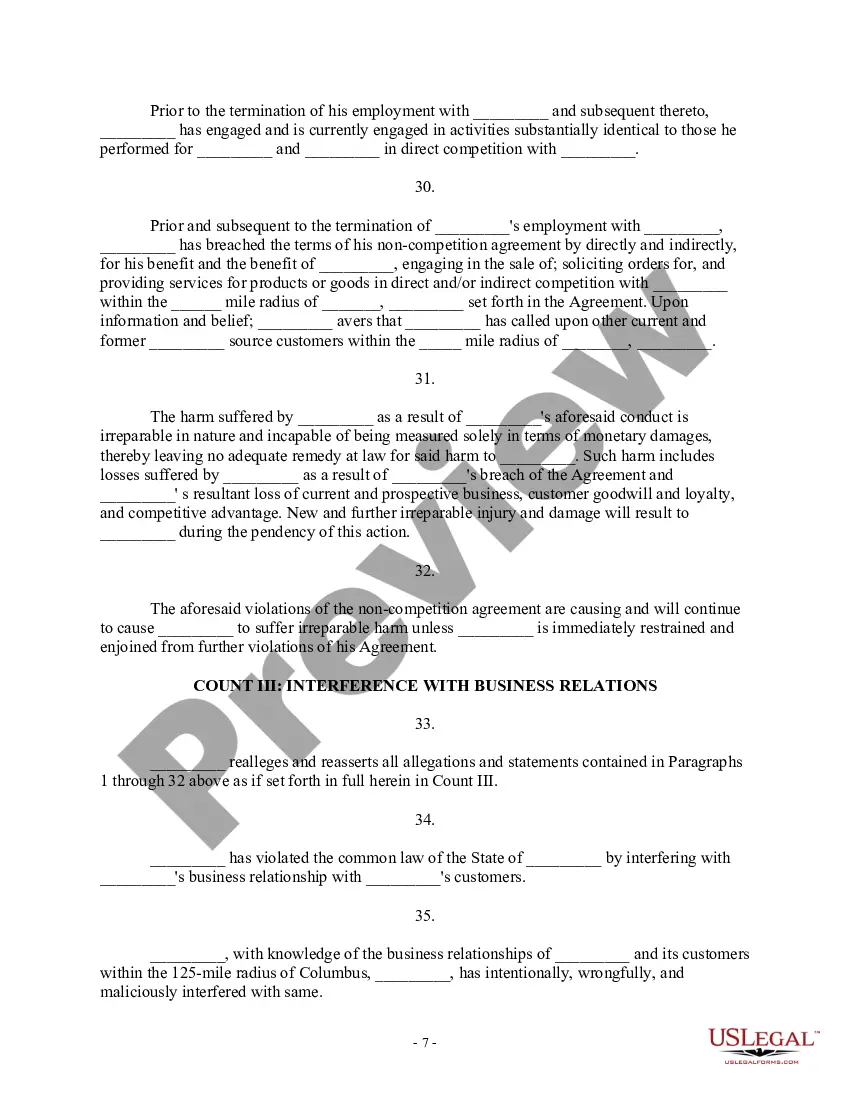
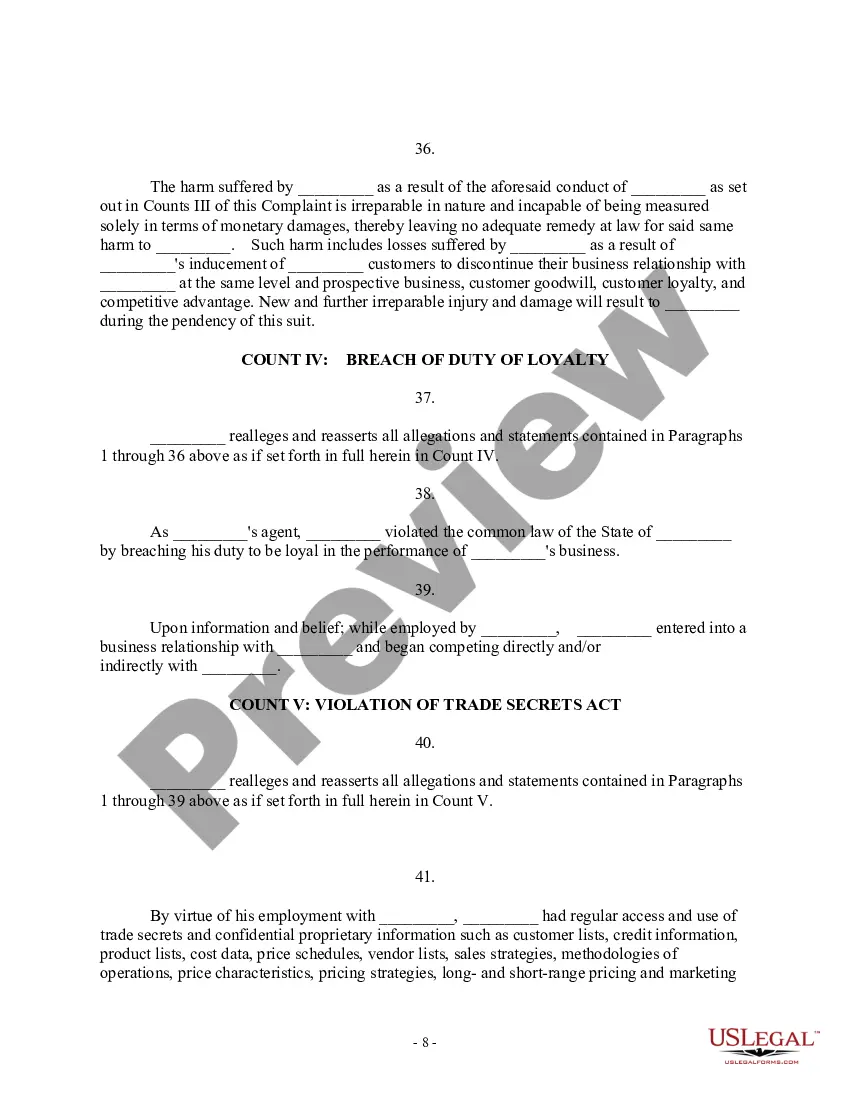
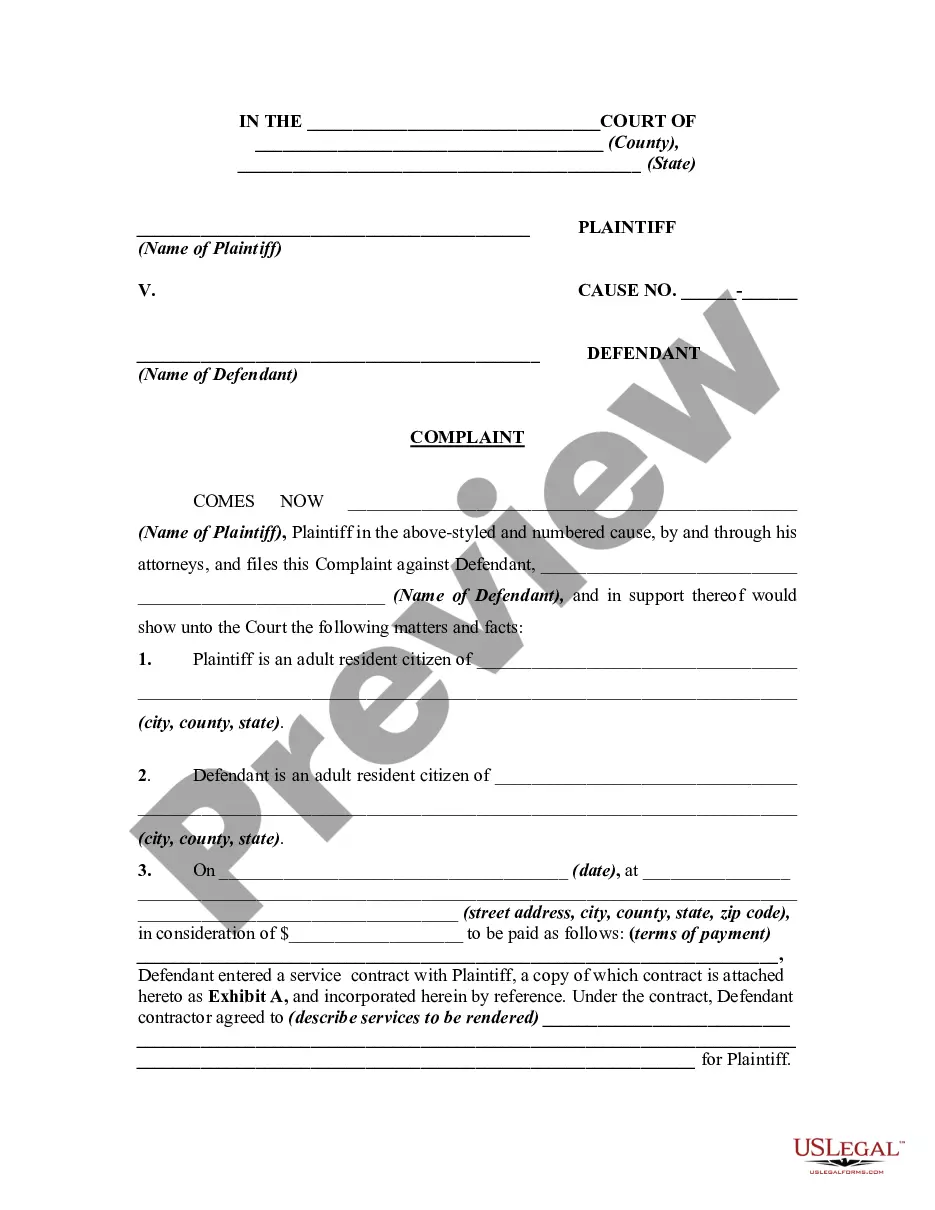

Get your form ready online
Our built-in tools help you complete, sign, share, and store your documents in one place.
Make edits, fill in missing information, and update formatting in US Legal Forms—just like you would in MS Word.
Download a copy, print it, send it by email, or mail it via USPS—whatever works best for your next step.
Sign and collect signatures with our SignNow integration. Send to multiple recipients, set reminders, and more. Go Premium to unlock E-Sign.
If this form requires notarization, complete it online through a secure video call—no need to meet a notary in person or wait for an appointment.
We protect your documents and personal data by following strict security and privacy standards.

Make edits, fill in missing information, and update formatting in US Legal Forms—just like you would in MS Word.

Download a copy, print it, send it by email, or mail it via USPS—whatever works best for your next step.

Sign and collect signatures with our SignNow integration. Send to multiple recipients, set reminders, and more. Go Premium to unlock E-Sign.

If this form requires notarization, complete it online through a secure video call—no need to meet a notary in person or wait for an appointment.

We protect your documents and personal data by following strict security and privacy standards.
Looking for another form?







Form popularity
FAQ
Reporting Infringement Through the TTAB. The TTAB, or the Trademark Trial and Appeal Board, is an administrative body within the USPTO that handles appeals and disputes related to federal trademark registration.
With trademarks, the entire process can be completed online pretty easily, even if you do it yourself without hiring an attorney. The United States Patent and Trademark Office, or USPTO, provides great self-help and a manageable online interview.
Filing a trademark application is complex and time-consuming and requires a knowledgeable person to ensure the paperwork is completed properly.
Yes. In general, you will be required to complete application online and submit it using the Trademark Electronic Application System (TEAS).
What are my options to respond to the suit? Challenging the claimed trademark; Denying that the trademark owner has proved infringement; Asserting a defense to the alleged infringement; and/or. Negotiating a settlement of the lawsuit by, for example, agreeing to take certain actions to avoid likelihood of confusion.
To register a trademark with the U.S. Patent and Trademark Office (USPTO), you will need to fill out and submit a trademark application. You can do this online, using the Trademark Electronic Application System (TEAS), an online trademark filing service, or you can submit a paper application.
The most common remedy for trademark infringement is injunctive relief. Injunctions are court orders commanding that the infringer immediately cease its unlawful activities. Injunctions address future conduct rather than past actions.
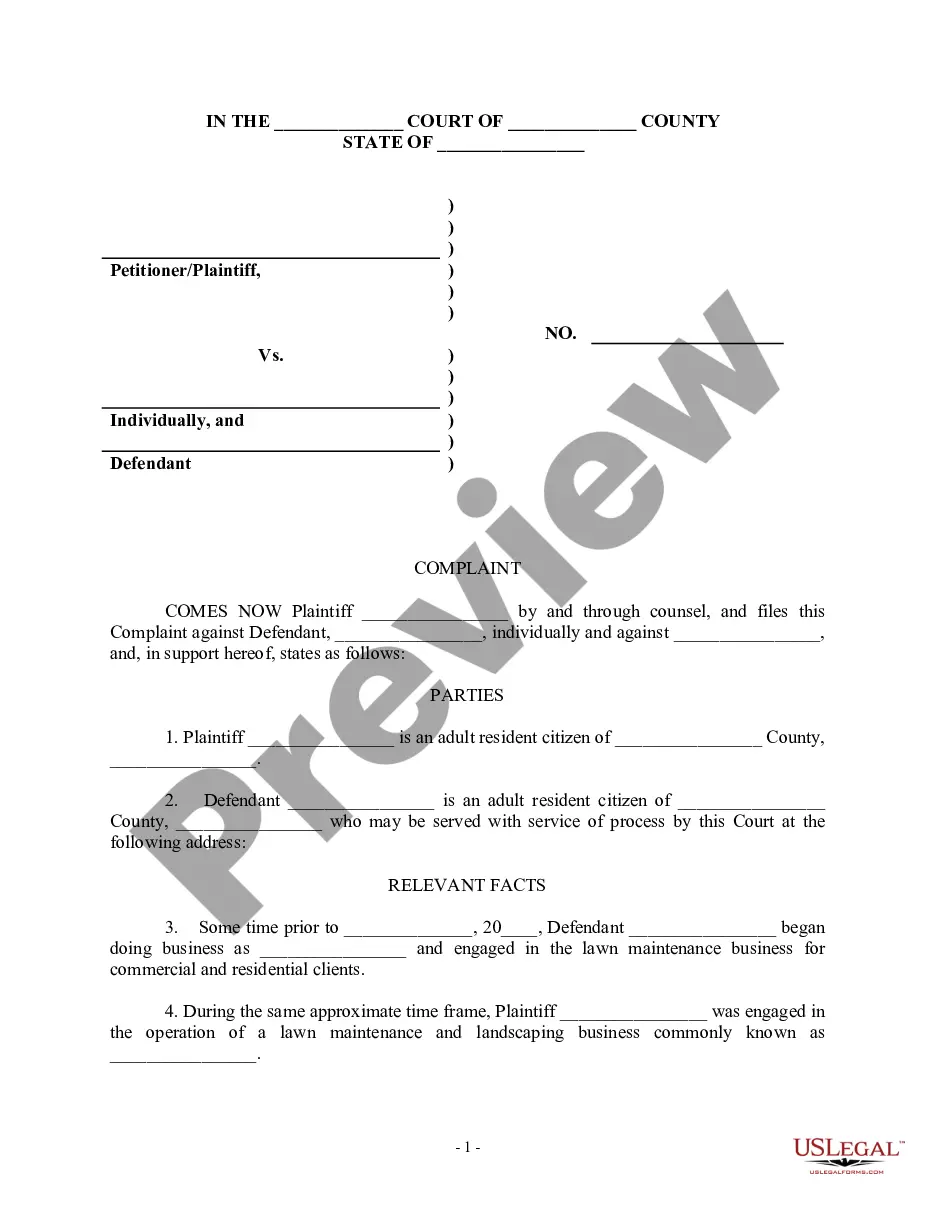
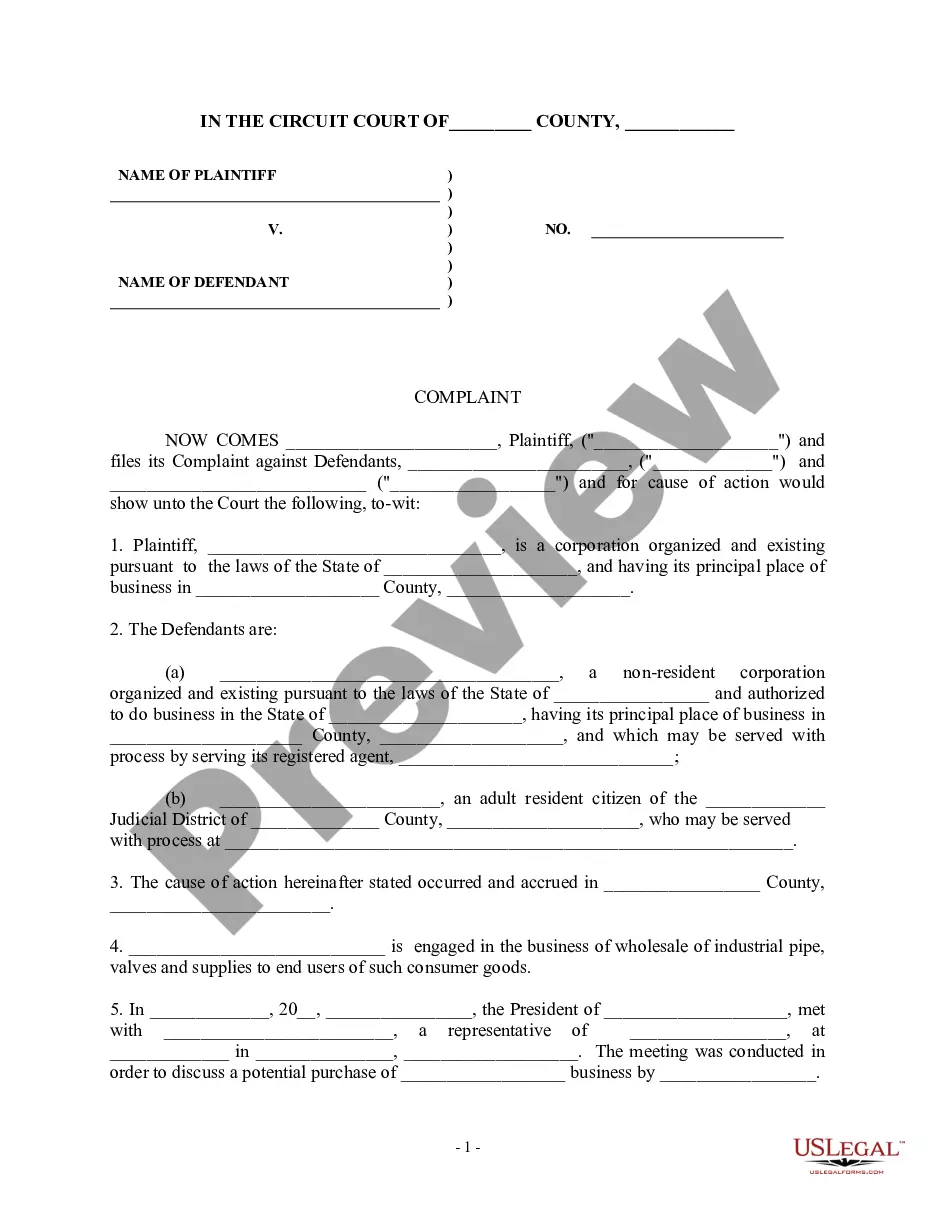
Initiating A Legal Action by Filing a Complaint Assertion of your ownership rights to the trademark in question, Identification of the accused trademark infringer/defendant, An explanation of the relevant facts, Identification of the grounds upon which the action is based (e.g., trademark infringement, dilution, etc.),
There are four main trademark infringement defenses that may be available for a defendant against a claim of trademark infringement: Doctrine of laches; Estoppel; Unclean hands; and. Fair use doctrine or collateral use doctrine.
About Trademark Infringement a court order (injunction) that the defendant stop using the accused mark; an order requiring the destruction or forfeiture of infringing articles; monetary relief, including defendant's profits, any damages sustained by the plaintiff, and the costs of the action; and.
