Injunctive Relief Agreement Without Proving Damages In Palm Beach
Description

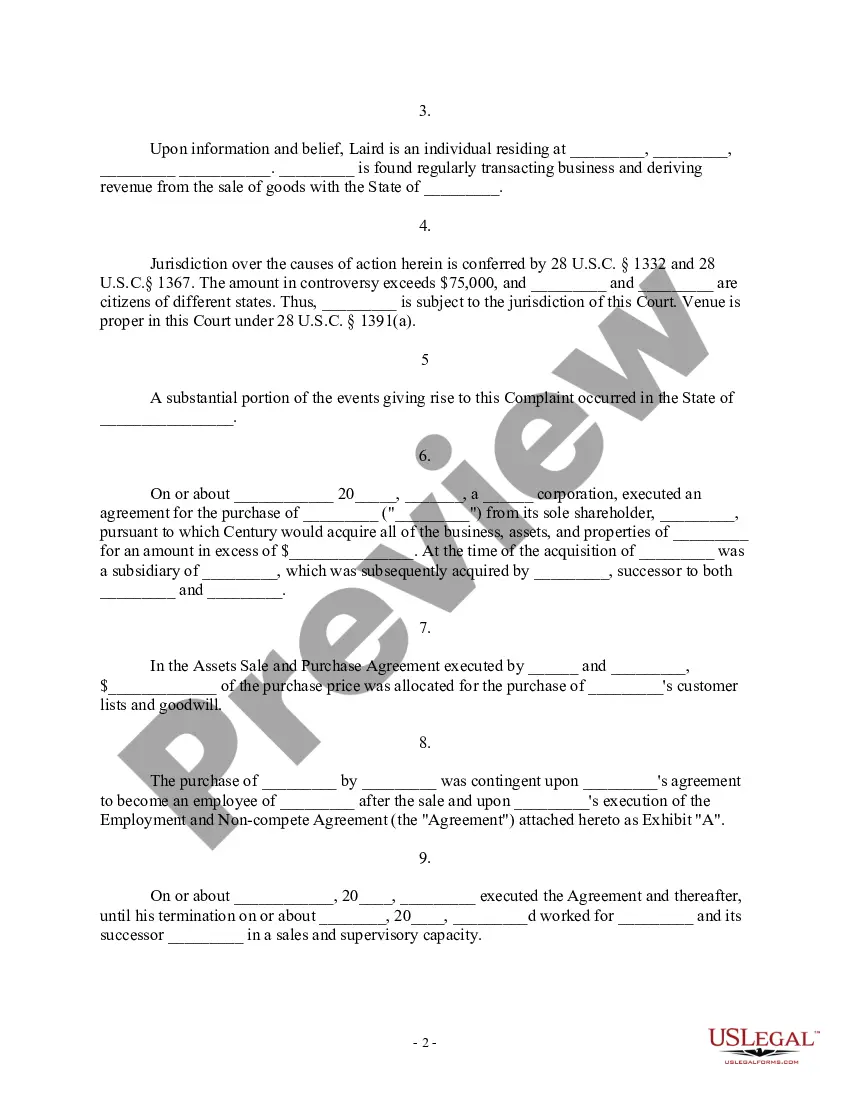
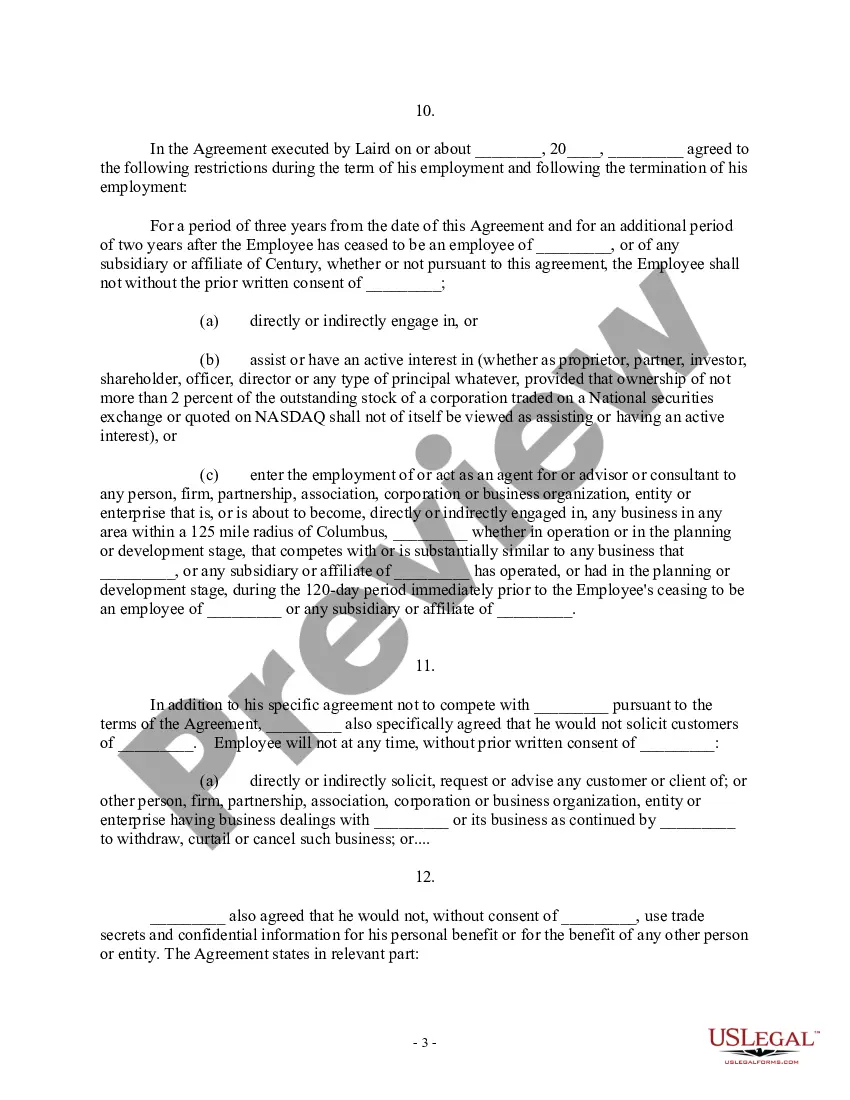
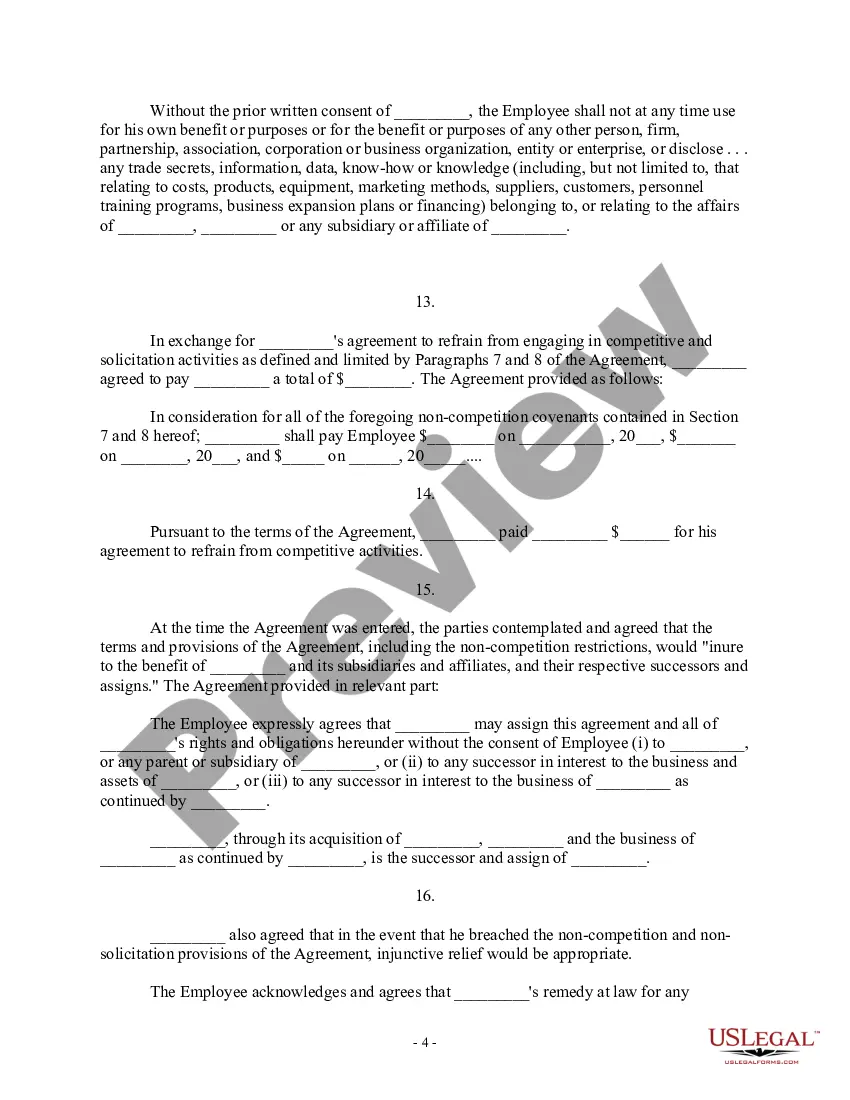
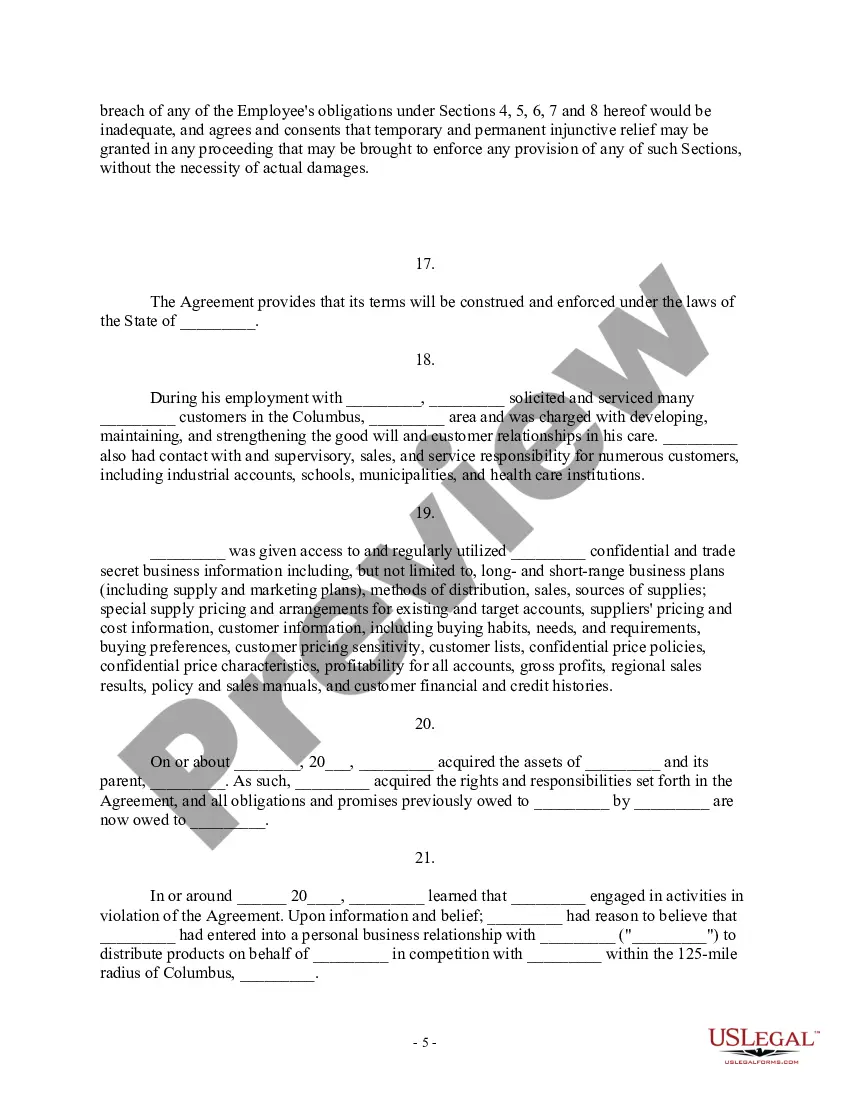
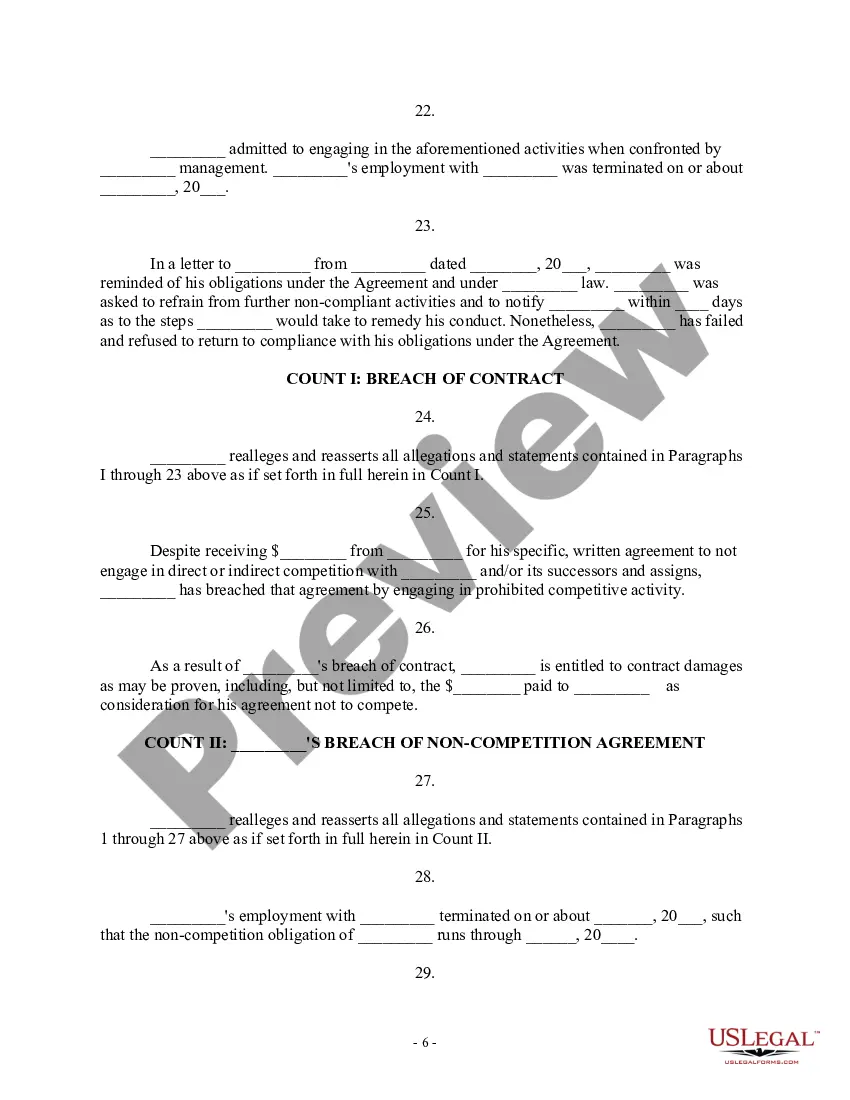
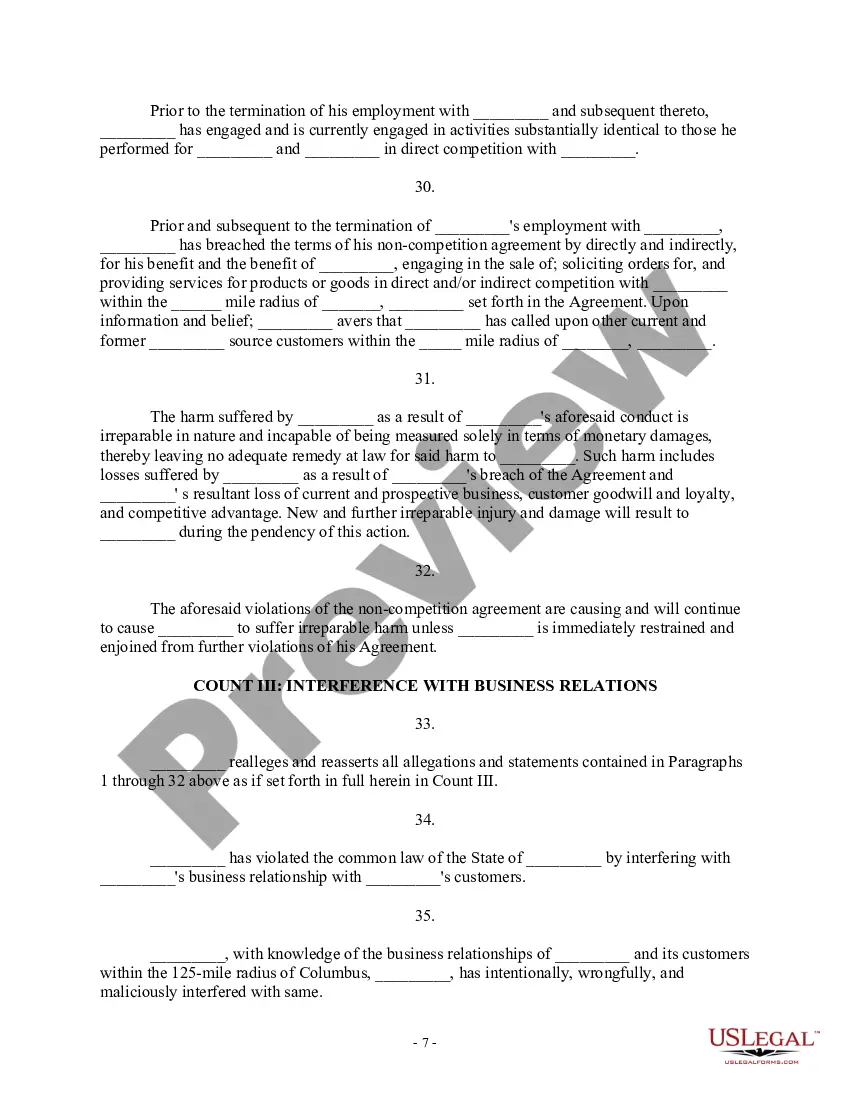
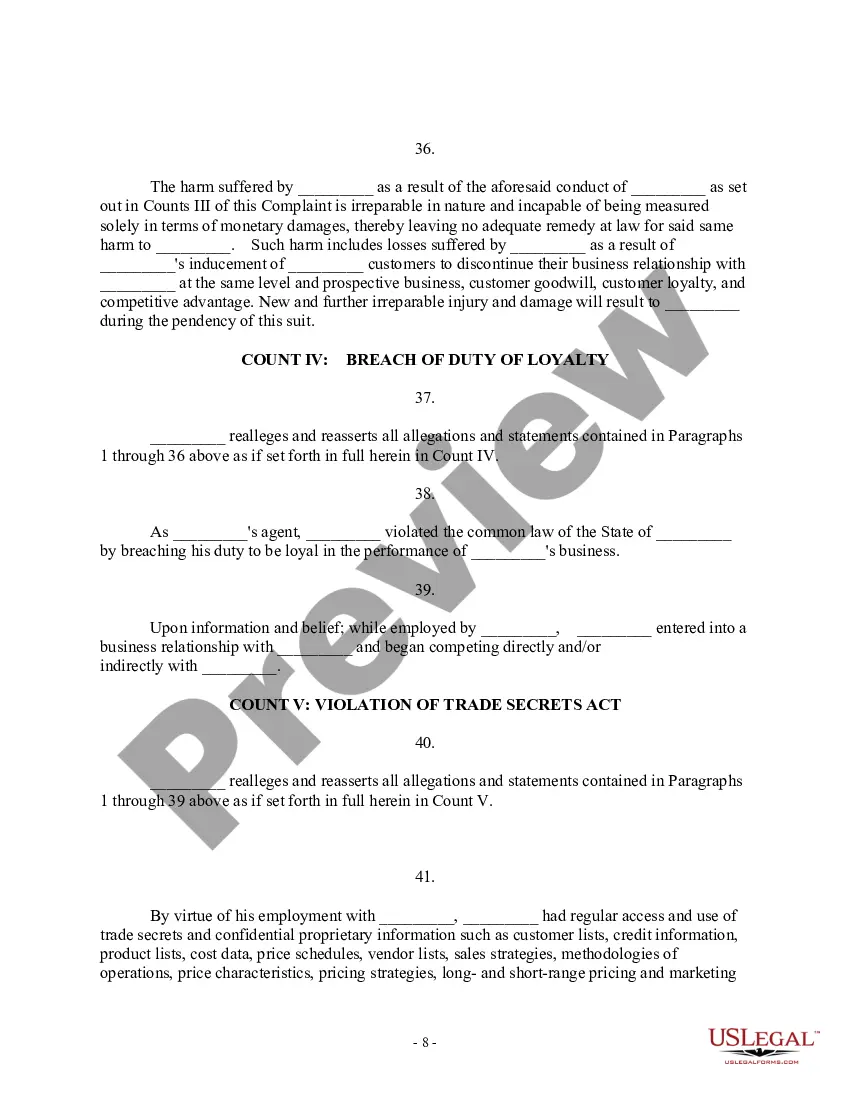
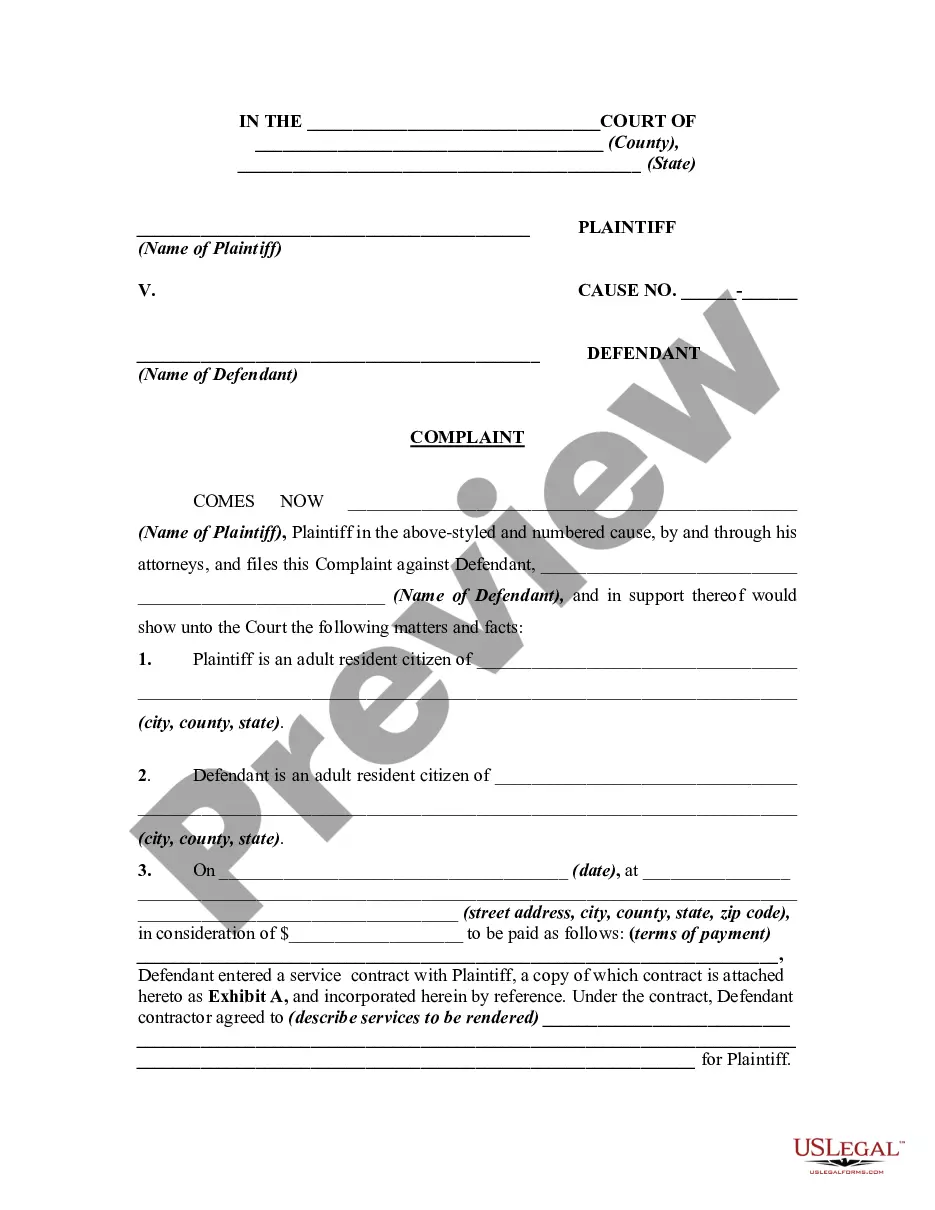


Get your form ready online
Our built-in tools help you complete, sign, share, and store your documents in one place.
Make edits, fill in missing information, and update formatting in US Legal Forms—just like you would in MS Word.
Download a copy, print it, send it by email, or mail it via USPS—whatever works best for your next step.
Sign and collect signatures with our SignNow integration. Send to multiple recipients, set reminders, and more. Go Premium to unlock E-Sign.
If this form requires notarization, complete it online through a secure video call—no need to meet a notary in person or wait for an appointment.
We protect your documents and personal data by following strict security and privacy standards.

Make edits, fill in missing information, and update formatting in US Legal Forms—just like you would in MS Word.

Download a copy, print it, send it by email, or mail it via USPS—whatever works best for your next step.

Sign and collect signatures with our SignNow integration. Send to multiple recipients, set reminders, and more. Go Premium to unlock E-Sign.

If this form requires notarization, complete it online through a secure video call—no need to meet a notary in person or wait for an appointment.

We protect your documents and personal data by following strict security and privacy standards.
Looking for another form?




Form popularity
FAQ
A party seeking an injunction under general Florida case law must demonstrate: 1) irreparable harm; 2) a clear legal right; 3) an inadequate remedy at law; 4) consideration of the public interest.
Standard of Proof In Florida, a petitioner for an injunction must establish by “preponderance of the evidence” (i.e. greater weight of the evidence) that he or she is either a victim of domestic violence or is in imminent danger of being a victim of domestic violence. See: Rollins v. Rollins, 336 So.
Generally, injunctive relief is only available when there is no other adequate remedy available and irreparable harm will result if the relief is not granted.
Steps to Request an Injunction Dismissal in Florida Step 1: File a Motion to Dismiss. To begin the process, we must file a Motion to Dissolve Injunction in the court that issued the original order. Step 2: Prepare for the Hearing. Step 3: Argue Your Case in Court. Step 4: Obtain a Court Order Removing the Injunction.
Adequacy of Damages This question is first considered from the Claimant's point of view. It is commonly found in business protection cases that damages will not be an adequate remedy. Firstly it is often impossible or extremely difficult to quantify loss in such cases.
Today, we're looking into four types of damages you may be able to receive in a breach of contract case. Compensatory damages. Punitive damages. Nominal damages. Liquidated damages.
Proof of actual harm and its cause must be established. For example: future lost profits are commonly claimed, but how are they proved? If the contract does not specify fixed numbers (either in goods or the dollar-amount of services), then expert witnesses are brought in to testify to the likely amount of damages.
A party seeking an injunction under general Florida case law must demonstrate: 1) irreparable harm; 2) a clear legal right; 3) an inadequate remedy at law; 4) consideration of the public interest.
Although the test for obtaining a TRO or PI may vary slightly across jurisdictions, generally a plaintiff seeking preliminary injunctive relief must satisfy a four-factor test: (1) that he or she is likely to succeed on the merits of his claims; (2) that he or she is likely to suffer irreparable harm without ...
Injunctive relief is a legal remedy that can be awarded by a court to prevent a party from taking certain actions or to require them to take certain actions. It is a form of equitable remedy that is used when monetary damages are not sufficient to remedy a breach of contract.
