Complaint Relief With Injunctive In North Carolina
Description

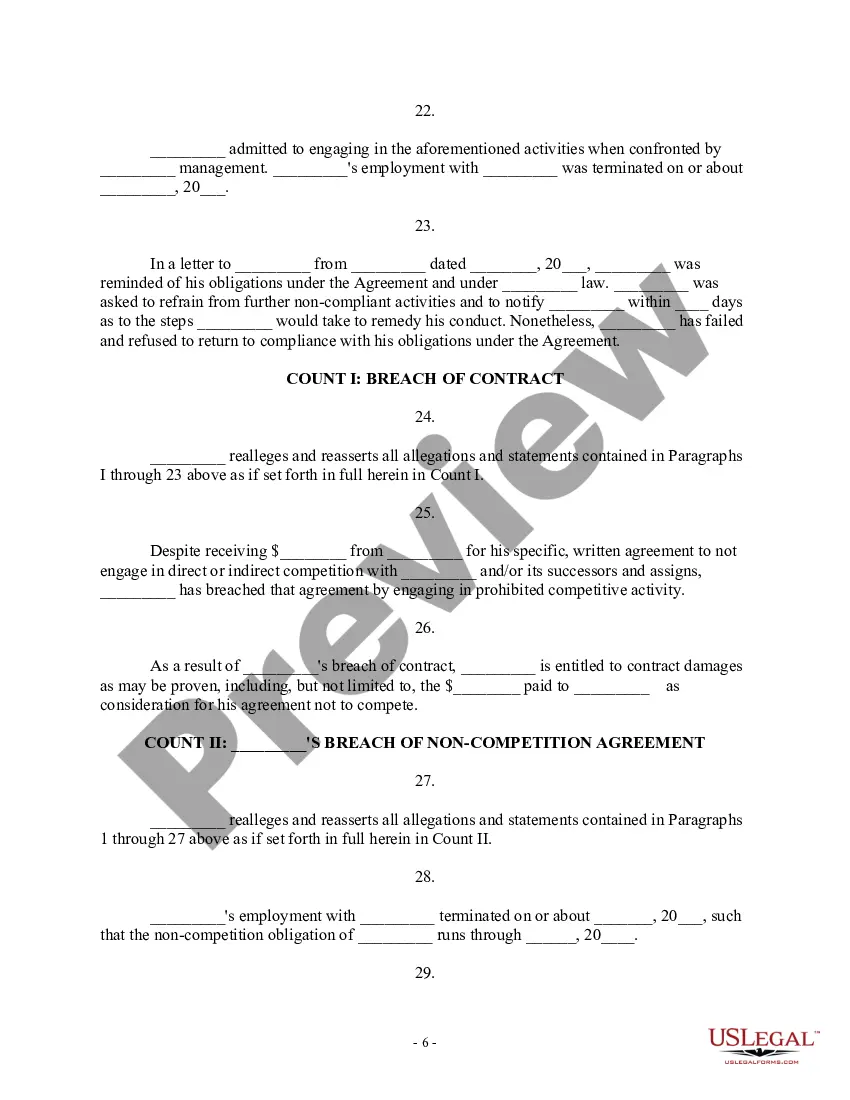
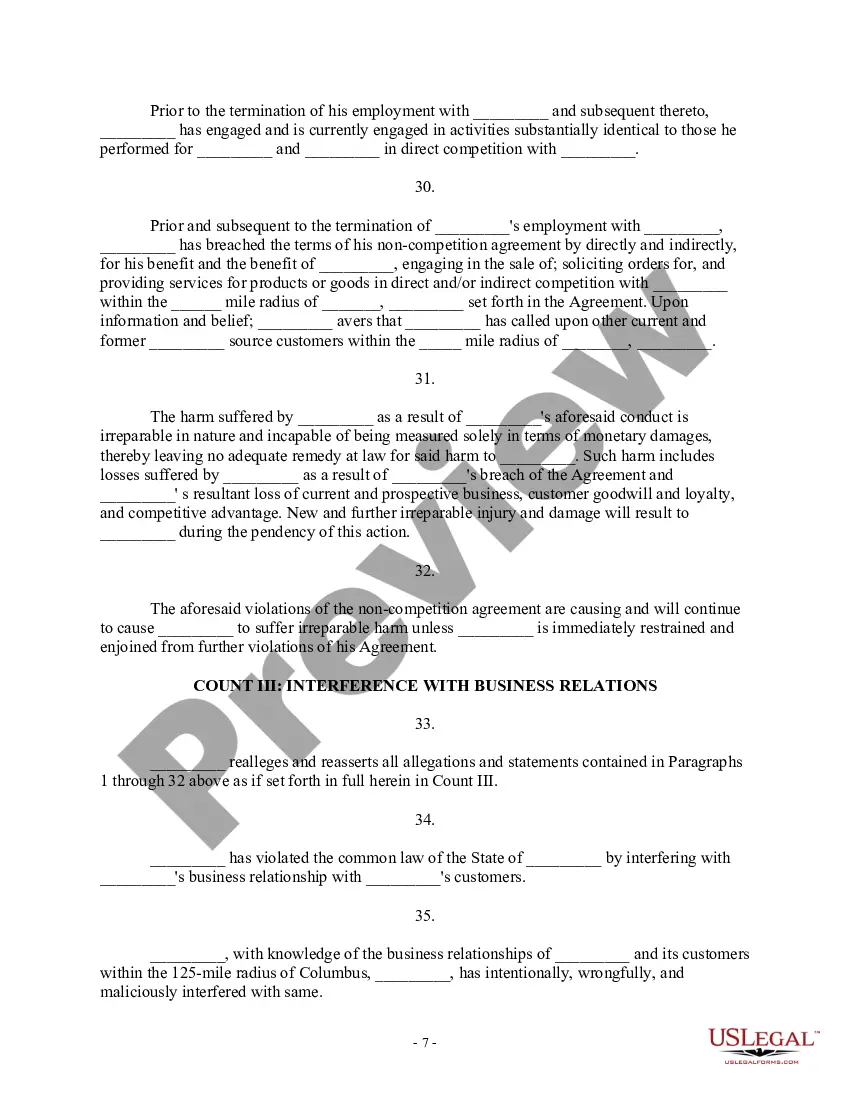
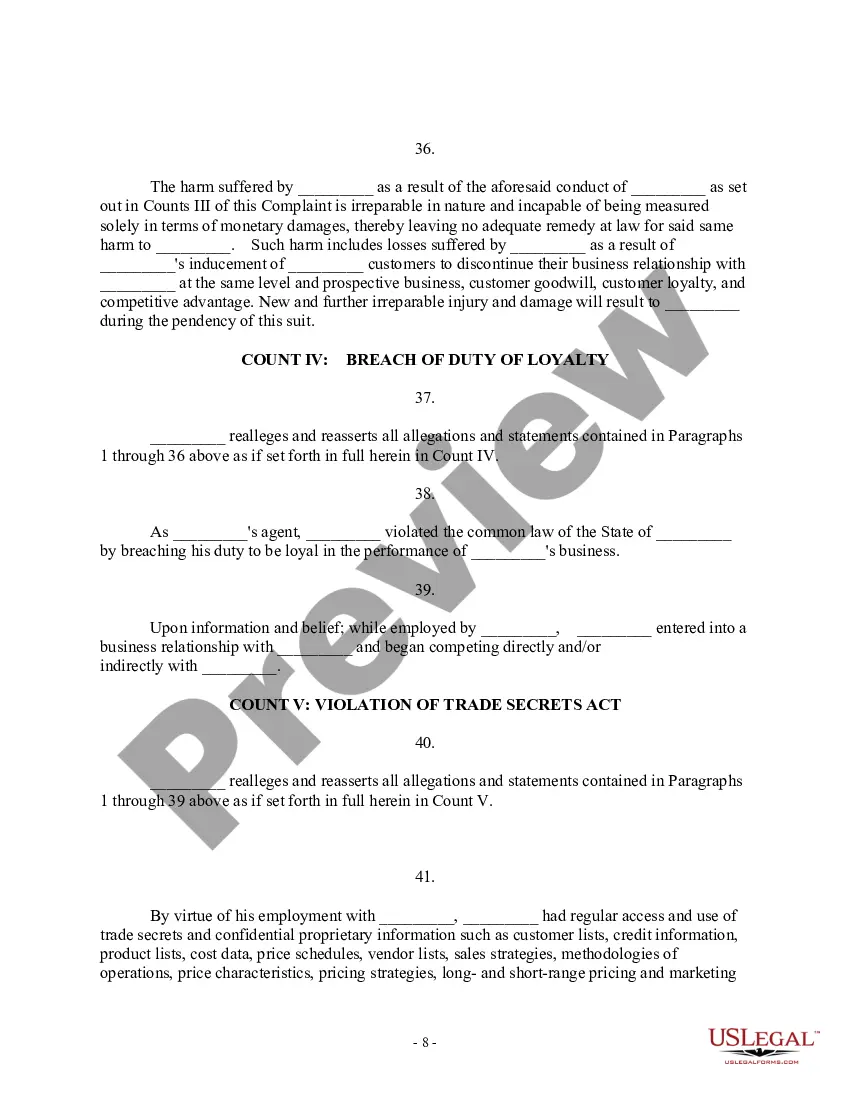

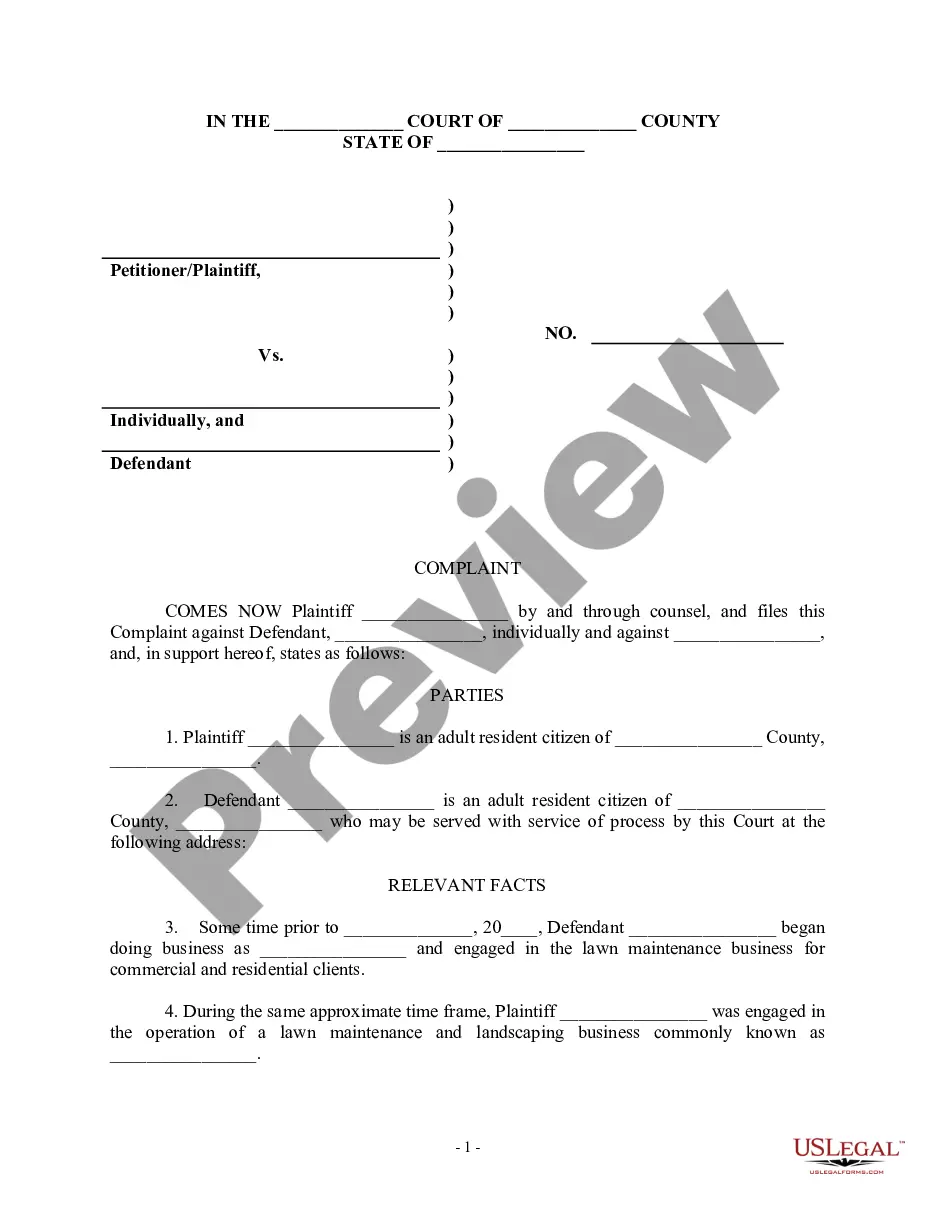



Get your form ready online
Our built-in tools help you complete, sign, share, and store your documents in one place.
Make edits, fill in missing information, and update formatting in US Legal Forms—just like you would in MS Word.
Download a copy, print it, send it by email, or mail it via USPS—whatever works best for your next step.
Sign and collect signatures with our SignNow integration. Send to multiple recipients, set reminders, and more. Go Premium to unlock E-Sign.
If this form requires notarization, complete it online through a secure video call—no need to meet a notary in person or wait for an appointment.
We protect your documents and personal data by following strict security and privacy standards.

Make edits, fill in missing information, and update formatting in US Legal Forms—just like you would in MS Word.

Download a copy, print it, send it by email, or mail it via USPS—whatever works best for your next step.

Sign and collect signatures with our SignNow integration. Send to multiple recipients, set reminders, and more. Go Premium to unlock E-Sign.

If this form requires notarization, complete it online through a secure video call—no need to meet a notary in person or wait for an appointment.

We protect your documents and personal data by following strict security and privacy standards.
Looking for another form?





Form popularity
FAQ
House Bill 625 is known as the Criminal Sentence Reduction Reform. The reform proposed that those who have been incarcerated for 65 percent of their time could be released. This bill would allow individuals to apply to have their sentence reduced if they have served at least 5 years of their term.
The 65 percent law in North Carolina dictates that eligible inmates must serve at least 65 percent of their minimum sentence before they can be considered for parole. This is not a guarantee of release; rather, it's a crucial threshold that initiates the parole process.
If the prison terms are activated, felony offenders must serve 100% of the minimum term and may serve up to the maximum term; misdemeanor offenders must serve the entire jail sentence unless the sheriff awards earned time credits.
Relief from a Criminal Conviction (2025 Edition) A motion for appropriate relief (MAR) is a motion made after judgment to correct any errors that occurred before, during, or after a criminal trial or proceeding, including errors related to the entry of a guilty plea.
– Clerical mistakes in judgments, orders or other parts of the record and errors therein arising from oversight or omission may be corrected by the judge at any time on his own initiative or on the motion of any party and after such notice, if any, as the judge orders.
Injunctions. (a) Preliminary injunction; notice. – No preliminary injunction shall be issued without notice to the adverse party. (b) Temporary restraining order; notice; hearing; duration.
Rule 65. – No preliminary injunction shall be issued without notice to the adverse party. (b) Temporary restraining order; notice; hearing; duration.
If ever there was a super legal-sounding term for a fairly common occurrence, it would be injunctive relief. It essentially means to get someone to stop doing something. In other words, you want to enjoin (stop) the other party from doing something.
Injunctive relief, also known as an “injunction,” is a legal remedy that may be sought from the courts to require a defendant to stop doing something (or requiring them to do something).
Rule 65. – No preliminary injunction shall be issued without notice to the adverse party. (b) Temporary restraining order; notice; hearing; duration.