Injunctive Relief For Trademark In Minnesota
Description

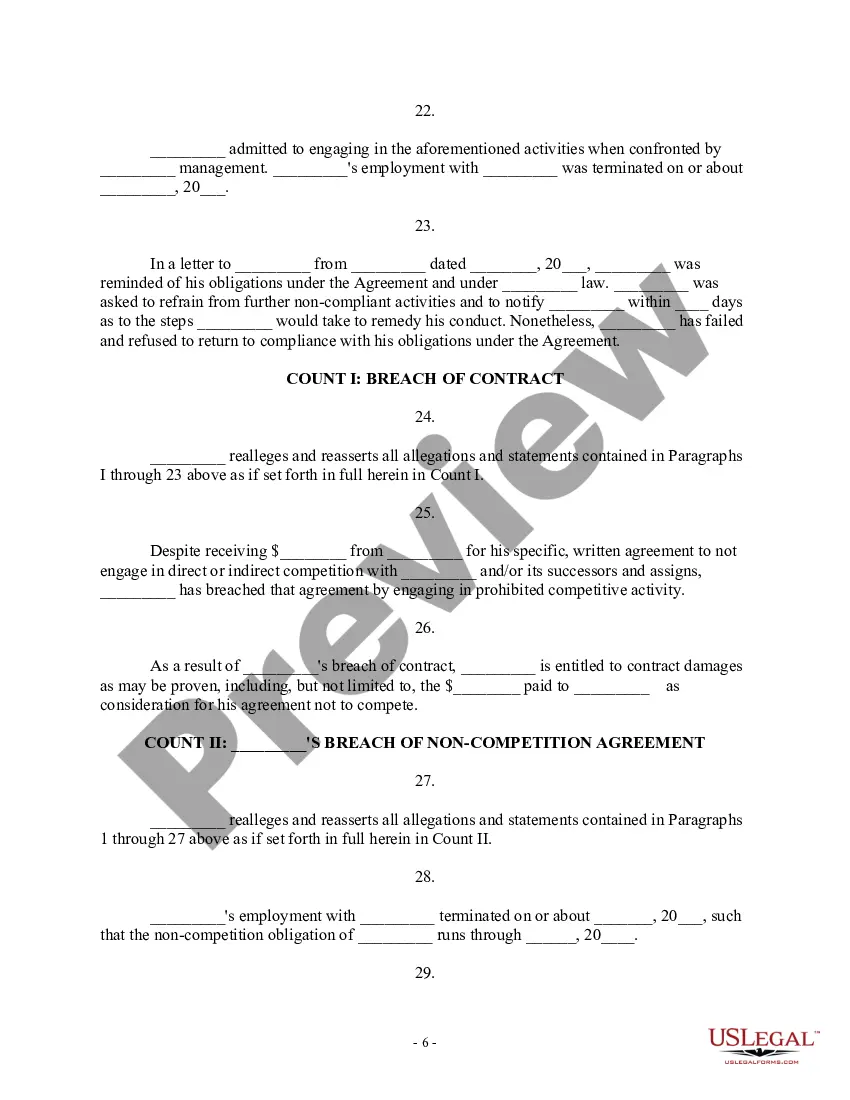
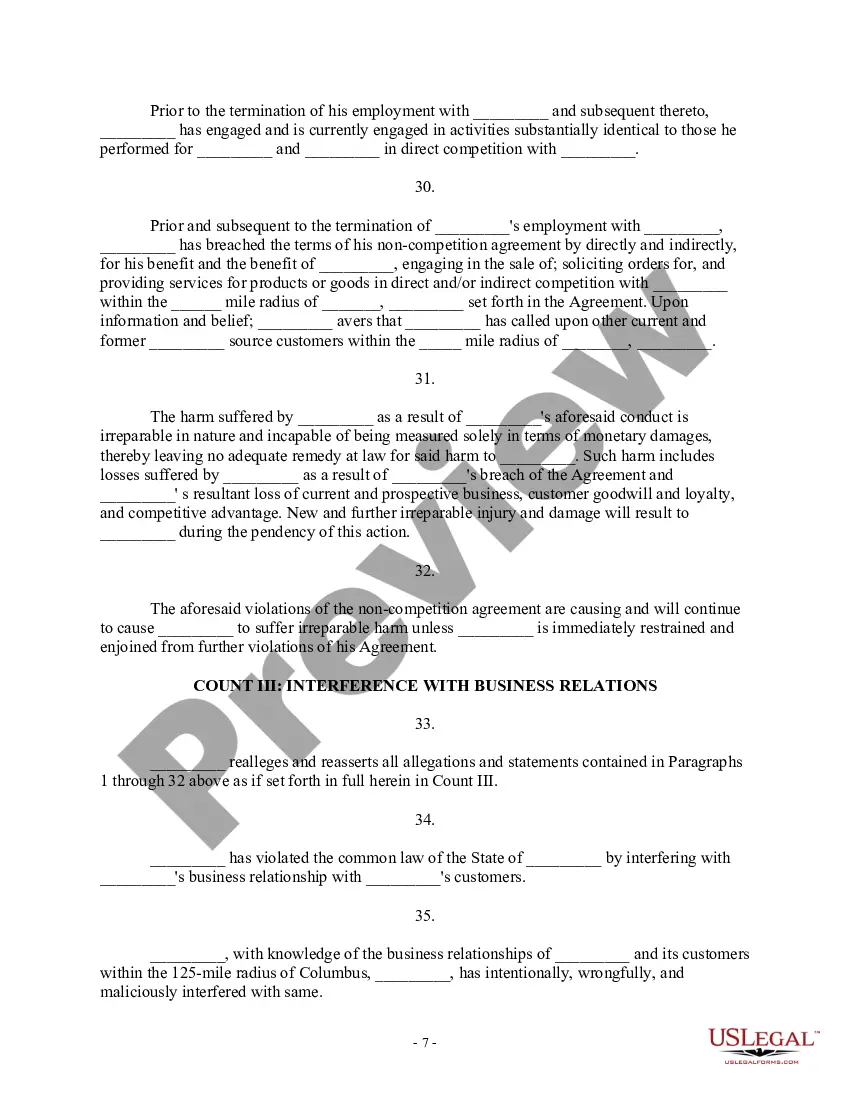
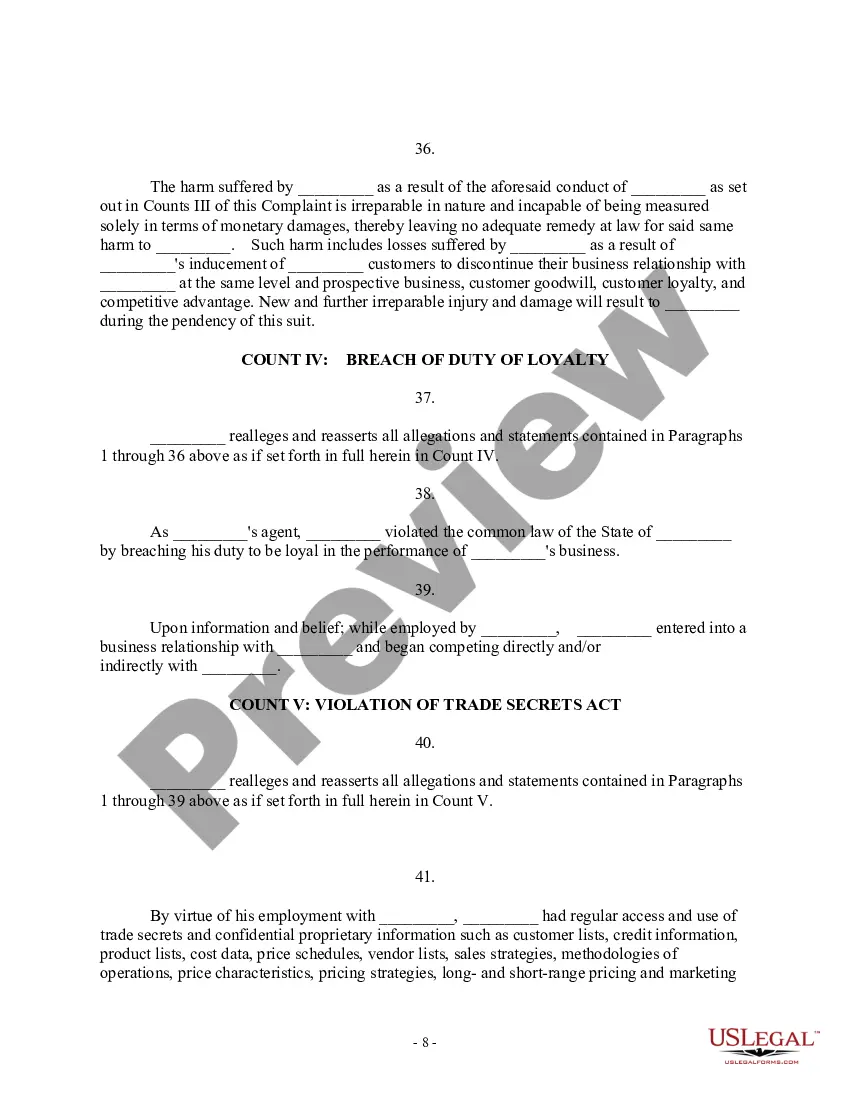
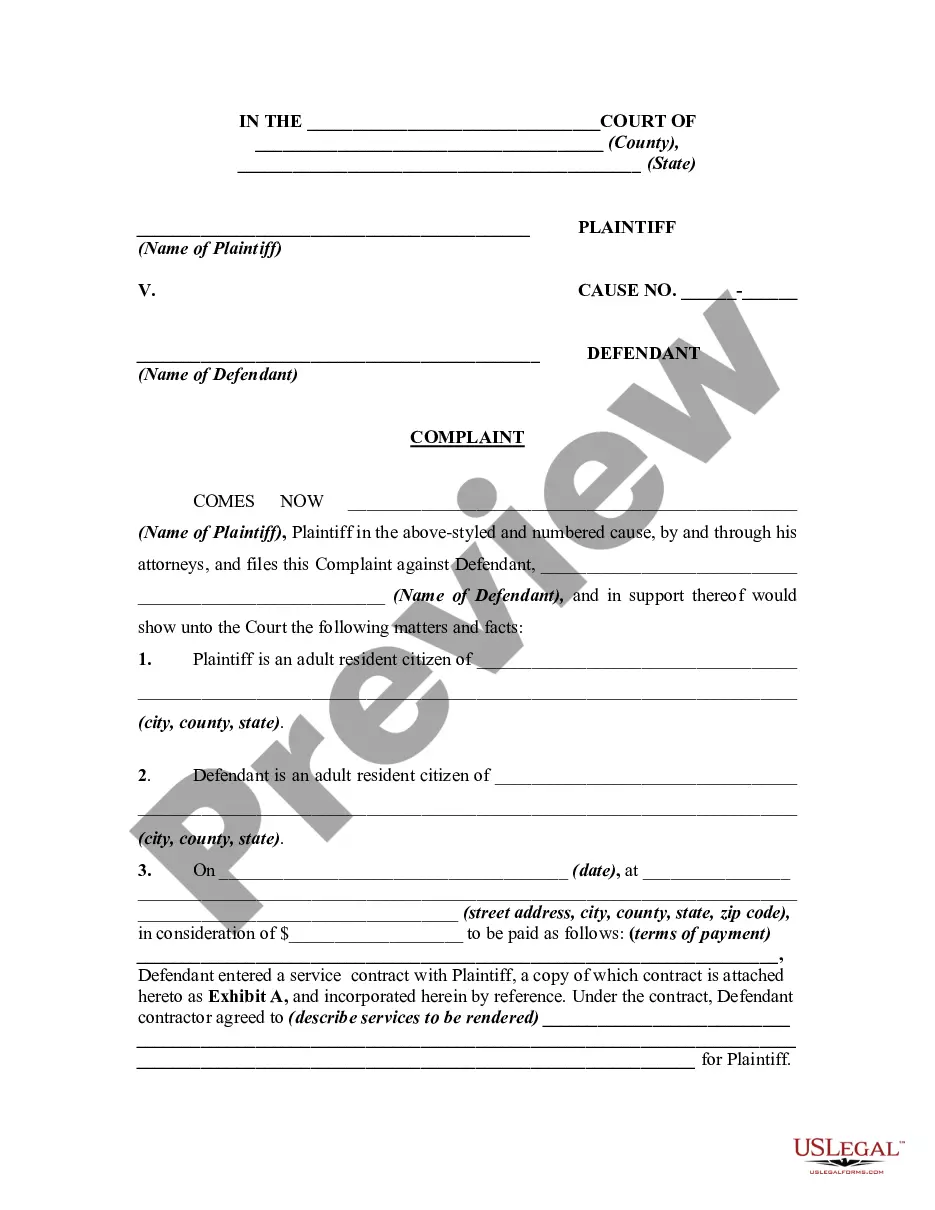


Get your form ready online
Our built-in tools help you complete, sign, share, and store your documents in one place.
Make edits, fill in missing information, and update formatting in US Legal Forms—just like you would in MS Word.
Download a copy, print it, send it by email, or mail it via USPS—whatever works best for your next step.
Sign and collect signatures with our SignNow integration. Send to multiple recipients, set reminders, and more. Go Premium to unlock E-Sign.
If this form requires notarization, complete it online through a secure video call—no need to meet a notary in person or wait for an appointment.
We protect your documents and personal data by following strict security and privacy standards.

Make edits, fill in missing information, and update formatting in US Legal Forms—just like you would in MS Word.

Download a copy, print it, send it by email, or mail it via USPS—whatever works best for your next step.

Sign and collect signatures with our SignNow integration. Send to multiple recipients, set reminders, and more. Go Premium to unlock E-Sign.

If this form requires notarization, complete it online through a secure video call—no need to meet a notary in person or wait for an appointment.

We protect your documents and personal data by following strict security and privacy standards.
Looking for another form?








Form popularity
FAQ
The two main defenses are fair use and parody. The fair use defense applies to descriptive trademarks and argues that the trademark was used in good faith for its primary meaning, not the secondary meaning that is protected.
The most common remedy for trademark infringement is injunctive relief. Injunctions are court orders commanding that the infringer immediately cease its unlawful activities. Injunctions address future conduct rather than past actions.
The Minnesota Uniform Transfers to Minors Act or “UTMA”, the acronym often used to refer to it, is a state law that sets out how assets are transferred to minors in the absence of a will or, in the event the transfer was by a will but that will failed to specify what happens if a minor received it, how and when the ...
Adoption by U.S. states As of June 2019, the UTSA has been adopted by all states except New York and North Carolina (but its law is very similar and seems to borrow heavily from the act 1).
Among other things, the UTSA: Defines the types of information eligible for trade secret protection. Sets out a private cause of action for trade secret misappropriation. Provides remedies for misappropriation, including injunctions, damages and, in certain cases, attorneys' fees.
One remedy is injunctive relief, which restrains the defendant from future copying of the work. A preliminary injunction can be sought early in the case to restrain copying during the lawsuit.
Under the Minnesota Uniform Trade Secrets Act, persons (including corporations or other legal entities) are prohibited from misappropriating trade secrets that belong to another. In simple terms, “misappropriation” means the improper acquisition, disclosure, or use of a trade secret.
To further illustrate the enumerated acts above, some specific examples of trade secret violations are: Taking home confidential information from work. Hacking a company's computer and accessing secret documents. Making copies of confidential business files.
