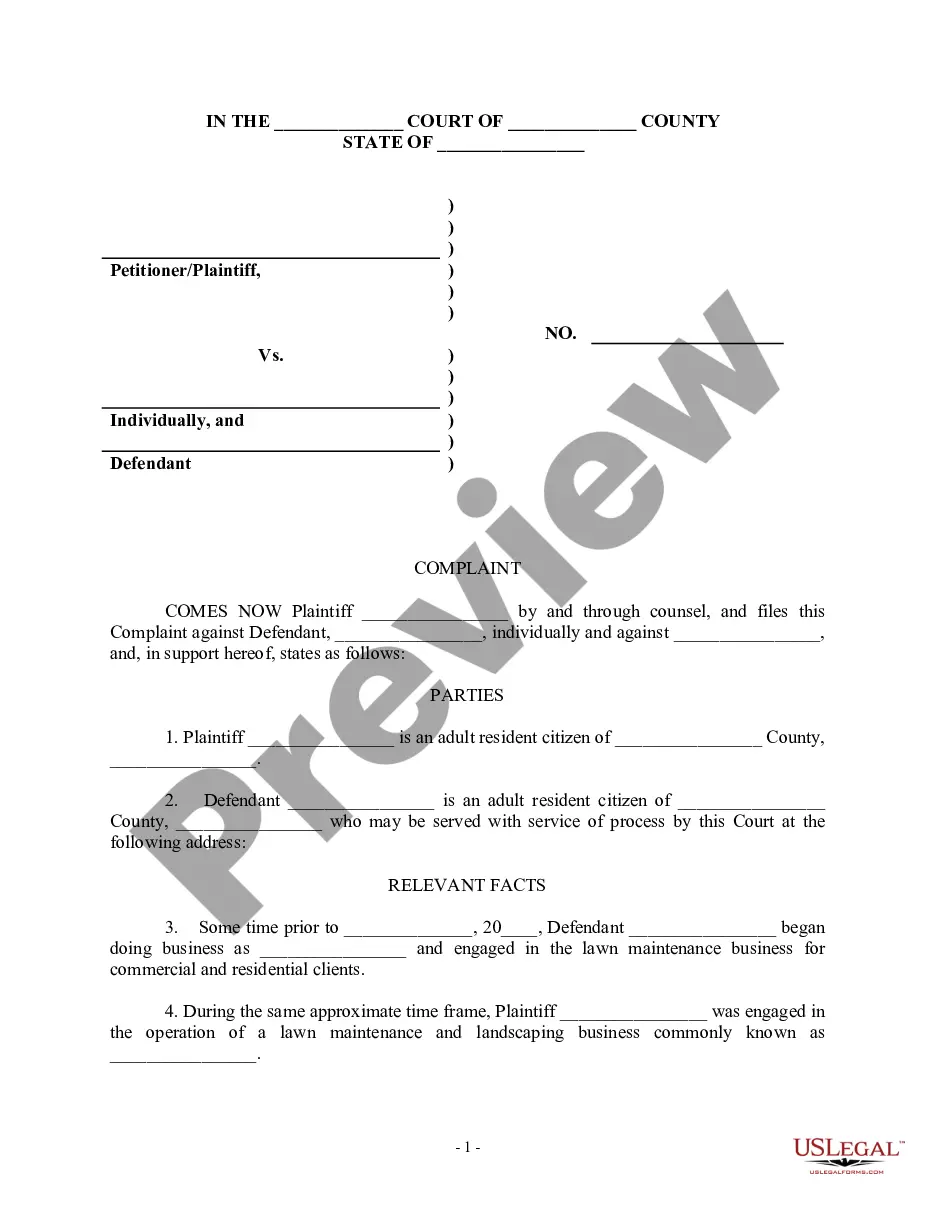
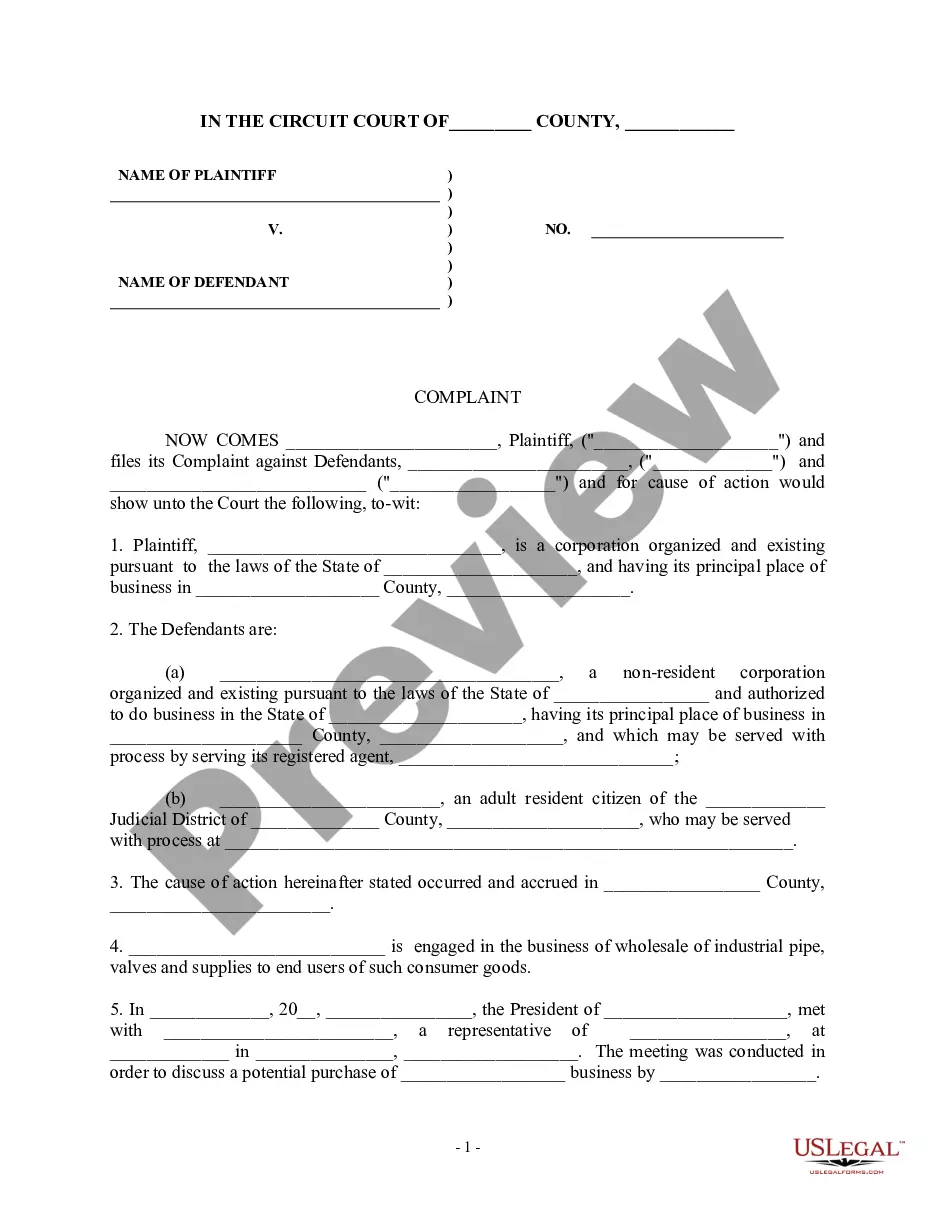
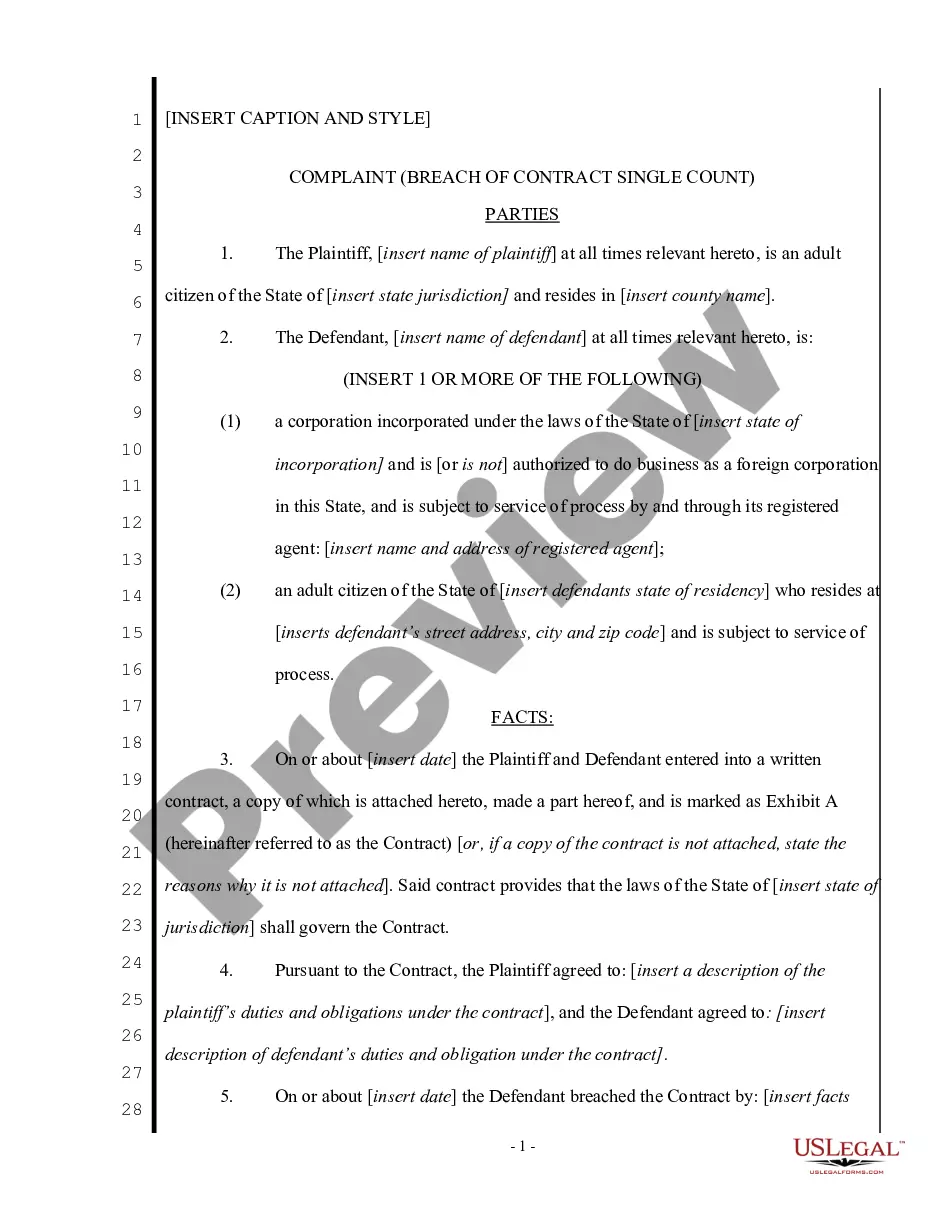
Complaint Prayer For Relief Example In Maricopa
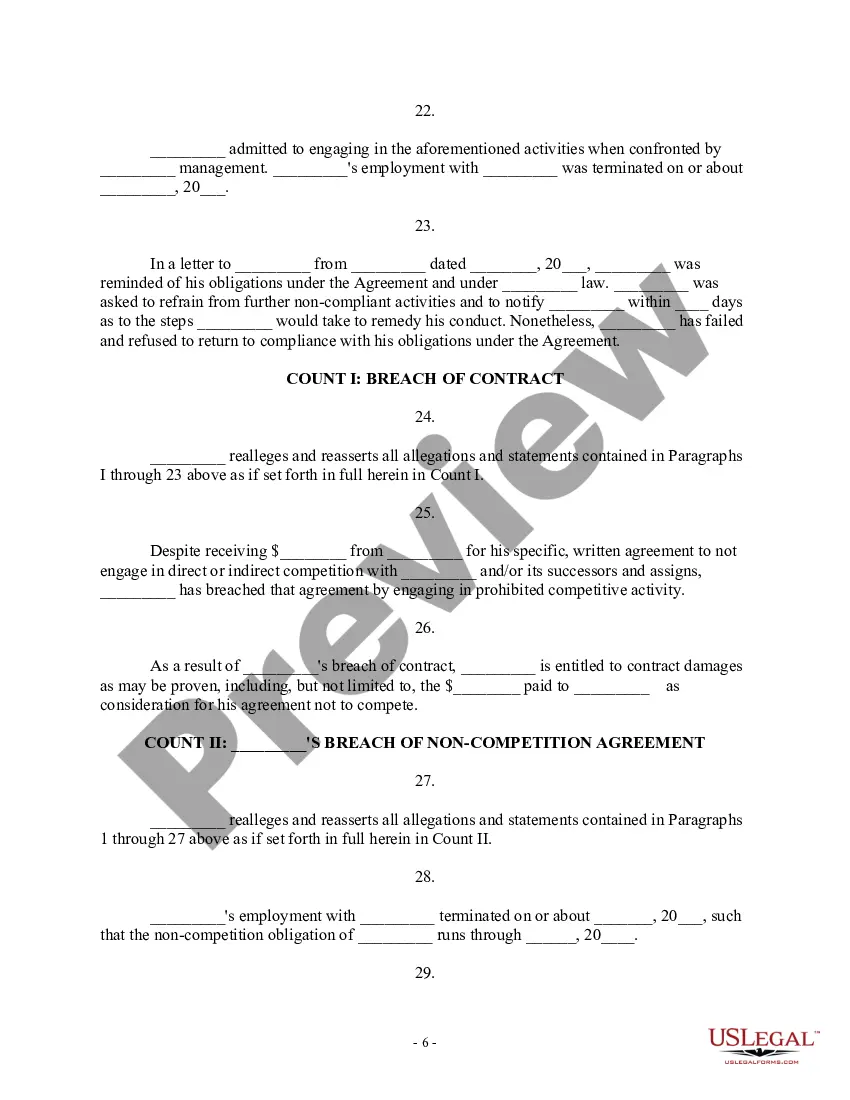
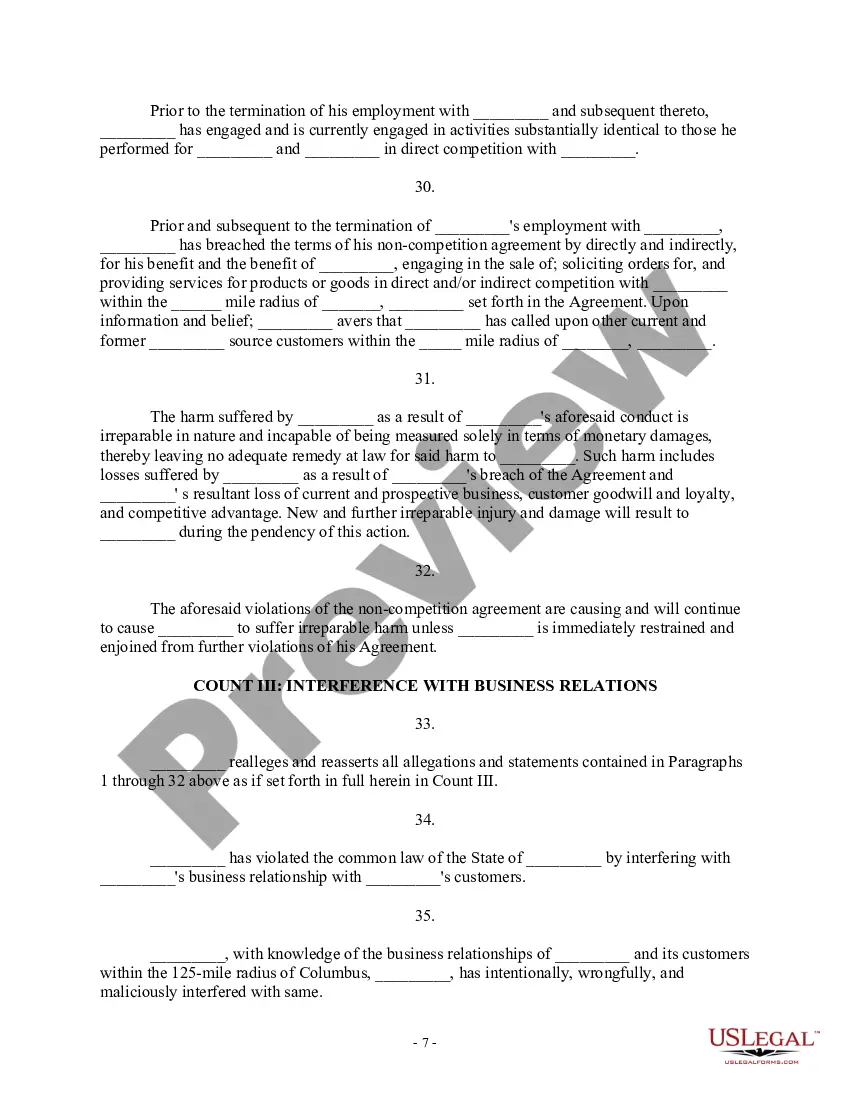
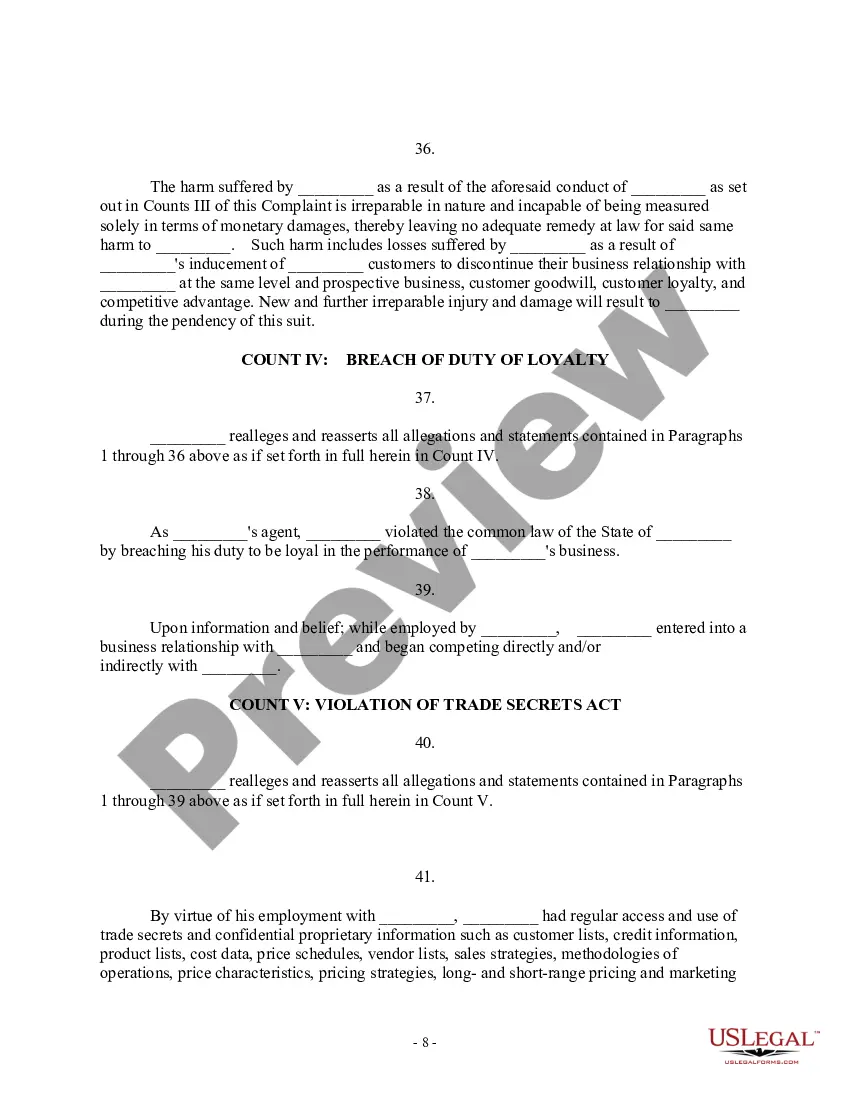
Description


Get your form ready online
Our built-in tools help you complete, sign, share, and store your documents in one place.
Make edits, fill in missing information, and update formatting in US Legal Forms—just like you would in MS Word.
Download a copy, print it, send it by email, or mail it via USPS—whatever works best for your next step.
Sign and collect signatures with our SignNow integration. Send to multiple recipients, set reminders, and more. Go Premium to unlock E-Sign.
If this form requires notarization, complete it online through a secure video call—no need to meet a notary in person or wait for an appointment.
We protect your documents and personal data by following strict security and privacy standards.

Make edits, fill in missing information, and update formatting in US Legal Forms—just like you would in MS Word.

Download a copy, print it, send it by email, or mail it via USPS—whatever works best for your next step.

Sign and collect signatures with our SignNow integration. Send to multiple recipients, set reminders, and more. Go Premium to unlock E-Sign.

If this form requires notarization, complete it online through a secure video call—no need to meet a notary in person or wait for an appointment.

We protect your documents and personal data by following strict security and privacy standards.
Looking for another form?



Form popularity
FAQ
A civil action filed in a limited jurisdiction court is a claim against another party for damages of an amount up to $10,000.00. These lawsuits are designed to resolve civil disputes before a justice of the peace. Parties in a civil lawsuit may be represented by attorneys and appeal their case to a higher court.
Personal injury lawsuits such as those stemming from car accidents, medical malpractice, or slip and fall incidents are a one type of civil suit. Other common civil lawsuits include breach of contract, product liability, divorce and family law, property disputes, and housing disputes.
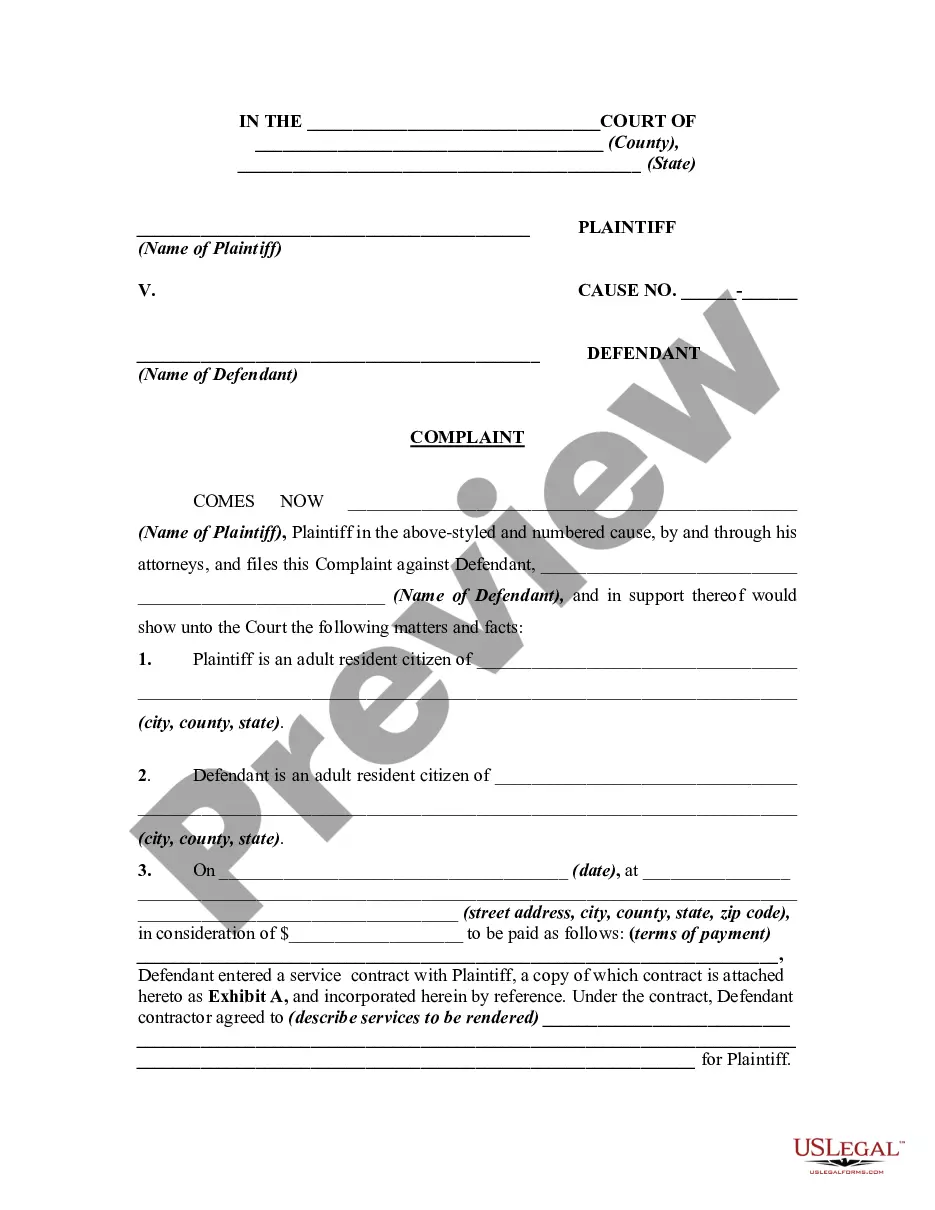
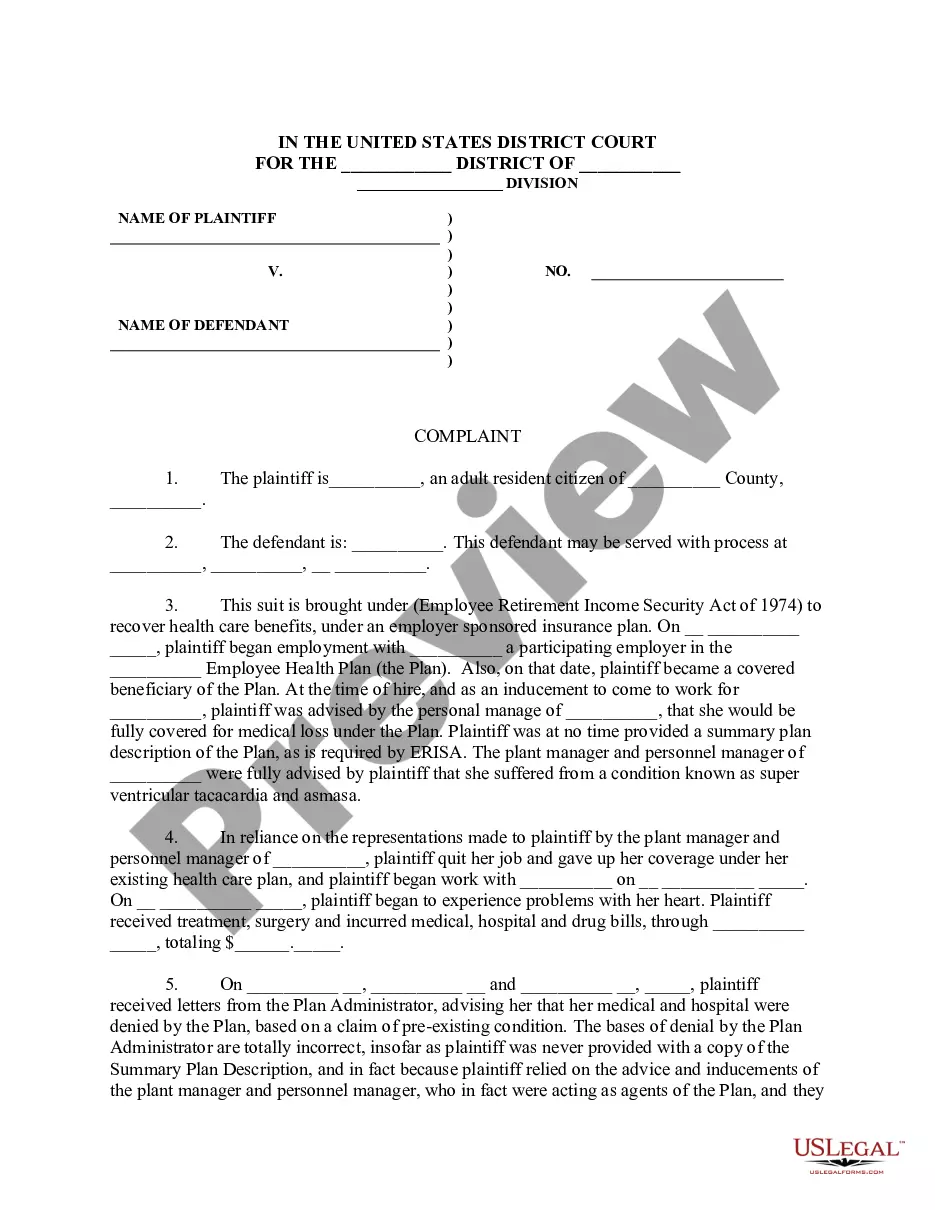
A prayer for relief, a demand for judgement, and the 'wherefore' clause are components found in a legal complaint. The prayer for relief describes the specific remedy sought by the plaintiff, the demand for judgement requests a specific decision, and the 'wherefore' clause asks the court to grant the relief requested.
For example, if a person is injured in a car accident, they may file a lawsuit against the driver who caused the accident. In their complaint, they would include a prayer for relief asking for compensation for their medical bills, lost wages, and pain and suffering.
The prayer for relief is the part of complaint where a plaintiff states the damages or other remedies it is seeking from the court in a lawsuit. Federal Rules of Civil Procedure 8(a)(3) requires that a plaintiff's pleadings contains a prayer for relief. The prayer is often located at the end of the complaint.
Good practice requires a timely acknowledgement of a complaint. The experience of customers in other sectors shows that a response within two working days increases their confidence in a complaint handling process.
Only these pleadings are allowed: a complaint; an answer to a complaint; a counterclaim; an answer to a counterclaim designated as a counterclaim; an answer to a crossclaim; a third-party complaint; an answer to a third-party complaint; and, if the court orders one, a reply to an answer.
The defendant has 20 calendar days from service of process to file an answer (Form No. AOCLJCV4F) to the lawsuit. An answer is your written response that you file with the court admitting or denying the creditor's claims and the reasons why. The answer should respond to each element of the complaint.
The prayer for relief is the part of complaint where a plaintiff states the damages or other remedies it is seeking from the court in a lawsuit. Federal Rules of Civil Procedure 8(a)(3) requires that a plaintiff's pleadings contains a prayer for relief. The prayer is often located at the end of the complaint.
Answer. An Answer is the most common way to respond to a lawsuit. The Answer is the defendant's opportunity to admit or deny the specific allegations brought against them in the complaint. Any statements in the complaint that are not denied will be taken as true for the purposes of this case.
