Injunctive Relief Agreement With Japan In Illinois
Description

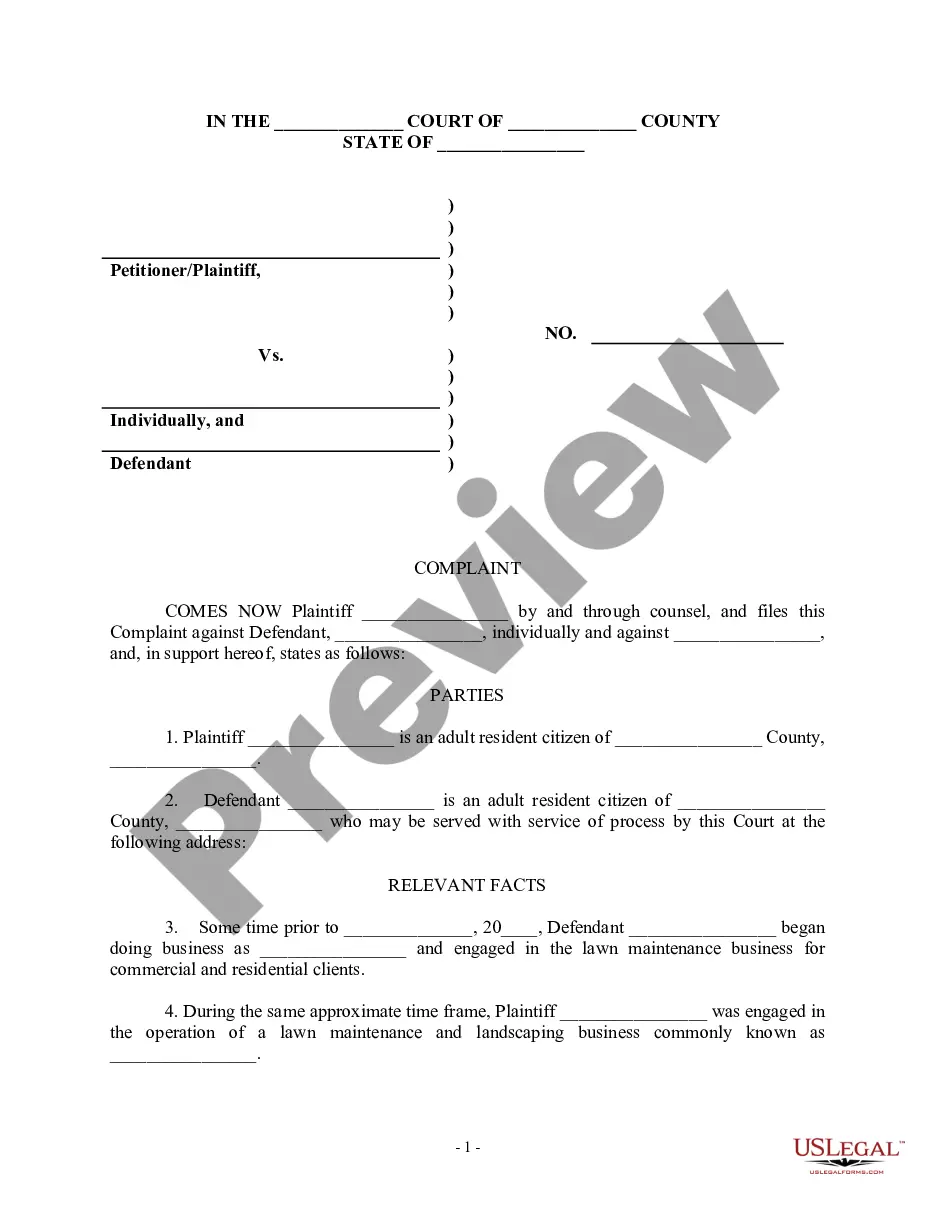
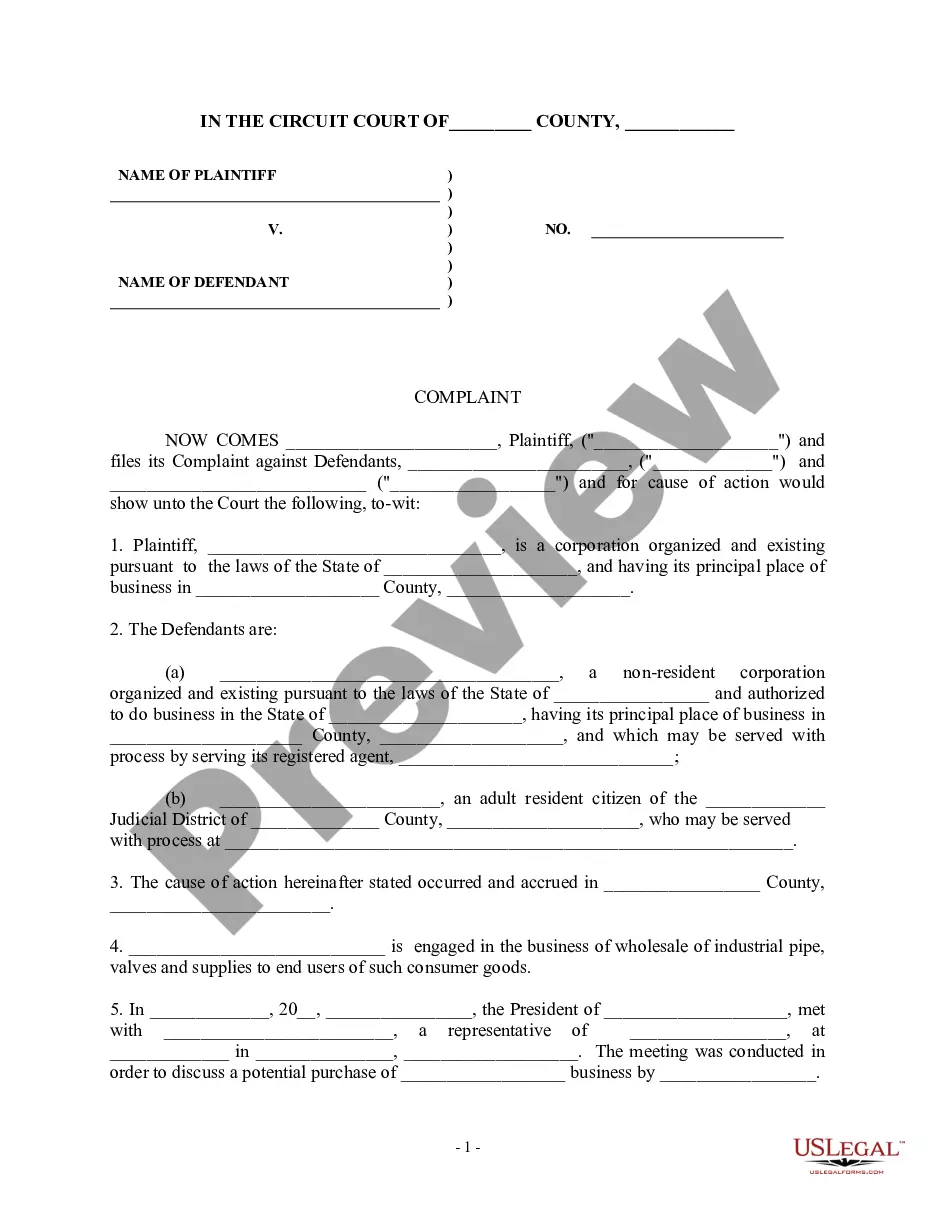

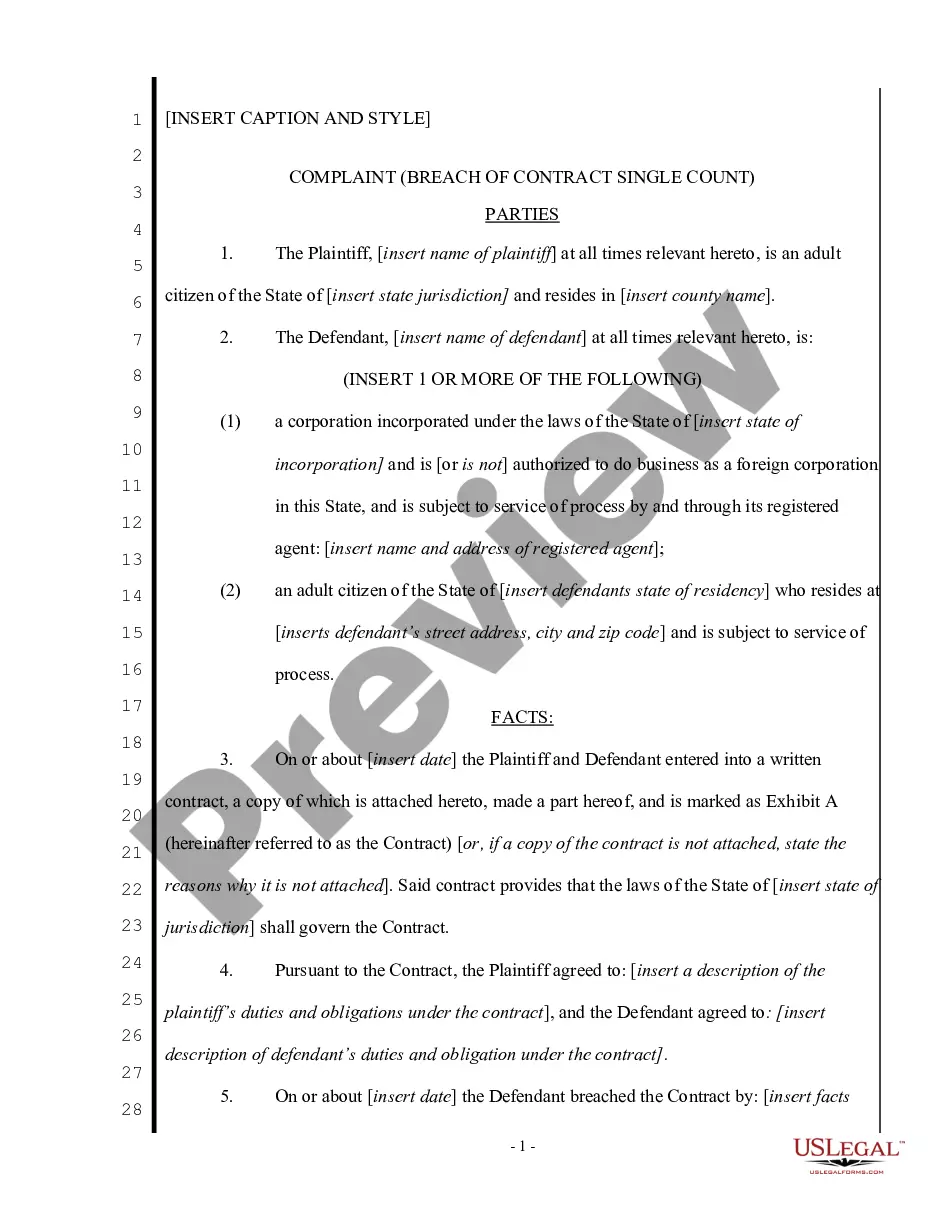
Get your form ready online
Our built-in tools help you complete, sign, share, and store your documents in one place.
Make edits, fill in missing information, and update formatting in US Legal Forms—just like you would in MS Word.
Download a copy, print it, send it by email, or mail it via USPS—whatever works best for your next step.
Sign and collect signatures with our SignNow integration. Send to multiple recipients, set reminders, and more. Go Premium to unlock E-Sign.
If this form requires notarization, complete it online through a secure video call—no need to meet a notary in person or wait for an appointment.
We protect your documents and personal data by following strict security and privacy standards.

Make edits, fill in missing information, and update formatting in US Legal Forms—just like you would in MS Word.

Download a copy, print it, send it by email, or mail it via USPS—whatever works best for your next step.

Sign and collect signatures with our SignNow integration. Send to multiple recipients, set reminders, and more. Go Premium to unlock E-Sign.

If this form requires notarization, complete it online through a secure video call—no need to meet a notary in person or wait for an appointment.

We protect your documents and personal data by following strict security and privacy standards.
Looking for another form?
Form popularity
FAQ
In the area of conflict of laws, an anti-suit injunction is an order issued by a court or arbitral tribunal that prevents an opposing party from commencing or continuing a proceeding in another jurisdiction or forum.
The main injunction sought in arbitration proceedings are freezing injunctions, where the Court will consider urgency and whether there is a real risk that the respondent may dissipate its assets before the enforcement of any arbitral award.
In order to get an injunction, you have to file a Petition with the court. You must also attach an affidavit to your Petition. Be sure that you properly plead your Petition. The Petition must be based on facts and not conclusions.
An anti-arbitration injunction is a tool to enjoin a party from com- mencing or continuing an arbitration to which a US court petitioner did not submit or agree. The need for an anti-arbitration injunction often arises when: ∎ There is no arbitration agreement between the parties.
Injunctive relief, also known as an injunction , is a court-ordered remedy which restricts a party from committing specific actions or requires a party to complete specific actions.
Anti-suit injunctions (ASIs) are a legal remedy that have been applied by courts to prevent a party from pursuing parallel proceedings in another jurisdiction.
What is an anti-arbitration injunction? An anti-arbitration injunction seeks to prevent the initiation or continuation of arbitration proceedings. In contrast, an anti-suit injunction seeks to prevent the initiation or continuation of court proceedings.
883, enacted February 12, 1925, codified at 9 U.S.C. ch. 1), more commonly referred to as the Federal Arbitration Act or FAA, is an act of Congress that provides for non-judicial facilitation of private dispute resolution through arbitration.
A temporary restraining order (TRO) is a common preliminary injunctive relief example. For instance, a court order placing the sale of a company on hold while a breach of fiduciary duty or a shareholder derivative lawsuit is ongoing.
Two elements have to be taken into consideration to determine the grant of mandatory injunction, these are: (a) What acts are necessary in order to prevent a breach of the obligation; and, (b) The requisite acts must be such as the Court is capable of enforcing.
